

Pelvic pain and heavy periods are easy to put down to a difficult cycle, but when they persist, they often have a specific cause. Endometriosis occurs when tissue similar to the womb lining grows outside of the uterus, typically causing pain that follows the menstrual cycle. Fibroids are benign growths of muscle tissue in the wall of the womb and tend to cause heavy or prolonged bleeding.
Both are common conditions, and both are treatable. Here’s how endometriosis and fibroids differ, which symptoms point towards each, and how they’re diagnosed.
What is endometriosis?
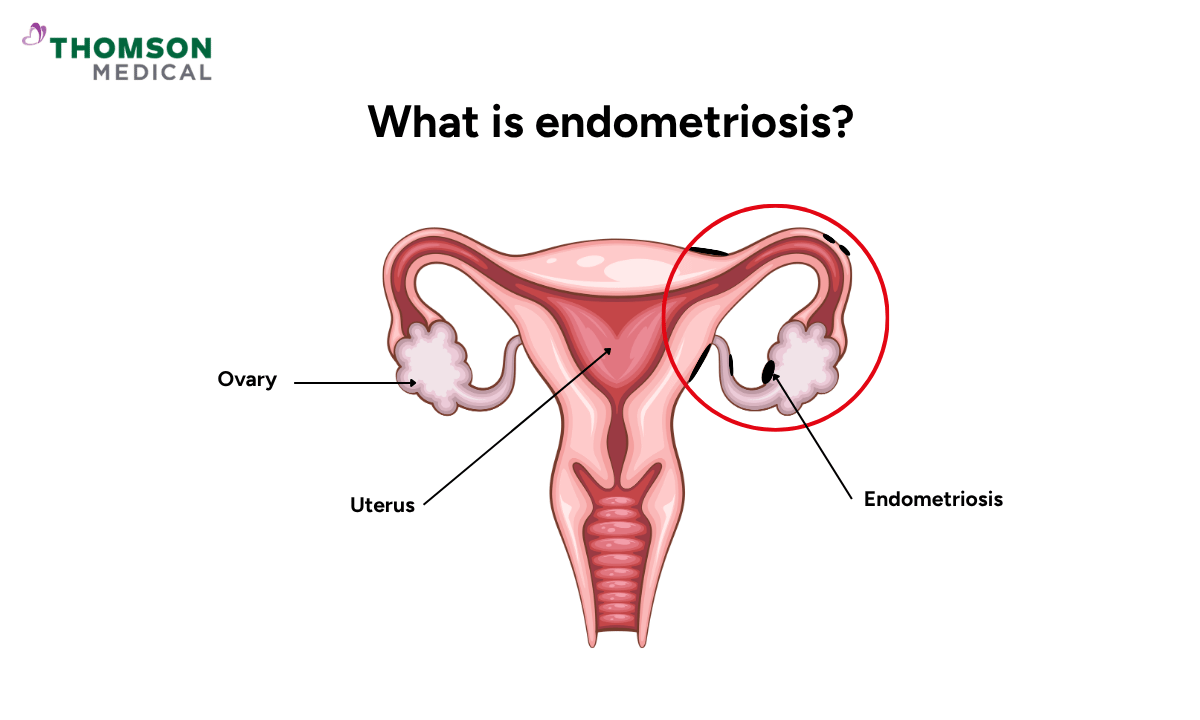
Endometriosis occurs when tissue similar to the lining of the uterus grows outside of it. This tissue may attach itself to the ovaries, fallopian tubes, the outer surface of the uterus, the intestines, or even the lining of the pelvis.
Although this tissue grows outside the womb, during your period it behaves as if it were inside your uterus, where it would swell and break down. However, as it has nowhere to leave your body, it becomes trapped, causing inflammation, scarring, and pain.
What causes endometriosis?
As of now, there is no clear reason why this condition develops, but it is often linked to a combination of factors, such as:
Retrograde menstruation: where menstrual blood flows backwards into the pelvis rather than leaving your body.
Changes in the immune system: these may allow misplaced tissue to survive and grow.
Genetics: the condition may run in families.
Starting periods at a young age or having shorter menstrual cycles: these factors may increase the risk.
While these factors may differ, they all have one thing in common, which is their link to the oestrogen hormone. This is why endometriosis symptoms often improve during pregnancy and after menopause, when oestrogen levels drop.
Symptoms of endometriosis
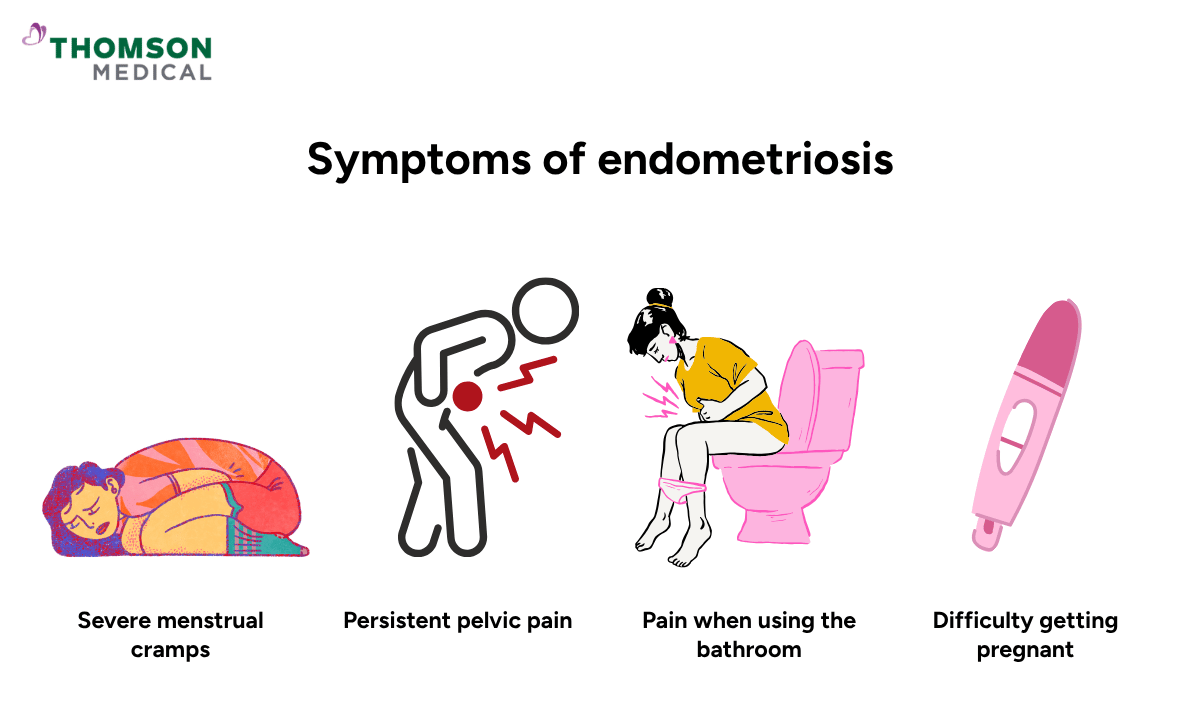
The most noticeable symptom of endometriosis is pelvic pain that feels much more intense than normal period discomfort. You may also experience other symptoms, including:
Severe menstrual cramps that interfere with your daily life
Pain during or after sexual intercourse
Pain when using the bathroom, especially during your period
Heavy or irregular bleeding
Bloating and fatigue
Difficulty getting pregnant
However, the level of pain you experience does not necessarily reflect the extent of the condition. Some women experience severe symptoms despite having mild endometriosis, while others may have fewer symptoms despite having a more severe condition.
Stages of endometriosis
Not all endometriosis looks the same. The condition is classified into four stages that describe how far it has spread and how deeply it has grown into surrounding tissue.
Stage I (minimal):
At this stage, there are a few small, shallow implants on your pelvic lining, with no significant scar tissue involved yet.
Stage II (mild):
The abnormal growth becomes more numerous than in stage I and extends slightly deeper into the tissue. Some minor scarring may begin to form.
Stage III (moderate):
This stage involves many deep implants. You may also have small cysts on your ovaries, commonly called "chocolate cysts", and bands of scar tissue known as adhesions, which may cause pelvic organs to stick together.
Stage IV (severe):
This is the most advanced stage. It involves deep implants, larger cysts on the ovaries, and more significant scarring. In some cases, the tissue may also affect the bladder or bowels.
What is a fibroid?
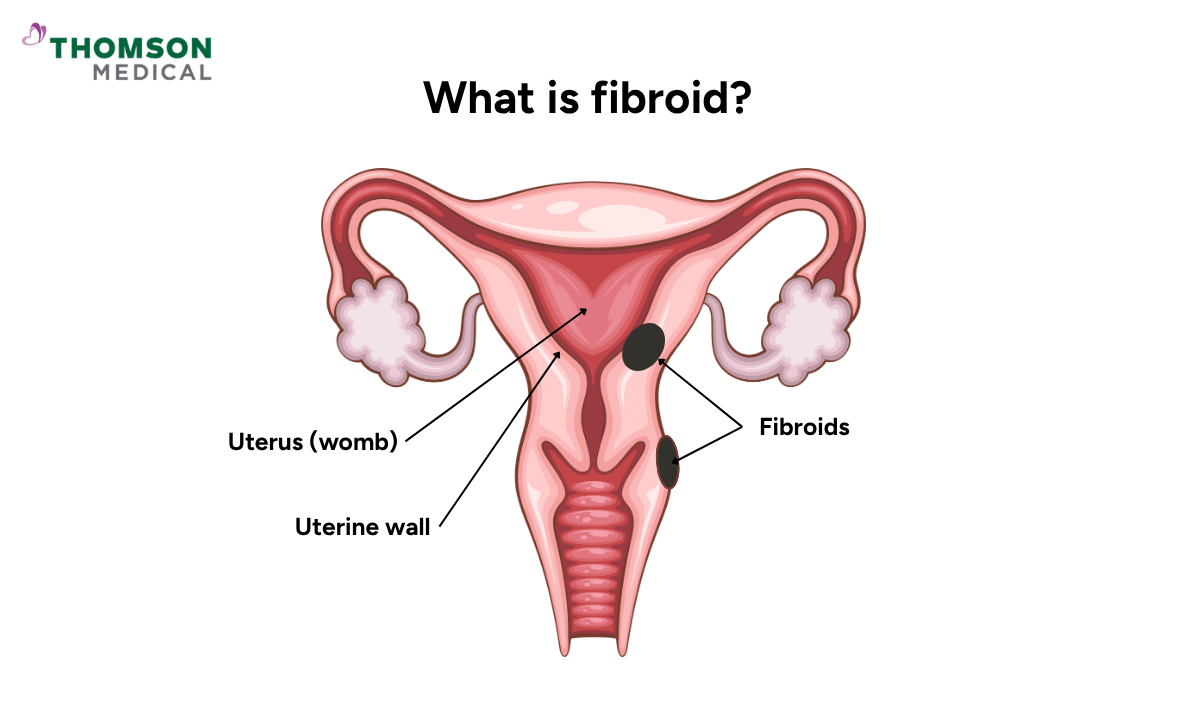
Uterine fibroids are non-cancerous growths made of muscle and fibrous tissue that develop within or on the womb. They are very common during the reproductive years. Many women have them without ever knowing it, because fibroids do not always cause noticeable symptoms.
What causes fibroids?
Fibroids are linked to hormones, especially oestrogen and progesterone. They tend to grow during the reproductive years and may shrink after menopause. You may be more likely to develop fibroids if you:
Have a family history of fibroids
Started your periods at a younger age
Have a higher body weight
Symptoms of fibroids
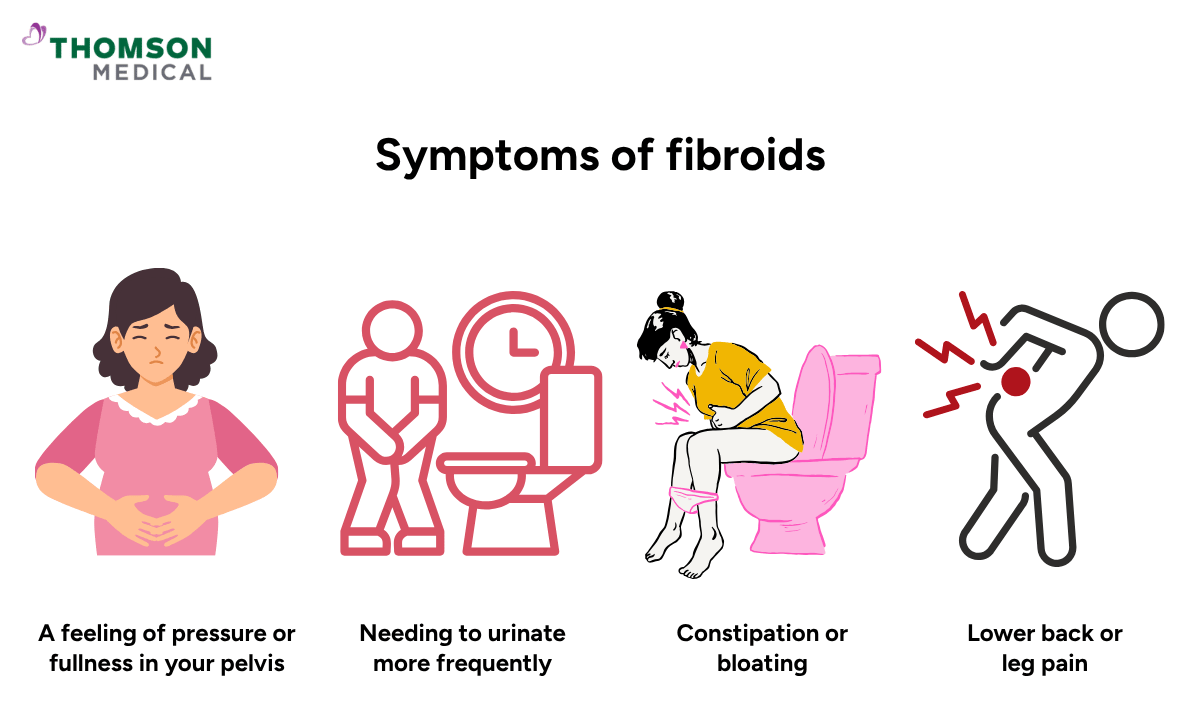
Unlike endometriosis, fibroid symptoms tend to be related to pressure and heavy bleeding rather than sharp or inflammatory pain. You might notice:
Heavy or prolonged periods
A feeling of pressure or fullness in your pelvis
Needing to urinate more often
Constipation and bloating
Lower back or leg pain
Pain during sexual intercourse
The severity of your symptoms often depends more on the size and position of your fibroids rather than their number. Even one fibroid in a sensitive area may cause noticeable symptoms, while several smaller ones in other places may not affect you as much.
Types of fibroids
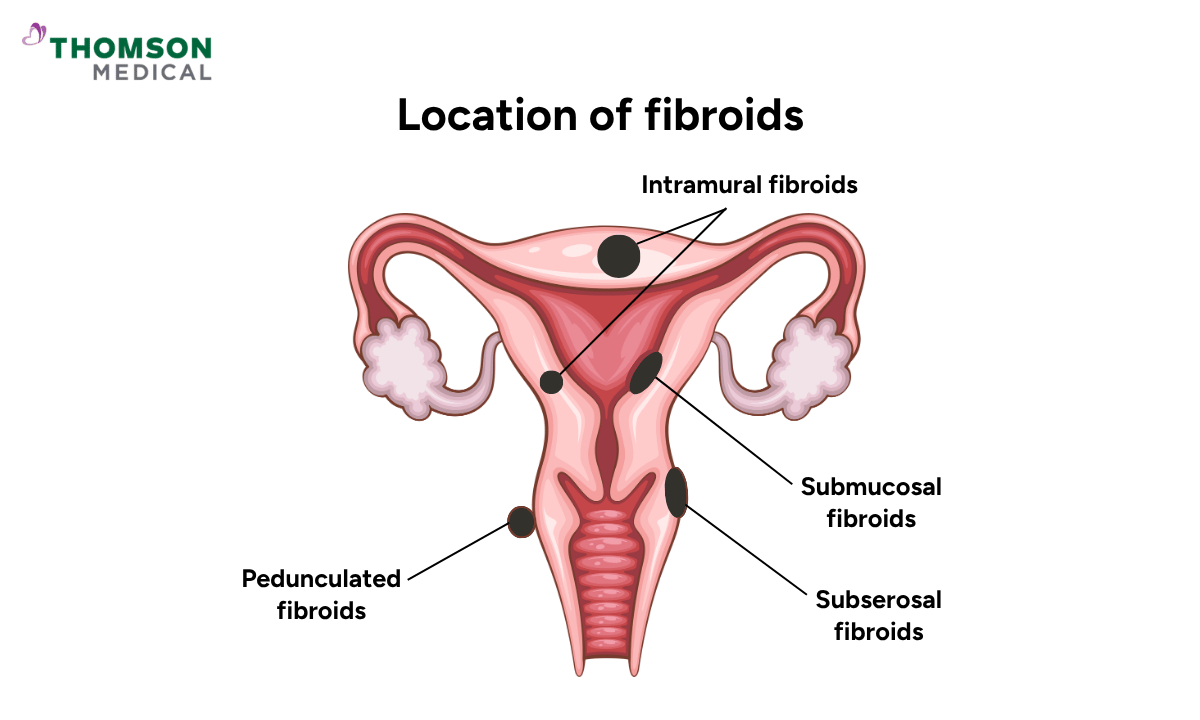
Fibroids are classified by where they grow in or around your uterus. Their location largely determines which symptoms you are most likely to experience.
The four main types are:
Submucosal fibroids: these grow inside your uterine cavity
Intramural fibroids: which grow within the wall of your uterus
Subserosal fibroids: which grow on the outer surface of your uterus and are more likely to press on nearby organs such as the bladder or bowel
Pedunculated fibroids: these are attached to your uterus by a stalk and may cause sudden pain if the stalk becomes twisted
As pelvic pain, heavy periods, or difficulty conceiving may be linked to endometriosis or fibroids, it could be difficult to know which condition you have. Request an appointment with Thomson Medical for an evaluation, as well as to discuss the treatment options that may be suitable for you.
Our O&G specialists
Loading...
Differences between endometriosis and fibroids
Although both conditions affect the uterus and may impact periods and fertility, they work in different ways. The table below outlines the differences between the two conditions:
| Endometriosis | Fibroids | |
|---|---|---|
What it is | Tissue growing outside your uterus | Non-cancerous growths on or inside your uterus |
Main type of pain | Inflammatory, often sharp and severe | Pressure-related, dull and heavy |
Periods | Often painful and irregular | Often heavy and prolonged |
Bowel symptoms | Pain when using the bathroom | Constipation from pressure |
Appearance on imaging | Not always visible | Often detectable as a mass |
Fertility impact | Could affect fertility | Could affect fertility in some cases |
If you are trying to understand which condition may apply to you, keeping a note of when your symptoms happen, how long they last, and what they feel like may help your doctor make a clearer assessment.
If your symptoms are worse around your period, this may suggest endometriosis. If they feel constant or are related to pressure in your pelvis, it might be linked to fibroids.
Could you have both at the same time?
Yes, it is possible to have both endometriosis and fibroids at the same time. When this happens, symptoms may overlap and be difficult to tell apart.
However, one common misconception is that the two conditions are linked, but endometriosis does not lead to fibroids, and fibroids do not cause endometriosis. They are two separate conditions that could happen together in some women.
If you have both, your doctor will usually look at each condition separately to understand how much it is affecting your symptoms. From there, your treatment plan may address both together or focus more on the one that is having the biggest impact on your daily life.
How are they diagnosed?
Finding out whether you have fibroids or endometriosis requires more than symptom assessment alone. The tests needed and the time it takes may vary depending on your condition.
Diagnosing endometriosis
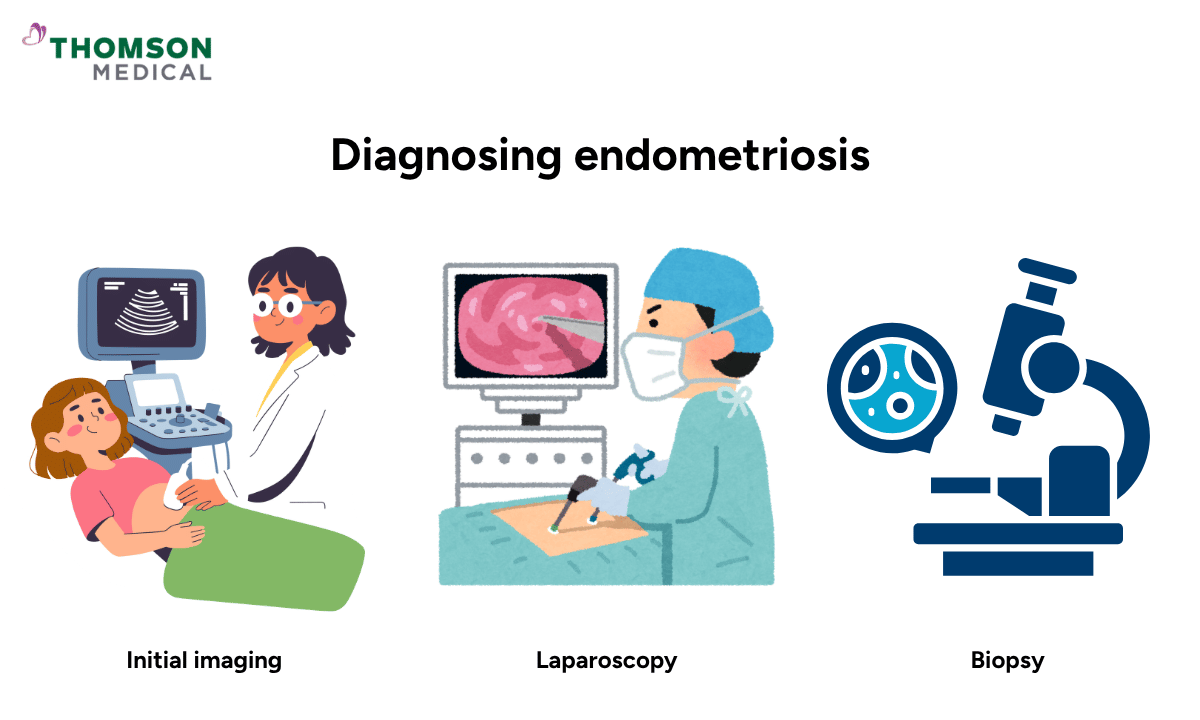
Endometriosis may be hard to diagnose because its symptoms often overlap with those of other conditions, and there is currently no single blood test that could confirm it.
The process usually involves:
Initial imaging:
Your doctor may begin with an ultrasound or MRI scan to check for ovarian cysts, which may sometimes be associated with endometriosis.
These scans are a helpful starting point but cannot confirm the condition on their own.
Laparoscopy:
A laparoscopy remains the most reliable way to confirm endometriosis.
During this procedure, your surgeon makes a small incision and uses a tiny camera to examine the inside of your abdomen and pelvis directly.
It is performed under general anaesthesia and is often carried out as a day procedure.
Biopsy:
If any suspicious tissue is found during the laparoscopy, a small sample is taken and examined under a microscope. This confirms whether the tissue is consistent with endometriosis.
The results give your doctor a clearer picture to work from, including whether surgery to remove the tissue may be an option for you.
Diagnosing fibroids
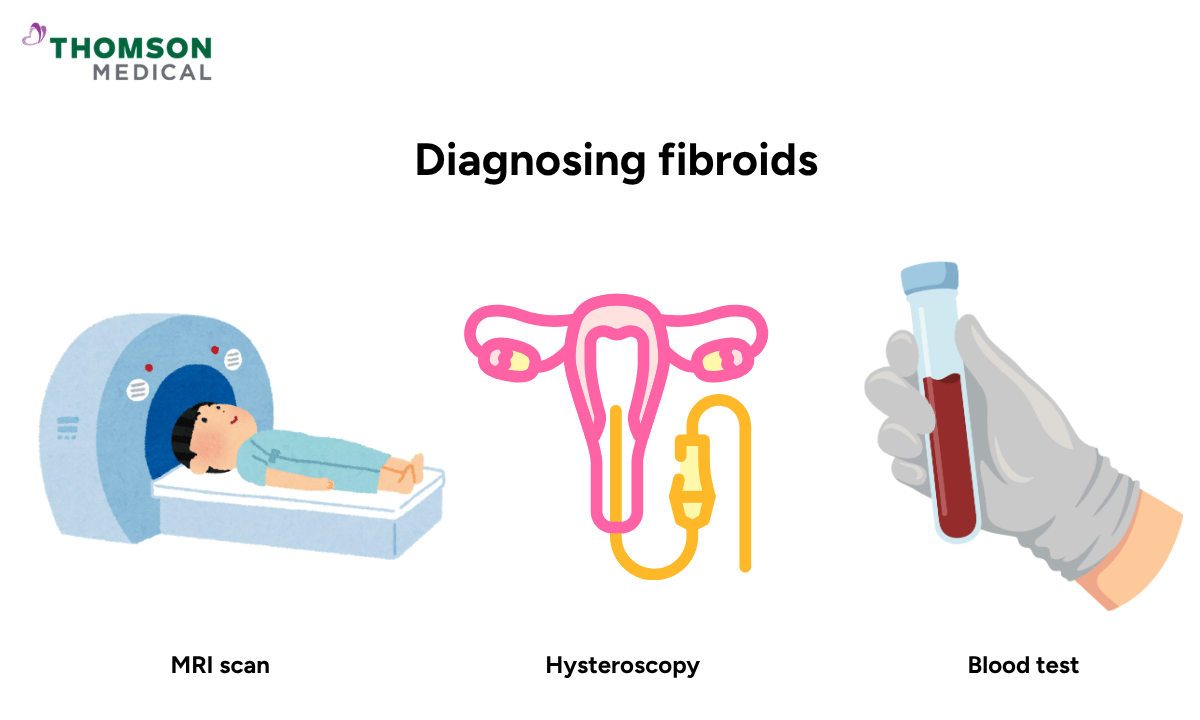
Fibroids are generally easier to detect and could often be confirmed without surgery.
Your doctor may use:
An ultrasound to show the size, number, and location of fibroids.
An MRI for a more detailed picture, especially if surgery is being considered.
A hysteroscopy, where a small camera is gently placed inside your uterus to examine it more closely.
Blood tests to check for anaemia if you have been experiencing heavy menstrual bleeding.
However, as fibroids often cause no symptoms, they are sometimes spotted during a routine scan carried out for a different reason.
Unsure what’s behind your pelvic discomfort? Request an appointment with Thomson Medical. Our specialists may recommend suitable imaging or other related procedures to confirm a diagnosis and guide your care.
What are the treatment options?
Treatment for both conditions depends on your symptoms, your age, and whether you are planning to have children.
Treating endometriosis
Managing endometriosis often focuses on relieving pain and slowing the growth of tissue.
Your doctor may recommend:
Hormonal birth control: options such as the pill or hormonal coil may help manage pain and reduce bleeding.
GnRH agonists or antagonists: these medicines may help lower oestrogen levels in your body to help slow tissue growth.
Progestogens: these may help slow the progression of the condition.
Pain relief medication: this may help with day-to-day symptom management.
Laparoscopic surgery: this may be used to remove or destroy endometriotic tissue.
For some people, a combination of treatments works best, with hormonal treatment often continued afterwards to reduce the chances of the condition returning.
Treating fibroids
Fibroid treatment depends on the size and location of your fibroids, your symptoms, and whether preserving fertility is your priority.
Your doctor may recommend:
Hormonal therapy: this may help manage symptoms and reduce fibroid growth.
Tranexamic acid: this may help reduce heavy bleeding during your period.
Uterine artery embolisation: this procedure blocks the blood supply to fibroids, causing them to shrink.
Myomectomy: this is surgery to remove fibroids while keeping the uterus intact.
Hysterectomy: this involves removing the womb. It is usually considered when other options have not provided relief and you do not plan to have children in the future.
As fibroids may change in size over time, your treatment may need to be reviewed and adjusted as your symptoms change. Your doctor will guide you through what to expect at each stage.
FAQ
Which is more painful, endometriosis or fibroids?
Endometriosis often causes more intense pain that feels deep and persistent, such as severe menstrual cramps or pelvic discomfort. Fibroids usually lead to pressure, bloating, or heavy bleeding, though large fibroids can sometimes be painful as well.
Can endometriosis or fibroids cause infertility?
Yes. Both conditions can affect fertility by interfering with egg movement, implantation, or the uterine environment, depending on their size, number, and location.
Do endometriosis and fibroids go away on their own?
In most cases, they do not resolve on their own. They may improve after menopause due to lower hormone levels, but they rarely disappear during the reproductive years without treatment.
Can birth control help treat endometriosis or fibroids?
In many cases, hormonal birth control can help reduce pain caused by endometriosis and control heavy bleeding from fibroids. However, it does not permanently treat either condition.
Is a hysterectomy the only cure for endometriosis or fibroids?
For fibroids, a hysterectomy is considered a long-lasting treatment option for women who do not wish to have any more children. For endometriosis, it may help to reduce symptoms, but this is not guaranteed, particularly if endometriotic growths remain outside the uterus.
Can diet and lifestyle changes help manage endometriosis or fibroids?
Yes. While not a cure, healthy habits can help ease symptoms:
- Regular exercise, which can support hormone balance and reduce discomfort.
- An anti-inflammatory diet, such as one rich in vegetables, grains, and oily fish, may help reduce pain and bloating.
- Maintaining a healthy weight, as excess body fat can influence oestrogen levels.
- Stress management, including rest, gentle movement, or mindfulness practices.
- Limit alcohol and processed foods, which may worsen hormonal symptoms.
The information provided is intended for general guidance only and should not be considered medical advice. For personalised recommendations and tailored advice based on your unique conditions, request a consultation with Thomson Medical.
For more information, contact us:
Thomson Specialists (Women's Health)
Thomson Women's Clinic (TWC)
- Novena:
6592 6686 (Call), 8611 8986 (WA) - Bukit Batok:
6569 0668 (Call), 8686 3525 (WA) - Choa Chu Kang:
6893 1227 (Call), 8282 1796 (WA) Jurong:
6262 8588 (Call), 6262 8588 (WA)- Katong (female doctor):
6970 2272 (Call), 8611 9020 (WA) - Punggol:
6243 6843 (Call), 8811 0328 (WA) - Sembawang: 6753 5228
- Sengkang: 6388 8125
- Serangoon (female doctor): 6382 3313
- Tampines: 6857 6266
- Tiong Bahru: 6276 1525