

If you've recently been diagnosed with fibroids, it's normal to assume that surgery is the only path forward. However, the reality is that many women manage these growths without ever stepping into an operating theatre.
Depending on the size, location, and symptoms of your fibroids, your gynaecologist may suggest fibroid treatment without surgery, including medication, hormonal therapy, or minimally invasive procedures. Knowing your options puts you in a better position to decide what feels right for your body.
What are uterine fibroids?
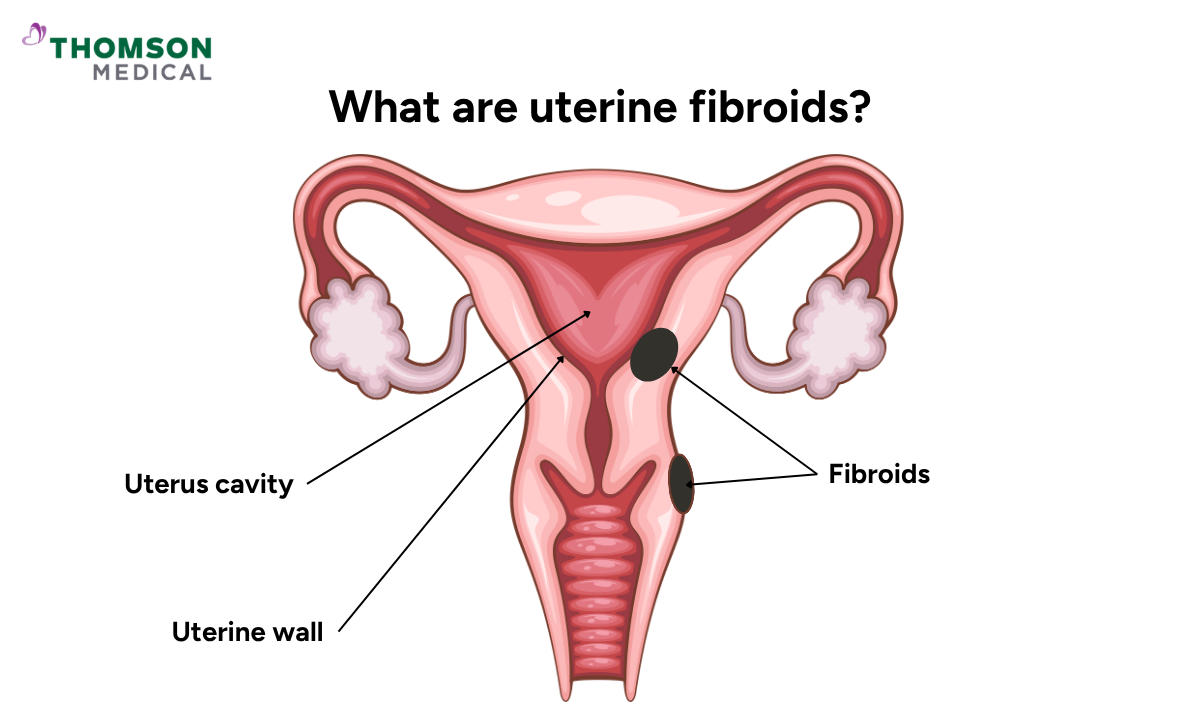
Uterine fibroids are benign (non-cancerous growths) that develop in or around the uterus. Research suggests that up to 80% of women have fibroids by the age of 50, yet the majority experience mild symptoms or even none at all. Of those who do need treatment, many manage their condition well without surgery.
When symptoms do appear, you might notice:
Prolonged and heavy menstrual bleeding
Frequent urination
Lower back pain
Pelvic pain or pressure
Bloating
The severity of these symptoms, rather than the fibroids themselves, usually guides whether treatment is needed. Not all fibroids need treatment, but recognising these symptoms helps you and your doctor decide if and when to act.
What are the non-surgical fibroid treatments?
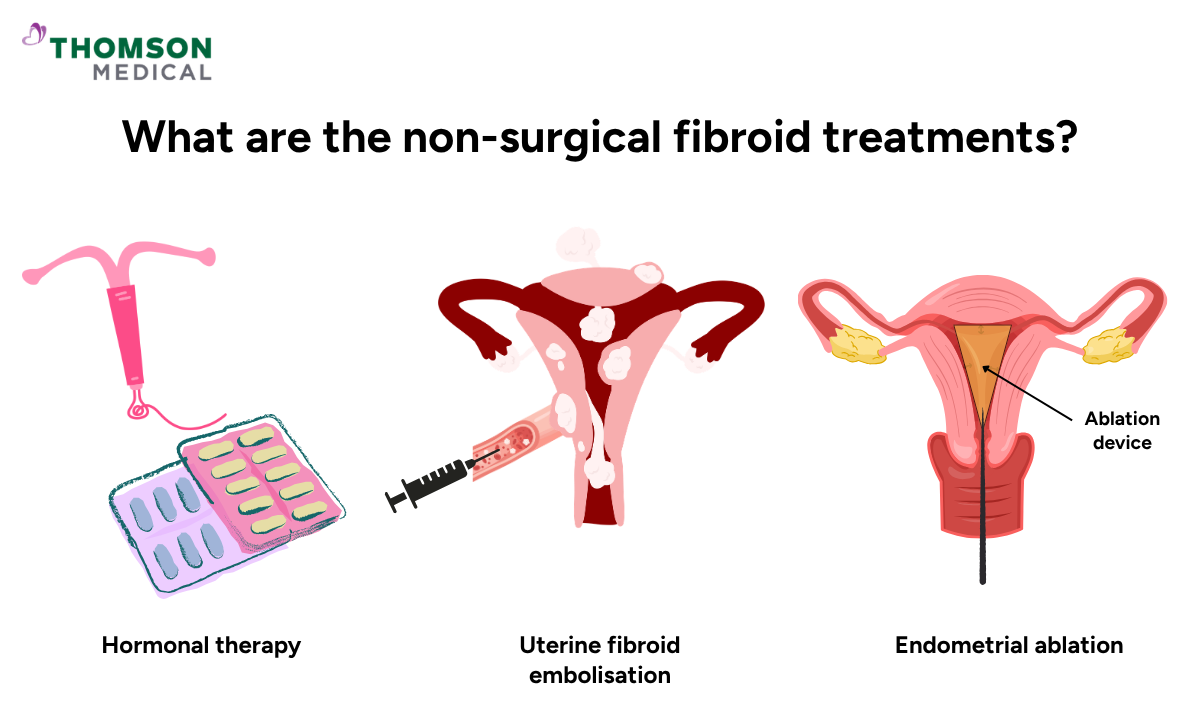
Surgery is one option, but depending on your symptoms and fibroid characteristics, several treatments that don't involve surgery may offer relief. These range from medication to minimally invasive procedures.
Pain relief medication
Common pain relievers such as paracetamol and NSAIDs (a group of medicines that includes ibuprofen) can ease pelvic pain and cramping. NSAIDs may also help reduce the amount of bleeding during your period in some women.
If heavy bleeding has led to low iron levels, your doctor may recommend iron supplements to address anaemia.
Hormonal therapy
Hormonal therapy works by regulating the hormones that influence fibroid growth and menstrual bleeding. It does not eliminate or shrink fibroids alone, but it can ease symptoms significantly, making it a practical option for many women who wish to avoid surgery or preserve fertility.
Common hormonal options include:
Oral contraceptive pills, which can reduce bleeding and ease cramping
Hormonal injections, which may help control bleeding and hormonal fluctuations
A hormonal IUD, a small device placed inside the uterus that can significantly reduce heavy periods
Hormonal therapy is generally most effective for managing bleeding and discomfort rather than reducing fibroid size. It is often used as a medium-term solution, on its own or while other options are being considered.
GnRH agonists
GnRH agonists are medicines that lower oestrogen levels in your body, which can cause fibroids to shrink.
They are often used for a few months, for example, to reduce fibroid size before a procedure or to manage symptoms while you await treatment. Because they can reduce bone density over time, they are used under close medical supervision and are not suitable for extended use.
Uterine fibroid embolisation
Uterine fibroid embolisation (UFE) is a minimally invasive procedure. A thin tube is guided through a small incision in the wrist or groin to the blood vessels feeding the fibroids.
Small particles are then injected to block the blood supply, causing the fibroids to shrink over time. Most women go home the same day and return to normal activities within one to two weeks.
UFE may not be suitable if you are planning a future pregnancy, and it tends to work better for some fibroid types than others.
Radiofrequency ablation
Radiofrequency ablation uses ultrasound imaging to locate fibroids, then delivers heat energy to shrink the tissue. Depending on the technique, it may be performed through the cervix or through small abdominal incisions.
The suitability of this procedure depends on factors such as fibroid size, number, location and the technique used. Recovery is generally quick, and the uterus remains intact, which may suit women who wish to retain their fertility.
Although it preserves the uterus, the lasting effects on fertility are still being studied. If you are planning a future pregnancy, this is something to discuss carefully with your doctor.
Endometrial ablation
Endometrial ablation treats the lining of the uterus (the endometrium) using heat energy, which can significantly reduce or stop heavy menstrual bleeding. This is usually a short and straightforward procedure.
It does not remove fibroids but targets the bleeding they cause. This option is suitable only if you are not planning future pregnancies.
Discussing your fertility plans early helps your doctor recommend treatments that ease your symptoms while preserving your options for the future.
Not sure which non-surgical fibroid treatment is right for you? Request an appointment with Thomson Medical for a personalised consultation based on your symptoms and fertility plans.
What should you consider when choosing a treatment?
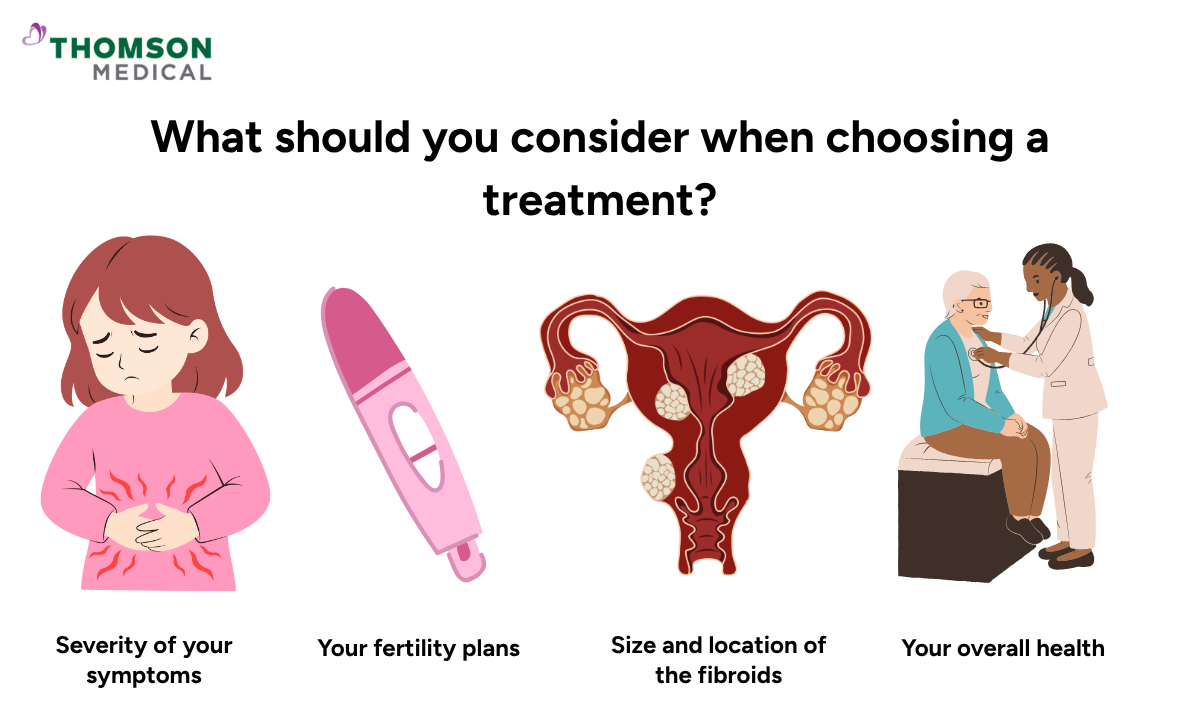
Fibroid treatment looks different for every woman. What works well for one woman may not be appropriate for another. Several factors will shape what is most suitable for you, and your doctor will want to consider all of them together.
Severity of your symptoms
Mild symptoms that do not disrupt your daily life may not need active treatment. More significant symptoms usually do need treatment. These can include anaemia from heavy blood loss, or pain that affects your sleep and your ability to work.
Your fertility plans
If you are planning to become pregnant, some treatments are more suitable than others. Procedures that preserve the uterus are generally preferred, while those that affect the lining of the uterus may not be appropriate for you.
Size and location of the fibroids
The size and position of your fibroids can affect which treatments are likely to work best. Some procedures work better for smaller fibroids, while others are better suited to larger fibroids or multiple ones.
Your overall health
Certain medical conditions, such as heart and blood vessel disease or blood clotting disorders, may affect which treatments are considered safe for you.
Your doctor will look at the full picture before recommending a plan. This includes your symptoms, scan findings, health history, and your own priorities. Your preferences matter in this process. Do not hesitate to ask questions and take the time you need to decide.
Our gynaecologists
Loading...
Lifestyle changes that may support symptom management
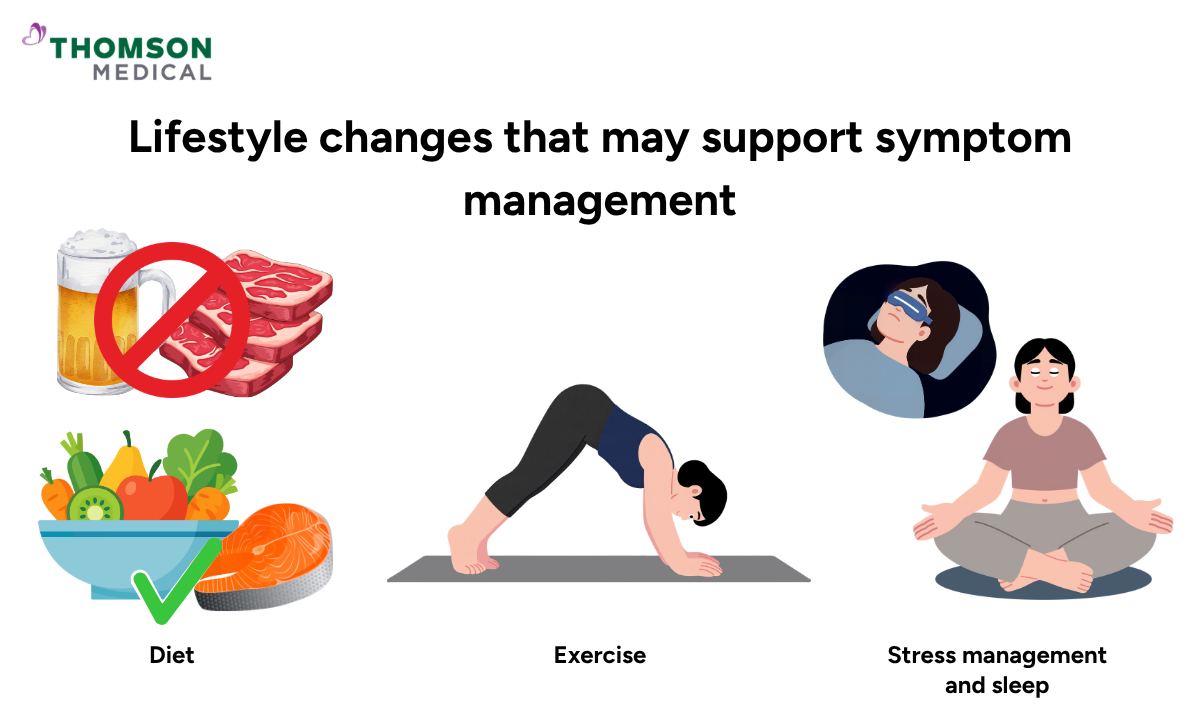
You might feel frustrated that there is no quick lifestyle fix for fibroids. However, certain everyday choices can support hormonal balance, reduce inflammation, and ease symptoms alongside your medical treatment.
While these changes will generally not shrink fibroids on their own, they can help your body manage hormones better and reduce the inflammation that makes symptoms worse.
Diet
Oestrogen plays an important role in fibroid growth, and certain dietary choices may help keep levels in check.
You might find it helpful to:
Eat more foods rich in fibre, such as fruits, vegetables, and whole grains, which help the body clear excess oestrogen through the digestive system
Include foods that contain omega-3 fats, such as oily fish, flaxseeds, and walnuts, which may help reduce inflammation
Limit red meat, processed foods, and dairy that is high in fat, which are associated with higher oestrogen levels
Reduce alcohol intake, as it can interfere with oestrogen breakdown in the liver, and limit caffeine, which may worsen pelvic pain
Weight management
Body fat tissue produces oestrogen, so a higher body weight can contribute to fibroid growth in some women. Maintaining a healthy weight through a balanced diet and regular activity can help moderate oestrogen levels.
Exercise
Regular, moderate exercise helps regulate hormones and reduces inflammation. Gentler activities such as walking, swimming, cycling, and jogging are well suited for most women with fibroids. Very intense exercise or movements that strain the abdomen are best avoided when symptoms flare.
Stress management and sleep
Persistent stress raises cortisol levels, which can disrupt oestrogen and progesterone balance and worsen symptoms. Calming practices such as mindfulness, yoga, or breathing exercises done regularly can help.
Poor sleep also weakens your immune system and raises inflammation in the body. Aiming for seven to nine hours per night can support your body's ability to manage symptoms.
While these changes will not make fibroids disappear, they give you practical steps you can take alongside medical treatment. Even small adjustments can make symptoms easier to manage.
When might surgery be needed?
Being told you might need surgery can feel like a significant step, especially after trying other approaches.
Non-surgical treatments can provide effective relief for many women, but there are situations where they may not be sufficient. Surgery becomes a consideration when fibroids are causing significant harm to your health or quality of life, or when other treatments have not provided adequate relief.
Your doctor may recommend surgery if:
Fibroids are causing significant symptoms such as severe anaemia, significant pain, or bladder and bowel problems that have not responded to other treatments
Fibroids are large, growing, or affecting fertility or pregnancy plans
You have not had adequate relief from medical treatments or minimally invasive procedures
You have completed your family and are looking for a more permanent solution
Surgery may also be the right choice when your quality of life is significantly affected and other options have not helped.
Many women manage fibroids effectively with the right treatment plan in place. Understanding your full range of options means you can approach your next appointment with specific questions about which treatments might suit your situation.
Choosing the right treatment can feel complex, especially when balancing symptoms and fertility goals. Request an appointment with Thomson Medical to explore options tailored to your circumstances.
FAQ
How can I shrink my fibroids naturally?
Lifestyle measures such as eating a balanced diet, staying physically active, maintaining a healthy weight, limiting alcohol and caffeine intake, and managing stress may support overall health and help manage fibroid growth. However, natural approaches alone are unlikely to significantly shrink fibroids.
What are the signs of fibroids shrinking?
You may notice some of the following signs as fibroids shrink:
- Reduced pelvic pain or pressure
- Less frequent urination
- Lighter menstrual bleeding
- Improved energy levels
Can non-surgical treatments eliminate fibroids completely?
Non-surgical treatments can effectively shrink fibroids and relieve symptoms, but they rarely eliminate fibroids completely.
How long does it take for fibroids to shrink with medication?
Fibroids may begin to shrink within two to three months of starting medication. Noticeable reduction is typically seen after three to six months of treatment, particularly with medications such as GnRH agonists. Your doctor can give you a clearer idea of what to expect based on your specific situation.
Are there any risks with non-surgical fibroid treatments?
Yes, all treatments carry some risk, although non-surgical options are generally considered less invasive than surgery. Possible risks include:
- Fibroid recurrence
- Temporary symptoms such as pain, mild fever, nausea, or vomiting (sometimes called postembolisation syndrome, a brief reaction that may occur after UFE)
- Infection
- Injury to nearby structures
- Incomplete treatment
How are fibroids managed during pregnancy?
Many women with fibroids go on to have healthy pregnancies. In most cases, fibroids during pregnancy are managed with close monitoring. Rest and avoiding excessive physical strain may be recommended.
Some women with large or complicated fibroids may require hospital care due to risks such as pain, bleeding, miscarriage, or preterm labour. In selected cases, surgery or early delivery may be considered based on what is best for you and your baby.
The information provided is intended for general guidance only and should not be considered medical advice. For personalised recommendations and tailored advice based on your unique situations, please consult a specialist at Thomson Medical. Request an appointment with Thomson Medical today.
Reference:
OHSU Center for Women's Health. (n.d.). Fibroids: More common than you think. https://www.ohsu.edu/womens-health/fibroids-more-common-you-think
For more information, contact us:
Thomson Specialists (Women's Health)
Thomson Women's Clinic (TWC)
- Novena:
6592 6686 (Call), 8611 8986 (WA) - Bukit Batok:
6569 0668 (Call), 8686 3525 (WA) - Choa Chu Kang:
6893 1227 (Call), 8282 1796 (WA) Jurong:
6262 8588 (Call), 6262 8588 (WA)- Katong (female doctor):
6970 2272 (Call), 8611 9020 (WA) - Punggol:
6243 6843 (Call), 8811 0328 (WA) - Sembawang: 6753 5228
- Sengkang: 6388 8125
- Serangoon (female doctor): 6382 3313
- Tampines: 6857 6266
- Tiong Bahru: 6276 1525