

Learning you have an ovarian cyst can feel unsettling. Even when your doctor explains that most cysts are harmless and often settle on their own, it is natural to wonder what you can do to support your body in the meantime.
While diet cannot cure ovarian cysts, certain foods may help manage symptoms and support overall hormonal health. Understanding which foods may ease inflammation or stabilise blood sugar, and which ones may aggravate symptoms, can help you make thoughtful choices as you care for your ovarian health.
What are ovarian cysts?
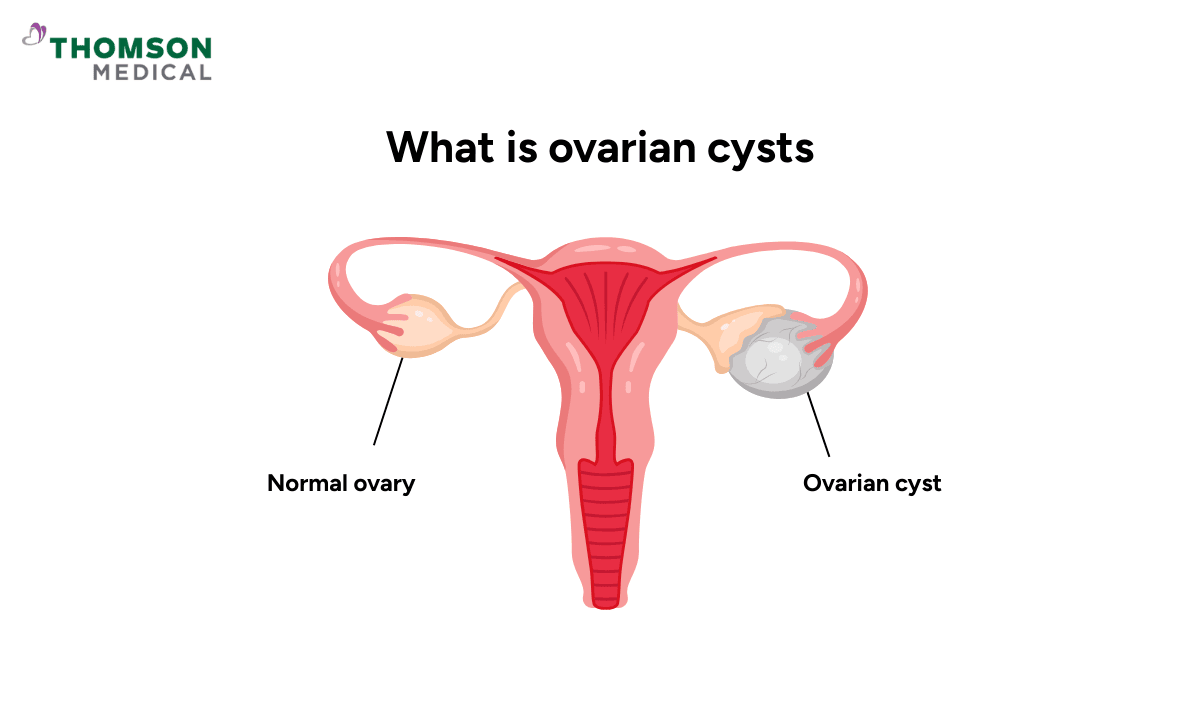
Ovarian cysts are fluid-filled sacs that form on or inside one of your ovaries. They’re completely harmless and just a natural part of your menstrual cycle.
If you’re diagnosed with ovarian cysts, it’s understandable to feel concerned.
However, it’s important to remember that ovarian cysts are usually:
Common:
Many women have ovarian cysts at some point in their lives without even knowing it, as the cysts often cause no symptoms at all.
Benign:
The vast majority of ovarian cysts are non-cancerous.
Temporary:
Most cysts form during ovulation and go away on their own within a few months.
Manageable:
Even when they cause symptoms, such as pelvic pain or bloating, there are effective ways to manage them.
Having a cyst doesn’t mean something is wrong with your health or fertility. If your doctor finds a cyst during your routine check-ups, they will suggest monitoring it with follow-up ultrasounds. This helps them catch any changes early and make sure the cyst doesn’t cause any concerns.
How diet affects ovarian cysts
If you've been diagnosed with ovarian cysts, you might be wondering whether changing your diet could help.
The truth is, diet doesn’t directly cause or cure ovarian cysts. However, what you eat can have a great impact on your experience with the cysts.
Your dietary choices can influence your:
Hormone balance:
Some foods can help your hormones work smoothly.
Inflammation levels:
What you eat can either calm or increase inflammation in your body.
Insulin regulation:
Insulin is the hormone that controls your blood sugar levels. When you eat foods high in sugar, they can cause your insulin to spike, which disrupts other hormones, especially if you have polycystic ovarian syndrome (PCOS).
These three factors affect how cysts form, grow, and cause symptoms. When they are balanced, you may notice that your symptoms, such as pain, bloating, or irregular periods, feel less intense.
Maintaining this balance through a supportive diet helps your body function smoothly and heal more effectively.
If you've been diagnosed with an ovarian cyst or are experiencing symptoms, schedule an appointment with Thomson Medical to get the personalised care and support you deserve.
Our ovarian cyst specialists
Loading...
Food to avoid with ovarian cysts
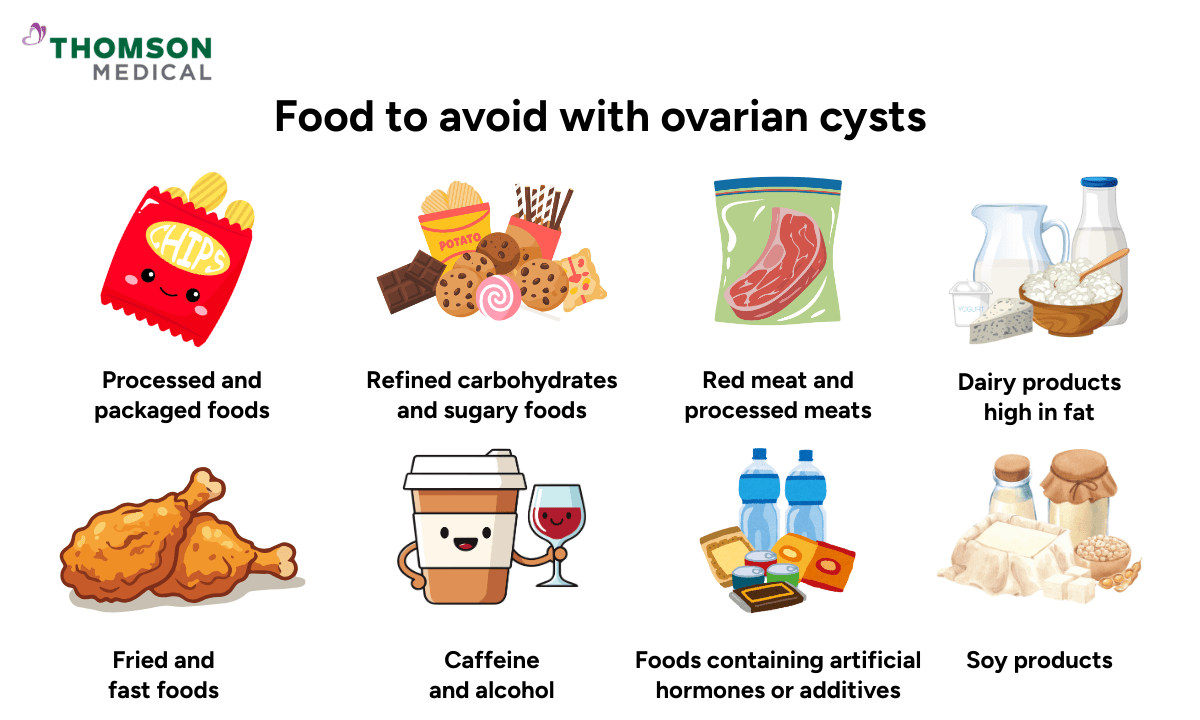
Though no single food causes ovarian cysts, some choices may increase inflammation or disrupt your hormone balance. This may worsen the symptoms you’re experiencing.
Knowing which foods might affect you can help you make informed choices that support your body.
Foods you should be aware of include:
Processed and packaged foods
Chips, instant noodles, and packaged snacks are usually high in salt, unhealthy fats, and additives that your body doesn’t need. These ingredients can increase inflammation and make bloating worse.
Refined carbohydrates and sugary foods
They’re found in white bread, pastries, candy, biscuits, and sugary drinks. These foods taste good but can affect how your body manages hormones.
They cause spikes in your blood sugar levels. These spikes can worsen hormonal imbalance, which is especially important if you have PCOS.
Red meat and processed meats
It’s recommended to limit heavily processed meats such as sausages, bacon, and deli meats. When you eat them frequently, they can increase inflammation in your body. This can then make your symptoms feel more uncomfortable.
Dairy products high in fat
Full-fat cheese, cream, and butter are in this category. However, not everyone reacts to dairy the same way.
Listen to your body. If you notice increased bloating or discomfort after eating dairy, it may be a good idea to reduce it.
High-fat dairy may also worsen symptoms for some women, especially if you have PCOS.
Fried and fast foods
Deep-fried foods such as French fries, fried chicken, and other snacks might be tempting, but they’re often high in trans fats.
These fats can significantly worsen inflammation. In some cases, they may also contribute to bloating or digestive discomfort.
Caffeine and alcohol
Too much caffeine may increase anxiety and make you more sensitive to pain. One or two cups of coffee or tea a day are usually fine for most people.
Alcohol, on the other hand, can affect your hormonal balance and may worsen symptoms.
Foods containing artificial hormones or additives
These are usually found in highly processed meats and foods with a long list of ingredients. The concern here is that artificial hormones and additives may interfere with your body’s natural hormone balance.
Soy products
Soy contains plant compounds that act like weak oestrogen in your body. Excessive intake may affect your hormones, especially if you have hormone-sensitive conditions.
However, you don’t need to avoid soy completely unless it bothers you. In fact, small amounts of soy, like a glass of soy milk, are generally safe and can even be healthy.
Seeing some of your favourite foods on this list might feel frustrating. That said, you don’t need to follow a restrictive diet or cut out everything you enjoy. The key here is balance. Just being mindful of how often you eat them can help.
Healthier alternatives to include in your diet
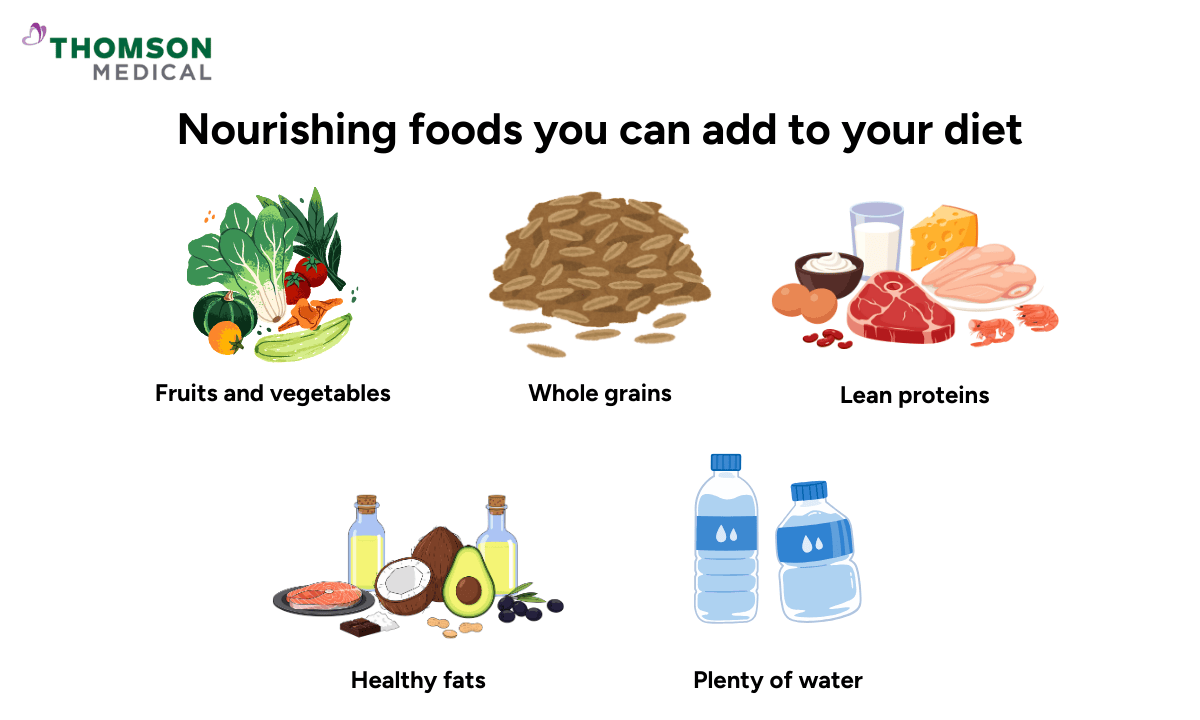
There are many nourishing foods you can add to your diet. They may help balance your hormones, ease inflammation, and give you the energy you need to heal.
They include:
Fruits and vegetables:
Green leafy vegetables like spinach, kale, and bok choy are especially beneficial for hormone health. They also provide vitamins, minerals, and antioxidants that help reduce inflammation.
Whole grains:
Brown rice, oats, quinoa, and whole wheat bread provide steady energy without the blood sugar spikes.
Lean proteins:
Protein is essential for hormone production and helps you feel satisfied after meals. You can find this nutrient in eggs, beans, lentils, fish, and chicken.
Healthy fats:
Nuts, seeds, avocados, and olive oil provide anti-inflammatory omega-3 fatty acids. These fats are crucial for hormone health and help your body absorb important vitamins.
Plenty of water:
Drinking plenty of water helps reduce bloating and flush excess hormones from your body.
These foods work together to support your overall health. That said, you don’t need to change your entire diet overnight. You can start with small changes first, then gradually adjust over time.
If you're feeling uncertain about making dietary changes or want personalised guidance, don't hesitate to reach out to your doctor. They can help you create a diet plan for your specific needs and support your body in managing ovarian cysts.
Lifestyle tips to support ovarian health
Alongside a healthy diet, your lifestyle can have a meaningful impact on how you feel while managing ovarian cysts.
Some practical ways to support your ovarian health include:
Eating regular meals:
Maintaining consistent meal times throughout the day may help keep your blood sugar and hormone levels stable.
Getting enough sleep:
Your body regulates hormones while you sleep. That’s why it’s important to have 7-9 hours of quality rest each night.
Staying physically active:
You don't need intense workouts. Gentle movement, such as walking, yoga, swimming, or dancing, is enough. Regular activity helps with hormone balance, reduces inflammation, and can ease discomfort.
Managing stress:
Stress from work, relationships, or daily life can affect your hormones. Some approaches, such as meditation, spending time with friends, reading, or simply taking deep breaths, can help you unwind.
Tracking your periods and symptoms:
Keeping a simple record of your menstrual cycle and any symptoms helps you and your doctor catch what triggers your discomfort and adjust your treatment plan accordingly.
While lifestyle changes cannot prevent ovarian cysts, these gentle approaches can still help ease your symptoms, support your body’s natural balance, and improve your overall health over time.
Living with ovarian cysts doesn't mean your life needs to feel restrictive. Small, mindful choices in what you eat and how you live can help you feel more comfortable and in tune with your body.
If you need personalised care for your ovarian health, schedule an appointment with Thomson Medical today. Our O&G specialist will evaluate your condition and recommend the right care plan for you.
FAQ
Does avoiding gluten help with ovarian cysts?
For most women, there's no strong evidence that gluten causes or worsens ovarian cysts.
However, if you have gluten sensitivity or coeliac disease, avoiding gluten may help reduce overall inflammation in your body, which could make you feel more comfortable.
Are eggs good or bad for ovarian cysts?
Eggs are generally good for your health. They're high in protein and contain nutrients that actually support your hormone production.
Unless you notice symptoms after eating eggs, like bloating or discomfort, there's no reason to avoid them.
What should I eat to shrink ovarian cysts naturally?
There's no proven food that can shrink cysts. However, a balanced, anti-inflammatory diet may help your body heal naturally and prevent new cysts from forming, especially if you have conditions like PCOS.
Focus on green vegetables such as Brussels sprouts, broccoli, and leafy greens, along with whole grains, lean proteins, and healthy fats.
Can birth control pills affect my diet choices with ovarian cysts?
Birth control pills are sometimes prescribed to help manage ovarian cysts, particularly if you have PCOS or recurring cysts.
While they don't change what you should eat, they can affect how your body processes certain nutrients. Some women find that birth control pills affect their appetite or cause slight bloating.
How long does it take for dietary changes to show results?
Every woman's body is different, so there's no one-size-fits-all answer.
However, many women notice improvements in symptoms such as bloating, energy levels, and mood within 2-4 weeks after making dietary changes. Hormone-related changes may take a bit longer, often 2-3 months.
Should I avoid all soy products completely?
No, you don't need to avoid soy completely. Small to moderate amounts, like a glass of soy milk, are generally safe for most women.
The information provided is intended for general guidance only and should not be considered medical advice. For personalised recommendations and advice based on your unique situation, please consult a specialist at Thomson Medical. Request an appointment with Thomson Medical today.
For more information, contact us:
Thomson Specialists (Women's Health)
Thomson Women's Clinic (TWC)
- Novena:
6592 6686 (Call), 8611 8986 (WA) - Bukit Batok:
6569 0668 (Call), 8686 3525 (WA) - Choa Chu Kang:
6893 1227 (Call), 8282 1796 (WA) - Jurong:
6262 8588 (Call), 6262 8588 (WA) - Katong (female doctor):
6970 2272 (Call), 8611 9020 (WA) - Punggol:
6243 6843 (Call), 8811 0328 (WA) - Sembawang: 6753 5228
- Sengkang: 6388 8125
- Serangoon (female doctor): 6382 3313
- Tampines: 6857 6266
- Tiong Bahru: 6276 1525
Notice
The range of services may vary between TWC/TS locations. Please contact your preferred branch directly to enquire about the current availability.
Request an Appointment