

If you have recently been told that you have gallbladder polyps, it is natural to wonder if you need to change your diet to prevent them from getting bigger. While food alone cannot remove polyps, what you eat can still affect your gallbladder health.
Understanding which foods are better to include in your meals and which ones to limit may help support your gallbladder and keep your digestion feeling more comfortable.
Why do you have gallbladder polyps?
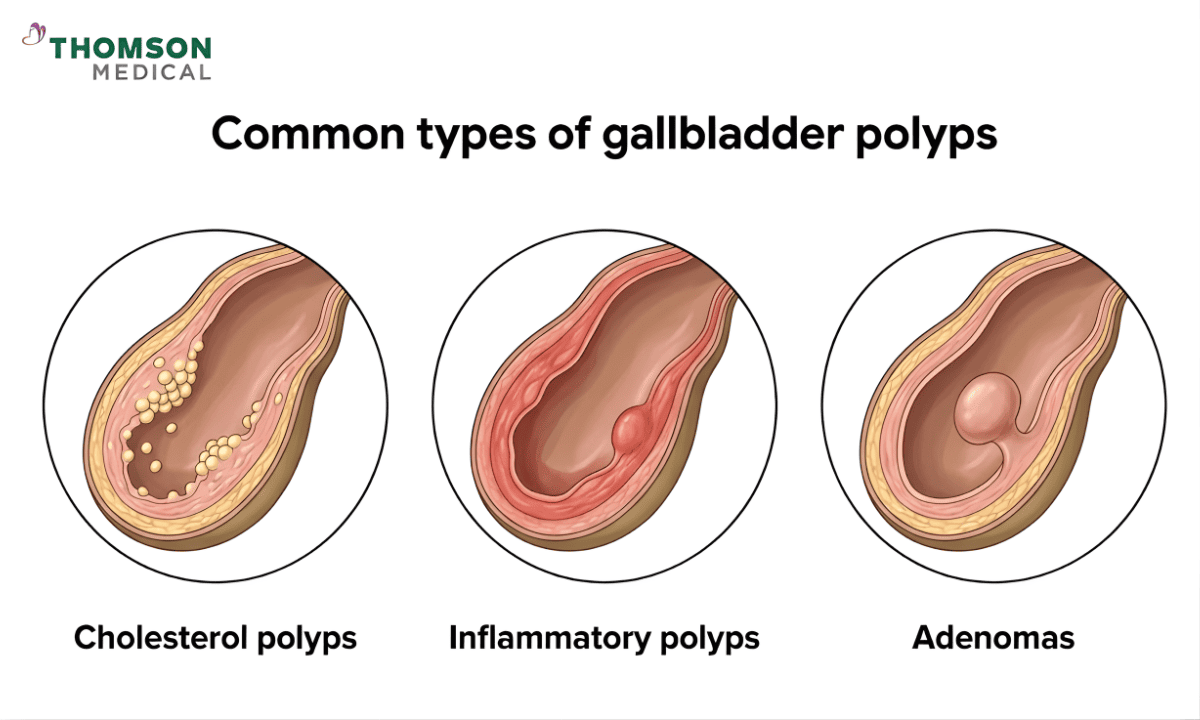
Gallbladder polyps are small growths that protrude from the gallbladder wall. The exact cause is not always clear, but several factors may contribute to their development.
There are a few different types of polyps your doctor might identify:
Cholesterol polyps:
This is the most common type.
They are strongly linked to high cholesterol.
They occur when cholesterol deposits build up inside the organ.
Inflammatory polyps:
These are benign (non-cancerous) growths.
They often arise from chronic gallbladder inflammation.
Adenomatous polyps:
These are benign tumours that have a small potential to become cancerous.
This type may require careful medical monitoring over time.
Understanding the type of polyp you have helps your doctor assess your health risks and decide whether monitoring or treatment is needed.
What are the risk factors of gallbladder polyps?
Risk factors for developing these growths include:
A high body mass index (BMI), which means that your weight falls outside the healthy range for your height
A family history of gallbladder disease
Metabolic syndrome, including high blood sugar, high blood pressure, or abnormal cholesterol levels
To evaluate the polyps and your overall gallbladder health, your doctor may recommend imaging tests such as an abdominal ultrasound or an endoscopic ultrasound. These scans help check the gallbladder and bile ducts and provide a clearer picture of your digestive health.
If you have risk factors for gallbladder polyps or concerns about your gallbladder health, you may arrange a consultation with Thomson Medical to discuss appropriate screening and monitoring options.
Why does diet matter in managing gallbladder polyps?
Your daily diet can play a supportive role in managing gallbladder polyps. It helps you maintain a healthy weight and supports proper fat metabolism.
Weight management
Healthy eating can help with gradual, safe weight loss. Maintaining a healthy weight helps reduce the risk of cholesterol buildup in the gallbladder.
Cholesterol control
A balanced diet can help lower cholesterol levels in the body. This may reduce the buildup of cholesterol in the gallbladder and help prevent new deposits from forming.
Symptom relief
Choosing lighter, less fatty foods can be gentler on the digestive system. This may lower the chances of discomfort or pain in the upper right side of your abdomen and help digestion feel smoother.
While food alone cannot cure the condition, a balanced eating plan may help support overall gallbladder health. Avoiding known food triggers helps maintain your gallbladder health and ensures your digestive system works smoothly.
Our gallbladder specialist
Loading...
What are some foods to include in your diet?
Some foods may be helpful for supporting gallbladder health, particularly those that are low in saturated fat and rich in nutrients.
Some foods to include in your diet include:
Food category | Why it helps | Great examples to try |
High-fiber foods | Helps sweep excess cholesterol safely out of your body | Fresh fruits, colourful vegetables, whole grains, and legumes |
Lean proteins | Much easier for your digestive system to break down | Lean meats, skinless poultry, and mild white fish such as cod or bass |
Healthy fats | Provides essential fatty acids while being gentler on digestion than saturated fats | Olive oil, nuts, and seeds |
Gentle flavourings | May support general digestive comfort | Fresh lemon juice, turmeric, and ginger |
By building sustainable, healthy habits each day, you can create a strong foundation for better digestive health and overall wellbeing.
What are some foods to avoid with gallbladder polyps?
If you have this condition, limiting certain foods may help reduce unnecessary pressure on your gallbladder.
Some foods to avoid include:
Food category | Why avoid it | Examples to limit |
Fatty foods | Forces the gallbladder to contract and work much harder | Heavy fried meals, fatty cuts of red meat, and greasy fast food |
Full-fat dairy | Contains high amounts of saturated fat | Heavy cream, butter, and full-fat cheeses |
Large, heavy meals | Eating a heavy, dense meal all at once can trigger pain | Large portions eaten quickly. Try spreading meals into smaller, lighter portions |
Hidden triggers | These can irritate the digestive system and promote deposits. | Refined sugars and hidden trans fats in baked goods. Always check your food labels |
Highly spicy foods and excessive alcohol should also be avoided, as they may cause digestive discomfort in some people. Maintaining a balanced diet and actively avoiding these common triggers may help support overall gallbladder health.
If you have gallbladder polyps and are unsure how to adjust your diet safely, you may schedule an appointment with Thomson Medical to discuss personalised dietary advice and monitoring for your condition.
FAQ
Should I worry about gallbladder polyps?
Most gallbladder polyps are benign and do not cause symptoms. Small polyps under 10 millimetres are usually considered low risk and are simply monitored with regular scans. If a polyp is larger or grows quickly, or if you have a history of gallbladder disease, your doctor may recommend closer evaluation.
Do you need your gallbladder removed if you have a polyp?
Not always. Surgery is usually considered if a polyp is larger than 10 millimetres, grows rapidly, or causes symptoms. Smaller polyps are often managed with monitoring and regular check-ups.
Is papaya good for gallbladder polyps?
Papaya can be a helpful addition to a balanced diet. It contains fibre and nutrients that support digestion. While it will not shrink polyps, it may help keep your digestive system functioning smoothly.
Can I drink coffee if I have gallbladder polyps?
Moderate coffee intake is generally considered safe for most people. Some research suggests coffee may help stimulate gallbladder emptying, though its effect on polyps specifically is not well-established. However, excessive amounts may cause digestive discomfort in some people, so it is best to pay attention to how your body responds.
Should I avoid dairy with gallbladder polyps?
You may not need to avoid dairy completely, but it is sensible to limit high-fat options. Choosing lower-fat dairy products, such as skimmed or semi-skimmed milk and low-fat yoghurt, can help reduce saturated fat intake.
What vegetables are good for gallbladder polyps?
Vegetables that are high in fibre and nutrients can support digestive health. Good options include leafy greens, broccoli, bell peppers, and courgette.
Can exercise reduce gallbladder polyps?
Exercise cannot remove existing polyps, but regular physical activity supports weight management and healthy fat metabolism. This may help support overall gallbladder health.
The information provided is intended for general guidance only and should not be considered medical advice. For personalised recommendations and tailored advice based on your unique situations, please consult a specialist at Thomson Medical. Request an appointment with Thomson Medical today.
For more information, contact us:
Thomson Medical Concierge
- 8.30am - 5.30pm
- WhatsApp: 9147 2051
Need help finding the right specialist or booking for a group?
Our Medical Concierge is here to help you. Simply fill in our form, and we'll check and connect you with the right specialist promptly.
Notice:
The range of services may vary between Thomson clinic locations. Please contact your preferred branch directly to enquire about the current availability.
Get In Touch