

Gallstones affect around 6% of people in Singapore, though many never experience symptoms. Women are more likely to develop them than men, and the risk increases with age.
Discovering that you have gallstones can feel unsettling, especially if you're experiencing pain or don't know what happens next. You might be wondering what caused them to form, how serious they are, or whether you need treatment.
Understanding what gallstones are, how they develop, and what your options look like can give you a clearer picture going into any conversations with your doctor.
What are gallstones?
Gallstones are small, hardened deposits that form inside your gallbladder, a small organ beneath your liver on the right side of your abdomen. When you eat, your gallbladder releases bile to help digest food.
Sometimes, substances in your bile may harden into stones. When gallstones block the flow of bile, your gallbladder can't release it properly, which is what causes the pain and digestive symptoms you may experience.
Gallstones can be as tiny as a grain of sand or as large as a golf ball. You might develop just one, or you might develop several at the same time.
Who is at risk of developing gallstones?
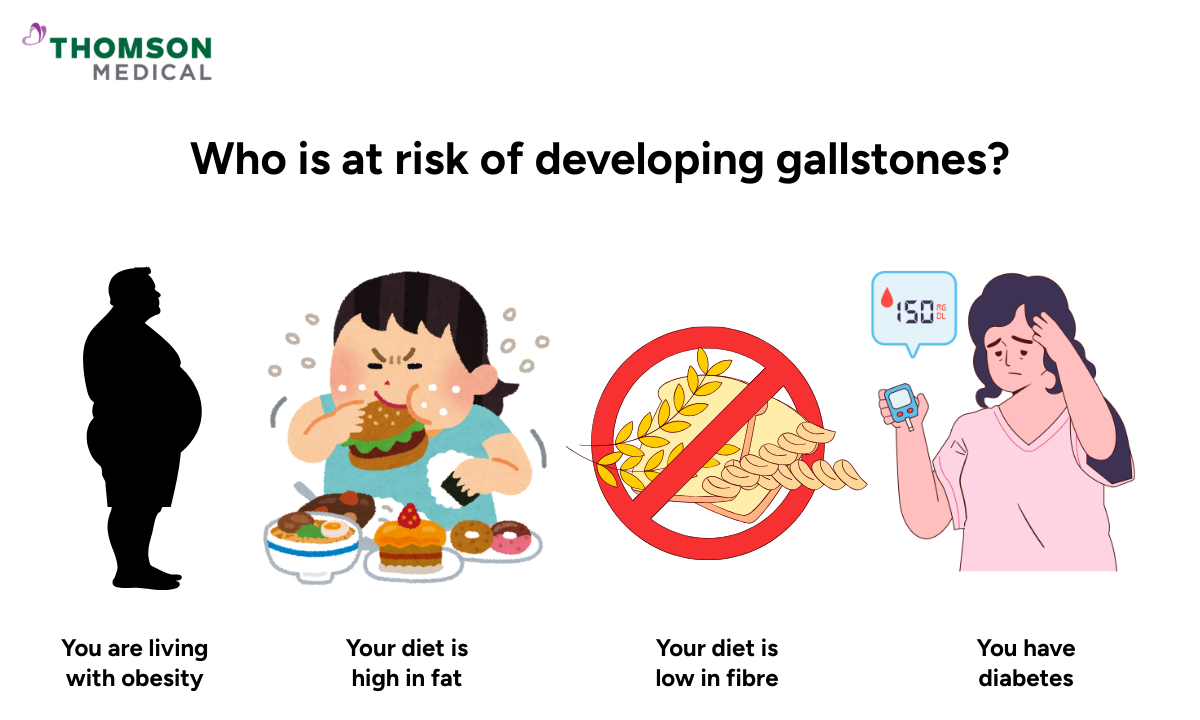
Gallstones can develop quietly, and many people develop them without ever experiencing symptoms. Hence, knowing your risk factors matters so you can be aware and take steps early if needed.
Certain factors increase your likelihood of developing gallstones:
You are over 40 years old
You are a woman
You are living with obesity
Your diet is high in fat and low in fibre
You have lost weight quickly, for example through weight loss surgery
You have a condition such as diabetes or Crohn's disease
Having one or more of these risk factors doesn't mean you'll definitely develop gallstones, but it does mean paying attention to symptoms is worthwhile. If you notice persistent digestive discomfort, especially after eating fatty meals, it may be worth mentioning it to your doctor.
Our specialist
Loading...
What causes gallstones?
Gallstones form when the bile in your body becomes out of balance. The most common reason is having too much cholesterol in your bile.
In some cases, other factors can also play a role:
A build-up of bilirubin:
Bilirubin is a substance your body produces when breaking down red blood cells.
This can happen if you have certain blood or liver conditions, which may lead to pigment stones.
Bile sitting in your gallbladder for too long:
When bile isn't released regularly, it can thicken and harden into stones.
Low levels of bile salts:
Bile salts help keep cholesterol dissolved in your bile. When levels are low, cholesterol is more likely to form stones.
These factors can occur on their own or together, which is why gallstones vary in size, type, and how quickly they develop.
What are the symptoms of gallstones?
Many people with gallstones have no symptoms at all.
If a stone causes a blockage, you may experience:
Sudden, intense pain in the upper right part of your abdomen
Pain in the centre of your abdomen, just below your breastbone
Pain between your shoulder blades or in your right shoulder
Nausea or vomiting
Gallstone pain can last from a few minutes to a few hours. It usually comes in waves, getting stronger before gradually fading. If you notice any of these symptoms, it is worth speaking to your doctor, even if the pain eases on its own.
Where does gallstone pain occur?
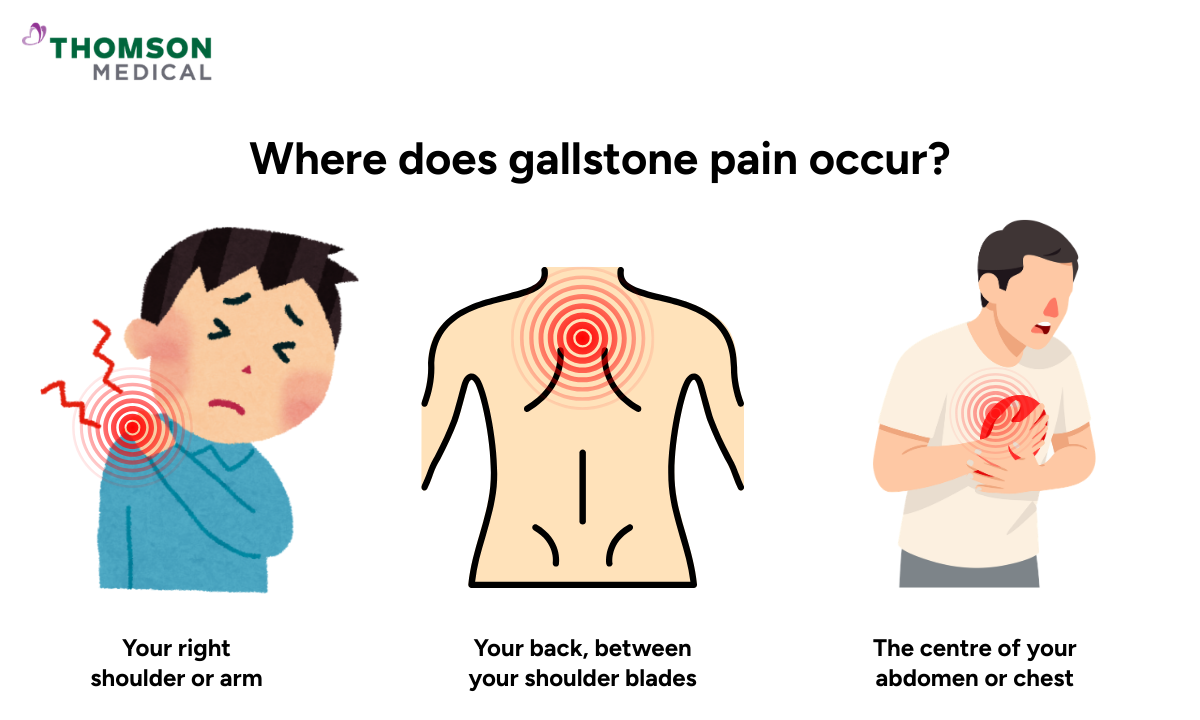
Your gallbladder sits in the upper right side of your abdomen, under your right ribcage. This is where most people feel gallstone pain.
However, the pain can sometimes spread to other areas, including:
Your right shoulder or arm
Your back, between your shoulder blades
The centre of your abdomen or chest
If you are unsure whether the pain you are experiencing is related to your gallbladder, noting where it starts and whether it spreads can help your doctor assess your situation.
What triggers gallstone pain?
Pain occurs when a gallstone becomes lodged in one of your bile ducts, causing a blockage. Eating is one of the most common causes, as it prompts your gallbladder to contract and push bile through the ducts.
Fatty, rich, or heavy meals tend to cause stronger contractions because your body needs more bile to digest them. When a stone is blocking the way, these contractions might cause pain and discomfort, which is why symptoms often come on within an hour or two of eating.
This may feel unsettling, but understanding the connection can help you recognise your patterns and know when to speak to a doctor.
If you notice recurring upper abdominal pain, nausea, or discomfort after meals, request an appointment with Thomson Medical. Our specialists can assess your symptoms, determine whether gallstones may be the cause, and guide you on the appropriate next steps.
Which foods can trigger gallstone symptoms?
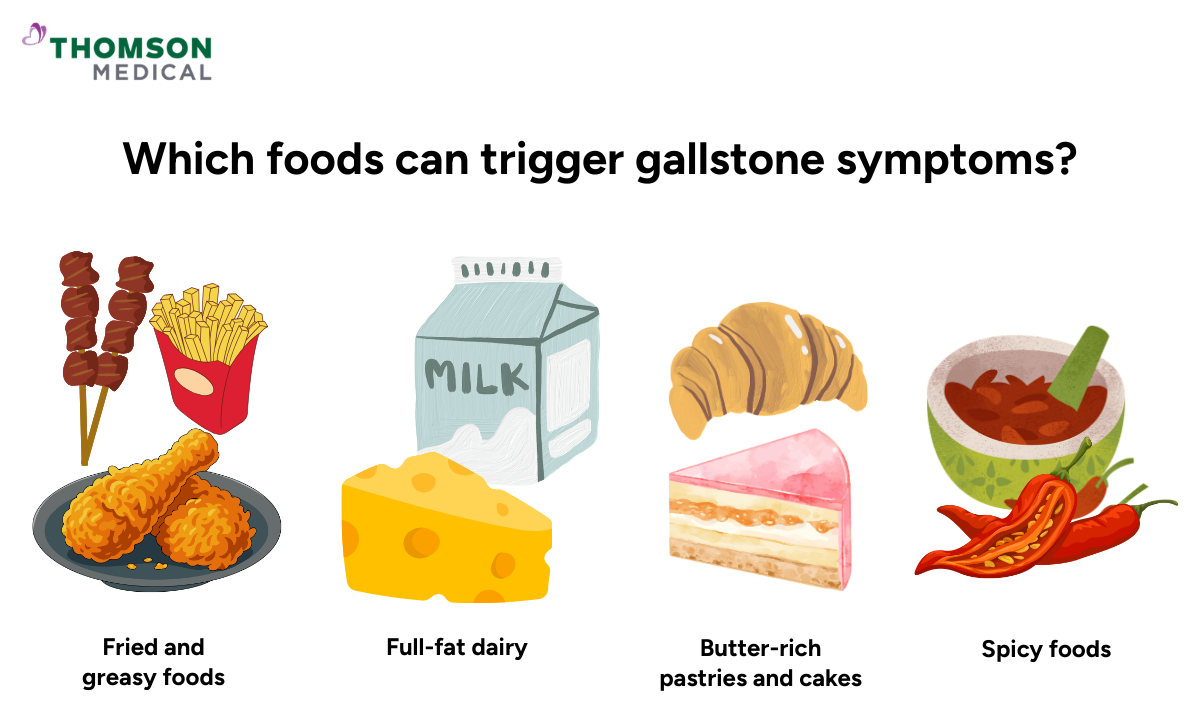
If you have gallstones, certain foods are more likely to cause pain by making your gallbladder contract strongly.
It is worth being mindful of:
Fried and greasy foods
Fatty meats
Full-fat dairy
Creamy sauces and gravies
Butter-rich pastries and cakes
Spicy foods (if they trigger symptoms)
Fizzy drinks and alcohol
You do not need to follow a strict diet forever, but avoiding these foods while you have symptoms or while waiting for treatment can help keep pain to a minimum. Your doctor can offer more personalised guidance on what works for you.
When should you see a doctor?
It’s worth getting checked if the pain keeps coming back, gets worse, or simply doesn’t feel right to you.
You may seek immediate medical attention if you experience:
Severe abdominal pain that makes it difficult to sit still or get comfortable
Yellowing of the skin or whites of the eyes (jaundice)
A high fever with chills
These symptoms can sometimes point to complications such as a blocked bile duct or infection, which need prompt medical assessment and treatment.
How are gallstones diagnosed?
Sometimes gallstones are found by chance during a scan or X-ray for another reason. If you have symptoms, your doctor may recommend an ultrasound scan, which can show whether stones are present and where they are located, alongside blood tests to check for signs of infection or complications.
These are generally straightforward investigations that give you a clear picture of what's happening.
What are the possible complications?
Complications from gallstones are not common, but they can happen. A blockage caused by gallstones may lead to:
Inflammation of your gallbladder (cholecystitis)
Inflammation of your pancreas (pancreatitis)
Jaundice, which can cause yellowing of your skin or eyes, itchy skin, darker urine, and paler stools
These complications are treatable, and knowing the warning signs helps you get help sooner if they develop. This is why doctors take gallstone symptoms seriously even when the gallstones themselves aren't causing you constant problems.
How are gallstones treated?
Not all gallstones need treatment. If yours are not causing symptoms, your doctor may simply recommend monitoring them over time with follow-up appointments.
Treatment is more likely to be needed if:
You are experiencing symptoms
You have developed complications
Gallstones are found in your common bile duct
The approach your doctor recommends depends on whether you're having symptoms now, how severe they are, and whether complications have developed. Many people move through a staged approach, starting with symptom management while surgery is being arranged.
Managing symptoms while waiting for treatment
While you are waiting for surgery, your doctor may advise you to:
Take painkillers such as paracetamol or ibuprofen
Use stronger pain relief if needed for more severe pain
Avoid foods that seem to trigger your symptoms
Follow a lower-fat diet
These steps can help ease your symptoms for a while, but they don't get rid of the gallstones or stop them from coming back. That's why surgery is often recommended if gallstones are causing you ongoing symptoms.
Surgery to remove the gallbladder
Surgery to remove your gallbladder, or cholecystectomy, is the main treatment. It is a common procedure, and your body can function well without a gallbladder. Most people recover well and return to normal eating without long-term digestive issues.
Removing stones from the bile duct
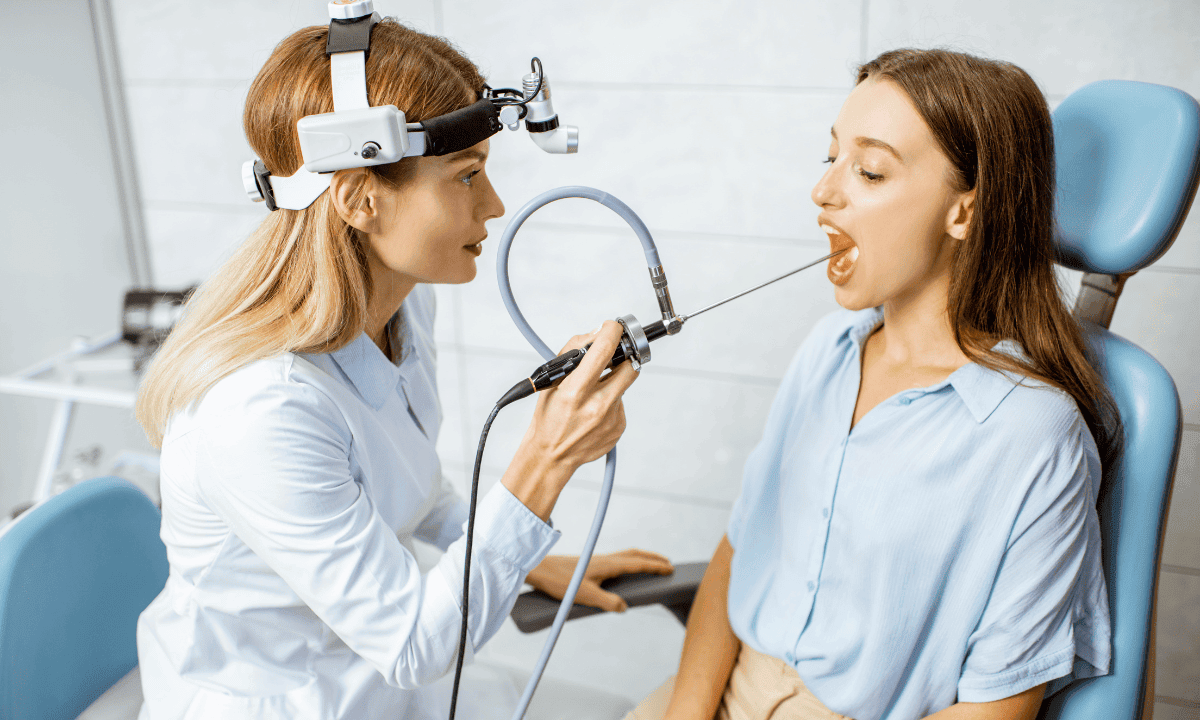
If stones are found in your common bile duct, they may need to be removed with a procedure called Endoscopic Retrograde Cholangiopancreatography (ERCP).
During this procedure, a thin, flexible tube with a small camera is passed through your mouth and into your stomach to reach your bile duct. You will be given medication to keep you sleepy and comfortable throughout.
Your doctor will gently widen the opening of your bile duct so the stones can be removed or pass through more easily. Most people recover well and are able to go home the same day. If you have any concerns, your doctor will guide you through what to expect beforehand.
Can gallstones be prevented?
There is no guaranteed way to prevent gallstones, but some steps may help reduce your risk, particularly for the more common cholesterol stones:
Eat a balanced diet with lower saturated fat and more fibre:
This helps keep your bile balanced and your gallbladder emptying regularly.
Maintain a healthy weight:
Carrying extra weight raises your risk of cholesterol stones forming.
Avoid very rapid weight loss:
Losing weight too quickly can actually increase your risk of developing gallstones, as rapid weight loss causes your liver to release extra cholesterol into your bile.
If you are about to undergo a procedure that may cause rapid weight loss, speak to your doctor. They may be able to advise on whether preventative medication could be helpful for you.
Everyone's risk for gallstones is unique. Request an appointment with Thomson Medical. Our doctors will review your health history and advise whether monitoring, lifestyle adjustments, or treatment is the best approach for you.
FAQ
Can gallstones go away on their own?
It's uncommon for gallstones to disappear without treatment. Small stones may occasionally pass out of your body naturally, but most gallstones that cause symptoms will remain unless treated.
Can gallstones turn cancerous?
Gallstones themselves do not become cancer. However, having gallstones for a long time may slightly increase your risk of gallbladder cancer, though this is rare.
How does it feel to pass a gallstone?
Passing a gallstone can be very painful. You may feel a sudden, sharp pain in the upper right abdomen that can last from a few minutes to several hours. You may also experience nausea, vomiting, or sweating.
What do gallstones look like in the toilet?
Gallstones that pass through your digestive system may appear as small, hard lumps. Their colour can range from yellow or green to dark brown, and they may be smooth or irregular in shape.
Are gallstone symptoms different in women?
The main symptoms are similar for everyone. Women, however, are more likely to develop gallstones, especially during pregnancy or when taking hormonal contraceptives, as higher oestrogen levels can increase cholesterol in bile. Sometimes, women may mistake gallstone pain for period pain, which can delay diagnosis.
Can I live my life with gallstones?
Many people live with gallstones for years without problems, especially if they do not cause symptoms. If symptoms do appear, adjustments such as a lower-fat diet and avoiding triggers can help you manage discomfort, though persistent pain should be checked by your doctor.
The information is intended for general guidance only and should not be considered medical advice. For personalised recommendations and advice based on your unique situation, please consult a specialist at Thomson Medical. Request an appointment with Thomson Medical today.
Reference:
Zhang, F. (2015). Helicobacter pylori infection is associated with gallstones: Epidemiological survey in China. World Journal of Gastroenterology, 21(29), 8912. https://doi.org/10.3748/wjg.v21.i29.8912
For more information, contact us:
Thomson Medical Concierge
- 8.30am - 5.30pm
- WhatsApp: 9147 2051
Need help finding the right specialist or booking for a group?
Our Medical Concierge is here to help you. Simply fill in our form, and we'll check and connect you with the right specialist promptly.
Notice:
The range of services may vary between Thomson clinic locations. Please contact your preferred branch directly to enquire about the current availability.
Get In Touch