

If your doctor has recommended a gastroscopy, also known as an upper endoscopy or OGD, it’s natural to want to know what to expect. You may be wondering why the procedure is needed, what it could detect, and how it will feel on the day.
Here’s how a gastroscopy is performed, what to do before the procedure, and what it may cost in Singapore, including how MediSave and insurance may apply.
What is gastroscopy treatment?
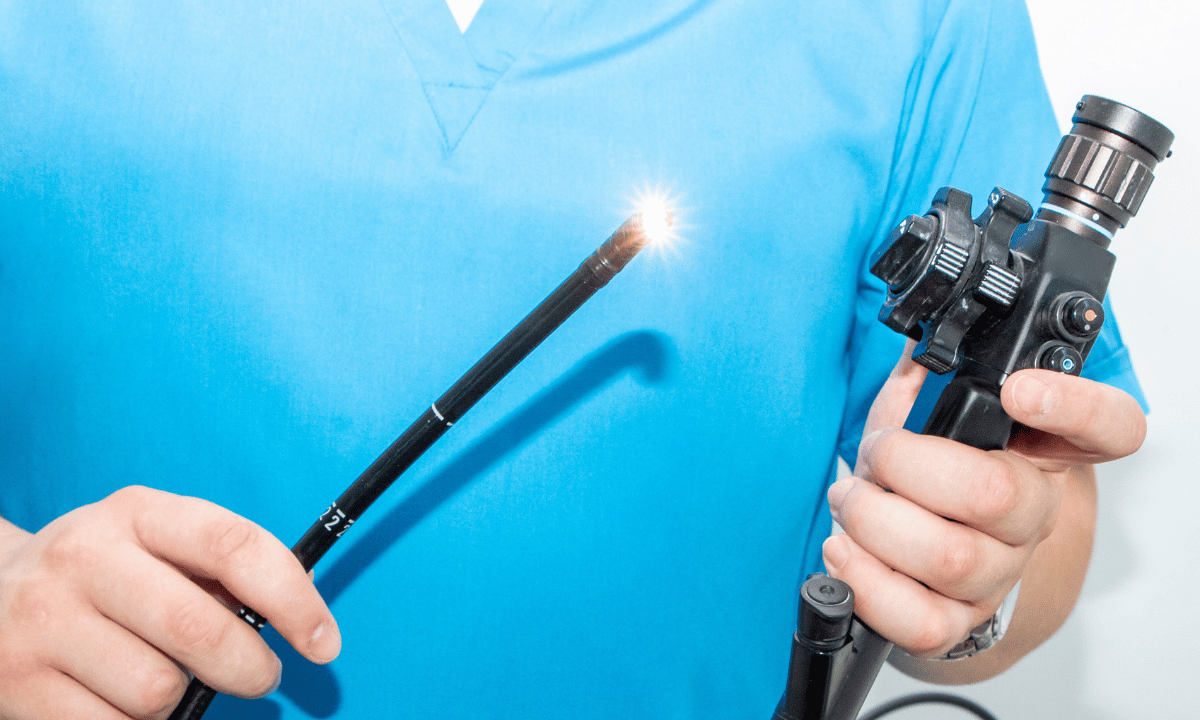
A gastroscopy, also known as an upper endoscopy or oesophago-gastro-duodenoscopy (OGD), is a procedure that enables your doctor to examine the lining of the upper digestive tract, also known as the gastrointestinal tract. This includes the oesophagus (food pipe), the stomach, and the duodenum (the first part of the small intestine).
During the procedure, your doctor gently guides a thin, flexible tube called a gastroscope through your mouth and into the digestive tract. The gastroscope has a small camera and light at its tip, which sends images to a monitor, allowing your doctor to examine the lining of your organs in detail.
When might you need gastroscopy treatment?
Your doctor may recommend this procedure if you have persistent or unexplained symptoms affecting your upper gastrointestinal tract. These symptoms may include:
Persistent upper abdominal symptoms:
Ongoing upper abdominal pain or discomfort, heartburn, acid reflux, nausea, or repeated vomiting that may require further investigation if the cause is unclear or symptoms do not improve with treatment.
Difficulty swallowing:
If you have dysphagia (difficulty swallowing) or feel that food or liquids are getting stuck in your throat or oesophagus, a gastroscopy could help your doctor identify the cause.
Possible gastrointestinal bleeding or anaemia:
Your doctor may recommend a gastroscopy if you have iron-deficiency anaemia or symptoms that could suggest bleeding in the upper digestive tract, such as vomiting blood or passing black, tarry stools.
Suspected ulcers, polyps, or cancer:
A gastroscopy allows your doctor to examine your oesophagus and stomach for ulcers, polyps, abnormal growths or cancer. If necessary, a small tissue sample (biopsy) could also be taken for further testing.
Abnormal findings from other tests:
In certain situations, gastroscopy could also be used to remove trapped foreign objects from the upper gastrointestinal tract, which includes the oesophagus, stomach, and duodenum.
If you are experiencing ongoing digestive symptoms and are unsure whether you may need a gastroscopy, speak with a doctorand discuss whether any further assessment or treatment may be appropriate. Schedule an appointmentat Thomson Medical today.
Our gastroenterologists
Loading...
What to expect during gastroscopy treatment?
Knowing what happens before, during, and after a gastroscopy may help you feel more prepared and understand what to expect.
Before the procedure
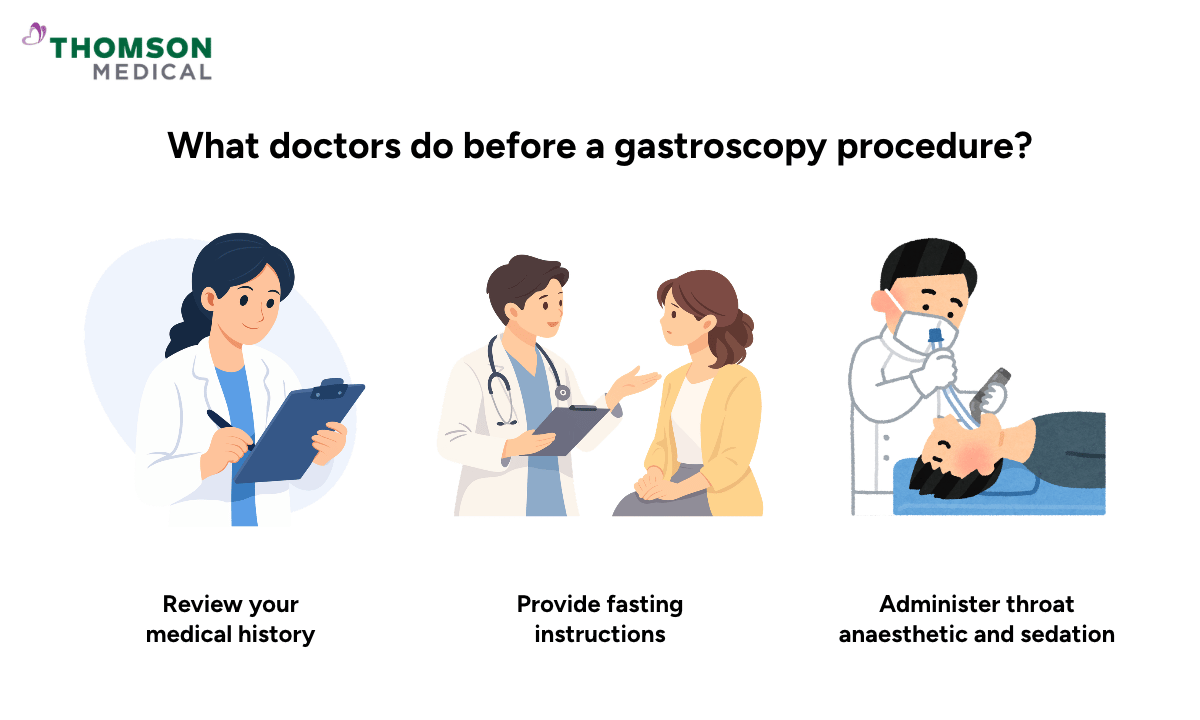
Before your gastroscopy, your doctor may take the following steps:
Review your medical history:
Your doctor will review your medical history, current medications, and any allergies you may have.
It is also important to inform your doctor if you are taking blood-thinning medication, have diabetes, or have any other medical conditions that could affect the procedure.
Provide fasting instructions
You may be required to fast before the procedure to ensure your stomach is empty. This allows your doctor to clearly examine the digestive tract and reduces the risk of complications.
Your doctor will tell you when to stop eating and drinking, as the fasting period may vary depending on the procedure and sedation used.
If you have diabetes, your doctor may also advise you on how to adjust your medication while fasting. Do not stop taking any medication unless your doctor specifically advises you to do so.
Administer throat anaesthetic and sedation:
Before the procedure, a local anaesthetic spray may be used to numb your throat and minimise discomfort.
You may also be given a sedative injection or anaesthesia to help you relax and feel more comfortable during the procedure.
During the procedure
A gastroscopy is a relatively short procedure, and you will generally lie on your left side while your doctor gently guides the gastroscope through your mouth. The other steps during the procedure include:
Placing a mouth guard:
A mouth guard helps protect your teeth and prevents you from biting the gastroscope during the procedure.
Inserting the gastroscope:
Your doctor will gently pass the flexible gastroscope through your mouth, down your oesophagus, and into your stomach and duodenum.
You may experience some gagging or mild discomfort as the gastroscope passes through your throat, but this is usually brief.
Examining the digestive tract:
The camera at the tip of the gastroscope sends images to a monitor, enabling your doctor to examine the lining of your oesophagus, stomach, and duodenum.
A small amount of air may be introduced into your stomach to improve visibility, which may cause temporary bloating or a feeling of fullness.
Taking a biopsy or providing treatment if needed:
If your doctor notices an area that requires further assessment, they may take a small tissue sample (biopsy) for laboratory testing.
Certain problems, such as bleeding or polyp removal, may also be treated during the gastroscopy if appropriate.
After the procedure
After the gastroscopy, you will be taken to a recovery area where your condition will be monitored while the sedative wears off. You may experience the following:
Drowsiness from sedation:
You will usually be allowed to rest for around 30 to 60 minutes, or until you are awake and feeling comfortable.
Your doctor or the healthcare team will advise you when you could eat and drink again.
Because of the possible side effects from sedation, it is recommended that you arrange for someone to accompany you home.
Mild discomfort:
You may experience a slightly sore throat or bloating after the procedure. These symptoms are usually temporary and should gradually subside.
Your doctor will discuss the initial findings with you after the procedure. If a biopsy was taken, the tissue sample will be sent to a laboratory for further examination. Your doctor will let you know when the results are expected and whether you need any further follow-up or treatment.
What are the possible complications after gastroscopy?
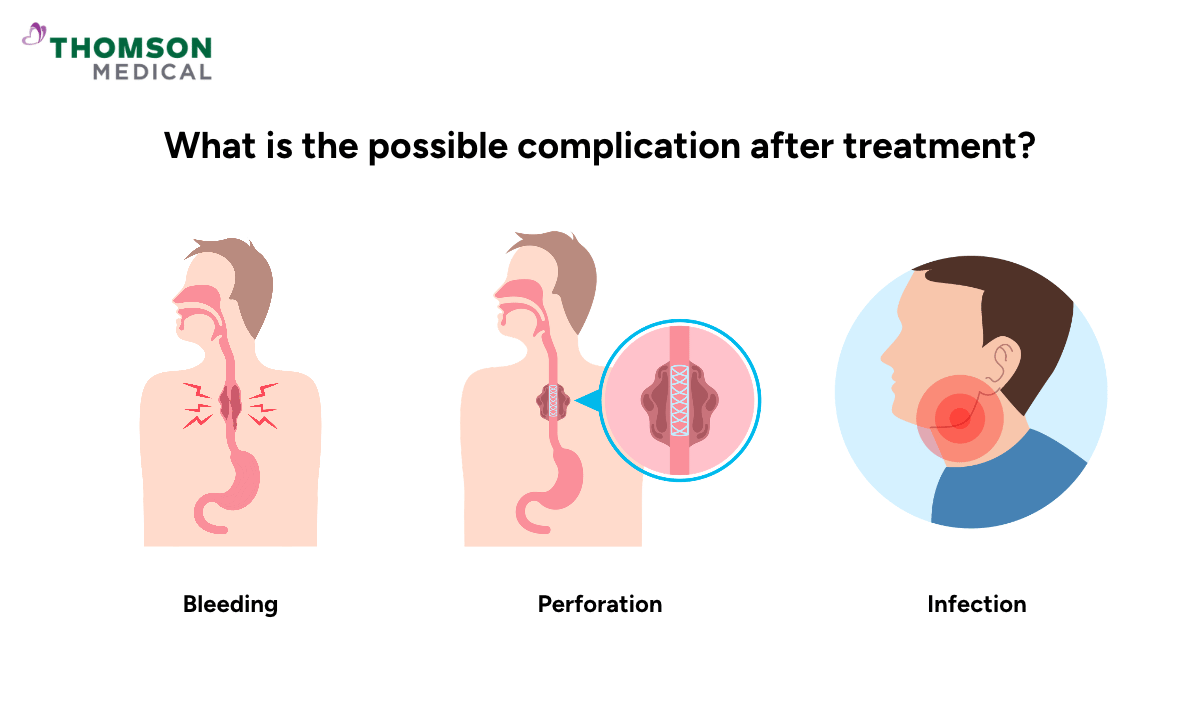
Gastroscopy is generally a safe procedure with a low risk of complications. However, as with any medical procedure, there are some potential complications, although serious complications are uncommon. These may include:
Bleeding:
A small amount of bleeding may occur if your doctor takes a biopsy or performs certain treatments during the gastroscopy. This is usually minor and settles on its own, although further treatment may occasionally be needed.
Perforation:
In very rare cases, the gastroscope or other treatments performed during this procedure may cause a small tear or hole in the lining of the oesophagus, stomach or duodenum. Depending on the size and location of the tear, it may require further treatment.
Infection:
There is a small risk of infection after a biopsy or certain treatments. Contact your doctor if you develop a fever, feel unusually unwell, or notice other signs of infection after the procedure.
If you are concerned about the possible risks or complications of gastroscopy treatment, speak with a doctor to better understand what to expect after the procedure. Schedule an appointmentat Thomson Medical today.
How much does gastroscopy treatment cost in Singapore?
The cost of a gastroscopy in Singapore could vary depending on the hospital setting, whether the procedure is performed as day surgery or inpatient care, and whether additional procedures such as polyp removal or treatment are required.
You may expect gastroscopy treatment costs to be around:
Private hospital day surgery: the typical cost range is around SGD 2,688-3,659.
Public hospital day surgery (subsidised): the typical cost range is around SGD 276-576.
Public hospital day surgery (unsubsidised): the typical cost range is around SGD 1,225-1,510.
What insurance options are available?
To offset the total cost of gastroscopy, there are several schemes in Singapore that might help. These include MediSave, MediShield Life, and Integrated Shield Plans. Each offers different levels of coverage for your gastroscopy, depending on your eligibility and insurance arrangements.
MediSave:
For approved day surgery, with MediSave you may withdraw up to SGD 830 per day to cover hospital charges (ward, treatment, tests and medicines), in addition to the surgical withdrawal limit set for each procedure.
MediShield Life:
MediShield Life may help cover an eligible gastroscopy performed as day surgery.
The claim limit may include up to SGD 830 per day for day-surgery hospital and treatment charges, plus up to SGD 420 for the gastroscopy procedure, giving a combined claim limit of up to SGD 1,250.
Integrated shield plan:
You may use integrated shield plans (IPs), which are private insurance providers that sit on top of your national medical insurance (MediShield Life) and offer additional coverage beyond what is provided.
However, you may still need to pay some money out of pocket as a co-payment.
Please note that these are estimated costs based on the information available at the time of writing, and they may have changed since then. These costs may also vary depending on the required treatment, hospital, and location of care.
If you are considering treatment, please contact our medical concierge team at Thomson Medical, who will discuss your specific situation with you and provide personalised cost guidance.
FAQ
Is gastroscopy painful?
Gastroscopy is generally described as uncomfortable rather than painful. The procedure is often performed under sedation, which helps you to relax and may cause you to fall asleep during the procedure. You may experience a mild sore throat or feel bloated for a few hours afterwards, but these symptoms usually settle on their own.
Can I eat immediately after a gastroscopy?
You will usually need to wait until you are fully awake and your gag reflex has returned before eating or drinking. This reflex helps to prevent food or liquid from entering your airway, and this may take around one to two hours if you received sedation.
If a throat-numbing spray was used, you will need to wait until the numbness has worn off to reduce the risk of choking. Once your doctor confirms that it is safe to do so, you may start with small sips of water and gradually return to light foods.
Can a gastroscopy detect the early signs of cancer?
A gastroscopy enables your doctor to examine the linings of your oesophagus, stomach, and duodenum directly. If an area appears abnormal, your doctor may take a small tissue sample for further testing.
This may help to detect cancer and certain changes that may increase the risk of cancer, such as Barrett's oesophagus, atrophic gastritis, and intestinal metaplasia. However, not every abnormal finding is cancerous, and a biopsy is usually required to establish the nature of the abnormal tissue.
How often should I have a gastroscopy?
There is no fixed schedule for this procedure. The procedure is generally recommended when there is a specific reason to examine your upper digestive tract, rather than being performed routinely on everyone.
If you have a condition that requires monitoring, such as Barrett's oesophagus, or if you have a history of certain stomach conditions or a family history of upper gastrointestinal (GI) cancer, your doctor may recommend repeat gastroscopies based on your individual risk.
The information provided is intended for general guidance only and should not be considered medical advice. For personalised advice based on your unique conditions, schedule an appointment with Thomson Medical.
For more information, contact us:
Thomson Medical Concierge
- 8.30am - 5.30pm
- WhatsApp: 9147 2051
Need help finding the right specialist or booking for a group?
Our Medical Concierge is here to help you. Simply fill in our form, and we'll check and connect you with the right specialist promptly.
Notice:
The range of services may vary between Thomson clinic locations. Please contact your preferred branch directly to enquire about the current availability.
Get In Touch