

The burning sensation in your chest after meals, known as heartburn, or the taste of acid coming back, is easy to put down to a heavy dinner. You may start to wonder whether it’s occasional acid reflux or a sign of something ongoing.
So when does acid reflux become GERD? What increases your risk, and how may you prevent it?
What is GERD?
Gastro-oesophageal reflux disease (GERD) is a common digestive condition where stomach contents repeatedly flow back up into the oesophagus, the muscular tube that carries food from your mouth to your stomach.
This backflow, known as acid reflux, may irritate the lining of the oesophagus and cause symptoms such as heartburn (a burning sensation in the chest) and a sour taste in the mouth. Occasional acid reflux may happen to anyone, particularly after a large meal. However, when reflux happens frequently or causes persistent symptoms, it may be a sign of GERD.
In people with GERD, the lower oesophageal sphincter (LES), a ring of muscle that acts like a valve, may become weak or relax when it should remain closed. This allows stomach acid and other stomach contents to flow back into the oesophagus, causing recurring reflux symptoms.
What are the symptoms of GERD?
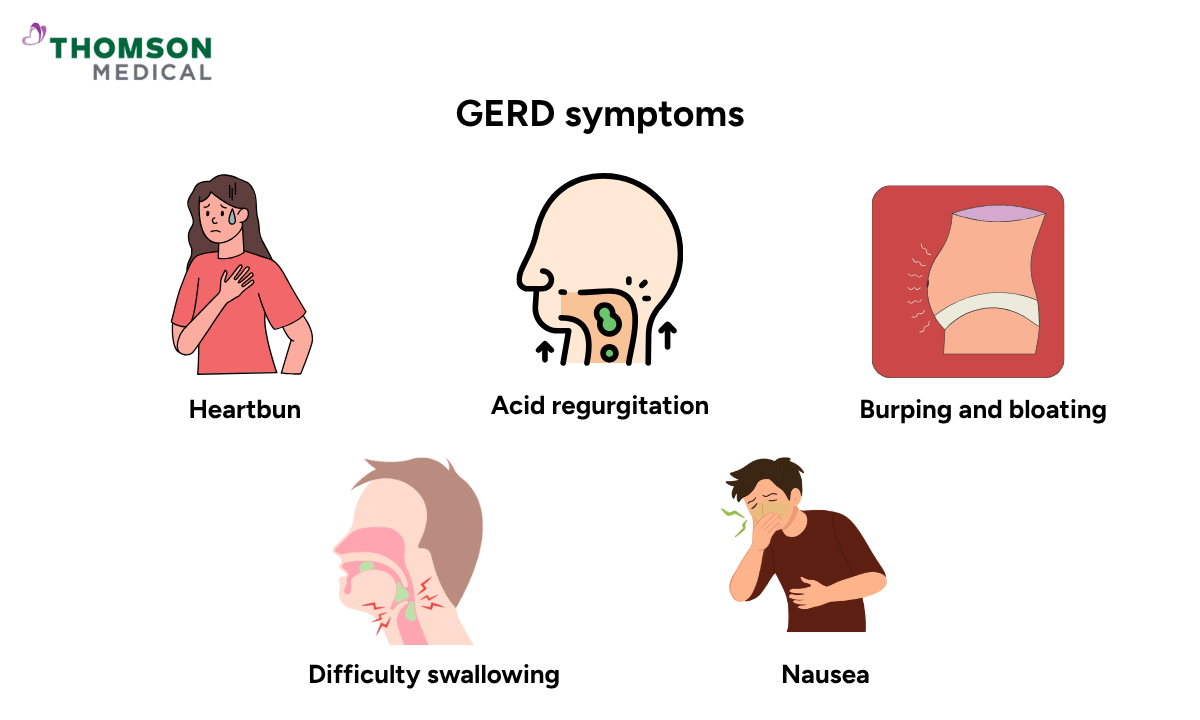
There are several symptoms of GERD that you may experience, such as:
Heartburn
Acid regurgitation (a sour or bitter taste when stomach contents flow back into the throat or mouth)
Burping and bloating
Difficulty swallowing (dysphagia)
Nausea
Throat discomfort
Persistent cough
Bad breath
Factors that increase your risk
GERD usually occurs when a ring of muscle that acts like a valve between the oesophagus and stomach does not close properly or relaxes when it should remain closed. Several factors may increase the likelihood of developing this condition, such as:
Obesity:
Fat around the abdomen may increase pressure on the stomach, making it easier for stomach contents to flow back into the oesophagus.
Pregnancy:
During pregnancy, hormonal changes and the growing baby may place additional pressure on the stomach, which may lead to the unintentional LES relaxation.
This may make acid reflux and heartburn more likely, particularly during the later stages of pregnancy.
Hiatal hernia:
This type of hernia occurs when part of the stomach moves up into the chest through an opening in the diaphragm (the muscle that separates the chest from the abdomen).
This condition makes it easier for stomach contents to flow back into the oesophagus and cause reflux symptoms.
Certain medical conditions:
Conditions such as scleroderma (a connective tissue disorder that affects the muscles of the digestive system) may weaken the muscle contractions of the oesophagus and affect the normal function of the LES.
In addition, gastroparesis (a condition where the stomach takes longer than usual to empty) may cause its contents to remain there for longer, increasing the likelihood of reflux into the oesophagus.
Certain medications:
Some medicines, including certain asthma medicines, calcium channel blockers (medicines commonly used to treat high blood pressure), sedatives, some painkillers and antidepressants, may affect the LES or digestive system and contribute to reflux.
Eating habits:
Fatty, fried or spicy foods, chocolate, peppermint, coffee, alcohol, and carbonated or acidic drinks may trigger or worsen reflux symptoms.
Eating large meals, eating too quickly, having supper shortly before going to bed, or lying down soon after eating may make reflux symptoms more likely.
Smoking:
Smoking and exposure to other people's smoke may affect the function of the LES and increase the likelihood of acid reflux.
If you have any of the mentioned risk factors above, speaking with a doctor may help identify the possible cause and determine whether further assessment is needed. Schedule an appointment with Thomson Medical.
Our gastroenterologists
Loading...
How do doctors diagnose GERD?
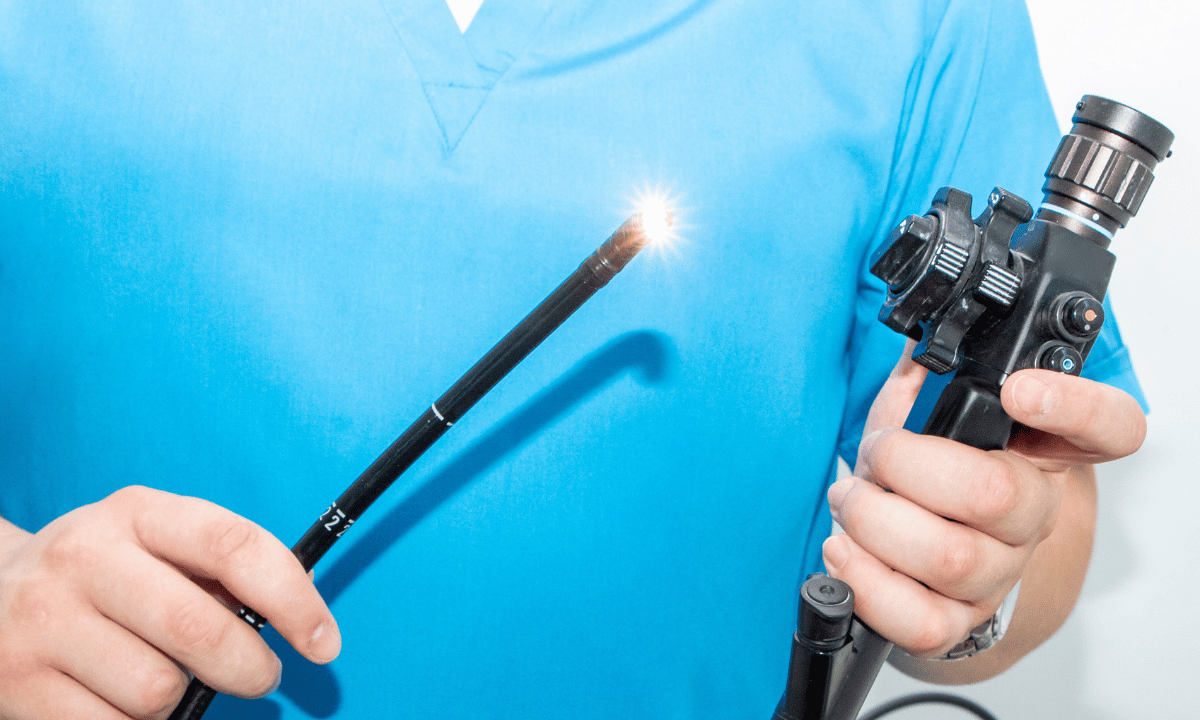
GERD is often diagnosed based on your symptoms and medical history. Your doctor may ask about your symptoms and recommend further tests if needed to confirm the diagnosis, assess the oesophagus, or check for complications. These tests may include:
Gastroscopy:
A gastroscopy test uses a thin tube with a camera that is passed through the mouth to examine the lining of the oesophagus, stomach, and upper part of the small intestine.
It may help identify irritation, inflammation, or damage caused by reflux. A small tissue sample may also be taken for further examination if needed.
24-hour oesophageal pH monitoring:
This test uses a thin tube with a sensor that is passed through the nose into the oesophagus to measure acid levels over 24 hours and helps determine how often acid reflux occurs.
Oesophageal manometry:
This diagnostic test also uses a thin tube being passed through the nose into the oesophagus to measure how well the oesophageal muscles work when you swallow.
It may assess the strength and coordination of the oesophageal muscles and how well the LES functions.
Barium swallow:
During this test you will drink a liquid containing barium, a substance that helps the digestive tract show up clearly on an X-ray.
The X-ray allows doctors to examine the shape and movement of the oesophagus and identify certain abnormalities, such as narrowing or swallowing problems.
Naso-endoscopy:
A naso-endoscopy uses a thin tube with a flexible camera that is gently passed through the nose to examine the nasal passages and throat.
This may be recommended if you have throat or voice symptoms, allowing your doctor to look for signs of irritation or other possible causes.
Available treatment options in Singapore
Treatment for GERD depends on how often and how severely you experience symptoms. You may seek assessment and treatment through both public and private healthcare providers in Singapore.
Your doctor may recommend medication to help manage your symptoms, while endoscopic procedures or surgery may be considered if symptoms persist despite other treatments.
Medications
Medication treatment is commonly used to help manage your symptoms. These medicines work in different ways to reduce or control stomach acid, including:
Antacids:
These medicines neutralise stomach acid and may provide short-term relief from occasional heartburn and acid reflux.
Histamine-2 receptor antagonists (H2RAs):
These medicines work by reducing stomach acid production by blocking the action of histamine, a substance that stimulates the stomach to produce acid.
Proton pump inhibitors (PPIs):
Prescription-only medicines may reduce stomach acid production, which may help relieve symptoms and support healing of the oesophageal lining.
Potassium-competitive acid blockers (P-CABs):
Another type of prescription-only medicine that also works by reducing stomach acid production, but through a different mechanism from PPIs.
Endoscopic procedures and surgery
Endoscopic procedures or surgery may be considered if symptoms persist despite medical treatment and medications are not well tolerated or tests show significant reflux. These treatments aim to improve the function of the LES and reduce the flow of stomach contents back into the oesophagus.
Depending on your conditions, your doctor may perform the following procedure:
Transoral incisionless fundoplication (TIF):
During this procedure, an endoscope is passed through the mouth, allowing the doctor to reshape the tissue at the lower end of the oesophagus into a one-way valve.
This strengthens the natural barrier between the stomach and oesophagus and reduces reflux.
Radiofrequency treatment:
This procedure uses controlled radiofrequency energy (low-level energy delivered to targeted tissue) around the lower oesophageal sphincter.
It may help improve lower oesophageal sphincter function and reduce reflux symptoms.
Bariatric surgery:
A bariatric surgery may be considered for people with obesity and GERD, as weight-loss procedures may also help reduce reflux by reducing stomach capacity and pressure.
Another surgical option your doctor may consider is fundoplication surgery. In this procedure, the upper part of the stomach is wrapped around the lower oesophagus and secured in place, strengthening the barrier at the LES and helping to prevent stomach contents from flowing back up.
This surgical technique has two main types, which differ in how much of the oesophagus is wrapped. Nissen fundoplication creates a complete wrap around the lower oesophagus, whereas partial fundoplication creates a wrap around only part of the oesophagus.
If you have been diagnosed with GERD and are currently considering your treatment options, speaking with a doctor may help you better understand which approach may be suitable for your condition. Schedule an appointment with Thomson Medical.
How to prevent GERD?
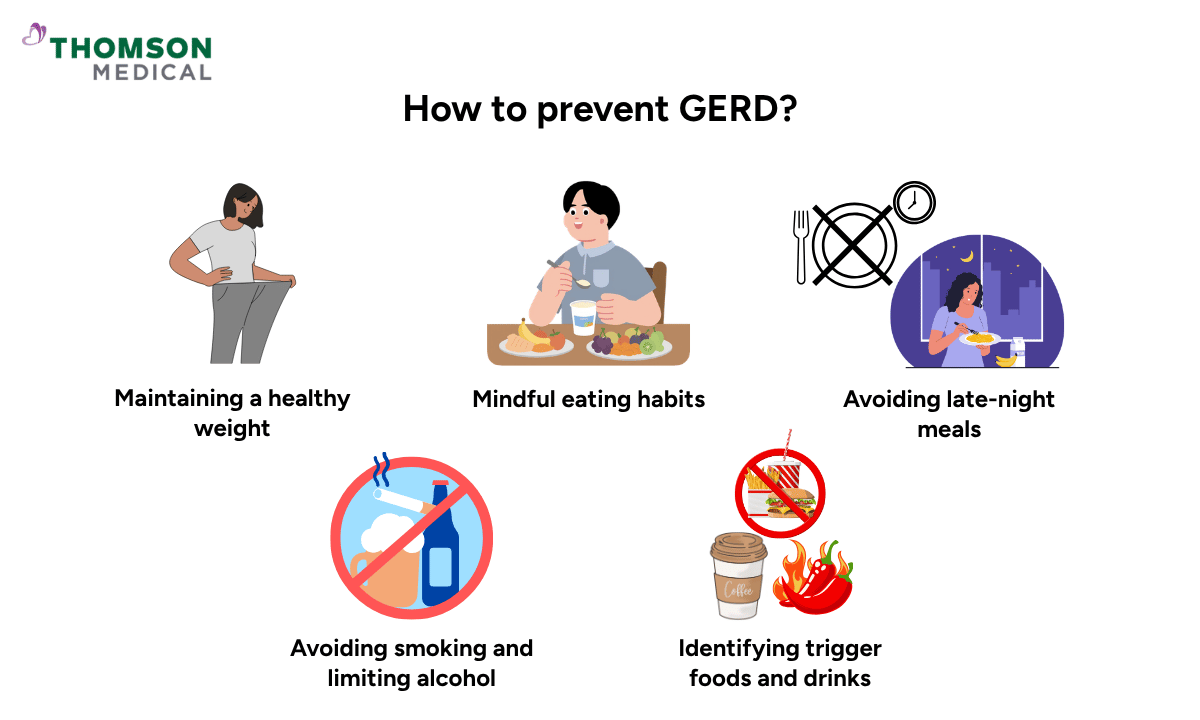
While GERD cannot always be prevented, certain lifestyle and dietary changes may help reduce the likelihood of developing symptoms or prevent them from becoming more frequent. These may include:
Maintaining a healthy weight may help reduce pressure on the stomach and may prevent stomach contents from flowing back into the oesophagus.
Mindful eating habits such as eating smaller meals, eating slowly, and avoiding lying down soon after meals may help reduce reflux symptoms.
Avoiding late-night meals by finishing your meals at least 3 to 4 hours before going to bed may help reduce reflux symptoms.
Avoiding smoking and limiting alcohol may help reduce reflux symptoms.
Additionally, identifying your personal trigger foods and drinks is another useful step in managing GERD, as certain items may cause or worsen reflux. Triggers may vary from person to person, but some common ones include:
Fatty or fried foods, which slow stomach emptying and leave acid sitting in the stomach for longer.
Spicy foods, which may irritate the oesophageal lining, particularly if it is already inflamed.
Coffee and other caffeinated drinks, which may relax the LES and allow acid to flow back up.
Citrus fruits, tomato-based dishes, and vinegary sauces, which are naturally acidic and may aggravate heartburn, sour regurgitation, or throat discomfort.
FAQ
At what age does GERD usually develop in Singapore?
GERD may affect people of any age, including children, younger adults, and older adults. Although it becomes more common with age, as the LES naturally weakens over time, there is no single age at which it usually develops. Risk factors such as obesity or eating late at night may also increase your likelihood of developing GERD, regardless of age.
Can GERD be treated without recurring symptoms?
GERD may often be effectively managed with lifestyle changes, dietary adjustments, and medication. However, symptoms may return if treatment is stopped or if factors that trigger reflux continue. Some people may require longer-term treatment to keep their symptoms under control.
Why does GERD get worse at night?
GERD symptoms may worsen at night because lying down makes it easier for stomach contents to flow back into the oesophagus. Eating a large meal or having supper close to bedtime may also increase the likelihood of reflux. Finishing your last meal at least 3 to 4 hours before going to bed and remaining upright for a while after eating may help reduce nighttime symptoms.
Can GERD cause complications?
If GERD is frequent or left untreated, repeated acid reflux may irritate and damage the oesophagus. Possible complications include:
- Oesophageal ulcers: open sores in the oesophagus caused by repeated exposure to stomach acid.
- Oesophageal stricture: narrowing of the oesophagus caused by scar tissue that may develop after repeated inflammation or injury.
- Barrett’s oesophagus: changes to the cells lining the oesophagus caused by long-term acid reflux, which may increase the risk of oesophageal cancer.
- Reflux laryngitis: an inflammation of the voice box that may cause hoarseness and other throat symptoms.
The information provided is intended for general guidance only and should not be considered medical advice. For personalised recommendations and advice based on your individual circumstances, schedule an appointment with Thomson Medical.
For more information, contact us:
Thomson Medical Concierge
- 8.30am - 5.30pm
- WhatsApp: 9147 2051
Need help finding the right specialist or booking for a group?
Our Medical Concierge is here to help you. Simply fill in our form, and we'll check and connect you with the right specialist promptly.
Notice:
The range of services may vary between Thomson clinic locations. Please contact your preferred branch directly to enquire about the current availability.
Get In Touch