

As your parents get older, they may struggle to chew or notice bleeding gums when brushing. While these signs are often dismissed as normal ageing, they can signal underlying dental problems that need attention.
Dental health is frequently overlooked in older adults, yet it significantly affects their overall wellbeing. Knowing common dental issues in elderly adults and knowing how to support their oral care can help maintain their quality of life.
Importance of elderly dental health
As your parents or grandparents grow older, their teeth naturally become vulnerable to wear and tear, chemical damage and bacterial attacks. This is because tooth enamel naturally wears down over time, becoming thinner and less effective.
This is why regular dental care and check-ups are important. These appointments allow dentists to identify and treat any dental issues before they impact your loved one's daily life.
What are the most common oral health problems experienced by the elderly?
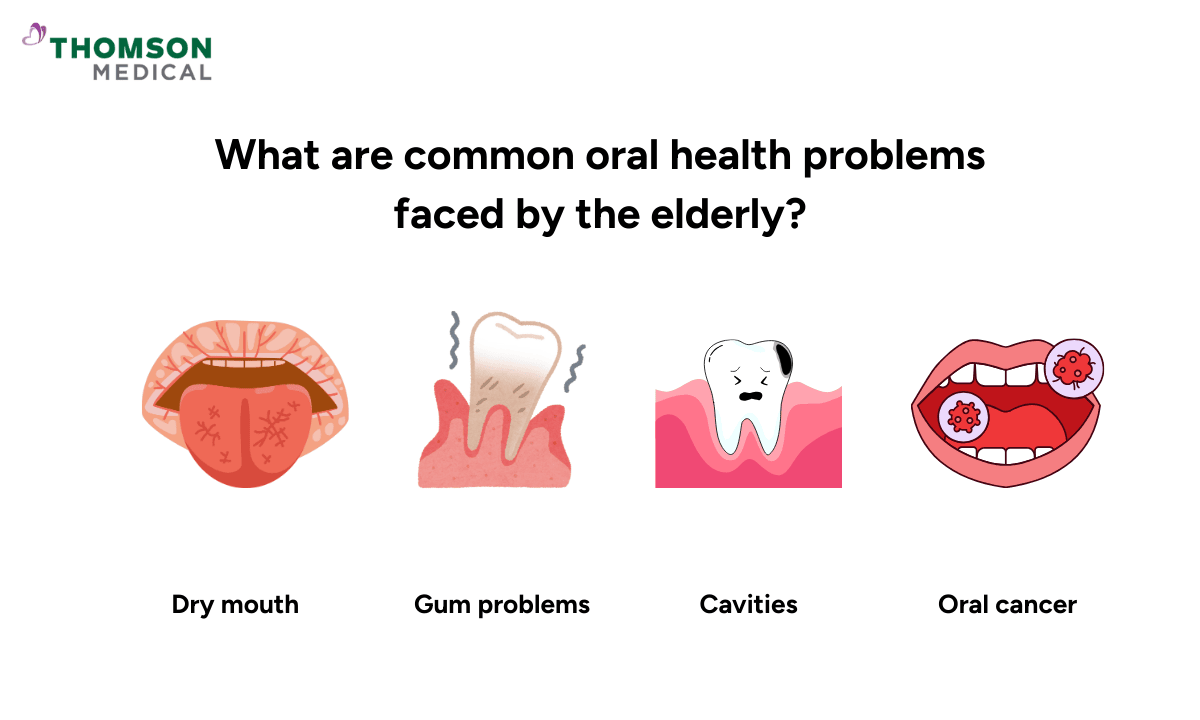
Knowing about common oral health problems can help you spot problems early and seek the right dental treatment that your elderly loved one needs.
Here are what your parents or grandparents may experience:
- Dry mouth:
- A dry mouth can be caused by ageing, medicine, and other health conditions. When this happens, your loved one can be at higher risk of mouth sores, gum disease, and tooth decay – all of which can make eating uncomfortable.
- Gum problems:
- Sometimes, elderly people can also experience receding gums, where their gum tissues pull away from the tooth. This makes it easy for bacteria to build up and cause inflammation and decay.
- Early-stage gum disease (gingivitis) occurs when there is plaque and tartar buildup that irritates and inflames the gums. Without treatment, it can progress to periodontitis, leading to tooth loss.
- Cavities:
- The plaque changes the sugars and starches from food into acid that attacks the enamel, causing dental cavities. Root caries (cavities at the tooth root) are especially common in older adults with receding gums.
- Oral cancer:
- The risk of developing oral cancer increases significantly after the age of 50, particularly among smokers and those who use other tobacco products. Oral cancer is more common in men than in women.
Many people underestimate the importance of dental health. Without treatment, however, dental problems can cause chronic pain and negatively affect the quality of life of older loved ones. If you notice your loved one is experiencing dental problems, it is best to take action right away. The earlier treatment begins, the sooner they’ll feel comfortable again.
Do you suspect that your parents or grandparents might be suffering from the above conditions? Request an appointment with our dentists at Thomson Dental Centre today.
Our dental specialists in Singapore
Loading...
How to maintain daily oral hygiene for elderly adults
Taking care of your older loved one's oral health doesn’t have to be complicated. Simple and consistent habits can make a real difference.
Here are some effective tips you can follow to maintain their oral hygiene at home:
Brushing:
Help them brush their teeth at least twice a day with fluoride toothpaste and a soft-bristle toothbrush.
If they have arthritis or stiff and weak fingers that make brushing difficult, an electric toothbrush can help.
Flossing:
Flossing at least once a day helps keep their teeth clean and prevents gum disease.
Mouthwash:
Using mouthwash can reduce plaque buildup and strengthen enamel.
Regular mouth checks:
Pay attention to signs of oral cancer, such as sores, lumps, and changes in tissue colour. If you notice anything unusual, consult a dentist for more advice.
Healthy diet and lifestyle:
Encourage them to drink enough water and maintain a balanced diet. Avoiding tobacco can help lower their risk of oral cancer, gum disease, and tooth loss.
Denture care:
Help them remove and clean their dentures at night to prevent potential infections.
Along with home care, regular dental visits are also important. They allow dentists to catch unusual changes early and provide treatments before issues become serious or painful.
What should carers look out for?
If you notice changes in your elderly relatives' eating habits or oral health, such as if they seem uncomfortable while eating or start avoiding certain foods, this could be a sign that something is wrong. Be sure to ask them if they're in pain or have any mouth ulcers, so you can get them the help they need quickly.
Warning signs you should watch for include:
Changes in eating habits:
They prefer to eat on one side, refuse favourite foods, or eat more slowly than usual.
Visible gum problems:
Red, swollen gums that bleed during brushing, or gums that appear to be receding, making their teeth look longer.
Dental damage:
Loose, broken, or wobbly teeth.
Persistent issues:
Bad breath that doesn't go away, or white patches and sores that don't heal within two weeks.
Denture discomfort:
If they wear dentures, watch for signs of a poor fit because this can cause pain, ulcers, and difficulty eating.
Encourage your loved one to maintain a good oral hygiene routine. They may need your help with the routine, especially if they have dementia or trouble using their hands.
Sometimes, your loved one doesn’t want to worry you about their health, so they may hesitate to share their concerns. In these cases, paying close attention to changes becomes even more crucial for caring for their dental health.
When should the elderly visit the dentist?
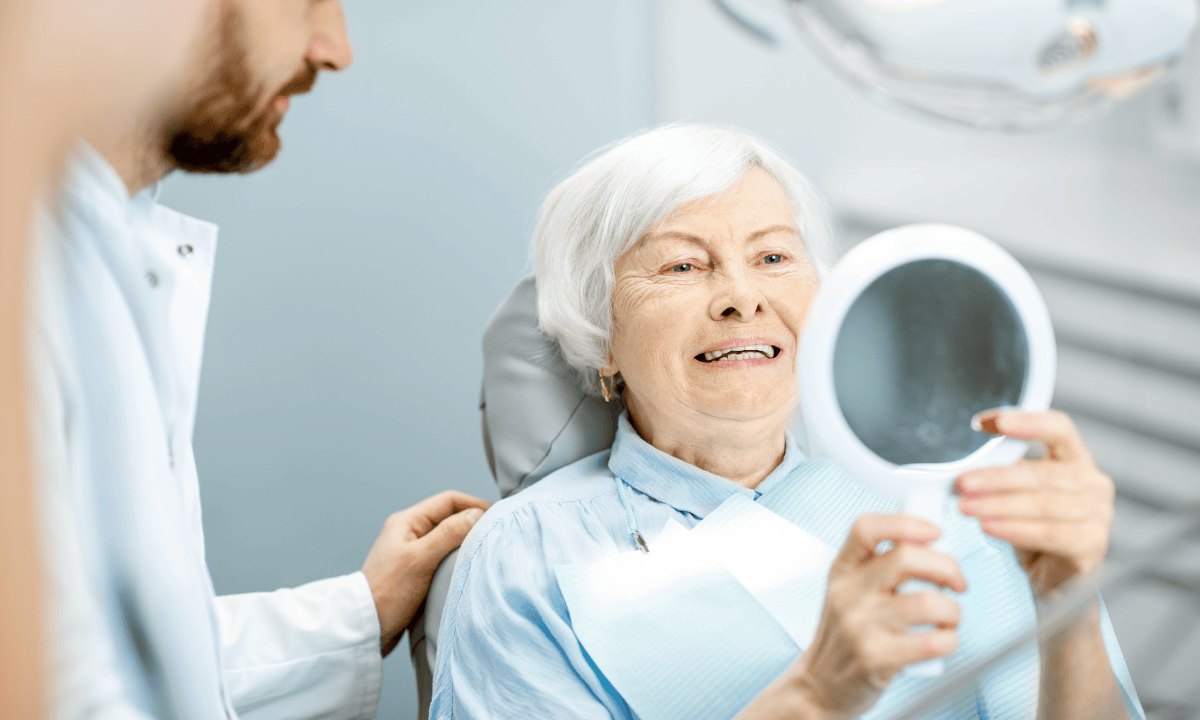
Regular dental visits can help your parents or grandparents stay ahead of potential dental health issues. Dentists will assess their oral health conditions and suggest the right schedule for their checkups.
You should book an appointment for your loved one if:
They experience dental discomfort:
If they experience pain, bleeding gums, or difficulty eating, it is a good idea to schedule a visit to the dentist as soon as possible to receive treatment promptly.
They have existing health issues:
Conditions such as diabetes or heart disease can affect their oral health. If they’ve been diagnosed with any health issues or are taking any medication, make sure to inform their dentist.
Early detection makes treatment easier and helps them feel better faster. By staying up to date with their health, you can also take better care of your loved one’s oral health.
Is it time for your loved one's dental checkup, or have you noticed concerning symptoms? Schedule an appointment with Thomson Dental Centre, where our dentists can help assess their needs and recommend the best oral health care plan.
FAQ
How often should elderly adults visit the dentist?
Elderly adults should visit the dentist at least twice a year for regular dental check-ups and cleanings. However, if your parents or grandparents have existing dental issues or health conditions like diabetes, dentists may suggest more frequent visits.
At what age do gums start to recede?
Gums can start to recede at any age, but it’s most common in adults over 65.
What is the most common geriatric dental problem?
The most common dental issues the elderly face include:
Gum disease (periodontal disease)
Dental caries, especially root caries
Dry mouth
Dental cavities
With daily oral care and regular dental visits, your loved one can prevent or manage these conditions.
How does ageing affect oral health?
Ageing can lead to several changes, including reduced saliva production (dry mouth), gum recession, weakened enamel, and decreased chewing ability.
These changes may affect your loved one’s ability to eat, speak, and overall comfort, but regular dental care and a balanced diet can help.
Can dental problems affect my loved one's overall health?
Yes. Poor oral health has been linked to complications with diabetes, heart disease, and respiratory issues. That’s why maintaining good dental hygiene doesn’t just protect their teeth, it also supports their overall well-being.
Are dentures permanent, or do they need replacing?
Dentures usually need adjustments or replacement every 5-10 years because gums and jawbones change shape over time. Visiting the dentist regularly helps ensure that dentures continue to fit properly.
The information provided is intended for general guidance only and should not be considered medical advice. For personalised recommendations and tailored advice, please request an appointment with Thomson Medical today.