

Sexual health is an important aspect of overall wellbeing, and understanding your HIV status is a responsible step in caring for yourself and your partner.
Perhaps you're in a new relationship and want to ensure you're both starting on the right foot. Or maybe you've had a moment that's left you feeling uncertain, and you'd like some reassurance. You might simply be taking charge of your health with routine check-ups. Whatever brings you here, your feelings are valid, and taking this step shows real care for yourself and those close to you.
What is HIV?
HIV (Human Immunodeficiency Virus) is a virus that affects your immune system, which is your body's natural defence against illness. It targets CD4 cells, which are white blood cells that help protect you from infections. Without treatment, HIV can gradually weaken your immune system, making it harder for your body to fight off infections. Over time, untreated HIV may progress to AIDS (Acquired Immunodeficiency Syndrome).
Medical advances have transformed HIV care. Today, HIV is considered a manageable chronic condition, much like diabetes or high blood pressure. Early detection through testing means you can begin treatment sooner, which leads to better health outcomes and a stronger immune system. Whilst there is currently no cure for HIV, people living with the virus who receive proper medical care and treatment can enjoy full, healthy, and meaningful lives.
How does HIV spread?
HIV spreads through certain body fluids, which is why understanding how transmission happens can help you feel more informed and less anxious.
HIV can be transmitted through:
Unprotected intercourse with someone who has HIV
Sharing needles, syringes, or other injecting equipment
From mother to baby during pregnancy, childbirth, or breastfeeding (though preventive treatment can significantly reduce this risk)
Blood transfusions with infected blood (this is extremely rare in countries with rigorous blood screening, including Singapore)
Therefore, HIV does not spread through everyday contact such as:
Hugging, kissing, or touching
Sharing food, drinks, or utensils
Using the same toilet or swimming pool
Mosquito or insect bites
Saliva, tears, or sweat
Understanding these facts means you can interact with loved ones, colleagues, or anyone living with HIV without fear, and you can focus on the relationships that matter rather than unnecessary worry.
What are the possible signs of HIV?
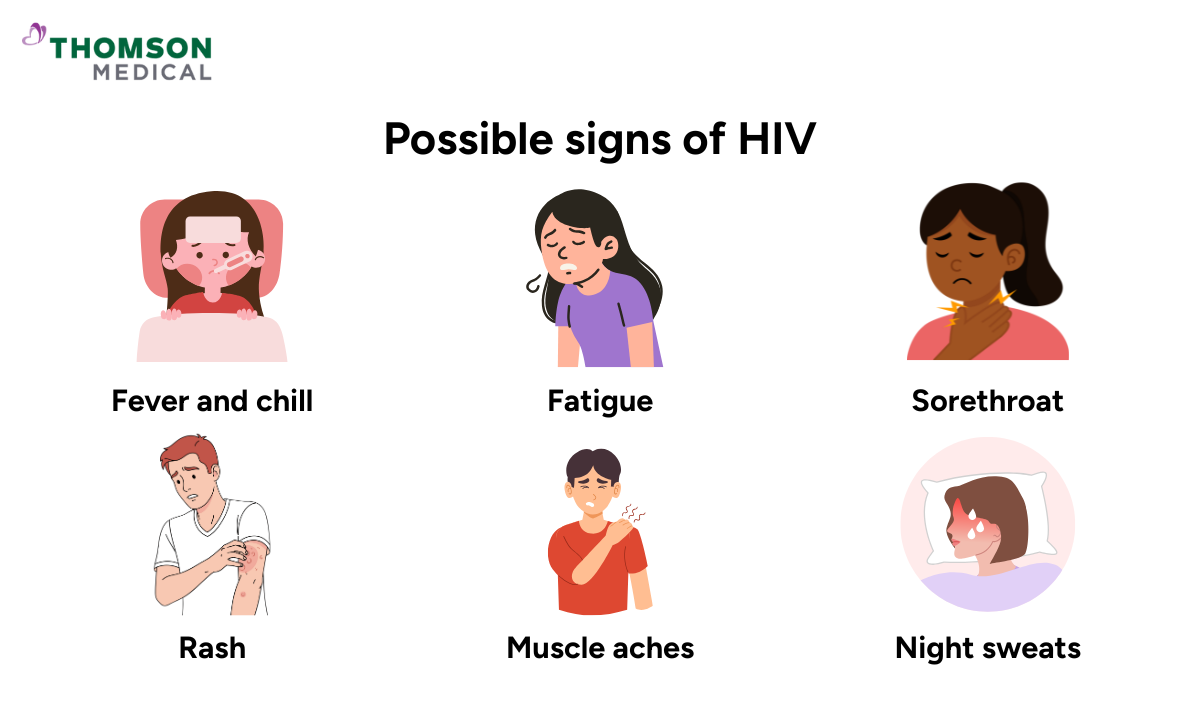
HIV symptoms can vary from person to person, and many people may not experience noticeable symptoms for years. This is why testing is the only reliable way to know your HIV status. Some people experience flu-like symptoms during the initial stage, which may include:
Fever and chills
Fatigue
Sore throat
Swollen lymph nodes
Rash
Muscle aches
Night sweats
These symptoms typically resolve within a few weeks, and the virus enters a longer phase where you may feel well.
If HIV remains untreated for several years, symptoms may include persistent infections, significant weight loss, and other health complications as the immune system weakens.
Getting tested for HIV
When to test
Taking an HIV test is a responsible step towards understanding your sexual health status. Whether you're testing as part of your regular health routine or after a situation that's left you wondering, knowing your status can bring clarity and help you feel more at ease. Testing is private, simple, and more accessible than you might think.
You might want to consider an HIV test if you:
Have had unprotected intercourse with a new partner or multiple partners
Are beginning a new relationship and want to know where you both stand
Have shared needles or injecting equipment
Are pregnant or hoping to conceive
Have been diagnosed with another sexually transmitted infection (STIs)
Simply want reassurance as part of looking after yourself
Types of test
Antibody tests:
Look for HIV antibodies in your blood or oral fluid
Can detect HIV within 23 to 90 days after exposure
Blood tests from a vein typically detect HIV sooner than finger-prick or oral fluid tests
Antigen/antibody tests:
Detect both HIV antibodies and antigens (part of the virus itself)
Can identify HIV 18 to 45 days after exposure
Commonly performed using blood from a vein
Nucleic acid tests (NAT):
Look for the actual virus in your blood
Can detect HIV earliest, typically 10 to 33 days after exposure
Usually recommended after recent high-risk exposure or if you're showing early symptoms
HIV testing is a courageous step towards caring for yourself, and our sexual health specialists at Thomson Medical are here to support you through it. Request an appointment with us for personalised care and support.
What to expect during testing?
If you've never had an HIV test before, it's completely natural to feel a bit uncertain about what will happen. The testing process is designed to be comfortable and confidential:
Brief consultation:
A healthcare professional will discuss your medical history and any potential risk factors privately
Sample collection:
Depending on the test type, a small blood sample is taken from your finger or arm, or an oral fluid sample is collected with a swab
Results:
Typically available within a few days to two weeks. Some rapid tests provide results in as little as 20 minutes
Remember, no matter the result, your privacy is protected throughout the entire process.
What your HIV results mean?
Waiting for test results can feel nerve-wracking, so it helps to know what each type of result actually means. Whatever the outcome, there's always support available to guide you through your next steps.
Negative result:
No HIV antibodies or antigens were detected. If you've recently been exposed, you may need to retest after the window period to confirm your status.
Positive result:
HIV antibodies or antigens were found. Additional confirmatory testing will be done to ensure accuracy. Remember, with early detection and modern treatment, people living with HIV can lead long, healthy lives.
Inconclusive result:
Occasionally results may be inconclusive, which doesn't necessarily mean you have HIV, as it may simply require follow-up testing.
Treatment options for HIV
If you've just been diagnosed with HIV, we understand that you might be feeling overwhelmed or scared. Whilst there's currently no definitive cure for HIV, the condition can be managed very effectively with the right medication and care. Here's how treatment works to support you:
Antiretroviral therapy (ART)
Antiretroviral therapy, or ART, is the cornerstone of HIV treatment. This involves taking a combination of medications that work together to stop the virus from multiplying in your body. Here’s how ART works:
These medicines prevent HIV from making copies of itself
They help protect your immune system and keep you healthy
When taken consistently, they can reduce the virus to undetectable levels in your blood
Undetectable viral levels mean you cannot transmit HIV to sexual partners (known as U=U: Undetectable equals Untransmittable)
Besides, common ART regimens include:
Combination tablets that contain multiple medications in one pill
Most people take just one or two tablets once a day
Your healthcare team will recommend the best combination for your individual needs
Starting treatment as soon as possible after diagnosis gives you the best chance of staying healthy. Many people find that once they've settled into their medication routine, it becomes a simple part of their daily life.
Monitoring your health
Regular health monitoring is an important part of living well with HIV. The healthcare professional will keep a close eye on how you're doing through routine blood tests such as:
Your viral load (the amount of HIV in your blood)
Your CD4 count (a measure of your immune system strength)
How well your treatment is working
Whether any adjustments to your medication are needed
These check-ups typically happen every few months and help ensure your treatment continues to work effectively for you.
HIV treatment shows real courage in prioritising your health, and our sexual health specialists at Thomson Medical are here to support you every step of the way. Request an appointment for personalised, confidential care.
Our sexual health specialist
Loading...
Living with HIV: Ways to care for yourself
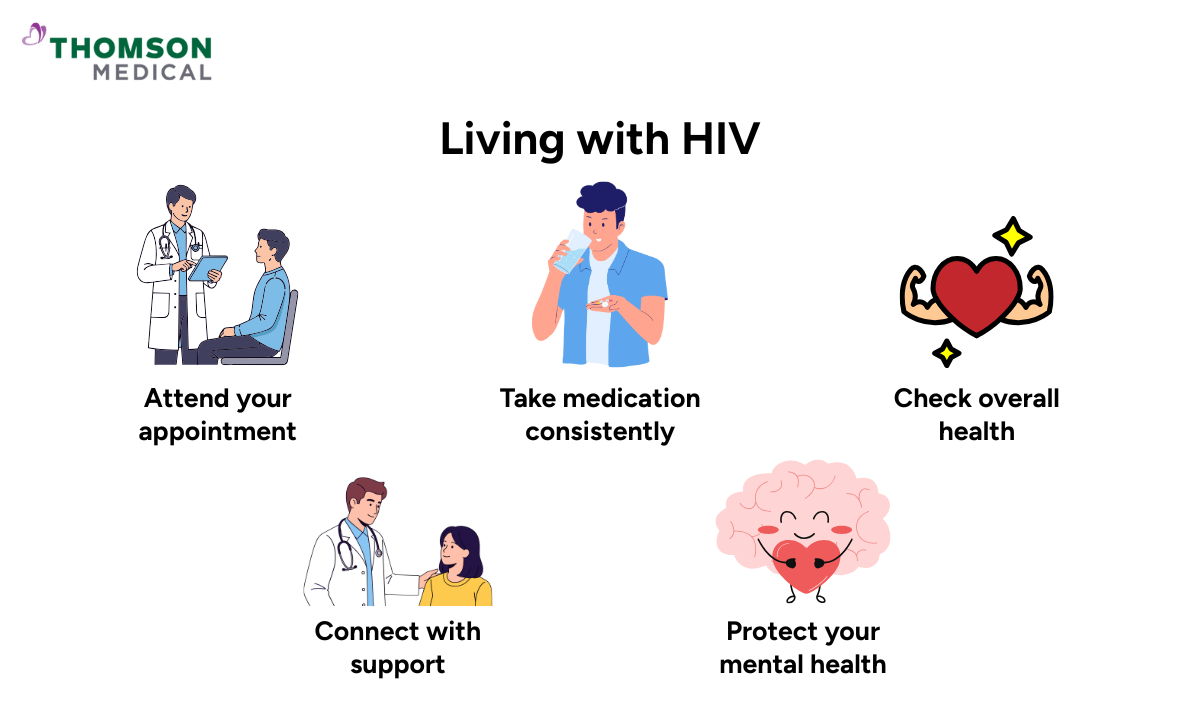
Living with HIV might feel daunting at first, but with the right care and support, you can absolutely thrive. Beyond medication, here are some gentle ways to look after yourself:
Attend your appointments:
Regular check-ups help keep your treatment on track
Take your medication consistently:
This is the most important step in managing HIV effectively
Look after your overall health:
Eating well, staying active, and getting enough rest all support your immune system
Connect with support:
Whether through healthcare professionals, support groups, or trusted friends, you don't have to navigate this alone
Protect your mental health:
Living with HIV can feel overwhelming at times. Talking to a counsellor or therapist can really help
Remember, HIV doesn't define you, and it doesn't have to limit you. HIV is a manageable condition. With today's treatments, people living with HIV can enjoy the same quality of life and life expectancy as those without the virus. You can do more than just manage this; you can truly live well.
Preventing HIV transmission
Whether you're living with HIV or want to stay HIV-negative, there are highly effective ways to prevent transmission:
Use condoms consistently:
Condoms are one of the most reliable ways to prevent HIV during intercourse when used correctly
Consider PrEP (Pre-Exposure Prophylaxis):
If you're HIV-negative, taking PrEP daily can reduce your risk of getting HIV by over 90%
It's a preventative medication that's especially helpful if your partner has HIV or you have multiple partners
Know about PEP (Post-Exposure Prophylaxis):
If you think you've been exposed to HIV, PEP can prevent infection if started within 72 hours
The sooner you start, the more effective it is—seek medical help immediately
Understand U=U (Undetectable = Untransmittable):
If you're living with HIV and your viral load is undetectable through consistent treatment, you cannot transmit HIV to sexual partners
This is backed by solid medical evidence and offers real peace of mind
Get tested regularly:
Knowing your status helps you make informed choices and access treatment early if needed
Use clean needles:
If you inject drugs, never share needles or injecting equipment with others
Whatever your situation, there are always options available to keep you and your partners safe. You're not alone in this, and taking steps to prevent HIV transmission shows real care for yourself and others.
FAQ
Can HIV spread through saliva?
No, HIV cannot be transmitted through saliva in everyday situations. You cannot get HIV from kissing, sharing cups or cutlery, or being near someone who coughs or sneezes. The amount of HIV in saliva is far too low to cause infection.
The only theoretical risk would be if large amounts of blood mixed with saliva entered another person's bloodstream, which is extremely rare in daily life. Please rest assured that casual contact is completely safe.
Does HIV always turn into AIDS?
No, and this is really important to understand. An HIV diagnosis does not mean you will develop AIDS. With modern antiretroviral therapy (ART), most people living with HIV will never progress to AIDS at all.
AIDS only develops when HIV goes untreated for many years. This is why early testing and consistent treatment are so crucial. When you take your medication as prescribed, you can prevent AIDS entirely and live a long, healthy life.
How can I confirm if I have HIV?
The only way to know for certain if you have HIV is through a blood test. If you're concerned about possible exposure or simply want to know your status, you can visit your GP, any polyclinic, or a sexual health clinic in Singapore for confidential testing.
The test is straightforward and results are typically available within a few days to two weeks. Some clinics also offer rapid tests that can give you results in around 20 minutes.
Can antibiotics fight HIV?
No, antibiotics cannot treat or cure HIV. Antibiotics are designed to fight bacterial infections, whilst HIV is a virus. The effective treatment for HIV is antiretroviral therapy (ART), which is specifically developed to target the virus and stop it from multiplying in your body.
ART is highly effective and, when taken consistently, can reduce the virus to undetectable levels, allowing you to live a long, healthy life.
What are the 7 warning signs of HIV?
Early HIV symptoms can be vague and similar to common illnesses, but possible warning signs include:
Fever and flu-like symptoms
Extreme tiredness or fatigue
Swollen lymph nodes (especially in the neck, armpits, or groin)
Sore throat
Skin rash
Muscle aches and joint pain
Night sweats
However, it's important to know that many people with HIV experience no symptoms at all in the early stages, whilst others might have symptoms that come and go. These signs are not specific to HIV and could indicate many other conditions. Therefore, the only way to know for certain if you have HIV is through testing.
Can you live a normal life with HIV?
Yes, absolutely. Many people with HIV lead healthy, active, and fulfilling lives. The key to this lies in:
Early diagnosis and starting ART promptly.
Staying adherent to your daily medication.
Attending all your regular medical follow-up appointments.
Maintaining a healthy lifestyle with good nutrition, regular exercise, and attention to your mental wellbeing.
The information provided is intended for general guidance only and should not be considered medical advice. For personalised recommendations and advice based on your unique situation, request an appointment with Thomson Medical today.
For more information, contact us:
Thomson Medical Concierge
- 8.30am - 5.30pm
- WhatsApp: 9147 2051
Need help finding the right specialist or booking for a group?
Our Medical Concierge is here to help you. Simply fill in our form, and we'll check and connect you with the right specialist promptly.
Notice:
The range of services may vary between Thomson clinic locations. Please contact your preferred branch directly to enquire about the current availability.
Get In Touch