

A hysterectomy is a major procedure, and the physical and hormonal changes it brings can feel overwhelming. If you are experiencing hot flushes after a hysterectomy, you are not alone. Many women notice sudden changes in body temperature, especially if their ovaries were removed.
Understanding why this happens, how it may affect your daily routine, and what treatment options are available can help you manage this phase with more comfort and confidence.
What are hot flushes?
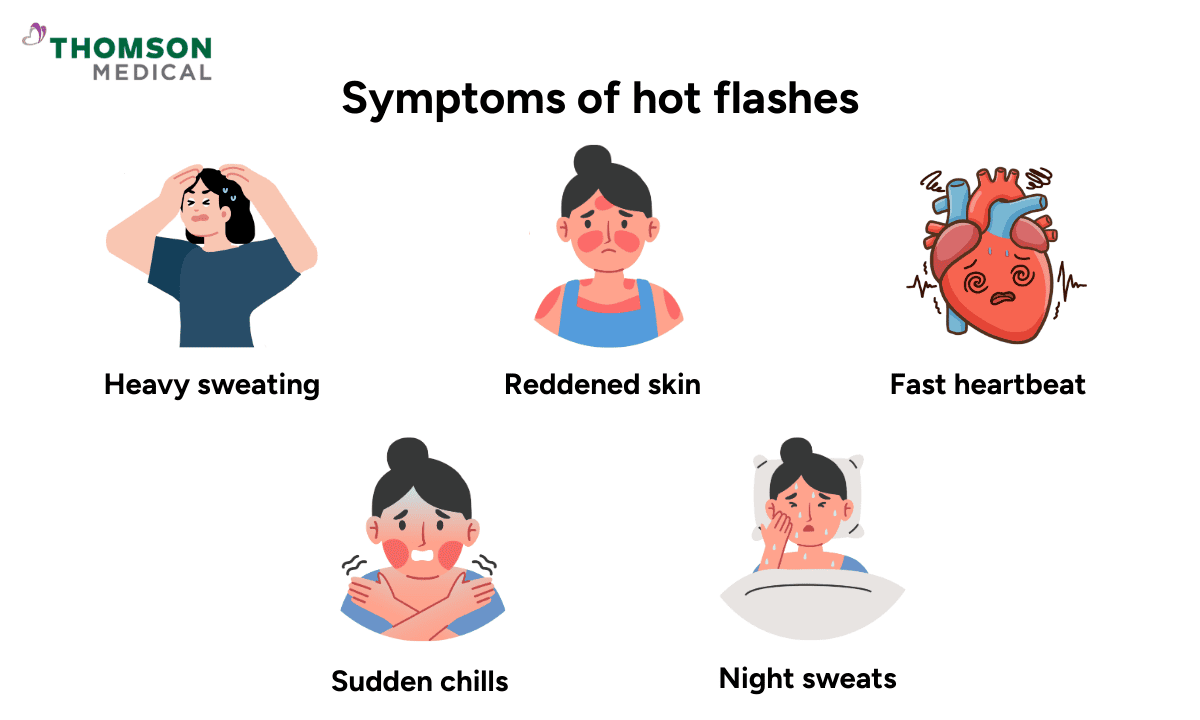
Hot flushes are sudden waves of heat that move quickly through your body. They most often affect your face, neck and chest and can come on without warning.
During a hot flush, you may notice:
Heavy sweating, especially across your upper body
Flushed or reddened skin as blood vessels widen
A fast or pounding heartbeat
Sudden chills or shivering immediately afterwards
Night sweats that may disturb your sleep
These episodes happen because the part of your brain that controls body temperature becomes more sensitive. When oestrogen levels drop, your brain can misread normal body temperature as overheating and quickly trigger a cooling response, which leads to a hot flush.
While they can feel uncomfortable, hot flushes are a common response to hormonal changes.
How do hot flushes affect health?
Hot flushes are not usually dangerous, but they can affect how you feel day to day. The discomfort is one part of it, but the ripple effects can touch many areas of your routine.
Persistent or severe episodes may lead to:
Poor sleep quality and ongoing daily fatigue
Mood changes, mild anxiety, or feelings of irritability
Difficulty concentrating on tasks or remembering details
Reduced work performance or focus during the day
Over time, ongoing hot flushes can also signal low oestrogen levels. When oestrogen remains low for a prolonged period, it may increase the risk of cardiovascular disease and bone thinning, particularly after surgical menopause.
It's important to speak to your doctor if your symptoms are severe or affecting your quality of life. You may arrange a consultation with Thomson Medical to discuss your symptoms and explore suitable treatment options.
Why do you have hot flushes after a hysterectomy?
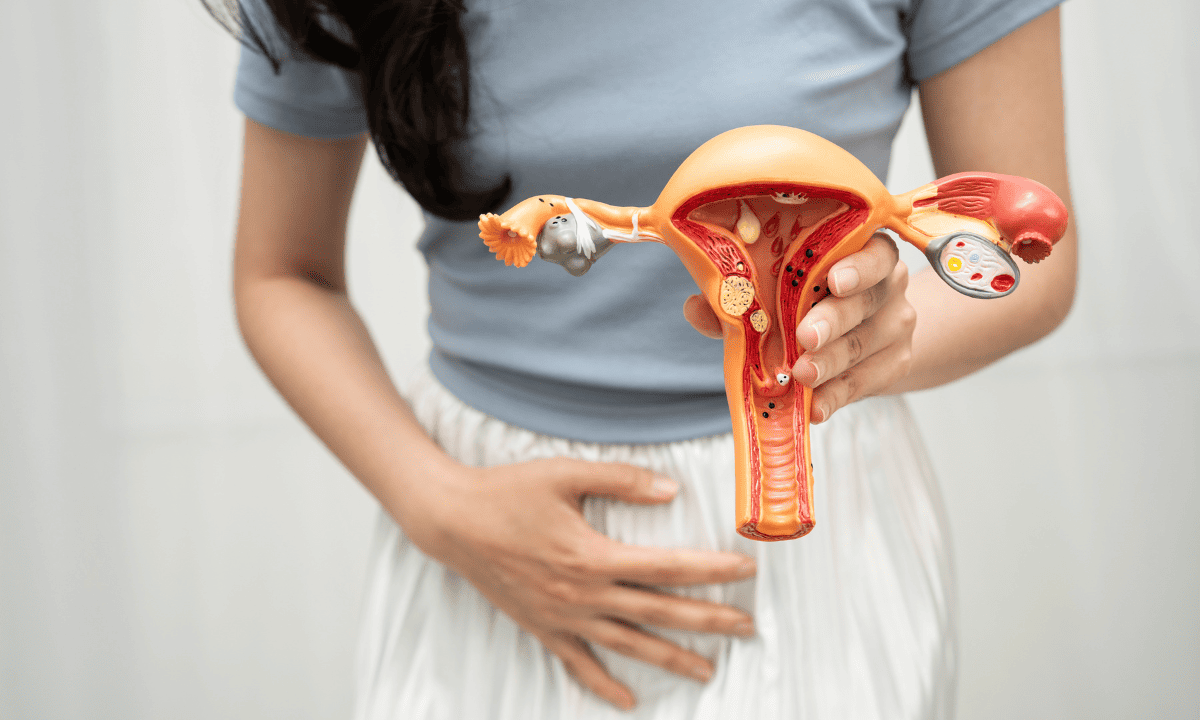
Hot flushes after a hysterectomy are usually linked to hormonal changes, particularly changes in oestrogen levels. How your body responds depends on the type of surgery you had.
Common reasons include:
Removal of the ovaries (oophorectomy):
If your ovaries were removed, your oestrogen levels would drop suddenly.
This causes immediate surgical menopause, which often triggers hot flushes.
Reduced ovarian blood supply:
Even if your ovaries are preserved, pelvic surgery can sometimes disrupt blood flow to them
This may lower hormone production, either temporarily or permanently.
Stress response to surgery:
Surgery places both physical and emotional stress on your body, which can temporarily affect temperature regulation.
Pre-existing perimenopause:
If you were already approaching menopause, the surgery may bring symptoms on sooner or make them feel more intense.
Identifying the specific cause of your symptoms helps your doctor tailor the right approach for you.
How long do hot flushes last after a hysterectomy?
There is no single timeline. How long hot flushes last depends on your age, your hormone levels before surgery, and whether your ovaries were removed.
You may notice different patterns depending on your procedure:
If your ovaries were removed:
Symptoms often begin immediately after surgery. Without treatment, they may last for several years.
If your ovaries were preserved:
Symptoms are usually milder and may settle within a few months. However, some women may still enter menopause earlier than expected.
Natural variation:
Some women experience hot flushes for 6 to 12 months, while others may have them for 5 to 10 years.
For some women, hot flushes ease within months. For others, they last longer. The good news is that you do not just have to put up with them. There are treatments and simple changes that can make a real difference if your symptoms are affecting your daily life.
How can you manage hot flushes?
Hot flushes do not have to be something you simply endure. If they are affecting your daily life, there are several ways to manage them. Treatments and practical lifestyle adjustments can help reduce symptoms and improve your comfort.
Stay hydrated and eat a balanced diet
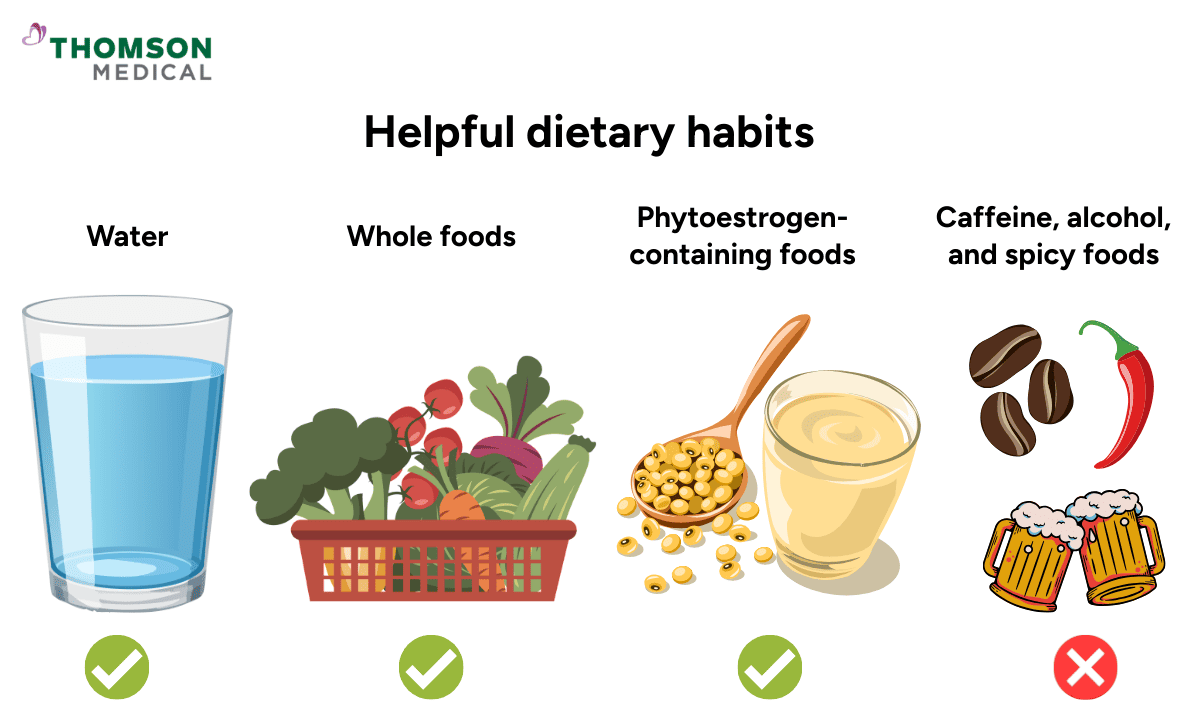
What you eat and drink can influence your body temperature and hormone balance. Making small adjustments to your meals can be a helpful supportive measure.
Helpful dietary habits include:
Drinking plenty of water throughout the day to stay cool and hydrated
Eating whole foods rich in fibre, lean protein, and healthy fats
Including phytoestrogen-containing foods, such as soy, flaxseed, and legumes
Limiting caffeine, alcohol, and spicy foods, which are known to trigger flushes
Adopting these dietary habits may help reduce the frequency of your sudden heat surges.
Regular exercise
Moving your body regularly can be an effective way to support your overall health and manage menopausal symptoms. It helps your body regulate its internal systems more efficiently.
A balanced exercise routine might involve:
Moderate aerobic exercise, which helps regulate core body temperature
Strength training to support your bone health and hormone balance
Yoga and gentle stretching to reduce stress-related symptom triggers
When it comes to exercise, aim for consistency rather than high intensity. Regular, gentle movement is often more beneficial for balancing your system than pushing yourself too hard.
Stress management
Stress can make hot flushes more frequent or more intense. When your body is under stress, it reacts more quickly to small temperature changes.
Ways to help calm your system include:
Deep breathing exercises and mindfulness practices
Meditation or guided relaxation audio tracks
Keeping a regular sleep routine
Gentle activities like walking in nature or tai chi
Lowering stress will not remove hot flushes completely, but it can reduce how strongly your body reacts and help you feel more steady as you recover.
Medical treatments
If lifestyle changes are not enough to keep you comfortable, there are medical options that may help. Your doctor can guide you through the choices that fit your health needs.
Medical options may include:
Hormone replacement therapy, which is highly effective for oestrogen-related symptoms
Non-hormonal medications, such as certain antidepressants, gabapentin, or clonidine
Vaginal oestrogen if you mainly have local pelvic symptoms and cannot take systemic hormones
Newer targeted medications that act on the body’s temperature control system
The right treatment choice depends entirely on your medical history and individual risk factors. Working closely with your doctor helps ensure you find a safe and effective approach.
If your symptoms persist despite lifestyle changes, you may arrange a consultation with Thomson Medical to explore personalised options based on your medical history.
When do I see a doctor?
While mild temperature fluctuations are normal, you do not have to manage severe discomfort on your own. Seeking professional advice ensures your recovery remains on track.
You should consult your doctor if:
Your hot flushes are severe or steadily worsening
Sleep disruption begins to affect your daily functioning
The symptoms begin suddenly or feel extreme
You experience heart palpitations, chest pain, or unexplained weight loss
Your symptoms persist despite trying lifestyle changes
Your doctor can evaluate your hormone levels, rule out other potential causes, and tailor a treatment plan safely to your needs.
Our gynaecologists in Singapore
Loading...
FAQ
How common are hot flushes following a hysterectomy?
They are very common for people who undergo a hysterectomy with ovary removal. A smaller but significant percentage of women also experience them even when their ovaries are preserved.
Is it normal to have hot flushes after surgery?
Yes, it is normal. Hot flushes are a standard response to hormonal changes and the physical stress of surgery, especially in the weeks to months immediately following your procedure.
What hormonal changes occur after uterus removal?
Removing the uterus alone does not stop your body from producing hormones. However, the surgery can sometimes reduce the ovarian blood flow, leading to lower oestrogen and progesterone levels over time.
Can you have hot flushes if you have no ovaries?
Yes, you can. Without ovaries, your oestrogen levels drop sharply. This sudden decline often causes immediate and more intense hot flushes, a condition known as surgical menopause.
What treatments are available for hot flushes after hysterectomy?
There are many supportive options available. These include hormone replacement therapy, non-hormonal prescription medications, lifestyle changes, stress management techniques, and dietary adjustments.
When should I worry about hot flushes?
You should seek medical advice if your hot flushes are severe, happen very suddenly, are accompanied by other concerning symptoms like chest pain, or are significantly affecting your quality of life.
The information provided is intended for general guidance only and should not be considered medical advice. For personalised recommendations and tailored advice based on your unique situations, please consult a specialist at Thomson Medical. Request an appointment with Thomson Medical today.
For more information, contact us:
Thomson Specialists (Women's Health)
Thomson Women's Clinic (TWC)
- Novena:
6592 6686 (Call), 8611 8986 (WA) - Bukit Batok:
6569 0668 (Call), 8686 3525 (WA) - Choa Chu Kang:
6893 1227 (Call), 8282 1796 (WA) - Jurong:
6262 8588 (Call), 6262 8588 (WA) - Katong (female doctor):
6970 2272 (Call), 8611 9020 (WA) - Punggol:
6243 6843 (Call), 8811 0328 (WA) - Sembawang: 6753 5228
- Sengkang: 6388 8125
- Serangoon (female doctor): 6382 3313
- Tampines: 6857 6266
- Tiong Bahru: 6276 1525
Notice
The range of services may vary between TWC/TS locations. Please contact your preferred branch directly to enquire about the current availability.
Request an Appointment