

You may have planned to grow your family through in vitro fertilisation (IVF) after this pregnancy. But birth doesn’t always go the way we expect. If you needed a caesarean section (C-section), you may now be wondering how long you have to wait after a C-section before you could have IVF.
Knowing why you should wait for IVF after a C-section and how long that wait may be could help you see this time differently. Rather than a delay, it becomes time for your body to heal and for you to prepare for the next step in your journey to parenthood.
What happens to the body after a C-section?
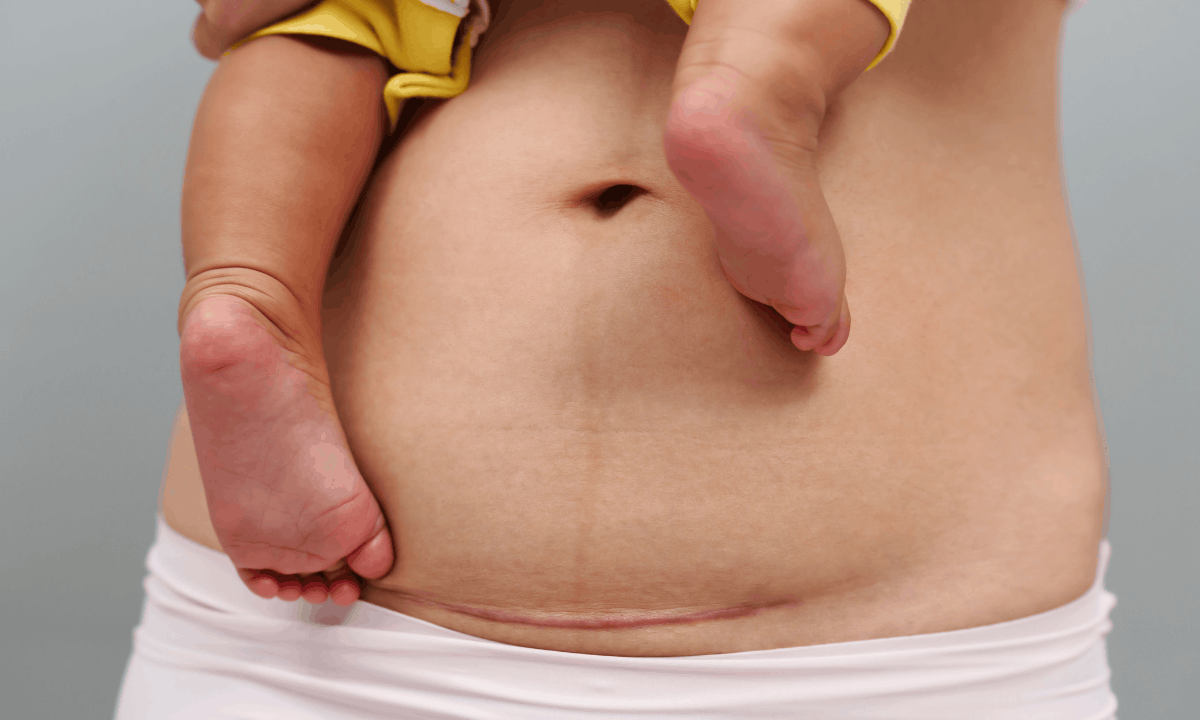
When you have a C-section, your doctor will make an incision to deliver the baby, which might wound organs such as the womb and abdomen. After the procedure, the scar from this surgical procedure and the tissues in the abdominal wall begin to heal, and your womb contracts and gradually returns towards its pre-pregnancy size. The area inside the womb where the placenta was attached also heals during this time.
At the same time, your hormone levels, such as oestrogen and progesterone, will also change after delivery. These hormonal changes support the production of breast milk and may contribute to the physical and emotional changes experienced in the postbirth period.
Should you wait before having IVF after a C-section?
As your body is still healing after a C-section, doctors usually recommend you to wait before attempting pregnancy through an assisted reproductive technology like IVF. This is because:
Your body needs to recover, as a new pregnancy will put stress on the womb and the caesarean section scar.
The uterine incision needs time to regain strength so that it could safely stretch in a future pregnancy.
Waiting after a C-section allows your body to rebuild iron and haemoglobin levels, stabilise hormones, and restore normal uterine lining cycles.
How long should you wait?
The exact waiting time after C-section varies from woman to woman. Your doctor will consider how you are recovering and whether you had any complications during pregnancy and birth. They may also recommend an ultrasound or other tests to assess your condition and help plan the next steps.
While there is no exact waiting time, doctors usually recommend waiting after C-section for at least 6 months, and often closer to 9 to 12 months, before embryo transfer.
Since the waiting time may vary from woman to woman, speak with a doctor to find out whether your body has recovered enough to begin planning your next IVF cycle. Schedule an appointment with Thomson Medical.
What are the factors affecting the waiting period?
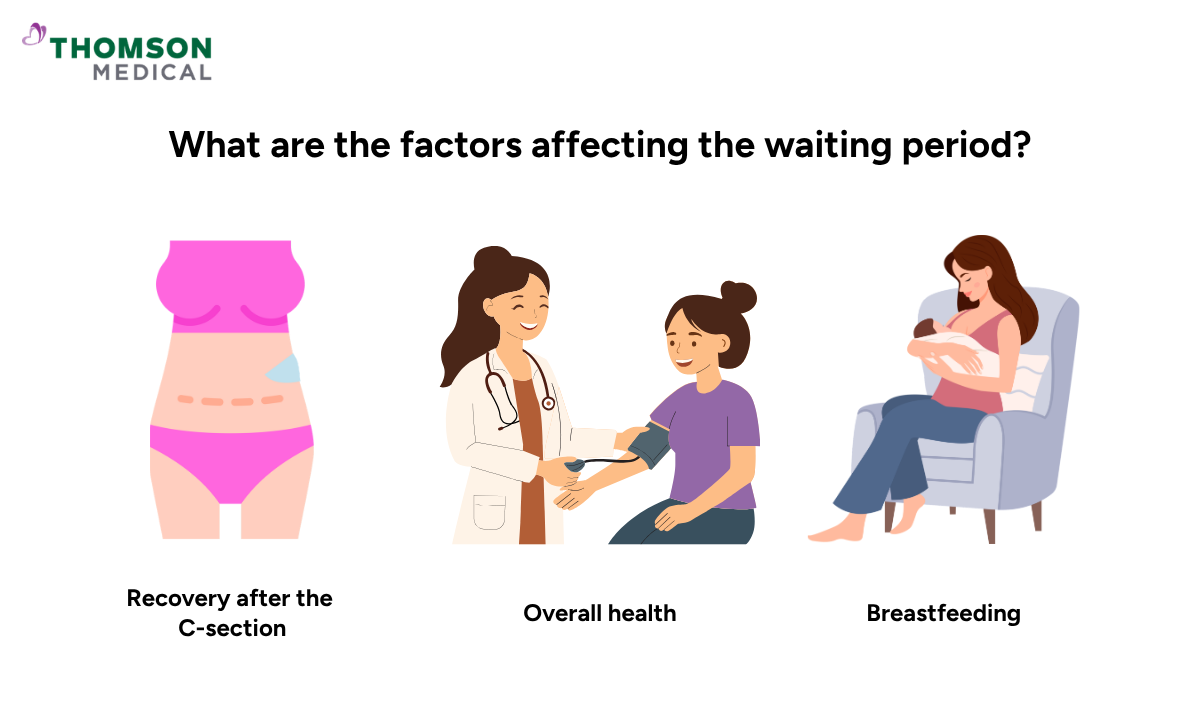
The waiting periods after your caesarean section may vary depending on several factors, including:
Your recovery after the C-section:
Your wound recovery and ongoing symptoms or concerns could affect the waiting period. If your doctor found infection, persistent heavy bleeding, wound problems, or other complications, you may need more time before starting IVF.
Your overall health:
Your overall health may affect future pregnancy outcomes. To support safer pregnancy and IVF planning, your doctor may review your general health and address any concerning conditions.
Breastfeeding:
Breastfeeding may temporarily delay ovulation and the return of periods because it affects your hormone levels. Additionally, certain IVF medicines or treatment steps may not be appropriate when you are breastfeeding.
Therefore, your doctor may advise waiting until you have stopped breastfeeding before starting certain IVF medicines or treatment.
Our fertility doctors in Singapore
Loading...
Risks of starting IVF too soon after C-section
Starting an IVF pregnancy too early after a C-section may not be advisable, as it may increase several risks, such as:
Scar separation or uterine rupture:
An uncommon risk that could happen when the caesarean section's scar is not strong enough to handle the stretching of a new pregnancy.
Placental problems:
In a future IVF pregnancy after a C-section, there is a small increased chance of placental problems, such as placenta praevia (where the placenta lies low in the womb and may cover the cervix) and placenta accreta spectrum (where the placenta grows too deeply into the wall of the womb).
These conditions may cause heavy bleeding and may increase the chance of preterm birth.
Reduced readiness for embryo transfer:
When the womb has not fully recovered, it may not be in a condition that supports embryo implantation.
Signs you may be ready for IVF
You may be ready for IVF when you notice several recovery signs. However, these signs do not guarantee that you are ready to start the IVF. You will need your doctor's assessment to confirm whether you are really ready for the treatment.
These recovery signs include:
Regular menstrual cycles, which suggests that your normal hormonal function is back.
Absence of pelvic pain, wound discomfort, or other postbirth complications, which signifies a normal recovery.
A pelvic ultrasound showing a well-healed uterine scar, since it is an important medical indicator.
Normal blood tests, especially haemoglobin and iron levels, which are a sign that you are less likely to have ongoing anaemia.
What could you do during the waiting time
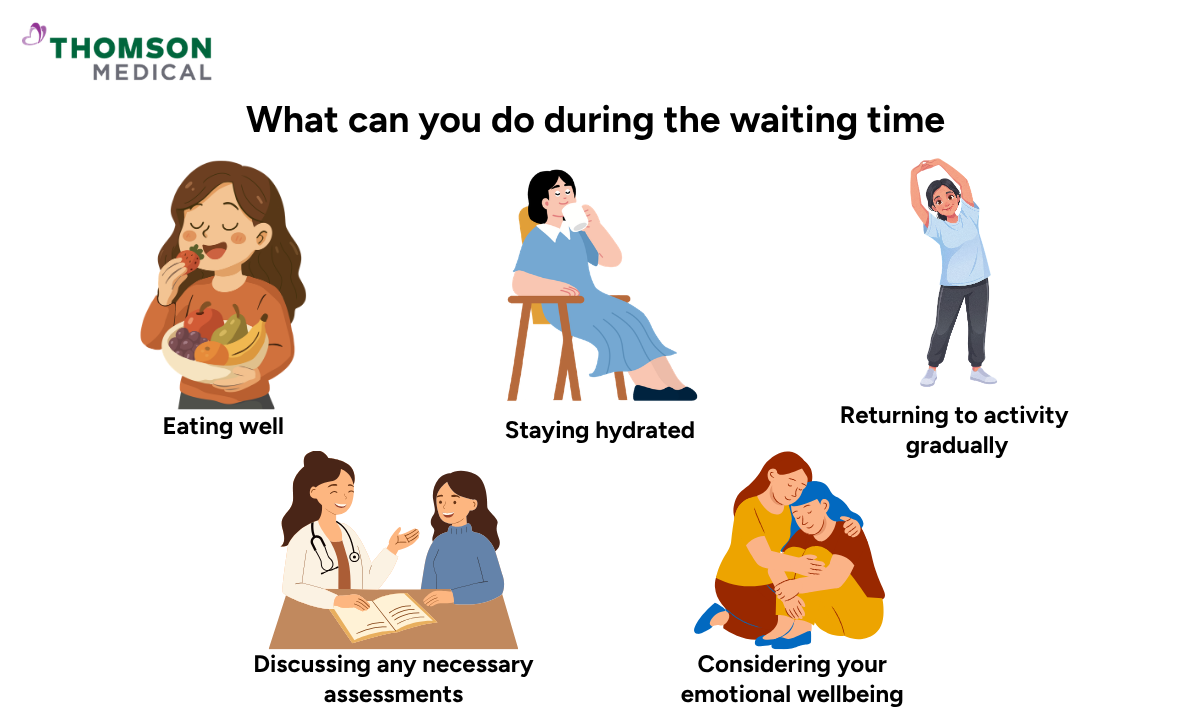
Before starting IVF, supporting your physical and emotional recovery may help you prepare for treatment while you are still in the waiting period after a C-section. These measures may help support your postbirth recovery:
Eating well:
Eating regular and nourishing meals that include protein, fruit, vegetables, and whole grains that could provide your body with energy and nutrients to recover.
Staying hydrated:
Aim to drink around 8-10 glasses of water regularly. However, you may need more water intake if you are breastfeeding.
Returning to activity gradually:
Gentle movement, such as short walks, could support circulation during recovery. Increase your activity gradually at a pace that feels comfortable to you, and avoid heavy exercise until your doctor says it is safe.
Discussing any necessary assessments:
Your doctor may recommend an ultrasound or other tests if they are relevant to your medical history or IVF plan. These assessments may help to identify concerns before embryo transfer.
Considering your emotional wellbeing:
Recovery after birth and the waiting period for your IVF may feel challenging. Seek support from your partner, family, or friends if you feel overwhelmed or anxious.
If you are planning IVF and have had a previous C-section delivery, a fertility specialist could help plan your IVF treatment at the appropriate time for you. Schedule an appointment with a specialist at Thomson Fertility Singapore.
FAQ
Does a previous C-section affect IVF?
A previous caesarean section does not prevent you from undergoing IVF. Once the womb has healed, factors such as embryo quality, age, and overall fertility health play a larger role than the previous delivery method.
Is a vaginal delivery possible following a C-section?
Yes, even though you’ve had a C-section, a vaginal delivery, also known as a vaginal birth after caesarean (VBAC), can be possible. A vaginal birth can either be a normal delivery or be assisted using medical tools.
This method of delivery carries relatively little risk for mothers who have previously had a caesarean section. VBAC can be offered to mothers as an alternative to a caesarean section, provided that the baby is in a head-down position and there is no low-lying placenta.
However, the possibility of a vaginal delivery depends on the type of uterine incision made during the caesarean section, how well the scar has healed, and the overall risk assessment during pregnancy.
Can you start IVF testing early while still in the waiting period?
You may be able to have an initial fertility consultation and complete some IVF tests while you are in the waiting period. These may include reviewing your medical history, blood tests, and an ultrasound scan to assess the womb and ovaries.
However, you may not be able to take IVF medicines, collect eggs, or perform the embryo transfer in this period.
Can multiple C-sections affect IVF outcomes?
Multiple caesarean sections do not usually affect the IVF outcomes, but they can slightly increase risks related to the uterine scar. Your doctor can advise on how your surgical history affects planning.
The information provided is intended for general guidance only and should not be considered medical advice. For personalised advice based on your conditions,schedule a consultationwith Thomson Medical.
For more information, contact us:
Thomson Fertility Centre
- Paragon: 6252 7766
- Novena: 6399 3758, 8811 0358 (WA)