

If you have been advised to undergo a colposcopy and are planning to become pregnant, it is natural to wonder whether the procedure will affect your fertility or delay your plans. Many women ask how long they should wait before trying to conceive after the examination.
In most cases, recovery is usually quick, although your doctor may recommend waiting a short period of time if a biopsy was taken. Understanding what happens during the procedure and how recovery works can help you feel more confident about when it is safe to try for pregnancy.
What is a colposcopy?
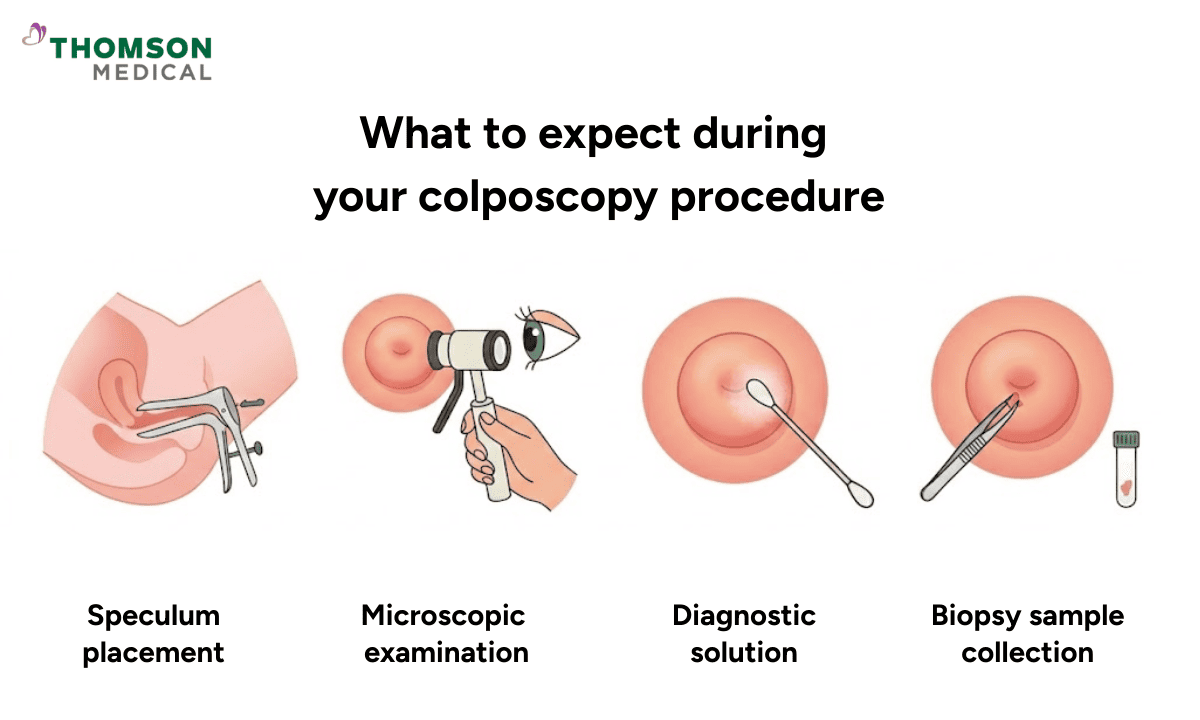
A colposcopy is a detailed medical examination that allows your doctor to take a closer look at your cervix, vagina, and vulva using a special magnifying device called a colposcope. It is usually recommended if you have had an abnormal Pap smear or a positive HPV test result.
During the appointment, your doctor will carefully examine the delicate tissues.
You can expect the following steps during the procedure:
A speculum is placed gently in the vagina, which feels very similar to having a routine Pap smear.
Your doctor applies a mild diagnostic solution (usually vinegar solution) to highlight any abnormal cells so they are easy to see.
A small biopsy or tissue sample may be taken if your doctor spots an area that needs further testing.
It helps to remember that a colposcopy is just a diagnostic test, not a treatment. Its main purpose is simply to gather information about your cervical health so your care team can make suitable decisions for you moving forward.
Does a colposcopy affect fertility or future pregnancies?
It is understandable to wonder whether a colposcopy could affect your ability to conceive or carry a pregnancy. The good news is that a standard colposcopy, including one where a small biopsy is taken, does not affect your fertility or the strength of your cervix.
The procedure involves a visual examination and, if needed, the removal of a tiny surface sample of tissue. In most cases this heals quickly and leaves your cervix's structure and function unchanged. Many people go on to have normal pregnancies and healthy births after having this examination.
When cervical weakness does occur, it is generally associated with more extensive surgical treatments rather than diagnostic procedures like colposcopy. Your cervix is a resilient organ and is well-equipped to recover from minor surface changes.
How soon after a colposcopy can you get pregnant?
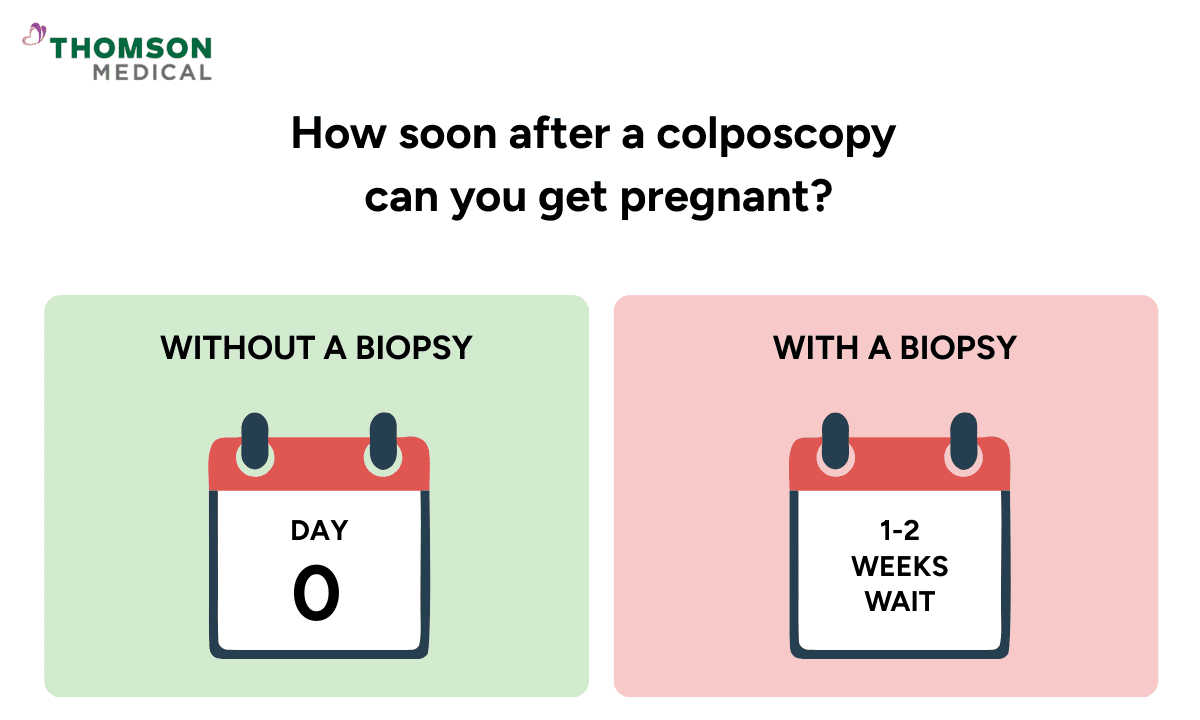
The timeline for trying to conceive depends on what happened during your specific appointment. Giving your body the right amount of time to heal ensures you stay comfortable and avoid any risk of a minor infection.
If you are eager to start trying for a baby, here is what you need to keep in mind:
Without a biopsy, you can safely try to get pregnant immediately after the appointment.
With a biopsy, your doctor usually recommends waiting about 1 to 2 weeks to allow the tiny graze to heal fully and minimise infection risk.
Every situation is slightly different, so it is always best to follow your doctor’s advice. They can let you know when it is physically safe and comfortable for you to begin trying for a pregnancy.
Our O&G Specialist
Loading...
Can a colposcopy affect your cycle?
It is very common to overthink every little change in your body after a medical appointment. However, having a colposcopy will not interfere with the natural hormones that control your monthly rhythm.
If you are tracking your ovulation to conceive, you might notice a few minor changes around the time of your appointment.
Here’s what you may expect:
Your menstrual cycle usually stays normal and arrives on schedule.
Some people may notice light spotting or a dark vaginal discharge for a few days as the area settles.
Your period can sometimes come late or early due to emotional stress, not the physical procedure itself.
Once the initial worry of the appointment has passed, your cycle should continue just as it did before. Keeping up with your usual tracking can help reassure you that everything is settling back into its normal rhythm.
Can you have a natural birth after a colposcopy?
Having a colposcopy does not usually affect your ability to have a natural birth. The procedure is simply a close look at your cervix, so it does not change how your body prepares for labour or how your cervix opens during birth.
Even if a small biopsy was taken, the strength and flexibility of your cervix remain unchanged, allowing it to soften and dilate as it normally would during labour.
For most people, the procedure becomes just a brief part of their medical history and does not shape their future birth experience.
What to expect after a colposcopy
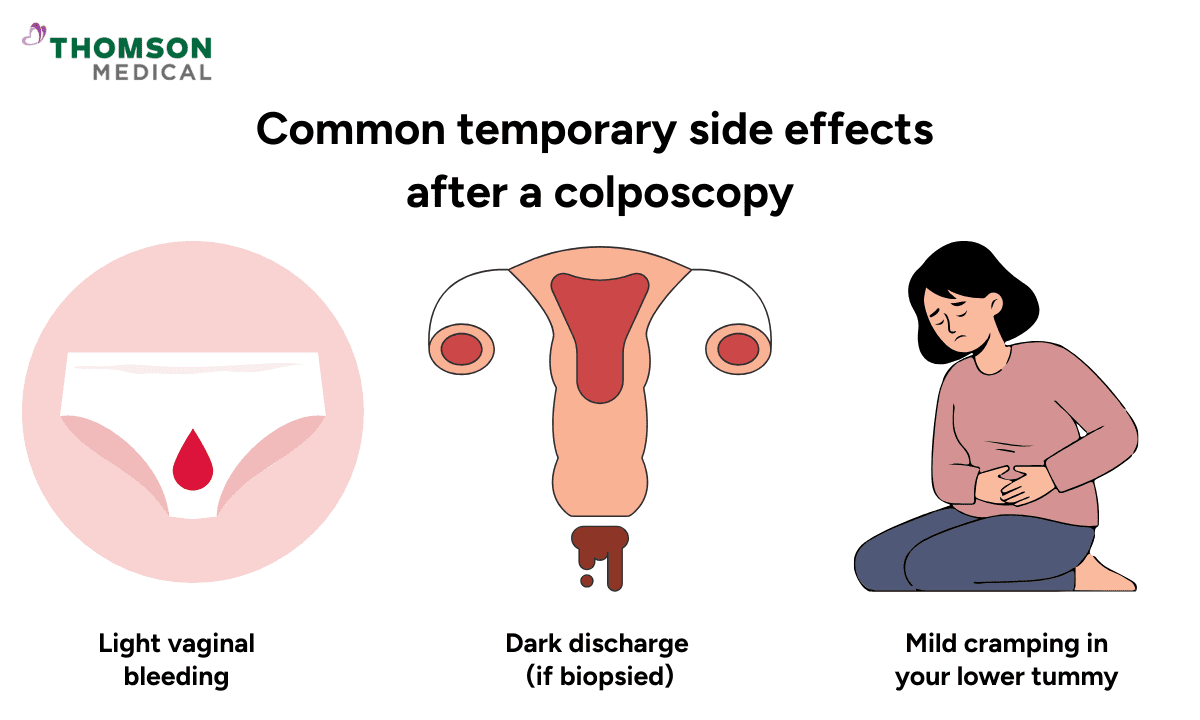
After the examination, it is normal to notice some temporary changes. Because your cervix is very sensitive, mild symptoms can occur as this area heals.
You may notice a few changes in your underwear:
Light vaginal bleeding or minor spotting
Dark discharge (if biopsied), which comes from a safe liquid medication applied to stop the bleeding
Mild cramping in your lower abdomen
Wearing a soft sanitary pad for a few days will keep you comfortable and protect your clothing. These symptoms are normal and temporary, usually fading away within a week.
If you have questions about fertility or future pregnancy after a colposcopy, it is helpful to speak with a doctor for personalised reassurance. You may schedule a consultation with Thomson Medical to discuss your reproductive health and next steps.
FAQ
When is the best time to have a colposcopy?
To make sure your appointment goes smoothly, your clinic will usually suggest:
Ideally having the test when you are not on your period
Scheduling the appointment roughly mid-cycle
Avoiding vaginal creams, tampons, or sexual intercourse for 24 to 48 hours beforehand
How painful is a colposcopy?
Everyone experiences medical examinations differently, but the vast majority of patients find this procedure manageable. It is usually much faster and easier than people anticipate.
If you are feeling nervous about the pain, it helps to know that:
Most people describe the sensation as mild discomfort rather than sharp pain.
The exam feels very similar to having a routine Pap smear.
If a biopsy is taken, you may feel a brief pinch or a quick cramp.
In most cases, any pain or pinching you may feel is usually very short-lived. Taking a simple over-the-counter painkiller an hour before your appointment can also help take the edge off any cramping.
Does your cervix scab after a colposcopy?
If your doctor takes a tissue sample, your body responds just like it would to a small scrape on your knee. It creates a natural barrier to protect the fresh tissue underneath as it mends.
If a biopsy is taken, a small protective clot forms over the area, acting very much like a scab. Over a few days, this tiny clot will dissolve and cause a dark discharge as it leaves your body. This is a good sign that your body is healing exactly as it should.
What should I avoid after a colposcopy?
During the active healing phase, you may be advised to avoid sexual intercourse, tampons, and douching for about one to two weeks.
Can I have a colposcopy if I am trying to conceive?
Yes, but timing is important. If you are actively trying to conceive, let your doctor know. They may suggest scheduling the colposcopy before your fertile window or waiting until your next period arrives to ensure you are not in the very early stages of pregnancy during the exam.
Is a colposcopy safe during early pregnancy?
If you discover you are pregnant before your appointment, a colposcopy is still safe to have. However, your doctor will usually only perform a visual check and will hold off on taking any biopsies unless considered medically necessary to protect the pregnancy.
The information provided is intended for general guidance only and should not be considered medical advice. For personalised recommendations and tailored advice based on your unique situations, please consult a specialist at Thomson Medical. Request an appointment with Thomson Medical today.
For more information, contact us:
Thomson Specialists (Women's Health)
Thomson Women's Clinic (TWC)
- Novena:
6592 6686 (Call), 8611 8986 (WA) - Bukit Batok:
6569 0668 (Call), 8686 3525 (WA) - Choa Chu Kang:
6893 1227 (Call), 8282 1796 (WA) Jurong:
6262 8588 (Call), 6262 8588 (WA)- Katong (female doctor):
6970 2272 (Call), 8611 9020 (WA) - Punggol:
6243 6843 (Call), 8811 0328 (WA) - Sembawang: 6753 5228
- Sengkang: 6388 8125
- Serangoon (female doctor): 6382 3313
- Tampines: 6857 6266
- Tiong Bahru: 6276 1525