

Many women in Singapore skip cervical cancer screening because they feel well and don’t see the need. In fact, 39.4% of Singaporean women said that they didn’t think it was necessary because they felt healthy.
If that sounds familiar, you’re not alone.
Cervical cancer is the tenth most common cancer among Singaporean women. It often develops quietly over 10 to 20 years, with few to no warning signs in its early stages. By the time symptoms appear, treatment can become more complex.
This is where a Pap smear plays an important role. It helps detect early changes in cervical cells before they develop into cancer, when treatment is usually simpler and more effective. Although cervical cancer is one of the more common cancers among women in Singapore, it is also one of the most preventable with regular screening.
Knowing what a Pap smear involves and why it is recommended can help you take a confident step towards protecting your health.
What is a Pap smear test, and why is it important?
For example, if you detect your cervical cancer at Stage 1, the five-year survival rate is approximately 95%. However, this will go down to only 15% by stage 4. These numbers can feel worrying, but they highlight why early screening makes such a meaningful difference.
There are three main reasons why a Pap smear is recommended:
Early detection of cervical cancer:
It can identify cancer in its earliest, most treatable stages, often before any symptoms appear.
Finding precancerous changes:
It can detect abnormal cells that might become cancerous if left untreated, allowing for early treatment.
Screening for HPV:
The Pap smear is often combined with an HPV test, because high-risk HPV strains are the primary cause of cervical cancer. Together, both tests can provide a clearer picture of your cervical health.
Cervical cancer in Singapore
Cervical cancer ranks as the 10th most common cancer among women in Singapore, with around 200-400 new cases diagnosed each year. Hearing statistics like these can feel unsettling, but the good news is that cervical cancer is highly preventable with regular screening.
Key risk factors
Most cases of cervical cancer are linked to a long-term infection with certain high-risk types ofhuman papillomavirus (HPV), especially HPV types 16 and 18.
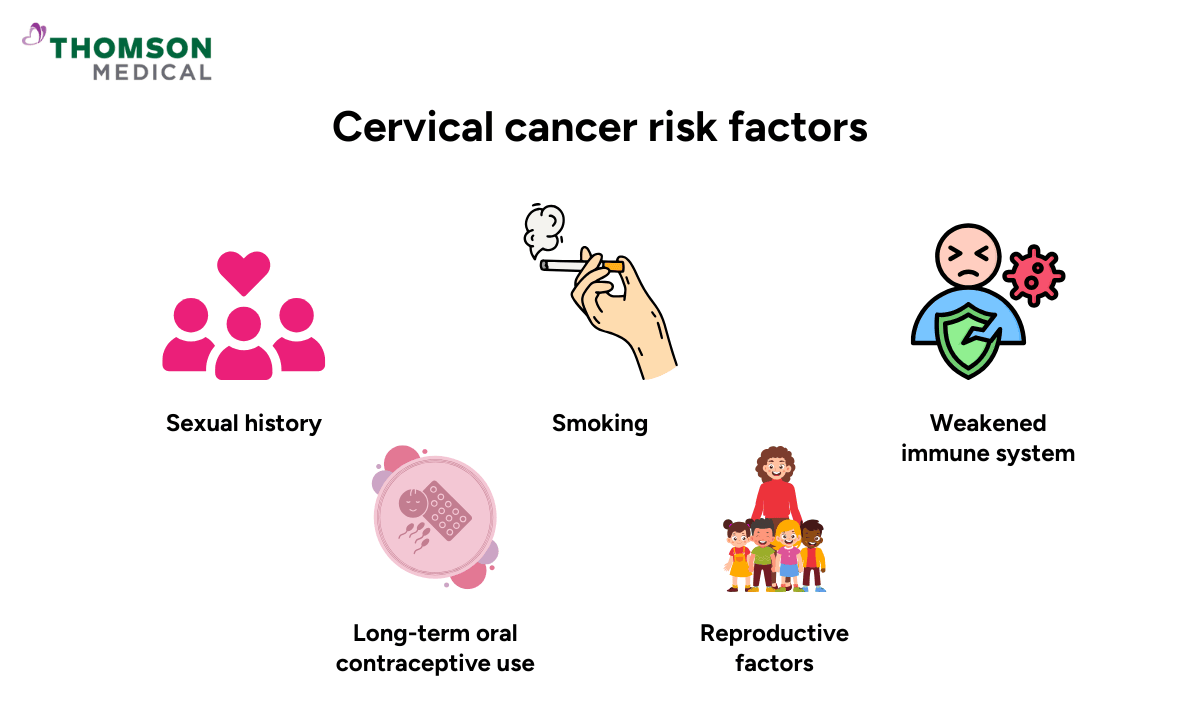
There are other risk factors that also increase your chances of developing cervical cancer:
Sexual history:
Becoming sexually active at a young age, having multiple sexual partners, or having a partner with multiple sexual partners can increase your exposure to HPV.
Smoking:
Chemicals in tobacco can damage your cervical cells, making cancer more likely if you have HPV.
Weakened immune system:
Conditions like HIV or taking immunosuppressant medications can make it harder for your body to clear HPV infections.
Long-term oral contraceptive use:
Using birth control pills for five years or longer can raise your risk.
Reproductive factors:
You’re also at risk if you have given birth three or more times.
It’s important to note that having one or more of these factors doesn’t guarantee that you will get cancer. It just means that having routine screening tests is even more essential than ever.
Symptoms to watch for
What makes cervical cancer challenging is that this cancer usually doesn’t cause any clear symptoms in the early stages. When the symptoms do appear, the cancer may have progressed to a further stage. That’s why it’s helpful to pay attention to any changes in your body, such as:
Unusual vaginal bleeding, especially after intercourse
Pelvic pain or discomfort during intercourse
More frequent urination or pain during urination
While these symptoms can be caused by other conditions, it’s still important to have them checked so you can get the right care early.
If you experience these signs, it’s best to consult your doctor as soon as possible. Early detection through a Pap smear can make a big difference in your treatment outcomes.
If you have concerns about cervical health or you want to take proactive steps to protect your health, schedule an appointment at Thomson Medical. Our gynaecologic oncologists can guide you through the right tests for early cancer detection and provide personalised care every step of the way.
Our women's cancer specialist
Loading...
How does a Pap smear work?
It’s completely normal to feel a bit anxious about your first Pap smear, but knowing what to expect can help ease your mind.
Preparation before the test
To ensure the best results, your doctor may advise you to follow these guidelines for 48 hours before your appointment:
Timing:
It’s usually recommended to schedule your test when you are not on your period, ideally about two weeks after your previous period started.
Avoid insertion:
Try to avoid inserting anything into your vagina, including tampons, medicines, creams, or suppositories.
Avoid sexual activity:
It’s better to refrain from sexual intercourse until after the test.
Avoid douching:
You may also be advised not to rinse your vagina with water or any other fluids before the test.
Clothing:
If you wear a two-piece outfit like a skirt or pants, it will be easier to undress from the waist down.
Don't be afraid to ask your doctor if you have any questions about what to avoid or how to get ready for the test.
The step-by-step procedure
The procedure is usually straightforward and quick, lasting only a few minutes. Here’s what will happen during the process:
Check-in and consultation:
When you arrive, you’ll check in at the clinic. Your doctor will discuss your medical history, period cycle, and any concerns you may have.
Positioning:
You will be asked to undress from the waist down and lie on an examination table with your feet placed in supports called 'stirrups'. You will be provided with a gown or sheet for coverage and privacy.
Speculum insertion:
Your doctor or nurse will gently insert a plastic or metal instrument called a speculum into your vagina to open the vaginal walls so they can see your cervix clearly.
You may feel some pressure or mild discomfort, but it won’t last long.
Cell collection:
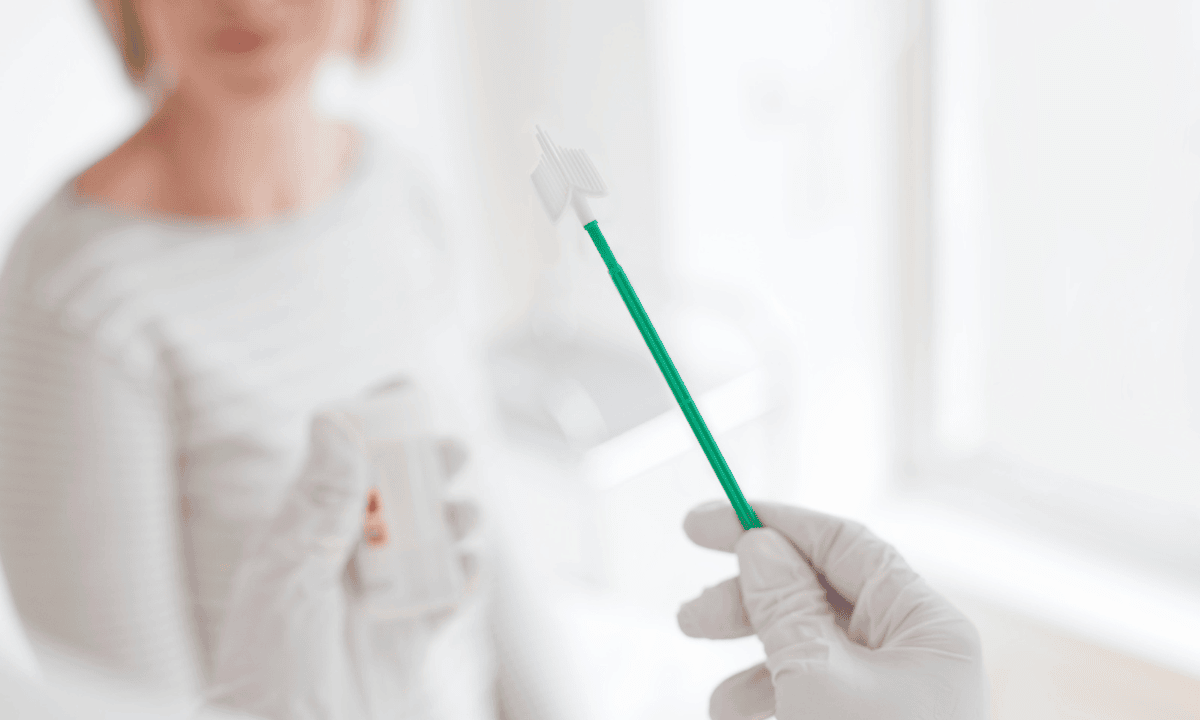
Your doctor will take a sample of cells from the surface of your cervix with a small, soft brush or spatula.
This is a quick process, and you might feel a brief pinch or scratching sensation, but it should not be painful.
Specimen handling and speculum removal:
The collected cell sample is sent to a laboratory for analysis. The speculum is then gently removed.
Aftercare:
You can get dressed and resume normal daily activities immediately after the test. Some mild spotting or cramping is normal. However, if you experience heavy discomfort or it lasts more than a day, you should reach out to your doctor for medical advice.
Most women find the appointment much quicker and easier than expected. However, it’s okay if you still feel worried, your doctor understands this and will do everything they can to make the experience as comfortable as possible for you.
Receiving results
You will receive results within a few days to a few weeks, depending on the clinic. Your doctor will discuss the results with you and explain what they mean.
Normal (negative) results:
This means no abnormal cells were found. In this case, you will be advised of your next routine screening date, which is usually in three years.
Abnormal results:
Try not to worry – this doesn’t always mean cancer. Abnormal results indicate cell changes that need further investigation, such as additional tests or a referral to a gynaecologist for a colposcopy.
Your doctor will follow up with you and guide you through the next steps.
Sometimes, the test may not collect enough cells or the sample may be unclear. This is called an “unsatisfactory” or “inadequate” result and does not mean anything is wrong. In this case, the test simply needs to be repeated.
It’s natural to feel nervous when waiting for or receiving the results. Your doctor will be there to support you and guide you through every step of the process.
Who does not need a Pap smear?
Most women benefit from regular Pap tests, but there are a few exceptions where screening may no longer be necessary. You may not need a Pap smear if:
You have had a total hysterectomy (removal of the uterus and cervix) for non-cancerous reasons, such as fibroids or heavy bleeding, and have no history of cervical cancer or pre-cancer.
You are over 65 and have had consistently normal results over the past 10 years. Your doctor may advise that further screening is no longer needed.
You have never been sexually active. While the risk of cervical cancer is very low, you should discuss your personal risk factors with your doctor.
You have certain medical conditions or previous treatments where screening may no longer be necessary.
Always check with your doctor before stopping cervical cancer screening. They can guide you based on your age, medical history, and risk factors.
How much does a Pap smear cost in Singapore?
The good news is that cervical cancer screening in Singapore is generally accessible and affordable, especially for citizens and permanent residents. The price will vary based on the provider and any subsidies you may be eligible for.
Public clinics:
It usually costs SGD 15-50. However, it can be as low as SGD 0–5 with CHAS/Healthier SG subsidies for eligible citizens.
Private clinics:
The price will range from SGD 80-300.
Charity clinic (Singapore Cancer Society):
The Singapore Cancer Society offers free Pap smears for eligible women.
You can book appointments online or by calling the clinic directly. If eligible, it’s better to ask about CHAS, Screen for Life, or Healthier SG subsidies to reduce your cost.
If you are considering a Pap smear test or HPV test, and are unsure which screening is suitable for you, schedule an appointment with Thomson Medical. Our specialist will help you understand your options and provide a clear, personalised care plan tailored to your needs.
FAQ
At what age should I start getting Pap smear tests in Singapore?
In Singapore, you should start Pap smear tests at age 25 if you have ever been sexually active.
How often should I have a Pap smear test done?
If you are between the ages of 21 and 29, you should have a Pap smear every three years.
If you have both a Pap smear and an HPV test (co-testing), you can have one every five years between ages 30 and 69.
If you only have a Pap test, you can have one every three years.
Based on your personal health history, your doctor will consult with you on the appropriate screening guidelines and schedule.
Can I get a Pap smear test if I am not sexually active?
Yes, you can get a Pap smear even if you are not sexually active. While the risk is lower if you have never been sexually active, cervical cancer can still occur, so a Pap test is considered a routine screening for all women with a cervix, regardless of their sexual history.
If you have concerns about the test or your personal situation, talk to your doctor. They will help you figure out if this health screening is right for you.
Is HPV vaccination a replacement for Pap smear tests?
No, HPV vaccination doesn’t replace Pap smears or HPV testing.
Even though the HPV vaccine prevents infection from the most common high-risk strains, it doesn’t protect against all types of HPV that might cause cancer. The vaccine won't get rid of an infection if you’ve already been exposed to the virus.
That’s why regular cervical cancer screening is important for detecting cell changes and preventing cancer.
Can I get tested during my period or while pregnant?
It's best to avoid scheduling your Pap smear during your period, because the blood can affect the test results. To ensure the most accurate results, you should book your appointment at least five days after your period ends.
If you're pregnant, you can still have a Pap smear. It's safe throughout pregnancy. However, make sure to let your doctor know you're pregnant when booking your appointment.
What's the difference between a Pap smear and an HPV test? Which should I choose?
Both tests involve the same cell collection procedure during a pelvic exam, but they look for different things:
Pap smear:
It detects abnormal or precancerous changes on your cervix.
Essentially, it looks for the cellular changes caused by HPV or other factors.
HPV test:
This test detects the presence of high-risk HPV strains, especially types 16 and 18, which can cause cervical cancer.
You don't have to make a decision on your own. Your doctor will help you choose the right test based on your age and health history.
Can an HPV test be done with a Pap smear?
Yes, in many cases, an HPV test is done at the same time as a Pap smear – this is known as co-testing. Both tests use the same sample of cervical cells collected during the procedure, so you do not need two separate appointments. The Pap smear checks for abnormal cervical cells while the HPV test detects high-risk HPV strains that can cause those changes.
Co-testing gives your doctor a more complete picture of your cervical health. Your doctor will advise whether co-testing is appropriate based on your age and medical history.
The information provided is intended for general guidance only and should not be considered medical advice. For personalised recommendations and advice based on your unique situation, please consult a specialist at Thomson Medical. Request an appointment with Thomson Medical today.
For more information, contact us:
Thomson Specialists (Women's Health)
Thomson Women's Clinic (TWC)
- Novena:
6592 6686 (Call), 8611 8986 (WA) - Bukit Batok:
6569 0668 (Call), 8686 3525 (WA) - Choa Chu Kang:
6893 1227 (Call), 8282 1796 (WA) Jurong:
6262 8588 (Call), 6262 8588 (WA)- Katong (female doctor):
6970 2272 (Call), 8611 9020 (WA) - Punggol:
6243 6843 (Call), 8811 0328 (WA) - Sembawang: 6753 5228
- Sengkang: 6388 8125
- Serangoon (female doctor): 6382 3313
- Tampines: 6857 6266
- Tiong Bahru: 6276 1525