

You and your partner have been through every stage of the IVF procedure and finally reached the embryo transfer phase. Now you're at home, waiting for the pregnancy test your clinic has scheduled, with nothing much to do but wait it out.
And somewhere in that wait sits the question nobody quite wants to say out loud, which is, how do you know if your IVF treatment has worked?
When is IVF considered to have worked?
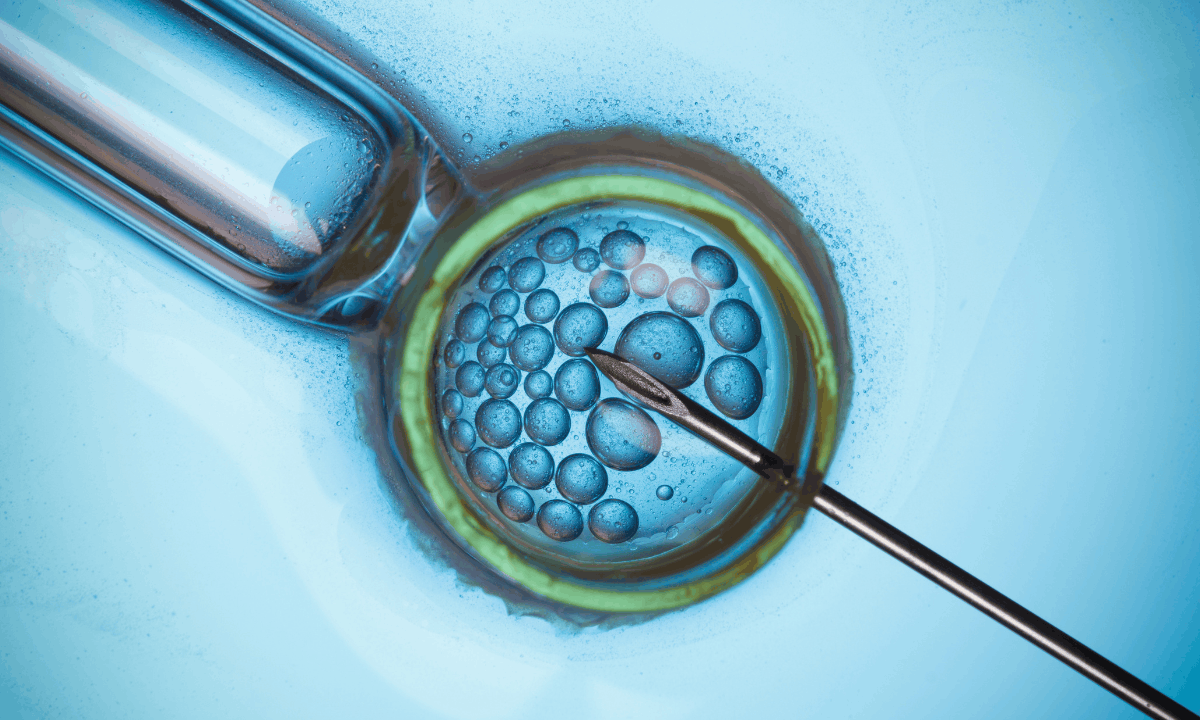
During in vitro fertilisation (IVF) treatment, the procedure is usually considered to have worked if it resulted in pregnancy after the embryo transfer phase. To confirm whether the cycle has resulted in pregnancy, your doctor will perform several tests.
However, before these tests are carried out, you will have to wait for a period of time, often referred to as the “two-week wait”. The purpose of this waiting period is to allow a pregnancy hormone to increase to a level that could be reliably measured.
What are the symptoms of a pregnancy after embryo transfer?
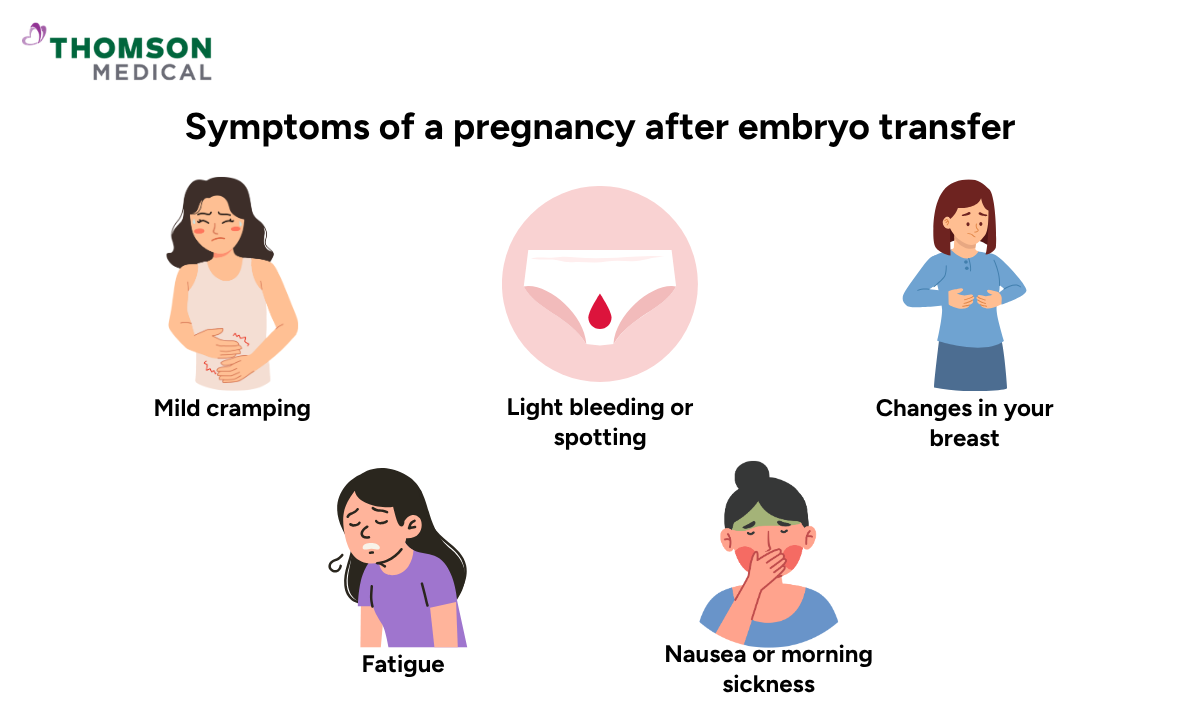
If implantation has occurred and pregnancy hormones begin to rise during the two-week wait, you may experience some of the following early pregnancy symptoms:
Fatigue
Mood swings
Frequent urination
Increased sensitivity to smells
Mild cramping
Light bleeding or spotting
Breast tenderness, swelling, and increased sensitivity
Nausea or morning sickness, which usually appears later in pregnancy but may occur in the early stages in some cases.
While these symptoms could indicate pregnancy, they may also be caused by IVF medication, particularly progesterone treatment. To help check whether implantation has taken place, you could take a home urine pregnancy test kit when you experience the symptoms mentioned above.
When should you take a home pregnancy test after IVF?
If you choose to take a home pregnancy test, it is recommended that you wait until the scheduled date recommended by your doctor. This is because home pregnancy tests rely on detecting the human chorionic gonadotropin (hCG) level, or pregnancy hormone, in urine. So, if you take the test before enough pregnancy hormone has built up, the result may be negative even if implantation has occurred, which is called a false negative.
If your IVF cycle included an hCG trigger injection before egg retrieval, this hormone medication may still be detectable in your body for some time. Therefore, if you take a home test too soon, it may detect the injected hCG rather than hCG produced by a pregnancy, resulting in a false positive.
It is generally recommended to use first-morning urine for the test, as this usually contains the highest concentration of hCG, the hormone produced during pregnancy.
If you think you have been experiencing pregnancy symptoms during the two-week wait and have taken several home tests, but the results are unclear, consider a consultation with a fertility specialist who could assess your condition. Schedule an appointment with Thomson Fertility Singapore.
Our fertility doctor in Singapore
Loading...
How doctors check for early IVF pregnancy
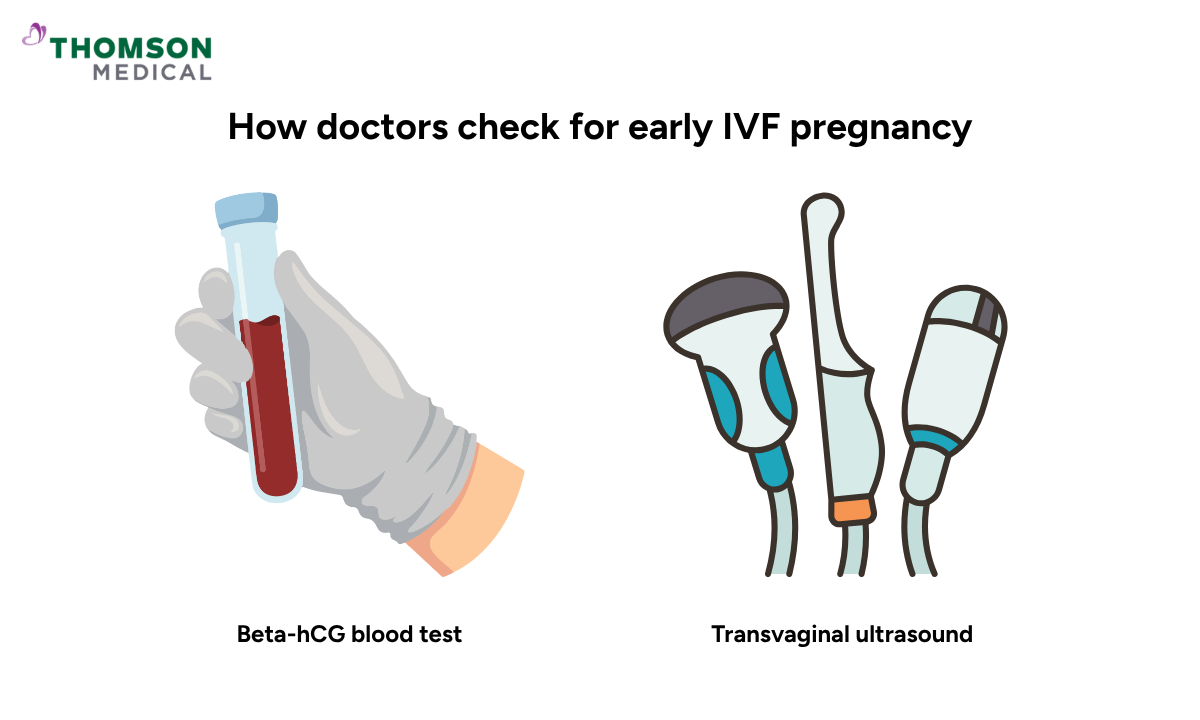
Although at-home pregnancy tests may be useful for providing an early indication of pregnancy, they could sometimes produce inaccurate results and cannot confirm whether the pregnancy is developing normally. To confirm a pregnancy, your fertility doctor will usually perform various tests, such as:
hCG blood test
Your doctor will arrange an hCG blood test about 9 to 14 days after embryo transfer to check for pregnancy. A positive result may indicate that implantation has occurred.
However, one result alone cannot confirm whether the pregnancy is progressing normally or developing in the womb. So, your doctor will usually repeat the test about 48 hours later to check how the hCG level is changing.
Transvaginal ultrasound
After repeating the hCG test, your doctor may arrange a transvaginal ultrasound scan, which uses a slim probe to provide a detailed view of your womb. This scan is usually performed at around 6 to 7 weeks of pregnancy, although the exact timing varies depending on your pregnancy.
This imaging technique could also help to confirm:
Pregnancy location: whether the embryo is growing safely inside the uterus rather than outside (e.g., in a fallopian tube, which is known as an ectopic pregnancy).
Gestational sac: a fluid-filled structure surrounding the developing pregnancy.
Yolk sac: a small structure inside the gestational sac that nourishes the embryo until the placenta forms.
What factors could affect the IVF outcome?
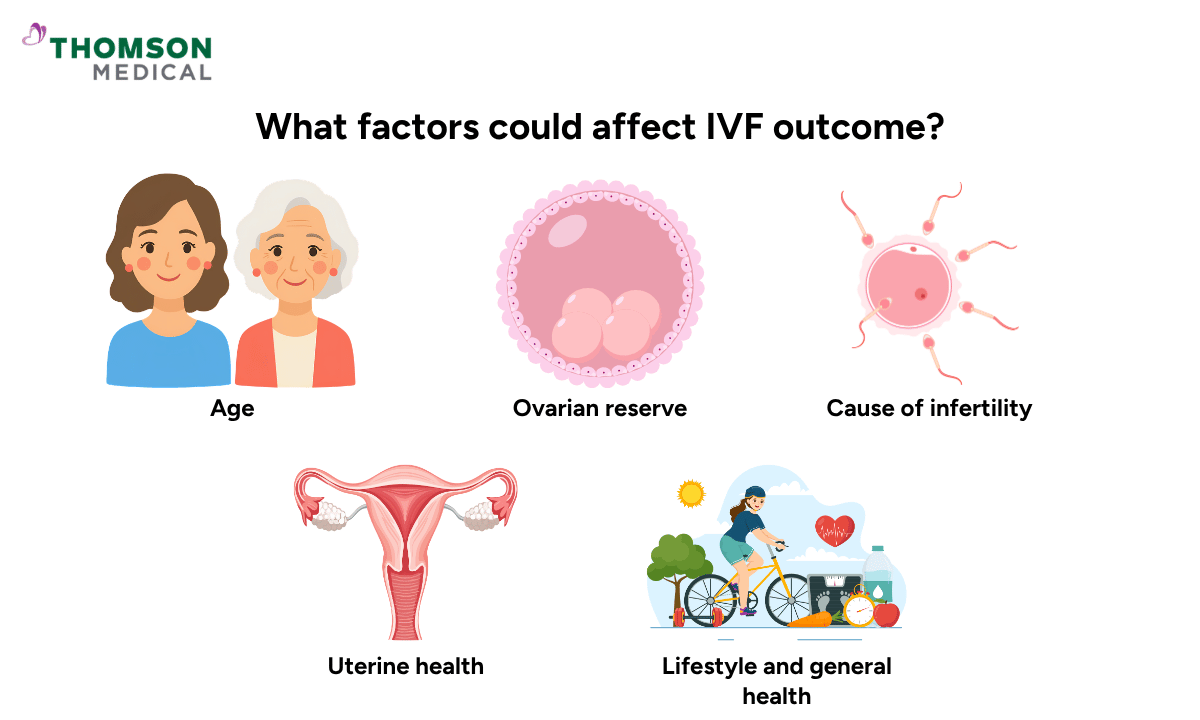
Several factors may affect how IVF treatment progresses and the likelihood of conception. These may include:
Age:
As age increases, the number and quality of eggs generally decline. Sperm health, including sperm count, movement, and quality, may also change with age.
These age-related changes could affect fertilisation, embryo development and implantation.
Ovarian reserve:
Ovarian reserve refers to the estimated number of eggs remaining in the ovaries. A lower ovarian reserve often means fewer eggs collected per cycle, which affects how many embryos are available for transfer or freezing.
Cause of infertility:
Conditions such as blocked or damaged fallopian tubes and severe male factor infertility may make it more difficult for the egg and sperm to meet and fertilise.
Uterine health:
Lifestyle and general health:
Factors such as body weight, smoking, alcohol intake, sleep, and overall health may affect fertility and pregnancy health.
Healthy lifestyle changes may support your general wellbeing but cannot guarantee a particular IVF outcome.
Previous IVF treatment:
Your fertility specialist will review how your ovaries responded to stimulation, the number of eggs collected, fertilisation results, embryo development, and outcomes from previous embryo transfers.
If embryos are available for freezing, your specialist may also discuss the cumulative chance of a live birth across multiple embryo transfers.
How could you support IVF outcomes?
Although IVF outcomes depend on factors that you cannot fully control, there are practical steps you may take to support your general health and treatment plan. These include:
Follow your treatment plan and attend monitoring appointments. This allows your doctor to monitor your response, adjust treatment where needed, and plan egg retrieval or embryo transfer safely.
Avoid smoking, vaping, and alcohol, as exposures to these substances may affect fertility and pregnancy health.
Support your general health by eating regular and balanced meals, staying active as advised by your doctor, and getting enough sleep.
Look after your emotional wellbeing, as IVF could be demanding. You may seek support from your partner, family, friends, or a counsellor.
Additionally, you need to ask your doctor before taking any supplements or herbal products, as some may interact with IVF medicines or may not be suitable to be consumed around the time of embryo transfer and early pregnancy.
If you and your partner have more questions related to your IVF outcome, a fertility specialist can explain your hCG results, arrange appropriate follow-up, and discuss your individual plan. #Schedule an appointment with Thomson Fertility Singapore.
FAQ
How many IVF cycles do women usually need for IVF treatment?
The number of IVF cycles needed varies from person to person. Some women may be able to become pregnant after their first cycle, while others may need further treatment and more cycles.
What is the ideal hCG level after embryo transfer?
There is no ideal hCG hormone level after embryo transfer, but doctors usually consider a beta-hCG level of 25 mIU/mL or higher as a positive result, meaning that this pregnancy-related hormone has been detected. Meanwhile, if the result is between 5 and 24 mIU/mL, it may be inconclusive and may need repeat testing.
When do the first symptoms of pregnancy start?
Early pregnancy symptoms can start as early as 4 to 6 weeks of pregnancy, but some people may notice them later or may not have them at all.
Why do you have light pink spotting after embryo transfer?
Light pink spotting after an embryo transfer can occur from mild irritation in the cervix. The irritation may come from the catheter used in embryo transfer or vaginal progesterone medication and hormonal changes.
Additionally, if light pink spotting happens around the time implantation may be taking place, the colour may come from implantation bleeding that is mixed with vaginal discharge.
The information provided is intended for general guidance only and should not be considered medical advice. For personalised advice based on your unique conditions,schedule an appointmentwith Thomson Medical.
For more information, contact us:
Thomson Fertility Centre
- Paragon: 6252 7766
- Novena: 6399 3758, 8811 0358 (WA)