

Completing ovarian cancer treatment is a major milestone. Even so, it is very common to think about recurrence, especially as you begin follow-up care and adjust to life after treatment.
While no one can eliminate the risk entirely, there are practical steps that can support your long-term health. Staying connected with your care team, attending regular follow-up appointments, and understanding which factors matter most can help you feel more informed and confident as you move forward.
Why might ovarian cancer come back?
If you experience an ovarian cancer recurrence, it is important to understand that this is not a reflection of your actions or a failure of your previous care. Recurrence is driven by complex biological factors often beyond clinical control:
- Microscopic Cells: Tiny cancer cells may remain undetected by current imaging after initial treatment and begin to grow later.
- Chemotherapy Resistance: Some cells can adapt over time, allowing them to survive chemotherapy.
- Cellular Diversity: Not all cells within a tumour behave identically; some may be more resilient to standard treatments.
- Regeneration: A specific subset of cells may possess the ability to regenerate the tumour months or even years later.
Staying connected with your specialist and monitoring your body's signals is a proactive way to manage your long-term health.
What are the chances of recurrence?
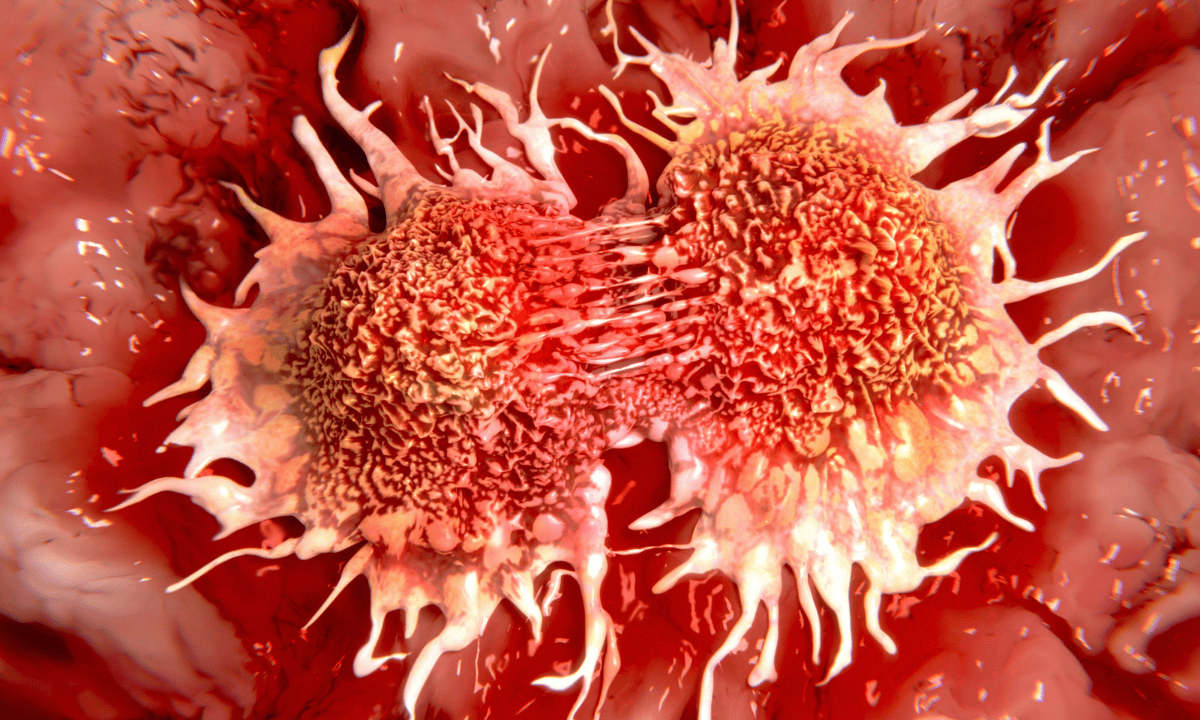
It is natural to look for clarity regarding the future. While every individual’s journey is unique, statistics based on the stage of your initial diagnosis provide a general clinical framework:
| Initial Diagnosis Stage | Estimated Recurrence Rate |
| Stage 1 | 10% - 20% |
| Stage 2 | 30% - 40% |
| Stage 3 - 4 | 60% - 80% |
Note: These figures represent broad clinical data. Your individual risk is influenced by your tumour grade, overall health profile, and how your body responded to initial interventions.
Risk factors for ovarian cancer recurrence
Certain factors may influence the likelihood of ovarian cancer recurrence, and having one or more of these does not mean the cancer will return.
Tumour-related factors:
Advanced ovarian cancer stage (3 or 4)
High-grade tumours
Extensive abdominal spread
Residual tumor after surgery
Patient-related factors:
BRCA1/BRCA2 or HRD mutations
Older age
Poor overall health or reduced immune function
Delayed diagnosis
Treatment-related factors:
Incomplete surgical debulking
Early discontinuation of therapy
Limited access to maintenance treatment
Risk factors are one part of the picture and are tools for planning care – not predictions. Many women with one or more of these factors go on to live in good health for many years.
If you recognise any of these factors and feel uncertain about what they mean for you, request a consultation with Thomson Medical. Our doctors can help you understand your individual risk and tailor a follow-up plan that feels clear and supportive.
Our ovarian cancer specialist
Loading...
Managing the Risk of Ovarian Cancer Recurrence
While the possibility of recurrence is a reality, there are clinical and lifestyle strategies available to support your recovery and monitor your health effectively.
Systematic Medical Follow-up
Regular medical follow-up is a cornerstone of survivorship. These appointments allow your doctor to monitor your recovery, manage side effects, and provide peace of mind. Your schedule is typically tailored to your specific ovarian cancer type and treatment history:
- Years 1–2: Every 3 months.
- Years 3–5: Every 6 months.
- Year 5 onwards: Annually.
Standard follow-up procedures may include:
- Physical examinations and symptom reviews.
- CA-125 blood tests (if markers were elevated at diagnosis).
- Imaging tests such as CT or PET scans if new symptoms or blood markers arise.
Maintenance Therapy
Following surgery and chemotherapy, your specialist may discuss maintenance therapy. While it is not a cure, it aims to extend the time before a potential recurrence. This is often recommended for advanced-stage ovarian cancer or for those with BRCA1, BRCA2, or HRD-positive tumours.
| Therapy Type | Method of Delivery |
| PARP Inhibitors | Oral medication (pills) taken daily at home |
| Anti-angiogenic Therapy | Intravenous infusions at the hospital every few weeks. |
| Immunotherapy | Specialised intravenous infusions for specific cases |
Support Through Nutrition and Diet
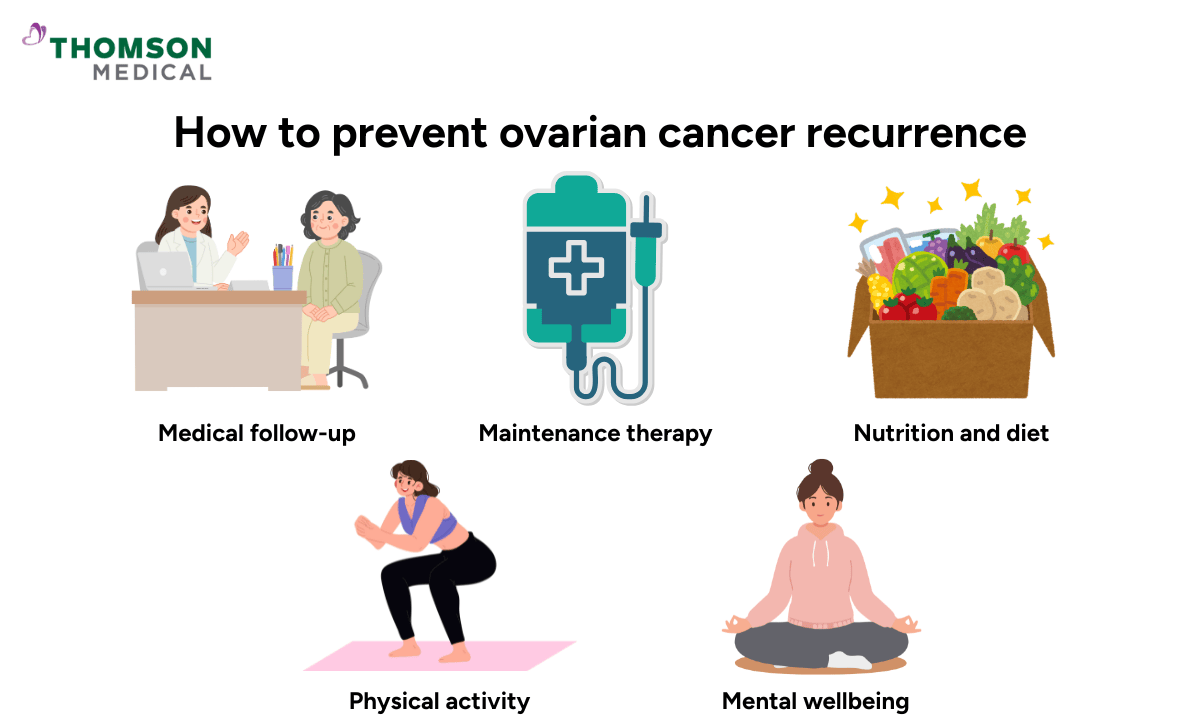
Focusing on nutrition is about nourishing your body to support cancer healing. A balanced diet can help manage inflammation and maintain energy levels:
- Anti-inflammatory Foods: Focus on colourful fruits, vegetables, whole grains, and lean proteins to support immune function.
- Omega-3 Fatty Acids: Found in fatty fish (salmon, mackerel), walnuts, and chia seeds to help manage inflammation.
- High Fibre: Legumes and whole grains support digestion and a healthy immune response.
Eating well after ovarian cancer treatment isn't about following strict rules or achieving some kind of perfect diet. It's about nourishing your body, supporting your recovery, and giving yourself the energy you need to heal.
Physical Activity and Wellbeing
Physical activity is a powerful tool to reduce fatigue and support immune function. If you are recovering, it is best to start with gentle movements like walking or stretching.
As your strength returns, you might consider:
- Yoga or Pilates: To rebuild core strength and flexibility.
- Tai Chi: For balance and bone health.
- Light Strength Work: To support muscle mass without overstraining the system.
Emotional and Mental Wellbeing
The "fear of recurrence" is a significant emotional burden. Managing your emotional health is not separate from your physical recovery; it is an essential part of it. Anxiety or depression can impact sleep and immune health, making it harder to stay engaged with your medical follow-up.
Resources for Support:
- Mindfulness and Meditation: To help manage chronic stress.
- Support Groups: Connecting with other gynaecologic cancer survivors.
- Professional Care: Seeking help from a psychiatrist or counsellor is a proactive step in taking your recovery seriously.
If you’d like guidance on follow-up care, maintenance therapy, or lifestyle support after ovarian cancer treatment, our O&G specialists at Thomson Medical are here to walk alongside you. Request an appointment today.
FAQ
When should I see a doctor after ovarian cancer treatment?
You should see a doctor promptly if you experience:
Persistent bloating
Abdominal or pelvic pain
Shortness of breath
New bowel or urinary changes
Sudden weight loss
Ongoing fatigue
Do not wait for your next scheduled follow-up if these symptoms appear.
Can lifestyle changes truly reduce recurrence?
Lifestyle changes cannot replace medical treatment, but they can improve your immune function, reduce inflammation, help your body tolerate treatment better, and enhance overall quality of life.
What foods may help prevent recurrence?
No food can prevent recurrence on its own, but a balanced diet may support recovery. Helpful choices include:
Cruciferous vegetables, such as broccoli and cabbage
Berries and citrus fruits
Legumes
Whole grains
Green tea
Spices like turmeric and ginger
How does stress affect recurrence?
Chronic stress can raise cortisol levels, suppress immune surveillance, and increase inflammation in the body. Managing stress is therefore an important part of preventing ovarian cancer recurrence.
Can recurrent ovarian cancer be cured?
Recurrent ovarian cancer is usually not curable, but it is often manageable as a chronic condition. With ongoing treatment and follow-up care, many women continue to live long, meaningful lives.
How do I know if I’m a candidate for maintenance therapy?
Your doctor will assess your cancer stage, response to initial treatment, and tumour biology (including BRCA or HRD status). Maintenance therapy is discussed only if the potential benefits outweigh the risks for you.
The information provided is intended for general guidance only and should not be considered medical advice. For personalised recommendations based on your medical conditions, request an appointment with Thomson Medical.
For more information, contact us:
Thomson Fertility
- Paragon: 6252 7766
- Novena: 6399 3758, 8811 0358 (WA)
Thomson Specialists (Women's Health)
Thomson Women's Clinic
- Novena:
6592 6686 (Call), 8611 8986 (WA) - Bukit Batok:
6569 0668 (Call), 8686 3525 (WA) - Choa Chu Kang:
6893 1227 (Call), 8282 1796 (WA) Jurong:
6262 8588 (Call), 6262 8588 (WA)- Katong (female doctor):
6970 2272 (Call), 8611 9020 (WA) - Punggol:
6243 6843 (Call), 8811 0328 (WA) - Sembawang: 6753 5228
- Sengkang: 6388 8125
- Serangoon (female doctor): 6382 3313
- Tampines: 6857 6266
- Tiong Bahru: 6276 1525