

Those first weeks with your newborn can feel overwhelming. Between the sleepless nights and endless feeding sessions, you're probably facing breastfeeding challenges you didn’t expect. Engorgement that makes you wince. Plugged ducts that won't seem to clear. Maybe your milk hasn't come in yet, and you're watching the clock with growing anxiety. You might be wondering if this is just how breastfeeding is or if there's something that can actually help.
Many first-time mothers in Singapore face these exact challenges. This is where lactation massage comes in. It’s a form of support that many mothers find helpful when their breasts won't cooperate. Let’s take a closer look at what it is, where you might need it, and where to get it in Singapore.
What is a lactation massage?
Lactation massage is a bit like physical therapy, but for your breasts. A lactation consultant applies gentle, targeted pressure along the natural pathways of your milk ducts to help milk move more easily. This isn't the relaxing spa massage you book for yourself on a day off. The techniques are designed specifically to address blocked ducts, engorgement, and milk flow issues.
The approach changes based on what you're dealing with. If you're engorged and swollen, your practitioner might focus on lymphatic drainage to reduce the puffiness. If you've got a stubborn blocked duct, they'll work more directly on that specific area.
You might be surprised to find that your breasts respond to the right touch right away. The milk starts to move, and the pressure starts to ease.
When do you need a lactation massage?
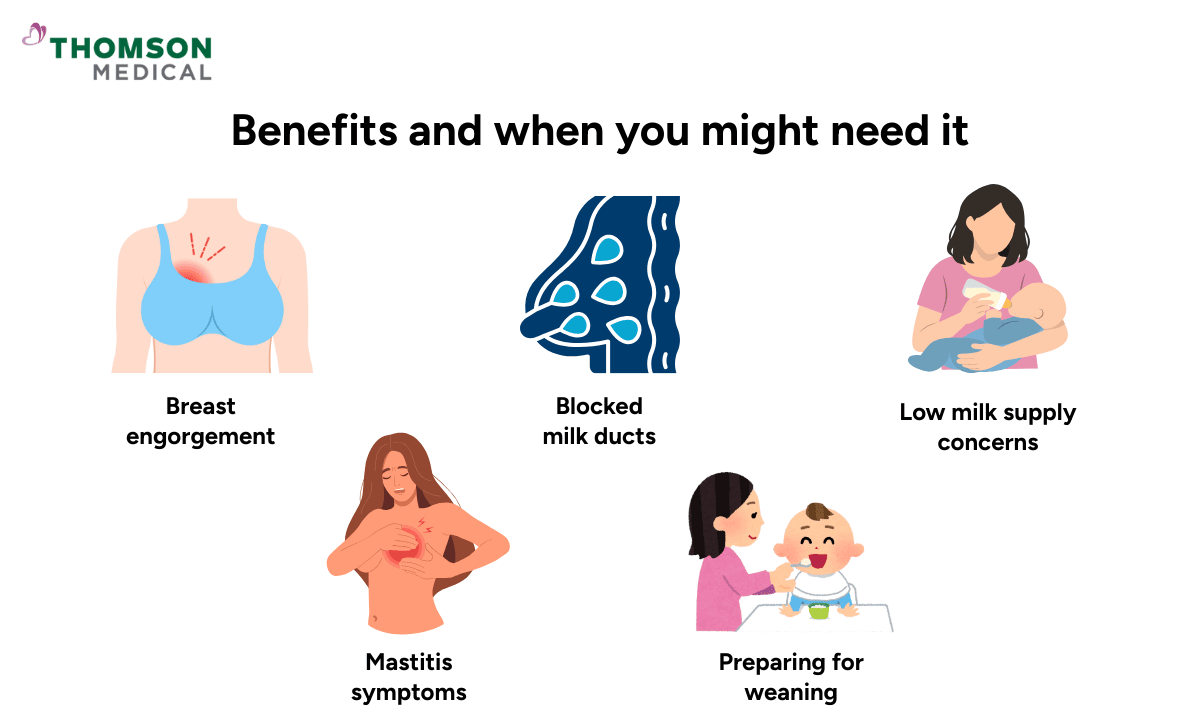
Let’s be honest, breastfeeding doesn’t always feel easy. Your body is learning. Your baby is learning. Sometimes, you both may need a little help, and that doesn't mean anything has gone wrong.
Lactation massage can be beneficial if you’re dealing with:
Breast engorgement that won’t ease:
When your milk first comes in, or if you miss several feeds, your breasts can become hard and painful. The tissue swells so much that it actually makes it harder for milk to flow out.
Massage helps reduce that discomfort and improve your milk flow.
Blocked milk ducts:
You’ll feel a tender, hard lump that doesn’t go away after feeding. Left untreated, these blockages can develop into mastitis – a painful breast infection that may require antibiotics and can make breastfeeding even more difficult.
Low milk supply concerns:
Massage alone cannot increase your milk supply, but it helps you empty your breasts fully at each feed. The more effectively you empty, the more your body produces.
Mastitis symptoms:
If you have a fever, chills, and flu-like symptoms of mastitis, gentle massage can help clear the blocked duct that's causing the infection.
Preparing for weaning:
When you’re ready to stop breastfeeding, massage can make the transition smoother. It also reduces the uncomfortable engorgement you may have.
Even if you’re not experiencing any challenges, you may find lactation massage a helpful part of your breastfeeding routine. It can serve as preventive care to help you feel more comfortable throughout your breastfeeding journey.
If you'd like to explore how lactation massage might help you specifically, schedule an appointment with Thomson ParentCraft Centre. Our specialist will take the time to understand your situation and tailor the support you need.
Our ParentCraft trainers
Loading...
What happens during a lactation massage session?
If you're preparing for your first lactation massage appointment, it's natural to feel a bit unsure about what will happen. When your breasts are tender and you're already uncomfortable, the thought of someone touching them might feel overwhelming.
Understanding what to expect can help ease those worries. It also helps you feel more in control as you decide whether this support is right for you.
Here’s what you can expect:
Before the session
Your practitioner will start with a few questions to better understand your breastfeeding journey, such as:
When did you give birth?
How’s feeding going?
Where does it hurt?
These questions give them a clear picture of what's happening with your milk production and flow. This conversation is important, as it guides you through the next steps.
After that, your practitioner will:
Look at how your breasts are responding to feeding
Check for areas of firmness or warmth
Identify any blocked ducts
In some cases, they may ask to observe you feeding your baby or pumping to see your techniques. But this only happens if you’re comfortable. Remember, you’re always in control of what happens during your appointment.
During the session
The session usually lasts 30 to 45 minutes. You’ll be partially undressed and lying comfortably on a treatment table in a private, calm space. Your practitioner will apply a small amount of massage oil or cream to help their hands glide smoothly.
You’ll find the pressure changes throughout the session. Sometimes it’s light, especially when your practitioner uses lymphatic drainage techniques around the edges of your breast tissue. Other times, it’s firmer when they’re working on areas of congestion.
You're in control the entire time. The massage shouldn’t be painful, though you may feel a bit uncomfortable when they work on a blocked area. You can always ask them to ease up or take a break.
After the session
Your practitioner will teach you some self-massage techniques you can use at home. They’ll show you:
The direction to move
How much pressure to apply
When to do the massage
Signs to watch for
You might be surprised to learn that they also work beyond the breast tissue. They’ll massage your chest muscles, the area under your arms and sometimes even toward your collarbone. Your lymphatic system is connected, and everything in this area affects milk flow.
Lying partially undressed while someone touches your tender, leaking breasts can feel exposing, especially when you're already exhausted and emotional. Your practitioner works with postpartum bodies every day and understands this vulnerability. If you need a break during the process, don’t hesitate to let them know.
Where to get a lactation massage in Singapore
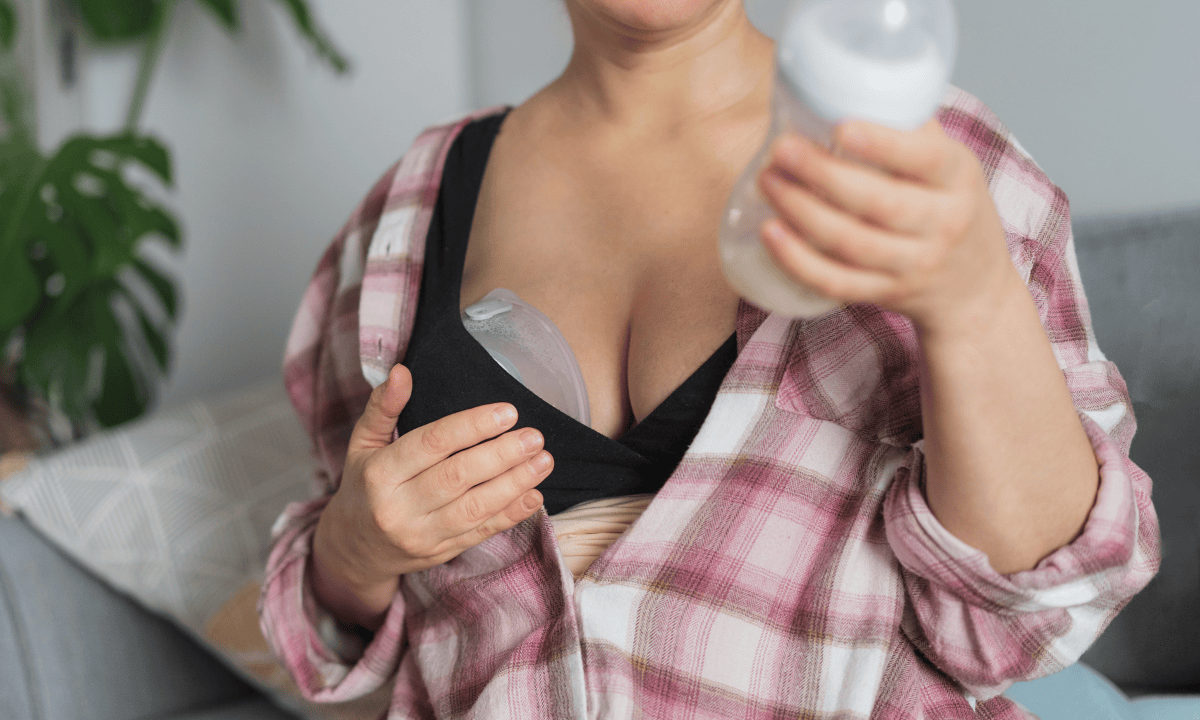
Lactation massage is available at clinics throughout Singapore. Some clinics also combine massage with Traditional Chinese Medicine (TCM) approaches or lymphatic drainage for blood circulation and milk flow.
If leaving the house feels like too much right now, mobile services and individual practitioners can come to you. Look for practitioners with recognised certification, such as IBCLCs (International Board Certified Lactation Consultants), or therapists trained in lactation massage. If you’re unsure where to start, consult your paediatrician or gynaecologist for referrals.
How much does it cost in Singapore?
If you're concerned about the cost, that's completely understandable. Spending extra on a massage while you're already buying nappies and considering backup formula can feel overwhelming. Having clear pricing information upfront can help you make the right decision for your situation.
Lactation massage in Singapore usually costs between SGD 100 and SGD 180 per 60-minute session. The exact price depends on the provider you choose and where the session takes place.
Here are some factors that can affect the cost:
Initial vs follow-up sessions:
Follow-up sessions cost less than the first, around SGD 100 to SGD 150.
The first session usually includes a full consultation, which is why it costs more.
Location of the session:
Sessions at the clinic are usually cheaper than those at home because of the travel or “house-call” fee.
Session length and combined services:
Longer sessions (90 minutes) or packages that include postnatal massage or a lactation consultation cost more.
Every breastfeeding journey is different. While some sail through smoothly, others face challenges that feel overwhelming. Lactation massage isn't necessary for everyone, but it's a beneficial tool in your toolkit. It truly helps many mothers.
Please note that these costs are based on 2026 rates and may vary over time.
If you have questions about your specific situation or would like to explore your care options, schedule an appointment with Thomson ParentCraft Centre. Our specialist will help you assess your condition and design the right care plan for you.
FAQ
How soon after giving birth can I get a lactation massage?
You can start within the first few days postpartum. In fact, that's often when it helps most. Your milk is just arriving, and engorgement hits hardest.
The techniques used in those early days are usually very gentle. Your practitioner focuses on encouraging milk flow and reducing painful swelling without putting too much pressure on healing breast tissue.
How soon will I feel relief from a lactation massage?
Most mothers notice some improvement immediately after a session. That rock-hard feeling softens. The painful pressure eases. You might find your baby can latch more easily right away because your breasts are less engorged.
But one session rarely solves everything. You might need more treatments to fully clear blocked ducts or address supply issues.
Is lactation massage painful?
It shouldn't be unbearable, but it's not always comfortable either. When you're dealing with engorgement or a blocked duct, any touch can feel sensitive.
Your practitioner will work with you and adjust their pressure based on what you can tolerate.
Can I do lactation massage at home by myself?
Absolutely. In fact, learning self-massage techniques is one of the most valuable parts of seeing a lactation consultant. Once you know what to do, you can address issues as they arise instead of waiting for an appointment.
That said, if you're dealing with recurrent blockages, suspected mastitis, or problems that aren't improving with home care, check with your doctor or practitioner right away.
How often should I get lactation massage sessions?
There's no standard schedule. It depends on what you're managing. Some mothers book a single session to learn techniques and address an acute problem. Others come weekly for several weeks while working through persistent supply issues or frequent blockages.
Is lactation massage safe if I have mastitis?
Yes, but there is an important thing you should keep in mind. Gentle massage can actually help mastitis by clearing the blocked duct that's causing the infection. The key here is to be gentle. Aggressive massage when you have an active infection can potentially spread bacteria or worsen inflammation.
For more information, contact us:
Thomson ParentCraft Centre
Thomson Breast Centre
Request an Appointment