

Feeling pain on the left side of your chest can be frightening. Your mind might race straight to: Is this a signal of a heart condition? You might wonder if you're overreacting or if it's okay to wait and see if the pain goes away on its own.
Not all left chest pain comes from your heart, but some cases need immediate medical attention. Learning the warning signs can help you respond calmly and confidently. We will walk you through common causes of left chest pain, when to seek help, and how to protect your heart health.
Common causes of left chest pain
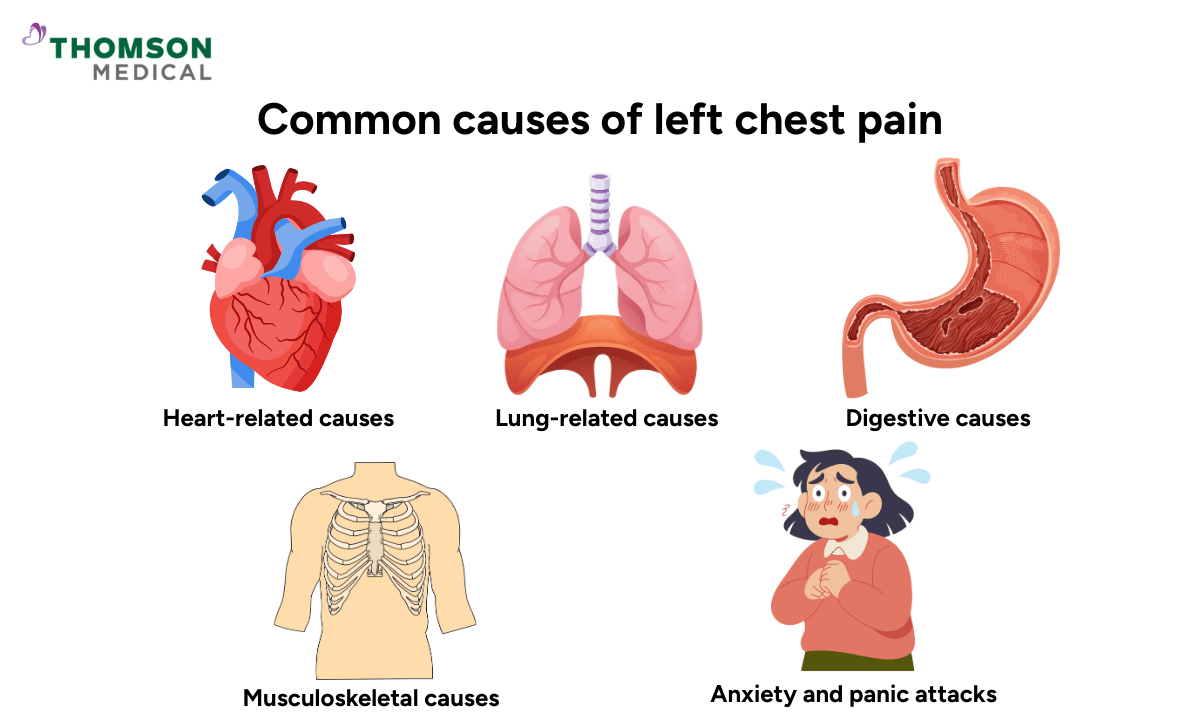
Left chest pain can come from your heart, lungs, digestive system, chest wall, or nervous system. Here are the most common causes your doctor will consider.
Common heart-related causes
Your heart sits slightly left of centre in your chest, which is why this is usually the first worry.
Some common heart-related causes that can lead to left chest pain include:
Heart attack (myocardial infarction):
A heart attack happens when blood flow to part of your heart muscle gets blocked.
The pain of a heart attack typically feels like pressure, squeezing, heaviness, or tightness and may spread to your left arm, jaw, or back.
Angina (coronary artery disease):
Angina means poor blood flow to your heart muscle.
It usually shows up during physical activity, stress, or cold weather and eases with rest.
Myocarditis:
This is inflammation of the tissue surrounding your heart.
The pain is often sharp and gets worse when you lie flat and improves when sitting forward.
Aortic dissection:
This is a rare but life-threatening condition where there is a tear in the inner layer of the aorta (the main blood vessel leaving the heart).
It typically causes sudden, severe chest pain described as tearing or ripping, often radiating to the back.
Lung-related causes
Your lungs fill much of your chest cavity, so lung problems can cause pain on either side.
Here are some common lung conditions that may present with left chest pain:
Pneumonia or pleurisy:
These lung infections or inflammations cause sharp pain that gets worse when you take deep breaths or cough.
Pulmonary embolism:
A blood clot in your lung causes sudden chest pain and trouble breathing.
Pulmonary embolism needs emergency care.
Pneumothorax:
This condition occurs when air leaks into the space between your lung and the chest wall.
It can lead to sudden chest pain and shortness of breath and may require urgent medical attention.
Digestive causes
Sometimes chest pain actually starts in your digestive system, not your chest.
If you have any of these digestive conditions, you may experience left chest pain.
Gastro-oesophageal reflux disease (GERD):
Acid reflux creates a burning feeling behind your breastbone.
It can be alarming because it feels similar to heart pain.
Oesophageal spasm:
Your oesophagus muscles can suddenly tighten, causing squeezing chest pain that feels a lot like a heart problem.
Musculoskeletal causes
Pain from your chest wall or muscles is common and usually not dangerous.
Left chest pain can be a symptom of these musculoskeletal conditions:
Costochondritis:
This inflammation happens where your ribs attach to your breastbone.
The area feels tender when you press on it or move certain ways.
Muscle strain:
Heavy lifting, awkward movements, or exercise can strain your chest muscles.
The pain of muscle strain typically changes when you move.
Shingles (herpes zoster):
Shingles can cause sharp, burning pain on one side of the chest before a visible skin rash appears.
In some cases, shingles can lead to nerve-related chronic pain even after the rash heals.
Anxiety and panic attacks
Stress and anxiety can cause real, intense chest discomfort – tightness, sharp pains, racing heart, or breathlessness.
Reading through these causes, you might see your symptoms in more than one description. This is normal. Left chest pain can come from many different sources, which is why a doctor's assessment is the clearest way to identify the cause.
Should you be worried about left chest pain?
Left chest pain always deserves attention, regardless of the cause. The question is: do you need emergency care right now, or can you schedule a regular appointment?
Go to the A&E department if you have:
Severe chest pain
Pain spreading to your arm, jaw, neck, or back
Shortness of breath
Cold sweats, nausea, or dizziness
Sudden fainting
Sudden severe tearing pain radiating to your back
If you have these symptoms, especially several at once, get emergency care immediately. If your pain is mild, steady, or comes and goes, you should seek a doctor's opinion to get a peace of mind.
If you’re unsure whether your symptoms need urgent attention, it’s best to consult a doctor promptly. Request an appointment at Thomson Medical, where our specialists will carefully assess your symptoms and guide you on the next steps.

How doctors evaluate left chest pain
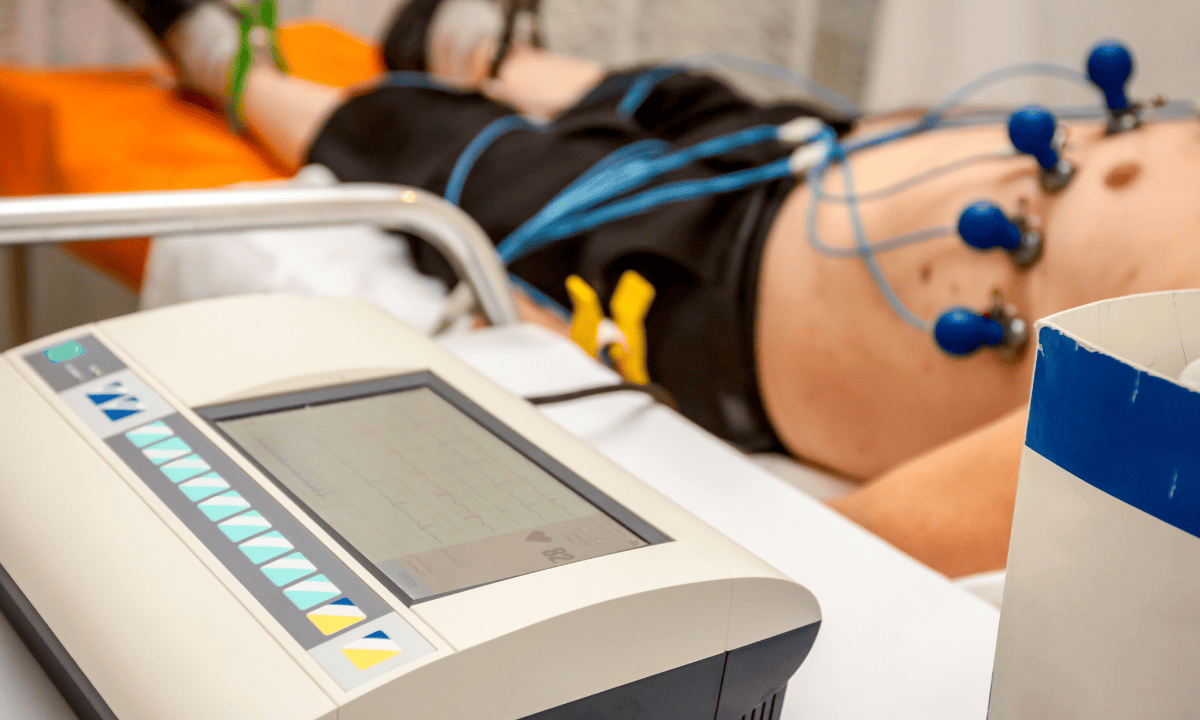
Now that you know the possible causes and warning signs, you might wonder: How do doctors actually figure out what's wrong?
When you see a doctor for left chest pain, they will begin by asking about your symptoms in detail, such as:
When the pain started
What it feels like (pressure, sharp, burning, stabbing)
What makes it better or worse
Whether it changes with movement or breathing
Your medical history and risk factors
They may perform:
An electrocardiogram (ECG) to check your heart rhythm
Blood tests (like troponin) to look for heart muscle damage
A chest X-ray to examine your lungs
Additional heart imaging or stress tests if needed
Even if your first tests come back normal, your doctor will still take your symptoms seriously. They look at patterns, your risk level, and how things develop over time before drawing conclusions.
Be honest about everything you're experiencing, including fear, breathlessness, or unusual tiredness. These details help your doctor make the best call about your care.
Who is at higher risk for heart pain?
Cardiac risk isn't the same for everyone. Knowing your risk factors can help you and your doctor understand whether chest pain is more likely to be heart-related.
You may be more likely to have a heart-related cause if you:
Have high blood pressure
Have diabetes
Have high cholesterol
Smoke
Have a family history of heart disease
Are over 40–50 years old
Have a personal history of heart disease
If you have several of these risk factors, newly occurring chest pain should be checked promptly even if it feels mild.
If none of these apply and you're still concerned, you may visit a doctor to get a peace of mind.
Reducing your long-term heart risk
Even if your chest pain turns out to have nothing to do with your heart, it's a good opportunity to think about your heart health going forwards.
You can protect your heart health by:
Keeping your blood pressure, cholesterol, and blood sugar in check
Exercising regularly at a level that suits you
Eating a balanced diet
Quitting or avoiding smoking
Keeping up with routine health screenings
Pain in your left chest naturally raises concern due to its proximity to the heart, that concern is valid. Some causes may require urgent care, whilst many are manageable once properly assessed. Getting an opinion from a doctor can have give you some clarity with any concerns that you may be facing.
For chest discomfort that is not urgent, a visit to your doctor is a good first step. Schedule an appointment with Thomson Medical. Our doctors are here to evaluate your symptoms thoroughly and help you move forward with clarity and confidence.
Our cardiac specialists
Loading...
FAQ
What causes pain in the left breast?
Left chest pain can come from:
Heart: heart attack, coronary artery disease, aortic dissection, pericarditis
Lungs: Lung infections, pulmonary embolism
Digestive system: gastro-oesophageal reflux disease (GERD), oesophageal spasm
Chest wall muscles: costochondritis, muscle strain
Anxiety
While some causes are serious, many are not life-threatening. A proper medical evaluation helps determine the exact cause.
What does heart pain feel like?
Heart pain often feels like pressure, tightness, squeezing, or heaviness in the chest rather than sharp stabbing pain. It may spread to the arm, jaw, neck, or back and can be accompanied by shortness of breath or sweating.
Is it normal for chest pain to come and go?
Chest pain can come and go, especially if it is related to muscle strain, acid reflux, or anxiety. However, recurring or exertion-related chest pain should always be checked by a doctor.
What are the symptoms of heart attacks?
Common heart attack symptoms include:
Chest pressure or tightness, like something heavy sitting on your chest
Pain spreading to the arm or jaw
Shortness of breath
Cold sweats
Nausea
Dizziness
What to do immediately during a heart attack?
If you suspect a heart attack, it's important to:
Call emergency services instead of trying to drive yourself
Sit down and stay as calm as possible
Loosen any tight clothing, including collar buttons, to make breathing easier
Take angina medicine if you have been prescribed it while waiting for medical help to arrive.
Why do I get a pain in my left breast when I take a deep breath?
Pain that worsens when you take a deep breath is often related to the lungs or chest wall, such as pleurisy or muscle strain. However, if the pain is severe or accompanied by other symptoms, medical assessment is important.
The information provided is intended for general guidance only and should not be considered medical advice. For personalised recommendations and tailored advice based on your unique situations, please consult a specialist at Thomson Medical. Request an appointment with Thomson Medical today.
For more information, contact us:
Thomson Medical 24-Hour Urgent Care Centre (Novena)
- Call: 6350 8812
Notice:
The range of services, vaccinations, and tests may vary. Please contact us directly to enquire about the current availability.
Request an Appointment