

Shingles is a viral skin infection which is particularly common in older adults and people with weakened immune systems. Although there's currently no definitive cure, shingles can be effectively managed with proper care and treatment.
Let's take a closer look at what causes shingles, how to recognise the symptoms and what available treatment options to help you recover.
What is shingles?
Shingles, also known as herpes zoster, is a viral infection that causes a painful rash. It's caused by the varicella-zoster virus, which is also the same virus causing chickenpox. Despite its name, this virus is different from the herpes simplex virus (HSV), which leads to genital herpes or cold sores.
If you've had chickenpox before, the symptoms may go away, but the virus itself remains dormant in the nerve tissue near your spinal cord. It can be reactivated later if your immune system is weakened by:
Age, especially if you are over 50 years old
Physical or emotional stress
Medical conditions that can negatively affect your body’s defenses, such as cancer
For many people, the chickenpox virus just wakes up without any clear triggers. It can feel confusing but it doesn’t mean there’s something seriously concerning about your health. Your doctor will help you understand your specific situation, what it means for your health, and create a personalised care plan for you.
What are the symptoms of shingles?
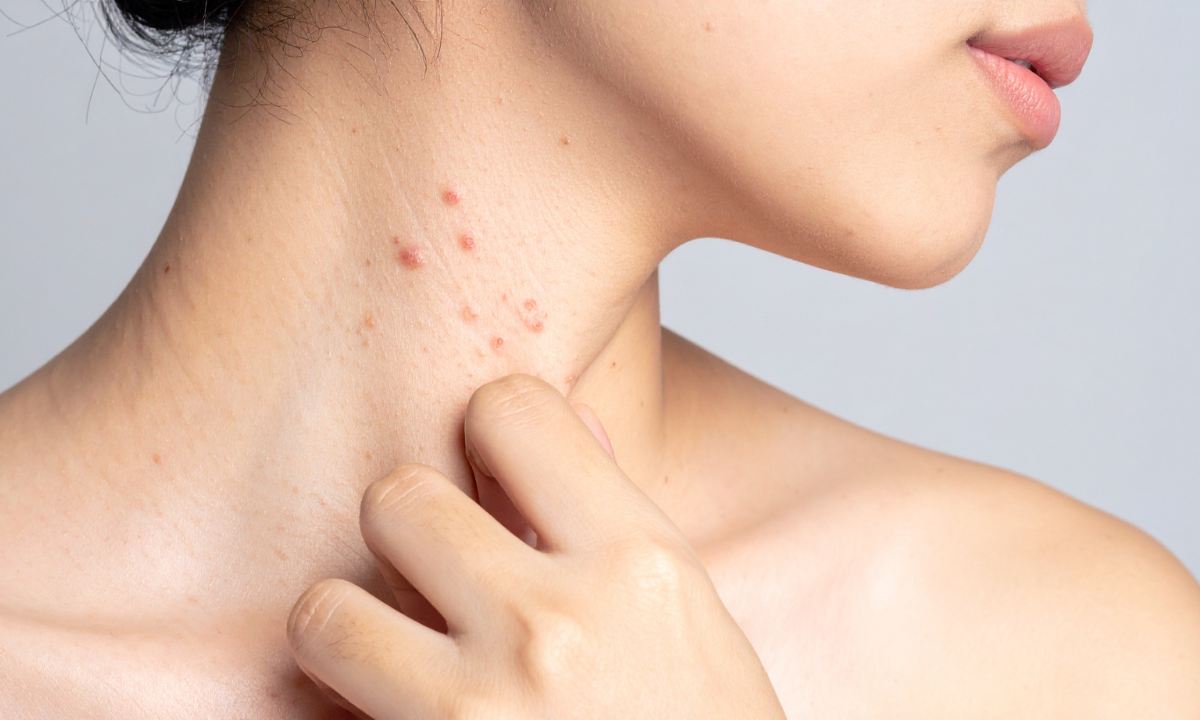
Shingles doesn’t appear all at once. Instead, it develops in stages and knowing the early signs can help you seek treatment promptly.
Early symptoms:
Many people don’t realise that they get shingles because the symptoms can be subtle.
You might experience burning, tingling, or itching in one area of your body. These symptoms will last several days before the rash appears.
The rash stage:
Usually, within 1-5 days after the pain begins, you will notice a red shingles rash. This rash then becomes fluid blisters that look similar to chickenpox.
- New blisters may continue appearing for a few days and they'll break open, ooze, and crust over within 7 to 10 days.
The pain experienced with the varicella-zoster virus varies from person to person. Some describe it as a burning sensation, while others experience a deep ache. Your skin may also become so sensitive that wearing clothing feels uncomfortable.
If the pain is starting to affect your daily life, don't hesitate to request an appointment with a dermatologist at Thomson Specialist Skin Centre. Our specialist can provide the appropriate treatment to ease your symptoms and along with personalised advice to help you feel more comfortable.
Our dermatologist in Singapore
Loading...
How is shingles diagnosed?
Diagnosing shingles is usually a straightforward process and your doctor will guide you through each step:
Physical examination:
In most cases, your doctor can diagnose your shingles just by looking at the rash. You can also describe the symptoms you experience to help your doctor understand your condition better.
During your visit, your doctor may ask about:
When your symptoms started
What the pain feels like
Whether you had chickenpox before
Your overall health and any medication you’re taking
Laboratory tests (if needed):
Sometimes, your doctor may use a swab test to confirm the diagnosis, especially when the rash looks unusual.
They will take a sample from one of your blisters and send it to the lab for further analysis.
Your doctor will also rule out other conditions that can resemble shingles, such as bacterial infections or allergic reactions, to ensure that you receive the correct treatment. They will also help you to understand your specific situation and its implications for your health and help create a personalised care plan for you.
Shingles treatment
There’s currently no cure that can completely eliminate the varicella-zoster virus, but with the right care and treatment, you can reduce your symptoms, speed up your recovery, and prevent complications later on.
For the best results, you should start treatment within 72 hours after the rash appears. Your doctor will walk you through a treatment plan that may include:
Oral antiviral medications:
Your doctor will prescribe antiviral drugs, such as acyclovir or valaciclovir, to help you:
Slow down the herpes virus from spreading further
Reduce the severity and duration of symptoms
Prevent long-term issues such as nerve pain
You should take the pills several times a day for 7-10 days. It’s also important to complete the full course, even if you start feeling better.
Pain management:
To help you relieve the pain and feel comfortable again, your doctor may suggest some approaches, such as:
Applying cool compresses to soothe the blisters
Using nerve pain medication such as gabapentin
Additional support:
Other than medication, you can support your recovery by:
Getting enough sleep
Minimising stress
Eating nutritious food
Staying hydrated
Your doctor will closely monitor you and adjust your treatment plan based on how you respond. If your pain isn’t improving or you notice new symptoms, let your doctor know right away.
It's understandable if you're feeling overwhelmed and frustrated by the discomfort and how long it's taking to heal. However, remember that recovery is a process, and with the right care, you can make a full recovery.
Post-shingles complications

Most people recover from shingles without long-term problems. However, it's helpful to know about potential complications, so you can recognise the warning signs and seek medical advice early.
Common complications you may experience include:
Postherpetic neuralgia (PHN):
This is the most common complication of shingles. It's a neurological problem where you continue to feel pain in the area where the rash appeared, even after the blisters have healed.
The pain can last for weeks or months, sometimes even longer, making daily activities like getting dressed uncomfortable.
Getting antiviral medicines early can reduce your risk of developing this complication.
Vision problems:
If shingles affects your forehead or the area around your eyes, it can lead to serious complications, including eye infections or inflammation.
This is why it's crucial to see your doctor immediately if you notice a rash developing near your eye.
Skin infection:
In rare cases, the blisters can get infected with bacteria, causing skin infection. In this case, you may need antibiotics to treat it.
Signs of an infection include redness, warmth, swelling, or pus.
Scarring:
After the blisters heal, you may have a scar where the rash appeared. However, they can fade over time.
Your doctor will monitor your recovery and help you address any complications that develop. If you experience any concerning symptoms, seeking support is the right step to take.
If you're dealing with shingles or worried about potential complications, schedule an appointment with Thomson Medical. Our specialists will assess your condition, help manage ongoing pain or discomfort, and provide personalised care to support your recovery.
FAQ
What are the recommendations for the shingles vaccine?
The shingles vaccine is one of the most effective ways to help you lower your risk of getting the varicella-zoster virus and its complications. The vaccine is usually recommended if:
You are 50 or older, even if you’ve already had shingles
You are 18 or older with a weakened immune response
Shingles vaccination requires two doses, given 2 to 6 months apart. It remains strong for several years after you get the vaccine.
You may experience mild side effects after getting the shingles vaccine, such as tiredness, headaches, or muscle aches. However, don’t worry too much, as these symptoms will go away on their own.
Can shingles be prevented?
It’s is difficult to completely eliminate your risk of developing shingles, but there are some steps you can take to reduce your chances, such as:
Get vaccinated:
The shingles vaccine helps to reduce your risk and ease symptoms when you develop shingles after vaccination.
Maintain a healthy immune system:
Having a healthy lifestyle and habits such as getting enough sleep or exercising regularly can keep the dormant virus from reactivating.
How severe is the pain?
The pain from shingles varies from person to person, and your experience may be quite different from another. However, this is completely normal and there is nothing to worry about. Your pain level reflects how your body is responding to the herpes zoster virus, it doesn’t mean how well you’re handling the condition.
When you experience persistent pain, it’s best to consult your doctor so they can provide the appropriate care for you.
Is shingles contagious?
You cannot give someone else shingles directly. However, you can spread the herpes zoster virus to someone who hasn’t had chickenpox or the chickenpox vaccines, and they would develop chickenpox, not shingles.
The virus spreads through direct contact with fluid from shingles blisters and remains contagious until all the blisters have formed scabs. To prevent the herpes zoster virus from spreading, it's best to keep the rash covered, wash your hands frequently, and avoid contact with people with weakened immune systems until the blisters have healed.
What should I expect if I have shingles?
Once you begin treatment, the rash will continue developing for a few days before it starts improving. Blisters begin to dry out and form crusts within 7 to 10 days, with the rash usually clearing up completely within 2 to 4 weeks. However, the pain can sometimes last longer.
During this time, you will need more rest than usual and you might need to take off work or adjust your daily activities for healing.
Should I see a doctor for shingles?
Yes, you should see a doctor if you think you might have shingles. Early medical care can make a big difference in your recovery and prevent complications in the future.
The best time to start your treatment is usually within 72 hours after the rash appears, so don’t hesitate to reach out to your doctor. Even if you’re unsure whether it’s shingles, it’s always better to get checked.
The information provided is intended for general guidance only and should not be considered medical advice. For personalised recommendations and tailored advice based on your unique situations, please consult a specialist at Thomson Medical. Request an appointment with Thomson Medical today.
Dr Tan Hiok Hee
Dermatology (Skin)
Thomson Specialist Skin Centre (Novena Specialist Center)
English, Mandarin
.png%3Fbranch%3Dprod&w=640&q=75)