

Vaginal discharge is a normal part of many women’s lives, so noticing a change can naturally raise questions or concern. You may find yourself wondering whether what you’re experiencing is part of normal hormonal changes or something that needs medical attention.
Although ovarian cancer can sometimes be associated with discharge changes, this is considered relatively uncommon. Most changes are linked to non-serious causes. Learning what to look out for and when to seek medical advice can help you approach this concern with greater confidence and peace of mind.
What is ovarian cancer?
Ovarian cancer develops when abnormal cells in your ovaries (the reproductive organs responsible for producing eggs and hormones) start to grow out of control.
One of the challenges with ovarian cancer is that its early symptoms can be vague and easy to miss. That's why it’s easy to mistake them for everyday conditions such as digestive problems.
When it develops, you may notice symptoms such as:
Persistent bloating
Pelvic or abdominal discomfort
Feeling full quickly
Frequent urination
Unexplained fatigue
Changes in vaginal discharge
Experiencing one or even a few of these symptoms doesn’t mean you have this cancer. In fact, many of these symptoms could be caused by other, less serious conditions. Visiting your doctor is always the best step to figuring out the root cause behind these issues.
Can ovarian cancer cause vaginal discharge?

Yes, ovarian cancer can cause vaginal discharge, though it isn’t one of the most common symptoms. The ovaries aren’t directly connected to your vagina, so discharge changes usually happen indirectly.
This usually happens because of:
Hormonal changes caused by ovarian tumours
The cancer spreading to your uterus or cervix
Fluid buildup in your abdomen that alters pelvic organs
Infections or inflammation in the area
Many everyday conditions also cause discharge changes, so if you’re experiencing unusual changes, it doesn’t automatically mean something serious.
However, if this condition persists, it’s best to check with your doctor soon. They’ll help you understand what’s causing it and suggest the right care plan for you.
What does ovarian cancer discharge look like?
There isn’t one specific appearance that signals ovarian cancer. Everyone’s body is unique, and symptoms can vary from woman to woman.
When discharge is related to ovarian cancer, it may be:
Watery or thin
Clear, pale yellow or grey in colour
Occasionally blood-tinged or pink
Persistent and unexplained (doesn’t go away on its own)
Occurring after menopause (when discharge usually stops)
If you've noticed discharge that feels different from your usual pattern, especially if it lingers for more than a few weeks or happens after menopause, it's worth getting it checked. It's completely natural to feel concerned, and reaching out to your doctor is always the right step. They can help you understand what's going on and give you the reassurance or care you need.
If you're experiencing abnormal discharge and want to find out what's happening, schedule an appointment with Thomson Medical for further evaluation.
Women's cancer specialists
Loading...
Does ovarian cancer discharge have a smell?
Ovarian cancer itself usually doesn’t have a characteristic odour.
If you notice a strong, foul, or unusual odour, it's more likely caused by:
An infection such as bacterial vaginosis
Bleeding mixes with the discharge
A smelly discharge is rarely a sign of ovarian cancer on its own. Instead, it's usually linked to vaginal infections. While it may feel a bit uncomfortable bringing it up, it's actually very common and treatable. Getting it checked means you'll have answers instead of worry and relief instead of lingering discomfort. Your doctor will gently assess your condition and guide you through the next steps.
Ovarian cancer discharge symptoms
Changes in the colour or smell of discharge can happen for many reasons, not just ovarian cancer. So, when can discharge be a sign of this cancer? And when should you pay closer attention? Let’s take a closer look at the bigger picture.
Changes in discharge patterns
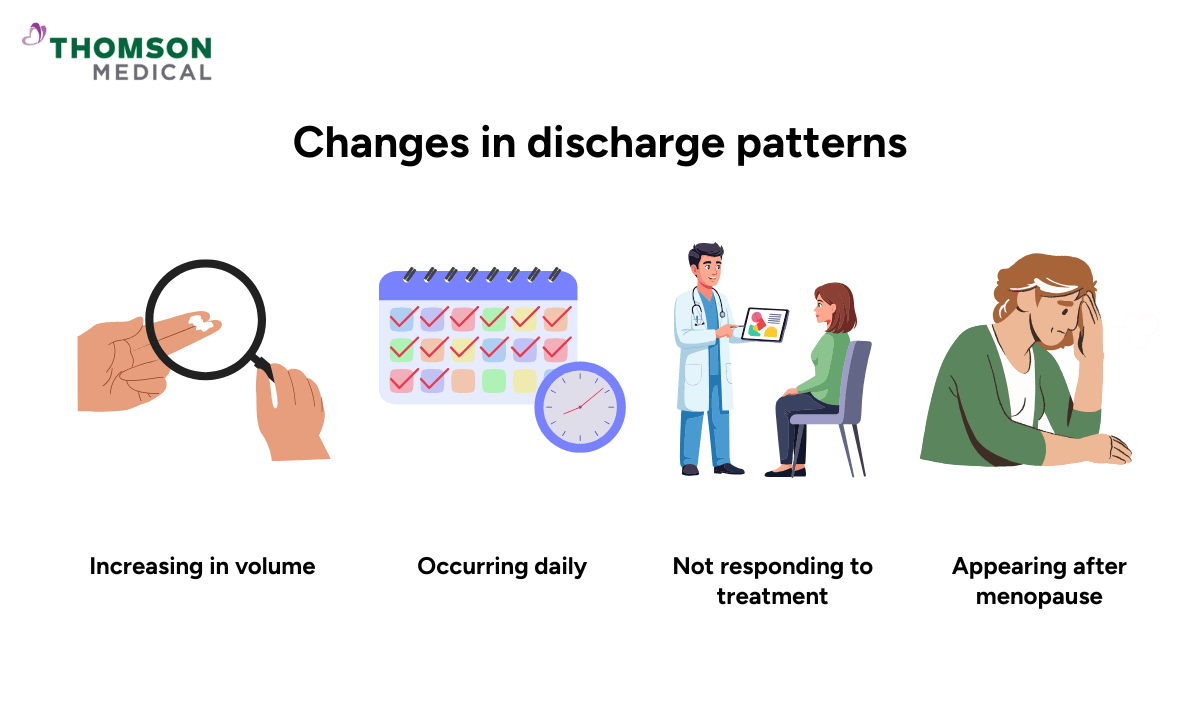
When discharge changes happen regularly rather than just once or twice, that's when you should take note.
You may notice:
Increasing in volume:
You’re experiencing more discharge than usual.
Occurring daily:
It happens every day rather than following your menstrual cycle.
Not responding to treatment:
Unusual discharge still happens even after infection treatment.
Appearing after menopause:
Vaginal discharge after menopause is always considered abnormal. In this case, it’s important to check with your doctor to get the right care as soon as possible.
Accompanying symptoms
Discharge related to ovarian cancer often happens alongside other symptoms, such as:
Bloating or abdominal swelling (especially if it’s constant)
Pelvic or abdominal pain
Abnormal vaginal bleeding
Feeling full quickly when eating, even with small meals
Changes in bowel or bladder habits
Unexplained weight loss or gain
Persistent fatigue that doesn’t improve with rest.
The discharge alone can’t confirm you have cancer. However, if you’re experiencing some of these symptoms at the same time, especially if they last for more than a week, it's worth getting medical attention.
This can feel worrying, but seeing your doctor early can help put your mind at ease. Whether it’s ovarian cancer or something else, having clear answers can help you move forward and plan your next steps with confidence.
If you're worried about your symptoms and want professional guidance, schedule an appointment with Thomson Medical. Our specialists will evaluate your condition and recommend the right care plan for you.
FAQ
Can ovarian cancer cause watery discharge?
Yes, persistent watery discharge can occur with ovarian cancer, especially after menopause. However, watery discharge is also common and can be caused by many benign conditions.
If you experience ongoing and unexplained watery discharge, consult your doctor to figure out the cause.
What is the difference between ovarian cancer discharge and normal discharge?
Normal discharge is usually mild, follows a cycle, and doesn’t have a strong smell. Discharge linked to ovarian cancer is more likely to be persistent, unusual, happen after menopause, or come with other symptoms such as bloating, pelvic discomfort, or bowel or bladder changes.
Can a Pap smear detect ovarian cancer?
No. A Pap smear screens for cervical cancer, not ovarian cancer. If your doctor suspects ovarian cancer, they’ll use a combination of:
Pelvic exam
Ultrasound
Blood tests (e.g., CA-125)
CT or MRI scans
Biopsy or surgery
What colour is ovarian cyst discharge?
Ovarian cysts (which are fluid-filled sacs and usually benign) usually don't cause noticeable discharge changes. When discharge does occur with cysts, it's usually:
Clear or white
Similar to your normal discharge
Slightly increased in volume around ovulation
Do ovarian cysts cause excessive discharge?
Not usually. Most ovarian cysts don't significantly affect your vaginal discharge.
If you're experiencing excessive discharge along with pelvic pain or irregular periods, your doctor can perform an ultrasound to check for cysts and rule out other causes like bacterial infections or changes in hormonal levels.
What can mimic ovarian cancer?
Many conditions share the same symptoms as ovarian cancer, such as:
Endometriosis
Benign ovarian cysts
Uterine fibroids
Urinary tract infections
Digestive disorders
Your doctor can help differentiate between these conditions through physical examination, imaging, and sometimes blood tests.
The information provided is intended for general guidance only and should not be considered medical advice. For personalised recommendations and advice based on your unique situation, please consult a specialist at Thomson Medical. Request an appointment with Thomson Medical today.
For more information, contact us:
Thomson Specialists (Women's Health)
Thomson Women's Clinic (TWC)
- Novena:
6592 6686 (Call), 8611 8986 (WA) - Bukit Batok:
6569 0668 (Call), 8686 3525 (WA) - Choa Chu Kang:
6893 1227 (Call), 8282 1796 (WA) - Jurong:
6262 8588 (Call), 6262 8588 (WA) - Katong (female doctor):
6970 2272 (Call), 8611 9020 (WA) - Punggol:
6243 6843 (Call), 8811 0328 (WA) - Sembawang: 6753 5228
- Sengkang: 6388 8125
- Serangoon (female doctor): 6382 3313
- Tampines: 6857 6266
- Tiong Bahru: 6276 1525
Notice
The range of services may vary between TWC/TS locations. Please contact your preferred branch directly to enquire about the current availability.
Request an Appointment