

Being diagnosed with an ovarian cyst can feel unsettling, especially if you’re unsure what it means for your health.
It's normal to have thoughts like "Is an ovarian cyst dangerous?", "Will I need surgery for my ovarian cyst?", or even "Can my ovarian cyst go away by itself?"
In most cases, ovarian cysts are not dangerous and improve on their own or with minimal treatment. Understanding your options and what to expect can help you feel more confident and supported as you take the next steps in your care.
What is an ovarian cyst?
An ovarian cyst is a fluid-filled sac that forms on or inside your ovary. Most of these growths are harmless, temporary, and a natural byproduct of your menstrual cycle.
Unlike ovarian cancer, the majority of ovarian cysts are functional, meaning they form as part of the normal way your ovaries work during your menstrual cycle. These cysts can occur in teenagers and women of all ages, and most do not cause any noticeable symptoms.
What causes ovarian cysts?
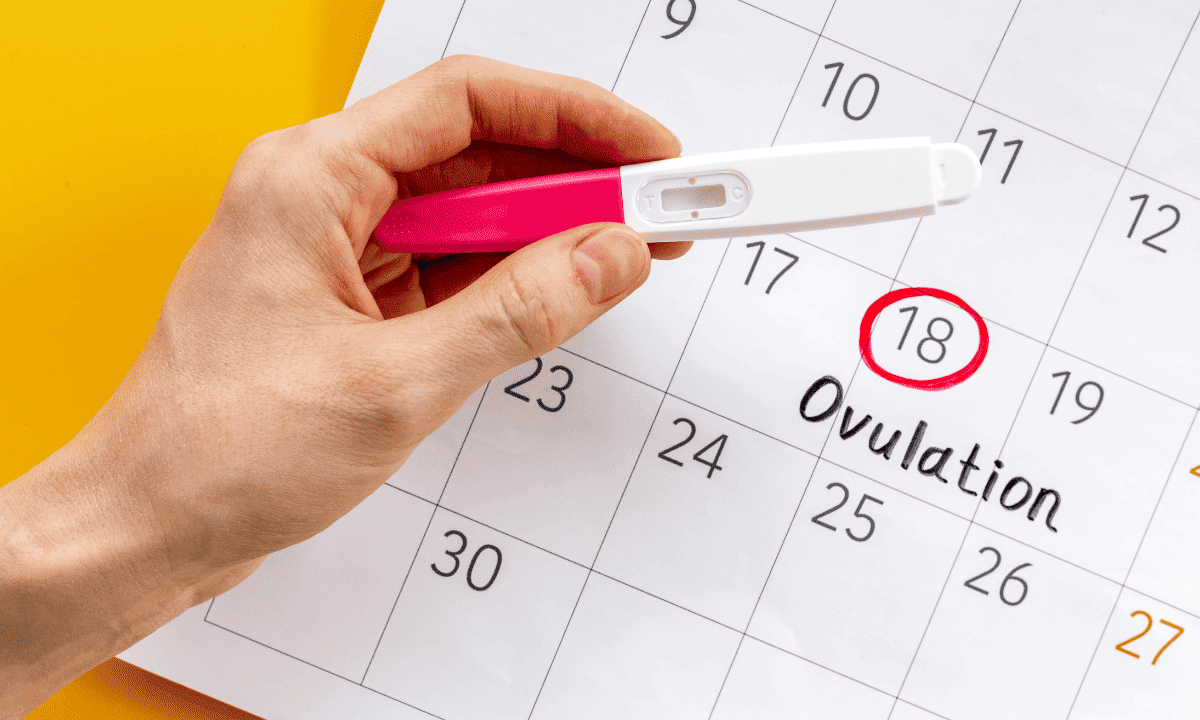
Your ovaries respond to hormonal changes every month, and sometimes that natural process can lead to a cyst forming. There are several reasons why you may develop ovarian cysts, including:
Normal ovulation:
Many cysts, such as follicular cysts or corpus luteum cysts, form as part of your regular cycle.
They often go away on their own.
Endometriosis:
If you live with endometriosis, endometrial tissue can grow on your ovaries and cause endometriomas.
Hormonal imbalances:
Conditions like polycystic ovary syndrome (PCOS) affect your hormonal imbalance and make you grow multiple small cysts.
Benign growths:
Some cysts, such as dermoid cysts, contain different types of tissue and aren’t linked to your menstrual cycle.
Medical history:
Your risk may be higher if you have a history of previous cysts or a family history of ovarian conditions.
Identifying the underlying cause helps you and your care team understand what is happening in your body and choose an approach that truly suits you. It allows care to be tailored to your symptoms and long-term health, rather than taking a one-size-fits-all approach.
Knowing that decisions are based on your individual situation and can help you feel more confident and at ease with your care plan.
How can ovarian cysts be diagnosed?
Getting clear answers is often the first step toward feeling more at ease. To understand what’s happening in your body, your care team may use a few simple and familiar checks, including:
A gentle pelvic exam to check for tenderness or any unusual areas
A transvaginal ultrasound to have a full picture of your cyst and surrounding structures such as the fallopian tube
Blood tests such as CA-125 test, especially if your cyst needs closer evaluation
Your doctor may arrange repeat ultrasound scans a few weeks later to check whether the cyst is shrinking on its own. This period of monitoring is often chosen because many cysts improve naturally without further treatment. Together, these steps help ensure that any decisions are made carefully, with your comfort, safety, and peace of mind in mind.
If you're concerned about an ovarian cyst, consulting a healthcare provider can help you get an accurate diagnosis and personalised care plan. You may schedule a consultation with Thomson Medical for a personalised assessment.
Our gynaecological oncology specialist
Loading...
How to treat ovarian cysts

You may worry that finding an ovarian cyst automatically means surgery, but the truth is that’s rarely the case. In most situations, your care team will recommend treatment based on the size of your cyst, how it’s affecting you day to day, and your long-term health and fertility goals
Here are some of the treatment options your doctor may discuss with you:
Watchful waiting if the cyst is small and look harmless
Apply simple measures like rest, heat packs or mild pain relief if you’re dealing with pain
Take birth control pills to regulate your cycle and reduce new functional cysts forming
Consider surgery only if your cyst is large, continues to cause pain, or has features that need closer evaluation
Whenever possible, your care team will choose the least invasive option that is safe for you, with the aim of protecting both your comfort and your long-term reproductive health.
It is natural to worry about the recovery process, or how the treatment might affect fertility. Knowing that your care team is focused on careful, proportionate treatment can help you feel reassured that nothing will be done unless it is truly necessary.
Can I treat ovarian cysts at home?

Many ovarian cysts, especially functional cysts, resolve on their own without medical treatment. However, there are still a few simple steps you can take to manage the symptoms.
These are some home remedies you can take to support your body’s natural healing process:
Rest when you need to, especially when you’re dealing with pelvic pain
Apply warm water bottle or heat pack on your lower abdomen to help relax tight muscles
Avoid intense exercise if it worsens your pain
Keep track of your cycle and symptoms
Have a healthy diet and explore warm drinks like ginger tea or chamomile tea
These simple self-care steps won't replace medical care, but they can help you feel more comfortable and supported while your body heals. They can ease everyday discomfort and give you a greater sense of control when things may feel uncertain. Feeling more settled in your body can make the recovery process feel calmer and easier to manage.
If your pain worsens, does not improve, or you feel unsure about your symptoms, seeking medical advice can offer clarity and reassurance. You can choose to schedule a consultation at Thomson Medical, where our healthcare professionals can assess your symptoms and discuss suitable next steps.
What should I expect during recovery after treatment?
If you do require surgery, your doctor may suggest a minimally invasive (laparoscopic) procedure, a type of minimally invasive surgery that uses small incisions and a camera to guide the procedure, which usually means less discomfort and a quicker recovery than traditional surgery.
After treatment, you may notice:
Feeling significantly better within 1 to 2 weeks after a minor procedure
Less pain and quicker healing, as laparoscopic surgery uses small incisions rather than large cuts
Soreness or fatigue easing gradually each day as your strength returns
Your doctor may also recommend a follow-up scan to check that your ovary is healing well and that the cyst has not returned. It allows your care team to keep a gentle eye on your recovery and helps you feel supported rather than left wondering.
Can ovarian cysts be prevented?
While there is no guaranteed way to stop a cyst from forming, there are many proactive steps you can take to support your hormonal health and catch any issues early:
Maintain a healthy lifestyle with a balanced diet and regular, gentle exercise
Keep track of your periods and let your doctor know if you notice unusual pain or bleeding
Speak to your care team if you have conditions like PCOS or endometriosis, as these may need ongoing support
Attend regular check-ups or follow-up scans if they’re recommended
By staying aware of your body and responding to changes early, you give yourself the best chance of catching concerns before they become serious. You don’t have to manage this alone, and support is available whenever you need reassurance or guidance. Taking care of yourself in this way can help you feel calmer, more confident, and better supported moving forward.
FAQ
Do ovarian cysts go away on their own?
In many cases, they do. Most functional ovarian cysts resolve naturally within one to three menstrual cycles, without any treatment. If your doctor recommends monitoring rather than intervention, it’s usually because there’s a good chance your body will take care of it on its own.
Can ovarian cysts affect my fertility?
For most people, ovarian cysts do not interfere with fertility. Even when treatment or surgery is needed, the focus is always on preserving healthy ovarian tissue. Your care team will consider your fertility goals when recommending any next steps.
What complications should I be aware of?
Serious complications are uncommon, but it helps to know what to watch for. A cyst can sometimes rupture or cause the ovary to twist, a condition called ovarian torsion. While rare, these situations need prompt medical attention.
When should I be concerned or seek help?
Trust your instincts. If you experience sudden or severe pelvic pain, fever, vomiting, or unusual vaginal bleeding, it’s important to seek medical advice straight away. These symptoms don’t always mean something serious, but they should always be checked.
How long can an ovarian cyst last?
Many cysts disappear within one to three cycles. Some types, such as dermoid cysts, tend to stay and may slowly grow over time. In these cases, your doctor may recommend treatment even if you feel well.
Will ovarian cysts keep coming back?
For some people, cysts do recur, especially if there’s an underlying hormonal condition like PCOS. If this happens to you, your doctor may discuss longer-term strategies, such as hormonal therapy, to reduce the likelihood of future cysts.
The information provided is intended for general guidance only and should not be considered medical advice. For personalised recommendations and tailored advice based on your unique situations, please consult a specialist at Thomson Medical. Request an appointment with Thomson Medical today.
For more information, contact us:
Thomson Specialists (Women's Health)
Thomson Women's Clinic (TWC)
- Novena:
6592 6686 (Call), 8611 8986 (WA) - Bukit Batok:
6569 0668 (Call), 8686 3525 (WA) - Choa Chu Kang:
6893 1227 (Call), 8282 1796 (WA) - Jurong:
6262 8588 (Call), 6262 8588 (WA) - Katong (female doctor):
6970 2272 (Call), 8611 9020 (WA) - Punggol:
6243 6843 (Call), 8811 0328 (WA) - Sembawang: 6753 5228
- Sengkang: 6388 8125
- Serangoon (female doctor): 6382 3313
- Tampines: 6857 6266
- Tiong Bahru: 6276 1525
Notice
The range of services may vary between TWC/TS locations. Please contact your preferred branch directly to enquire about the current availability.
Request an Appointment