

Your body is doing remarkable work right now – healing from birth, adjusting to new rhythms, and finding its way back to balance. In the midst of caring for your newborn, you might be wondering how to care for yourself just as thoughtfully.
Traditional Chinese Medicine (TCM) understands this postpartum window as something precious, a time when the right support can shape how you feel for months and years to come. Whether you're interested in following tradition or simply looking for gentle ways to nurture your recovery, TCM offers wisdom that helps you choose what feels right for your journey.
Why mothers choose TCM postpartum care
Many mothers turn to TCM postpartum care because it addresses both your physical and emotional recovery. This approach has been used for thousands of years across Asian cultures, with mothers passing practices down through generations.
TCM looks at the postpartum period as an important window for your long-term health. Practitioners believe that taking proper care during these weeks can help you avoid issues later on, like ongoing tiredness, joint pain, and hormonal imbalances.
TCM takes a whole-body view of your recovery. Instead of treating individual symptoms separately, it works to:
Rebuild your body's energy (called Qi) after pregnancy and birth
Support your healing through warming foods and gentle practices
Address common postpartum discomforts early, before they become harder to manage
Your body has done remarkable work bringing your baby into the world. TCM recognises this and offers ways to care for yourself as you heal.
What happens to your body after giving birth from a TCM perspective
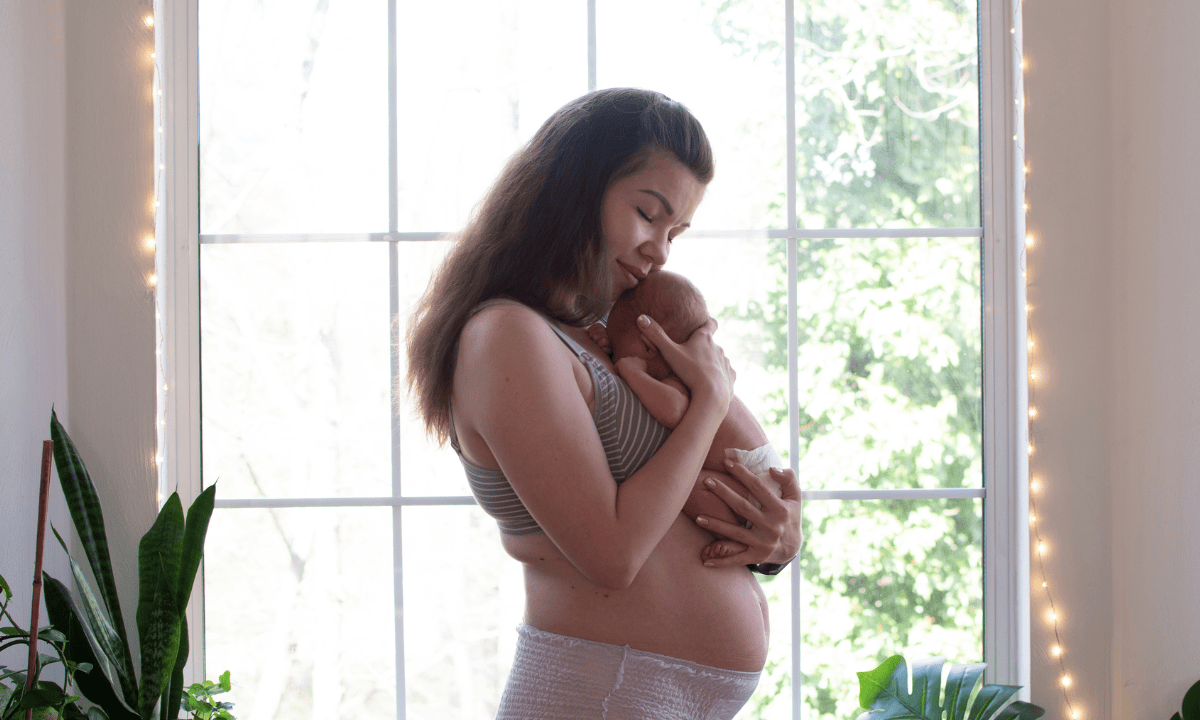
From a TCM viewpoint, giving birth uses up much of your body's Blood and energy, leaving you in a weakened state that needs building back up. Think of it like your energy reserves running low after months of growing your baby and the physical work of delivery.
TCM practitioners believe that your body is more open to what they call cold and dampness during this vulnerable time. This is why traditional practices focus on staying warm and avoiding things that might let cold into your system.
At the same time, your body is clearing out lochia (postpartum bleeding) and helping your organs return to how they were before pregnancy. TCM sees this as a natural process that your body needs support with, not something to rush.
When you understand this perspective, practices like avoiding cold drinks, eating warming soups, and resting as much as you can start to make more sense.
If you're uncertain about the changes happening in your body or want to understand whether your recovery is progressing as it should, schedule an appointment with Thomson Chinese Medicine. Our physicians can evaluate your postpartum healing and answer any questions you may have.
Our physician in Singapore
Loading...
Simple TCM postpartum practices you can start today
You don't need to follow every traditional practice to benefit from TCM postpartum care. A few key habits can support your recovery without feeling overwhelming.
Keeping warm during recovery
Staying warm is central to TCM postpartum care. Your body is more vulnerable to cold during recovery, which can slow your healing.
Simple ways to stay warm include:
Wearing socks and long sleeves indoors
Avoiding cold drinks
Drying your hair completely after washing
Keeping your room comfortably warm during the first two weeks
If you're in a warm climate, focus on avoiding sudden temperature changes rather than overheating.
Rest and activity balance
TCM recommends intentional rest for around 30 to 40 days. This means limiting demanding activities while your body heals, not staying in bed completely.
The first two weeks are when your body needs you most. Rest as much as you can, let others help with household tasks, and avoid lifting anything heavy. This isn't about being idle – it's about giving your body the space it needs to heal properly.
After two weeks, you can gradually add gentle movement. Start with short walks around your home and listen to your body – rest when you feel tired. This approach helps direct your energy towards healing and can prevent tiredness that lingers for months.
Nourishing foods for postpartum healing
Food plays a central role in TCM postpartum recovery. The focus is on warm, easily digestible meals that help rebuild your blood and energy after birth.
TCM dietary principles centre on warm cooked foods, nourishing ingredients, and eating smaller meals regularly throughout the day. Avoid cold foods and drinks during the first few weeks, as TCM practitioners believe these can slow your recovery and affect circulation.
Common ingredients include ginger, sesame oil, rice wine, and protein-rich foods like chicken and fish. These are often combined in warming soups and stews that are gentle on your digestive system.
Traditional herbal soups
Herbal soups (also called confinement soups) form the foundation of TCM postpartum nutrition. Different soups serve different purposes during your recovery, namely:
Red date and goji berry chicken soup for rebuilding blood
Ginger and black vinegar pig's trotter soup for strengthening bones
Fish soup with papaya for supporting milk production
Herbal chicken soup with Dang Gui for nourishing blood
Start with milder soups during the first week as your digestive system recovers, then gradually introduce richer soups as you feel stronger.
If you're unsure which foods are right for your recovery, schedule an appointment with Thomson Chinese Medicine. Additionally, we also offer 28-day confinement herbal care and herbal bath as well as 28-day confinement herbal soup or tea to support your postbirth recovery.
Postpartum body care and massage
Beyond rest and nutrition, TCM includes physical practices that support your recovery. These techniques help your body return to its pre-pregnancy state while promoting healing.
Many mothers find these practices comforting, though they're entirely optional. The following three are the most accessible to try at home or with help from your family.
Belly binding for postpartum recovery
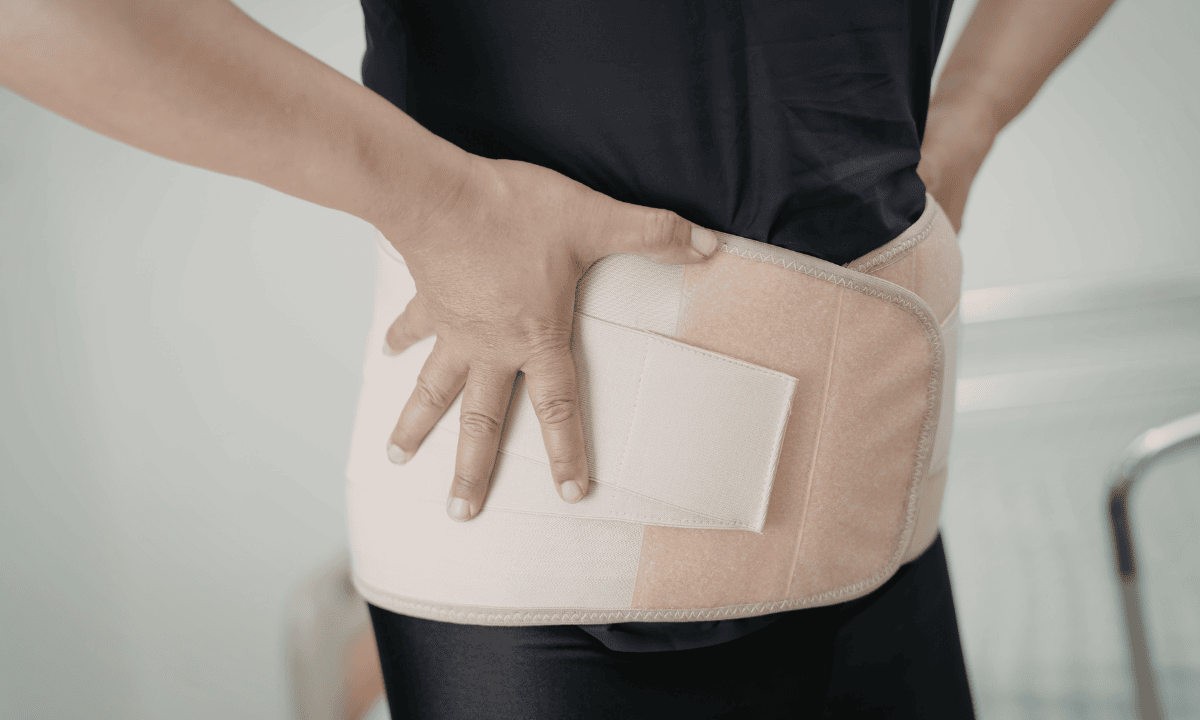
Belly binding involves wrapping a long cloth around your abdomen after delivery. This traditional practice provides support as your uterus shrinks back to its normal size and your abdominal muscles recover.
The wrap is applied from your lower ribs to your hips, providing gentle compression. Practitioners suggest it can offer several benefits, such as:
Supporting your posture while your core muscles are still weak
Reducing back discomfort during recovery
Providing physical support during the early postpartum weeks
You can start binding a few days after baby delivery, or once your doctor approves it after a caesarean section. It's usually worn during the day and removed at night. Make sure it's snug but not uncomfortably tight – you should still be able to breathe easily and move around.
Herbal baths and their healing benefits
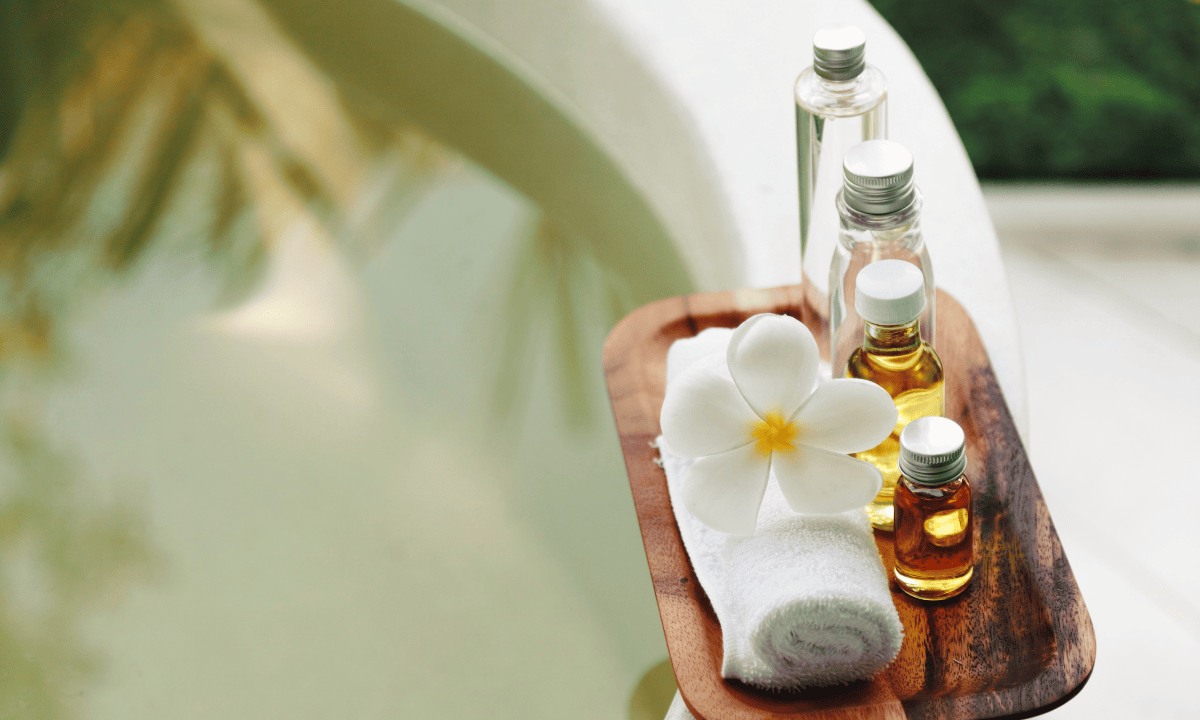
Herbal baths use warm water infused with traditional herbs such as mugwort, lemongrass, and motherwort. In TCM, these herbs dispel wind, promote healthy Qi circulation, relieve body aches, and gently warm the body after childbirth.
The herbs are boiled, strained, and added to your bathwater. You can gently splash the warm herbal water over your body, wipe your body using a towel soaked in the herbal bath, or take a short soak. Avoid prolonged bathing and always ensure the water temperature is comfortable.
You may begin herbal baths after discharge from hospital, provided you feel well and there are no medical concerns. Always consult your physician if you're unsure about your readiness, particularly if you've had a caesarean section or experience heavy lochia (postpartum bleeding).
If you're unsure when it's safe to begin belly binding, massage, or herbal baths based on your delivery type, schedule an appointment with Thomson Chinese Medicine. Our physicians can assess your recovery and let you know which practices are appropriate for you.
FAQ
Can you benefit from TCM postpartum care even if you're not Chinese?
Yes. TCM postpartum practices can benefit anyone, regardless of cultural background. You can start with what feels comfortable, like staying warm, eating nourishing soups, and getting adequate rest.
Can I shower and wash my hair, or do I really need to avoid water?
You can shower and wash your hair. Traditional advice suggested avoiding water due to concerns about catching “cold”, but modern TCM practitioners recognise that good hygiene is important.
Just make sure to dry yourself completely afterwards, especially your hair, and avoid cold water. Keep the bathroom warm and wear socks after bathing.
Is it too late to start TCM care if I'm already 2 weeks postpartum?
While the first 30 to 40 days are considered most important, you can still benefit from TCM practices even if you start later. Focus on nourishing foods, adequate rest, and keeping warm. Your body is still recovering, and these habits can support your healing at any stage.
How to balance TCM advice with recommendations from a doctor?
Always follow your doctor’s medical advice first. TCM practices are meant to complement, not replace, modern medical care.
If you are taking both TCM and Western medications, allow at least a 2-hour gap between them. Always follow your TCM physician’s instructions when using herbal medications, including those purchased over the counter.
The body is especially sensitive after delivery, so avoid overloading with strong tonics during the early postpartum period.
Can TCM help if I'm struggling with postpartum depression?
TCM can provide supportive care, but postpartum depression requires professional medical attention. If you're experiencing persistent sadness, anxiety, or difficulty bonding with your baby, speak with your doctor immediately.
TCM practices like acupuncture and herbal remedies may complement treatment, but should only be used alongside proper mental health care, not as a replacement.
What are the most important TCM practices I shouldn't skip?
Focus on these three basics: get adequate rest (especially in the first two weeks), eat warm, nourishing foods regularly, and keep your body warm. These foundational practices support your recovery without being overwhelming.
Everything else – massage, herbal baths, belly binding – can be added if you have time and interest, but rest, nutrition, and warmth are the essentials.
The information provided is intended for general guidance only and should not be considered medical advice. For personalised recommendations and advice based on your unique situation, schedule an appointment with Thomson Chinese Medicine today.
Citations
Ridzuan, M. H., Ali, M. F., Tan, C., & Aziz, A. F. A. (2021). Traditional and complementary medicine use during postpartum period: A Cross-Sectional Analysis at a rural, public Maternal and Child health clinic in West Malaysia. Cureus, 13(6), e15410. https://doi.org/10.7759/cureus.15410
Physician Jun Negoro
Traditional Chinese Medicine
Thomson Chinese Medicine (TCM Paragon Medical Centre) and 1 other
English, Mandarin
Alliance MediNet
