

If you have been advised to undergo a hysterectomy, it is natural to wonder how the surgery might affect your body in the long term. Many women worry about whether the procedure could cause them to age faster.
While hormonal changes can happen after surgery, knowing what is actually involved can help you feel more reassured and better prepared for the changes ahead.
What is a hysterectomy?
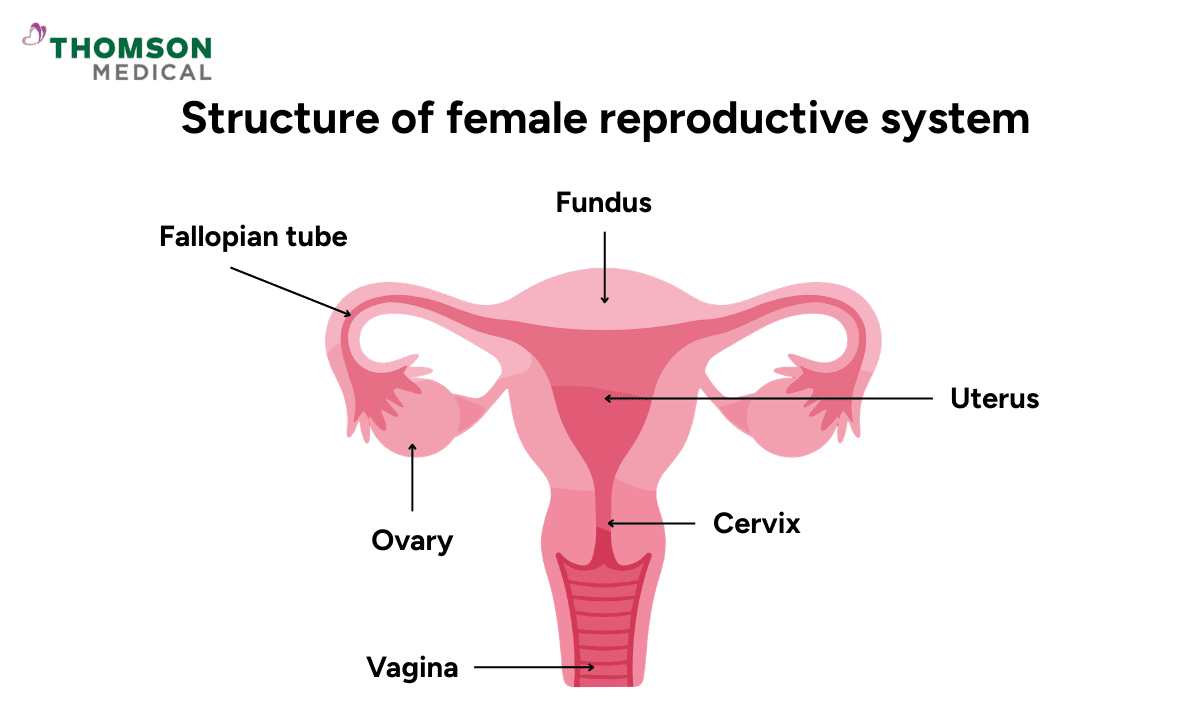
A hysterectomy is a major surgical procedure to remove your uterus. Your doctor usually recommends it to help manage medical conditions that can cause severe pain or significantly affect your routine.
Hysterectomy may be suggested if you have these health conditions:
Unusually heavy menstrual bleeding
Endometriosis or adenomyosis (painful thickening or enlargement of your uterus)
Uterine prolapse, where your uterus falls down into the vaginal canal
Certain gynaecological cancers, such as uterine cancer or cervical cancer
After the surgery, your periods will stop permanently, and pregnancy is no longer possible. Recovery is a process of physical healing and letting your body adjust to a new normal.
Types of hysterectomy
There isn't just one type of hysterectomy. Your surgeon will tailor the procedure to your specific health needs.
Depending on your health, your doctor may recommend one of the following options:
A total hysterectomy, which removes both the uterus and the cervix
A subtotal or partial hysterectomy, which removes only your uterus and leaves the cervix in place
A bilateral salpingo-oophorectomy, performed alongside a hysterectomy, which removes both ovaries and both fallopian tubes
Knowing which type of surgery you are having is important, as it influences how your hormones may behave and how your body will adjust post-surgery.
If you have been advised to undergo a hysterectomy, seeking medical advice can help you make an informed decision. You may arrange a consultation with Thomson Medical to discuss your treatment plan and what to expect after surgery.
How do hormones change after a hysterectomy?
The main factor in how your hormones shift is whether your ovaries are kept or removed. Your ovaries are the main producers of essential hormones like oestrogen and progesterone, which help regulate your body.
When the ovaries are retained
If your ovaries are left in place, they will usually keep making hormones, and your cycles may carry on for several years. You might not notice any immediate changes after the surgery.
However, surgery can sometimes reduce blood flow to your ovaries. This might cause their hormone production to slow down earlier than it naturally would, so it is still worth tracking how you feel over time.
When the ovaries are removed (surgical menopause)
If both ovaries are removed, this will lead to a sudden drop in these essential hormones. As a result, your body will experience immediate surgical menopause, which stops your natural hormonal cycle instantly.
It may take some time and patience for your body to get used to this. However, knowing this is coming allows you and your doctor to better prepare a plan to manage the symptoms.
Can a hysterectomy cause faster ageing?
It is very common to worry about signs of ageing after a hysterectomy. Some research suggests that women who undergo hysterectomy, especially with ovary removal at a younger age, may experience accelerated signs of ageing.
When your oestrogen levels drop, you might notice:
Changes in your cardiovascular health and blood vessels, which may increase your risk of cardiovascular disease and heart disease over time
A gradual decrease in bone density
Your skin losing some of its firmness or elasticity
Mild changes in memory or focus
This is sometimes called "hormonal ageing" or “biological ageing” because oestrogen acts as a protective shield for many of your body tissues. However, the actual impact depends heavily on your age, whether you still have your ovaries, your general health, and your daily habits.
Our gynaecologists in Singapore
Loading...
Symptoms of low oestrogen after a hysterectomy
If your oestrogen levels decrease, you might experience a few new physical and emotional changes:
Hot flushes, night sweats, or trouble sleeping
Vaginal dryness, painful intercourse, or changes in urinary habits
Mood swings, irritability, or a lower sex drive
Feeling unusually tired or unmotivated
Not everyone experiences all of these, and the severity varies. If they start interfering with your day-to-day life, it is time to talk to your doctor.
How to support your body after a hysterectomy
While these post-hysterectomy changes can feel unsettling, there are many effective ways to manage them and help you feel more comfortable. A combination of medical support and adjustments in daily habits makes a huge difference.
Medical options
If you are dealing with symptoms of low oestrogen, especially after surgical menopause, hormone replacement therapy (HRT) is worth discussing with your doctor. This hormone therapy helps replace the oestrogen your body is missing and eases symptoms such as vaginal dryness or hot flushes.
Regular check-ups with your healthcare provider are also highly recommended. By doing so, you can make sure that your hormone levels, bone health, and heart activities can be monitored closely.
If you are experiencing symptoms of low oestrogen or would like to explore whether HRT is suitable for you, a discussion with a doctor could be helpful. You may schedule a consultation with Thomson Medical to discuss your symptoms and ongoing health monitoring.
Lifestyle habits that help
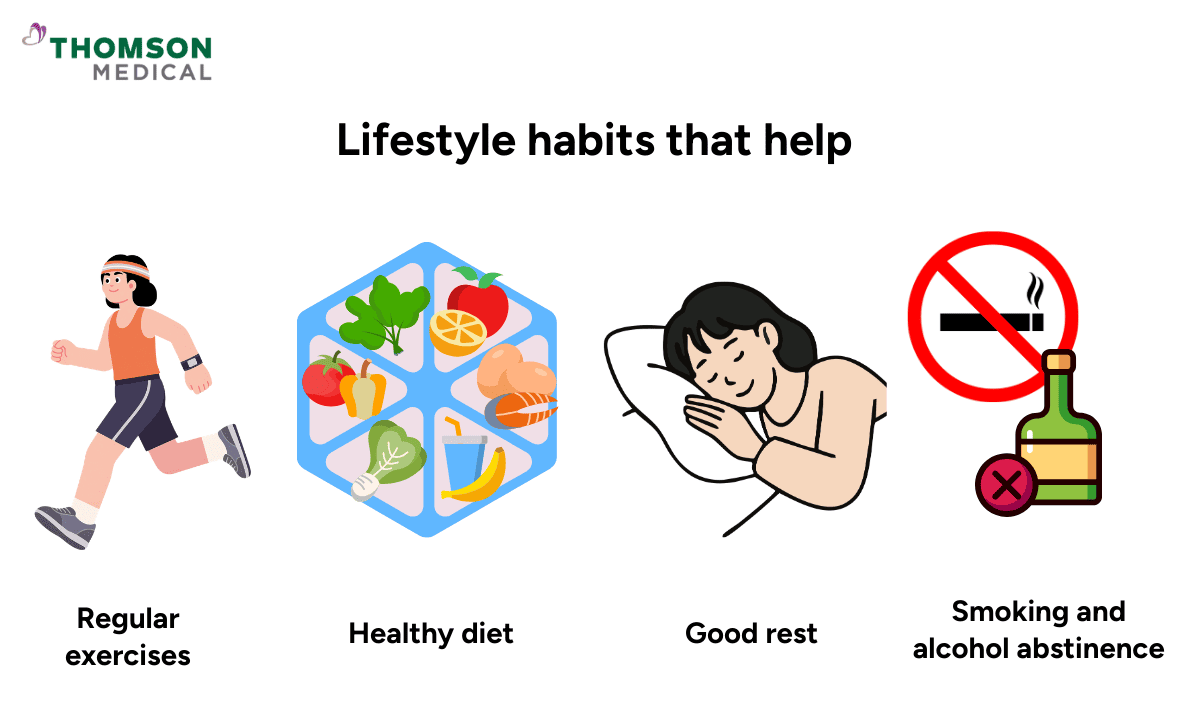
You can protect your body and support your long-term health by adopting a few mindful daily habits:
Focusing on strength training and weight-bearing exercises to protect your bones
Eating a healthy diet rich in calcium, vitamin D, and antioxidants to support your skin and overall health
Prioritising good rest and finding relaxation techniques that work for you.
Avoiding smoking and limiting alcohol to protect your heart and slow down skin ageing
Focusing on these healthy lifestyle choices may help slow down age-related changes and support your physical wellbeing for years to come.
FAQ
What hormones are affected by a hysterectomy?
It depends entirely on your ovaries. If you keep them, your oestrogen and progesterone levels usually stay stable. If they are removed, your oestrogen drops quickly, causing surgical menopause.
Does a hysterectomy affect ageing?
It can, especially if your ovaries are removed before you reach natural menopause. Oestrogen protects your heart, bones, skin, and brain and plays an important role in reducing the risk of heart disease. Without it, some age-related changes can happen earlier. If your ovaries are preserved, the impact on ageing is usually much milder.
Does your physical appearance change after a hysterectomy?
Some women notice gradual changes tied to lower oestrogen, such as skin becoming slightly thinner or less firm, or weight shifting toward the stomach. Healthy nutrition and regular exercise may help minimise this.
Do you get more facial hair after a hysterectomy?
A small number of women do, particularly if both ovaries are removed. A drop in oestrogen can lead to slight hormonal changes, allowing testosterone to have more of an effect. If this bothers you, your doctor can help you manage it.
What happens if you have very low oestrogen?
In the short term, it can cause hot flashes, night sweats, vaginal dryness, and mood shifts. Over time, it may affect bone strength and heart health. In most cases, these effects can be managed with medical treatment and supportive lifestyle factors.
What food and drink increase oestrogen?
Some foods contain phytoestrogens, plant compounds that have a very mild oestrogen-like effect in the body. Good sources include soy products (like tofu and edamame), flaxseeds, chickpeas, and certain berries. While they don't replace your natural hormones or HRT, they can be part of a balanced diet.
The information provided is intended for general guidance only and should not be considered medical advice. For personalised recommendations and tailored advice based on your unique situations, please consult a specialist at Thomson Medical. Request an appointment with Thomson Medical today.
Reference:
Kim, J. K., & Crimmins, E. M. (2025). Early menopause, hysterectomy, and biological aging: Health and Retirement Study. Menopause (New York, N.Y.), 32(8), 692–701. https://doi.org/10.1097/GME.0000000000002555
For more information, contact us:
Thomson Specialists (Women's Health)
Thomson Women's Clinic (TWC)
- Novena:
6592 6686 (Call), 8611 8986 (WA) - Bukit Batok:
6569 0668 (Call), 8686 3525 (WA) - Choa Chu Kang:
6893 1227 (Call), 8282 1796 (WA) - Jurong:
6262 8588 (Call), 6262 8588 (WA) - Katong (female doctor):
6970 2272 (Call), 8611 9020 (WA) - Punggol:
6243 6843 (Call), 8811 0328 (WA) - Sembawang: 6753 5228
- Sengkang: 6388 8125
- Serangoon (female doctor): 6382 3313
- Tampines: 6857 6266
- Tiong Bahru: 6276 1525
Notice
The range of services may vary between TWC/TS locations. Please contact your preferred branch directly to enquire about the current availability.
Request an Appointment