

Dealing with cancer can be an emotionally and physically draining experience that affects your overall quality of life. This is because you have to deal not only with the condition itself but also with the side effects of the necessary treatment.
To help overcome these challenges, Traditional Chinese Medicine (TCM) offers supportive care to strengthen your constitution and alleviate the side effects of treatment.
How does TCM view cancer?
Western medicine sees cancer as a disease where abnormal or damaged cells grow and multiply uncontrollably, sometimes forming lumps of tissue called tumours. These cancerous tumours can invade nearby tissues and travel to other parts of the body, forming new tumours in a process called metastasis.
TCM, however, views the development of cancer as a result of both internal and external causes. Examples of external triggers include exposure to environmental toxins and pathogens, while internal factors such as chronic stress, overexertion, and poor dietary habits can weaken the body's Qi over time. These factors create conditions where harmful imbalances such as stagnation, phlegm, blood stasis and heat toxins can develop.
Think of Qi as the vital energy that keeps everything in your body moving, from digesting food and circulating blood to enabling your nerves to send signals. When Qi stagnates, it’s like a traffic jam on a highway where the flow of energy and nutrients comes to a halt.
Over time, this stagnation prevents the body from processing fluids properly, causing them to thicken and accumulate. TCM refers to this as phlegm. As Qi weakens further, it loses the force to push blood through the vessels, leading to blood stasis and slow, sluggish circulation, which deprives tissues of what they need. Heat toxins refer to the intense inflammatory environment resulting from this build-up, which TCM associates with conditions of rapid, uncontrolled growth.
How does TCM support cancer treatment?

To treat cancer, Western treatments such as chemotherapy and radiotherapy work by destroying the cancer cells. While effective, these treatments may also damage healthy cells in the process, leading to side effects such as fatigue, nausea, and pain.
This is where TCM therapy comes in, as it enhances your overall health and vitality to help manage these side effects. This holistic care focuses on maintaining your digestive function, liver and kidney health, immunity, and emotional well-being to restore balance and strengthen your body's ability to fight cancer.
Here's how TCM can support you throughout your cancer treatment journey:
Managing common treatment side effects such as fatigue, nausea, digestive issues, loss of appetite, and hot flushes.
Reducing neuropathic pain, such as burning, tingling, or shooting sensations caused by nerve damage from chemotherapy, radiotherapy, or surgery.
Reducing musculoskeletal pain, including muscle stiffness, joint pain, or body aches caused by cancer or as a side effect of treatment.
Calming the nervous system to encourage the natural release of endorphins, which helps to ease anxiety and emotional distress following cancer treatment.
Strengthening immune function, reducing infection risk, supporting faster recovery from fatigue, and improving your stamina throughout treatment.
However, TCM and Western medicine are not alternatives to each other. Rather, TCM is most effective when used alongside conventional cancer treatment, not to replace it. This traditional treatment works as supportive care to manage cancer symptoms and the side effects of treatment, but it’s not a substitute for chemotherapy, radiotherapy, or surgery.
If you are considering TCM as part of your cancer care, schedule an appointment with our physician at Thomson Chinese Medicine. The physician will assess your condition and any side effects you're experiencing and recommend a treatment plan tailored to your needs.
Our TCM oncology physician in Singapore
Our TCM oncology (cancer care) physician, Ng Jin Ju, graduated from Nanyang Technological University (NTU) in 2010 with a double degree in Biomedical Sciences and Traditional Chinese Medicine (TCM). She also completed her master's in TCM, with a focus in TCM oncology.
Her clinical expertise includes acupuncture for pain management, particularly for elderly patients. She is also passionate about caring for oncology patients, particularly patients with gynaecological cancers such as breast cancer, and helps them to manage the side effects of conventional treatment.
During your consultation, physician Jin Ju will conduct a thorough assessment of your overall health. You may also be asked about your cancer journey, current symptoms, energy levels, digestion, sleep patterns, and emotional well-being. Based on this information, our physician will be able to develop a personalised treatment plan for you.
Our TCM cancer specialist in Singapore
Loading...
Available TCM treatments for cancer
To help support cancer care, TCM uses a variety of methods, focusing on strengthening your body's defences, eliminating pathogens, and treating the whole body.
Acupuncture
During acupuncture, thin needles are inserted into specific points on the body to stimulate the flow of Qi along energy pathways called meridians. This treatment method is effective for managing pain, numbness, nausea, fatigue, neuropathy, and other symptoms related to cancer treatment.
Herbal medicine
TCM herbal formulas are tailored to your condition and cancer type rather than taking a one-size-fits-all approach. Each formula is selected based on its therapeutic properties, which may include anti-inflammatory effects, immune system support, and restoring the body's Qi balance.
Your physician will prescribe a personalised herbal formula to address your specific symptoms, such as fatigue, digestive issues, or emotional disturbances.
Depending on changes in your condition or treatment plan, the formula may be adjusted every few weeks. Herbal medicine helps to maintain healthy blood cell counts during chemotherapy and supports your body's natural defences throughout recovery.
Lifestyle recommendations
TCM emphasises a balanced diet that's tailored to your unique constitution and health condition. Your physician will recommend foods suited to your stage of cancer treatment. For example, you may be recommended warm soups or broths to nourish Spleen Qi, or foods that support digestion, prevent Blood deficiency and reduce inflammation.
In addition to diet, your physician may recommend gentle exercises such as Tai Chi or Qigong, if appropriate, as these can help to reduce cancer-related fatigue and support your mental well-being.
Other than the mentioned traditional therapy above, sometimes, TCM treatment may involve other treatment modalities like moxibustion for cold syndromes to warm the body and promote healing.
Is TCM safe during cancer treatment?
When used correctly and under proper medical supervision, TCM can be a safe addition to conventional cancer treatment. However, suitability depends on your condition and the treatment you are currently receiving.
Acupuncture is generally considered safe during cancer treatment. It’s common for patients to receive acupuncture just before chemotherapy or to be prescribed herbal medicine before or after radiotherapy and chemotherapy to help manage treatment-related side effects.
However, the same cannot be said for Chinese herbal medicine, which requires more careful consideration. This is because some types of Chinese herbs can interfere with conventional cancer treatment and reduce its effectiveness. For this reason, herbal formulations should only be taken under the supervision of a qualified TCM physician who is fully informed of your diagnosis, current medications, and treatment plan.
The safest approach is for your TCM physician and oncologist to work together. Ideally, your oncologist will share your treatment plan directly with your TCM physician so that they can collaborate on appropriate supportive measures.
Before starting TCM, it's recommended that you:
Inform your oncologist that you are considering or already receiving TCM.
Avoid self-prescribing herbal supplements or natural remedies outside of a supervised TCM treatment plan.
Bring all related medical data to the physician for review, including lab tests, imaging tests, biopsy reports, radiotherapy schedules (if applicable), as well as the lists of chemotherapy and targeted therapy drugs used or currently in use (if applicable).
Physician Jin Ju advises patients to be wary of any TCM physician who recommends stopping conventional cancer treatment or makes definitive claims about curing cancer. “The role of a TCM practitioner is to support your recovery and improve your quality of life, not replace your oncologist,” she says. If you come across products or practitioners claiming to cure cancer, treat these with caution.
TCM cancer support at Thomson Chinese Medicine
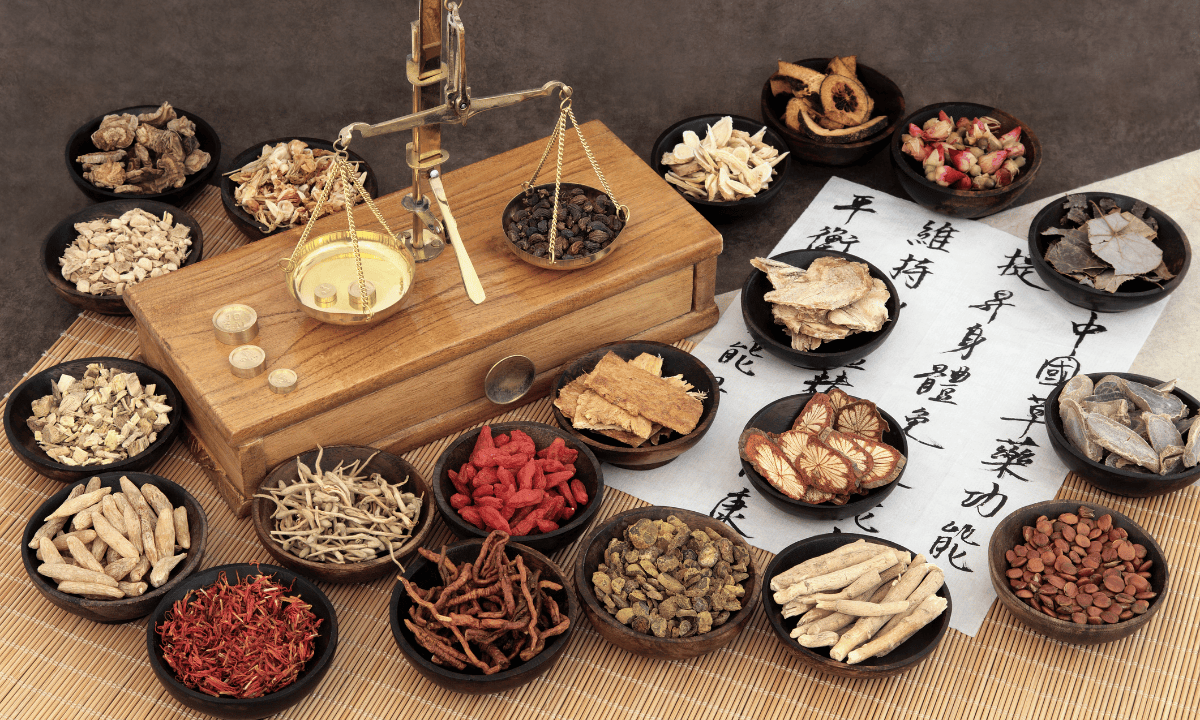
At Thomson Chinese Medicine, our physicians collaborate closely with your medical team to safely integrate TCM therapies into your cancer care, tailoring them to your specific condition and treatment stage.
We offer TCM cancer support programmes such as:
Body constitution assessment
A body constitution assessment helps you understand your body from a TCM perspective, giving your physician a clear picture of your condition to build a personalised care plan. You will answer a series of questions relating to each constitution type.
Your physician then analyses your scores and plots them on a chart, like the example below, to identify your body constitution types.
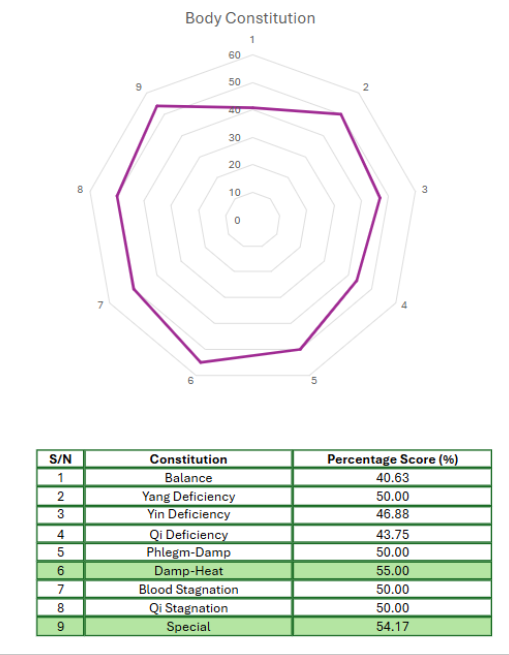
This assessment includes:
An in-clinic physician consultation where your medical history is reviewed and tongue and pulse diagnoses are performed.
A spiderweb body constitution analysis that maps your dominant and secondary body types.
Personalised food recommendations, including what to eat to support your recovery and what to avoid.
Tailored self-care tips with simple daily habits to help restore balance.
Acupoint guidance, which includes specific acupoints that you can stimulate at home to improve your health.
Preventivehealth insights to help you maintain long-term well-being and reduce the risk of future illness.
Acupuncture for post-cancer care
If you are experiencing side effects from cancer treatment, acupuncture may help. During each session, we place needles at specific points on your body to target these symptoms and support your recovery.
Restore the body's natural energy flow and help manage neuropathy, numbness, tingling and pain in the hands and feet that may be experienced after chemotherapy.
Improve your energy levels and reduce the fatigue that often lingers after cancer treatment.
Support your immune system during and after treatment
Reduce nausea from chemotherapy, improve digestion and help your body absorb nutrients more effectively
The sessions also aim to calm the nervous system and encourage the body's natural release of endorphins (hormones that help relieve pain and reduce stress).
For more information about TCM oncology care at Thomson Chinese Medicine, visit our TCM Cancer Aftercare page. Our physician will help to perform the necessary procedure to find out whether TCM is the right supportive care for your cancer management.
FAQ
Which cancer treatment is the most successful?
The effectiveness of treatment depends on various factors, such as the type and stage of your cancer, as well as your general health. There is no single treatment that is best for every case. Treatments such as surgery, chemotherapy, targeted therapy or immunotherapy are chosen based on what is most appropriate for you.
An early diagnosis greatly improves your chances of success. TCM cannot replace these treatments, but it can support you throughout the process, helping you to manage side effects, maintain your strength, and improve your quality of life.
What can a TCM physician do for cancer patients?
A TCM physician will assess your overall health and identify any imbalances, such as stagnant Qi, deficient Qi, phlegm, Blood stasis or heat toxins, that may be contributing to your condition. This assessment usually includes reviewing your medical history and performing tongue and pulse diagnoses, which are TCM methods of evaluating your body's internal state.
Based on this assessment, your TCM physician will create a personalised treatment plan for you. This may include herbal medicine, acupuncture, or dietary recommendations. The aim in cancer care is to help you cope with treatment side effects, boost your immune system, and support your energy levels and general well-being during conventional treatment.
Your TCM physician will also monitor any potential interactions between herbal prescriptions and your cancer medications and adjust your treatment plan accordingly.
Can TCM be trusted to assist in cancer treatment?
Yes, when used alongside conventional treatment. While TCM is not a cure for cancer, it can play a role in supportive care. Acupuncture in particular offers benefits in reducing pain, fatigue, nausea and insomnia related to cancer treatment.
Herbal medicine can also be used to manage the side effects of chemotherapy and support immune function. However, as some Chinese herbs can interact with cancer medications, herbal prescriptions should only be provided by a qualified TCM physician who is fully informed about your treatment plan.
Does TCM differentiate between cancer types, or is the root cause always the same?
According to TCM, cancer develops gradually over time as imbalances accumulate in the body. There are no specific patterns of imbalance associated with a particular cancer. Instead, your TCM physicians assess patterns of imbalance that can apply across different cancer types.
How long does it take for patients to experience the therapeutic effects of TCM during cancer treatment?
The time taken can vary. Generally, after a few weeks of consistent treatment, patients can expect to experience relief from their symptoms, an improvement in their overall health, and an increased tolerance of the side effects of conventional cancer treatment.
What cancers are not curable?
Most cancers that have spread to other parts of the body (known as metastatic cancer) cannot currently be cured, although they can often be treated. However, it's important to note that incurable does not mean untreatable. These two words sound similar, but they have very different meanings.
Incurable means that, based on current medical knowledge, treatment cannot permanently eliminate the cancer. Untreatable would mean there is nothing doctors can do, and for most cancers, that is simply not the case. Even when a cure is not possible, treatment can shrink tumours, slow the progression of the cancer, prevent it from spreading further, and relieve symptoms.
The information provided is intended for general guidance only and should not be considered medical advice. For personalised health advice on cancer management and whether TCM is right for your care, schedule an appointment with Thomson Chinese Medicine.