

If you or someone close to you is looking for information about vaginal cancer treatment, it is natural to feel concerned and unsure about what lies ahead. Because vaginal cancer is rare, finding clear and trustworthy guidance can feel challenging, and many people are unsure where to begin.
The good news is that effective treatments are available, and care is usually tailored to the individual. Learning about vaginal cancer treatment options, how decisions are made, and what support is available can help you feel more confident and prepared.
What is vaginal cancer?

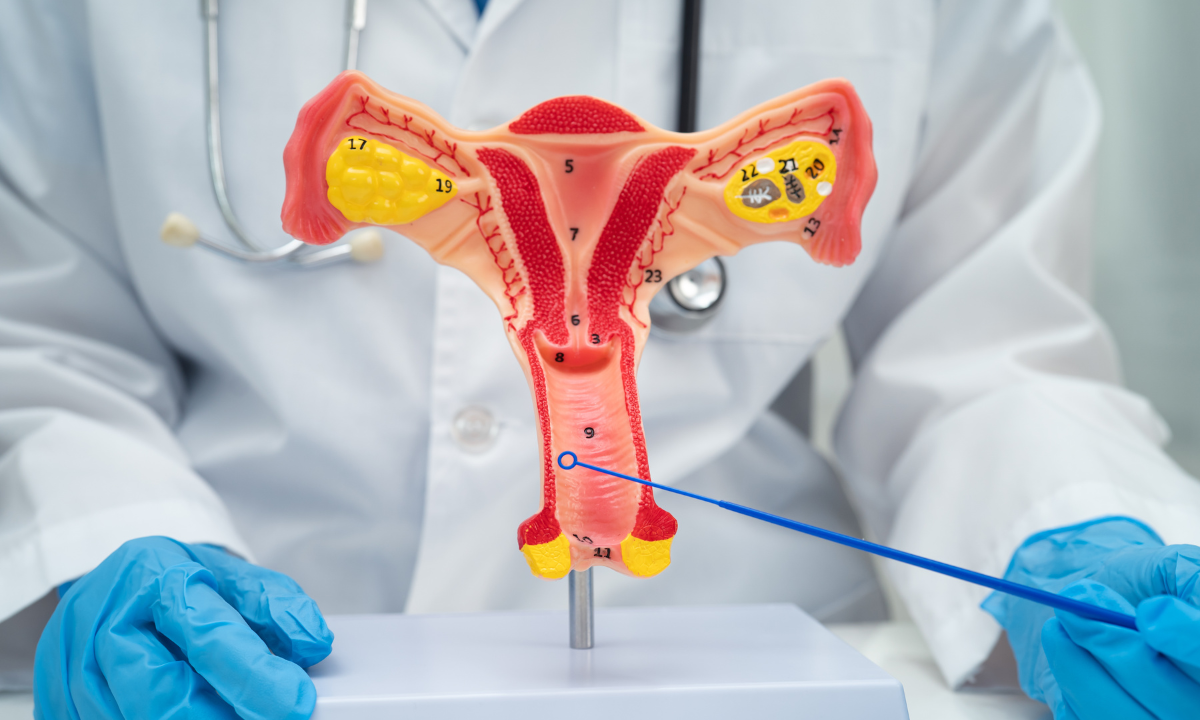
Vaginal cancer, or vulvar cancer, is a rare gynaecological cancer that starts in the tissues of your vagina, which is the passage that connects the cervix to the vulva.
Most cases begin in the cells that line the inside of your vagina. Less commonly, it can start in gland cells (adenocarcinoma), pigment-producing cells (melanoma), or the supportive tissues of your vaginal wall (sarcoma).
Often, there is no single clear cause. However, you may be more at risk if:
You have been exposed to high-risk types of human papillomavirus (HPV), particularly HPV 16 or 18
You are over the age of 60, although vaginal cancer can occur at any age
You have previously had cervical or vulvar cancer
Your mother took the hormone diethylstilbestrol, known as DES, during pregnancy
You have had long-term irritation or scarring in the vaginal area
Having one or more of these risk factors does not mean you will develop vaginal cancer. Many people with risk factors never do. They simply help explain why some individuals may be more vulnerable than others, which is why noticing changes in your body and seeking medical advice can be important.
How can vaginal cancer be treated?
Your treatment plan is tailored to you. It is based on several factors, including the stage of your cancer, the size and location of the tumour, the type of cancer, and your overall health.
In Singapore, care for gynaecological cancers is provided by a team of specialists who work closely together. This team approach helps ensure that every part of your care is carefully considered to ensure that your treatment is both safe and effective.
Surgery
Surgery may be recommended as part of your vaginal cancer treatment, depending on the size, location, and stage of the cancer, as well as your overall health. Your surgical team will take time to explain the options available to you, answer your questions, and support you in making decisions that feel right for your situation.
Surgical treatment may involve one or more of the following procedures:
Local excision:
Your doctor will remove the tumour along with a small margin of surrounding healthy tissue.
It is usually considered when the cancer is small and confined to one area.
Partial or total vaginectomy:
If the cancer is larger or more widespread, in some cases, your care team may need to remove all of your vagina.
Your doctor will carefully assess how much tissue needs to be removed to treat the cancer effectively while aiming to preserve function wherever possible.
Lymph node removal:
Nearby lymph nodes may be checked or removed to see whether the cancer has spread beyond the vagina.
This information can help guide further treatment decisions, such as whether radiotherapy or chemotherapy is recommended.
In some situations, you may be offered reconstructive surgery, especially if a larger section of vaginal tissue needs to be removed. This type of surgery can help rebuild your vagina and may improve physical comfort and quality of life. In rarer and more advanced cases, you may be advised to have a more extensive operation that involves removing several affected pelvic organs to help control the cancer.
Throughout the process, your care team will focus not only on treating the cancer but also on supporting your recovery, comfort, and emotional wellbeing.
Radiation therapy
Radiation therapy (or radiotherapy) is one of the most important and effective treatments for vaginal cancer, especially if:
Surgery is not suitable for you
You need additional treatment after surgery to lower recurrence risk
Your cancer is more advanced and requires non-surgical disease control
There are two main types of radiotherapy:
External beam radiotherapy:
Your treatment team directs radiation at the cancer from outside your body using a specialised machine.
This approach targets the cancer while protecting nearby healthy tissue as much as possible.
Brachytherapy:
Your team places radiation close to, or inside, the vagina near the tumour.
This allows them to treat the area more precisely and limit the effect on surrounding tissues.
Your healthcare team will talk you through which type of radiotherapy is recommended for you, what the treatment involves, and how they will support you at each step of the process.
Chemotherapy
Chemotherapy uses anti-cancer medicines to treat cancer cells throughout your body. Your doctor may recommend it to:
Help shrink your tumour before surgery
Lower your risk of the cancer returning after surgery
Slow the cancer and ease your symptoms if it has spread
If your cancer is more advanced or at higher risk of spreading, your care team may combine chemotherapy with radiotherapy. This approach, known as chemoradiation, is chosen to give you the strongest treatment while keeping your safety and wellbeing at the centre of care.
Targeted therapy and immunotherapy
In some situations, your doctor may suggest targeted therapy or immunotherapy as part of your vaginal cancer treatment. These treatments work differently from chemotherapy and focus on specific features of the cancer or on strengthening your immune response.
Targeted therapy
Targeted therapy uses medicines that focus on specific changes in the cancer cells that help them grow. By acting on these changes, the treatment aims to slow or stop the cancer while limiting harm to healthy cells.
You may experience side effects such as:
Tiredness
Skin changes
Diarrhoea
Changes in blood pressure
Your healthcare team will monitor you closely and help manage any symptoms that arise.
Immunotherapy
Immunotherapy works by helping your own immune system recognise and attack cancer cells more effectively. This treatment strengthens your body’s natural defences against cancer. Because it activates the immune system, you may notice side effects such as:
Skin rashes
Bowel changes
Inflammation in certain parts of the body
Your team will explain what to look out for and will support you if any side effects occur.
Our gynaecologic oncology specialist
Loading...
How is your vaginal cancer treatment plan determined?
Before your team recommends a treatment plan, they will carefully assess several factors about your cancer and your overall health.
Staging the vaginal cancer
Your team determines the cancer stage by understanding how far it has spread. This guides the treatment approach and helps shape your expectations moving forward.
Common staging checks include:
Imaging scans:
Pap smears or HPV tests:
These tests are mainly used to look for cervical changes.
They can sometimes identify abnormal vaginal cells during routine screening.
Pelvic examination:
You may be required to take pelvic exams to identify your tumour size and its exact location in the affected area.
Lymph node assessment:
This test is used to check if your cancer has spread to nearby nodes.
Staging allows your doctors to recommend the safest and most effective path for you.
Identifying the cancer type
Your doctor then confirms your cancer type by analysing cells from a biopsy sample to check for cancerous cells and determine the most effective treatment.
The most common types are squamous cell carcinoma and adenocarcinoma, but other rarer forms may also occur. Knowing the exact type ensures your treatment is accurately targeted to the behaviour of your cancer cells.
Assessing patient health
Before treatment begins, your care team will check your overall health to make sure your body is ready and well-supported throughout treatment.
Health checks may include:
Blood tests to check your immune system, organ function, and general fitness
A review of your medical history to understand any past conditions or risks
A physical examination to confirm whether you are fit for treatment.
This helps doctors understand how well your body may tolerate certain treatments. The aim is to create a plan that treats the cancer effectively while keeping you safe throughout the process.
Setting treatment goals
Your doctors will talk with you about clear goals for your treatment, based on the type and stage of your cancer and your overall health.
These goals may focus on treating the cancer, keeping it under control, or easing symptoms. Throughout this process, your quality of life always remains an important part of the conversation.
Reviewing treatment options
Your care team will look at all suitable treatment options with you.
This may include surgery, radiotherapy, chemotherapy, or a combination of treatments. They will explain how each option works, what the benefits and risks are, and what side effects you might expect, so you can understand what each choice means for you.
Incorporating patient preferences
Your team will listen to your concerns, answer your questions, and take your personal circumstances into account when planning treatment.
This may include talking about fertility, intimacy, comfort, or recovery, when relevant. Decisions are made together, making sure you feel informed, supported, and involved every step of the way.
Consulting a multidisciplinary care team
Your care is guided by a team of specialists who come together to review your case from different angles.
By sharing their expertise, they make sure every detail is considered and nothing is missed. This team approach helps build a treatment plan that is careful, personalised, and focused on your wellbeing.
Your care team may include:
Gynaecological oncologists who lead your treatment
Radiologists who review your scans and assess how far the cancer has spread
Medical oncologists who help select the most appropriate medicines or chemotherapy
Pathologists who confirm the cancer type and study how your cells behave to guide treatment choices
Throughout this process, you remain at the centre of every decision, and it is completely natural to feel worried or overwhelmed at times. Your healthcare team will listen to your concerns, explain your options with care, and support you so you never feel rushed or alone in the choices you make.
If you would like a clear understanding of your treatment plan and want to discuss your options with a dedicated care team, schedule a consultation at Thomson Medical for a thoughtful review centred on your health, preferences, and peace of mind.
What are the potential complications of vaginal cancer treatment?
Vaginal cancer treatments aim to be safe and effective, but they can sometimes affect nearby tissues or organs. Knowing what to expect can help you prepare and access the support you need.
Short-term complications may include:
Infection or bleeding after surgery:
Your body may take time to heal, and your team will monitor and treat any signs early to prevent complications.
Temporary bladder or bowel irritation after radiotherapy:
You may notice urgency, discomfort, or changes in bowel habits, which usually improve over time with guidance from your care team.
Fatigue, nausea, or lowered immunity from chemotherapy:
Feeling tired, queasy, or more prone to infections is common, but medications and adequate rest can help you manage these effects safely.
Long-term or late complications may include:
Vaginal dryness, sensitivity, or narrowing:
You might notice changes in comfort during daily life or intimacy.
Simple routines like moisturisers or gentle exercises can be beneficial to your recovery.
Pelvic floor muscle tightness or discomfort:
You may feel tension or discomfort in the pelvic area. With personalised exercises and rehabilitation, you can reduce pain over time.
Fertility challenges depending on the type of treatment:
Treatments can sometimes affect your ability to have children.
Your care team can discuss options for preserving fertility or family planning before treatment starts.
Emotional or intimacy concerns following major pelvic surgery:
Major surgery can affect how you feel about your body and relationships.
Talking with a counsellor, joining support groups, or sharing openly with your care team can help you feel heard and regain confidence.
While these complications can feel overwhelming, your care team will guide and support you every step of the way, helping you regain comfort, confidence and quality of life.
Can vaginal cancer be prevented?
While there’s no guaranteed way to prevent vaginal cancer, you can take these steps to help reduce your risk:
Take the HPV vaccine to protect against high-risk strains of the virus linked to vaginal and cervical cancers.
Go for regular screening, such as Pap tests, to detect abnormal or cancerous cells early.
Practise safe sexual habits to lower your risk of HPV infection.
Avoid long-term vaginal irritation by seeking medical advice for persistent discomfort or scarring.
Maintain a healthy lifestyle with a balanced diet, regular exercise, and avoiding smoking.
Taking these steps can help you stay proactive about your health and catch any issues early, giving you the best chance for effective treatment and peace of mind.
FAQ
Is vaginal cancer curable?
Vaginal cancer can be curable, especially if you find it early. When the cancer is still localised, treatment often works very well and many people recover fully. Your chances depend on factors like the cancer stage, the cell type, and your overall health. Your doctor will explain what 'cure' means in your specific situation, not just in general terms.
How long does treatment take?
Treatment length depends on the type of treatment you need and how advanced the cancer is. Surgery usually involves one procedure, followed by several weeks of recovery. Radiotherapy often runs over a few weeks with short daily sessions, while chemotherapy may take place in cycles over a few months. Your care team will walk you through the timeline so you know what to expect.
Can vaginal cancer come back?
Vaginal cancer can come back, but the risk varies from person to person. Factors such as cancer stage, treatment type, and response to treatment all play a role. This is why doctors schedule regular follow-up visits after treatment ends. These appointments help catch any changes early and give you reassurance as you recover.
Can I have children after treatment?
Some vaginal cancer treatments can affect fertility, especially radiotherapy or more extensive surgery. If having children matters to you, speak to your doctor before treatment begins. Your care team may discuss fertility preservation options or refer you to a specialist. Having this conversation gives you more choices and clarity.
What are the early signs of vaginal cancer?
Early vaginal cancer may not cause noticeable symptoms, which makes regular check-ups important. When symptoms do appear, you may notice unusual vaginal bleeding, abnormal discharge, pain during sex, or a lump in the vagina. These signs can also come from non-cancerous conditions. Still, you should see a doctor if symptoms persist or feel unusual to you.
How is vaginal cancer different from cervical cancer?
Vaginal cancer starts in the cells of the vagina, while cervical cancer begins in the cervix. Although the two cancers sit close together, doctors diagnose and treat them differently. They may share risk factors such as HPV infection, but they are not the same condition. Your doctor will confirm the exact diagnosis before recommending treatment.
The information provided is intended for general guidance only and should not be considered medical advice. For personalised recommendations and tailored advice based on your unique situations, please consult a specialist at Thomson Medical. Request an appointment with Thomson Medical today.
For more information, contact us:
Thomson Specialists (Women's Health)
Thomson Women's Clinic (TWC)
- Novena:
6592 6686 (Call), 8611 8986 (WA) - Bukit Batok:
6569 0668 (Call), 8686 3525 (WA) - Choa Chu Kang:
6893 1227 (Call), 8282 1796 (WA) - Jurong:
6262 8588 (Call), 6262 8588 (WA) - Katong (female doctor):
6970 2272 (Call), 8611 9020 (WA) - Punggol:
6243 6843 (Call), 8811 0328 (WA) - Sembawang: 6753 5228
- Sengkang: 6388 8125
- Serangoon (female doctor): 6382 3313
- Tampines: 6857 6266
- Tiong Bahru: 6276 1525
Notice
The range of services may vary between TWC/TS locations. Please contact your preferred branch directly to enquire about the current availability.
Request an Appointment