

Vomiting and diarrhoea can come on quickly, turning a normal day into one that feels difficult to manage. Sudden nausea or the need to rush to the bathroom can leave you feeling miserable, drained and worried.
Whether you are caring for a child with a stomach bug or dealing with symptoms yourself after a questionable meal, it is natural to feel concerned. You may wonder if it is just a passing illness, something you ate, or a sign of something more serious.
Understanding the difference between a viral infection and food poisoning, and knowing when to seek medical care, can help you feel more confident as you recover.
What causes vomiting and diarrhoea?
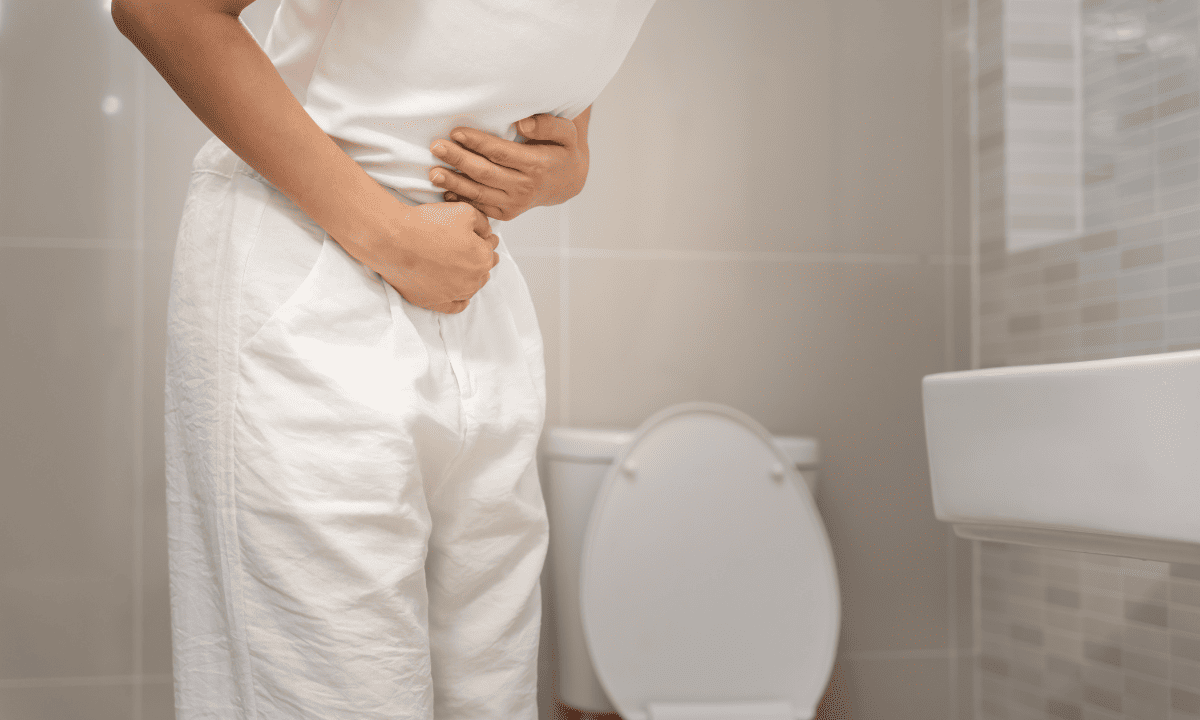
Vomiting and diarrhoea are often your body’s way of clearing out harmful germs or substances from your digestive system. Although it can feel unpleasant and worrying, it is usually a protective response. The causes of these symptoms generally fall into a few main categories:
Viral gastroenteritis (stomach flu)
Viral gastroenteritis is often mistaken for “the flu”, but it is different. Influenza is caused by the influenza virus and affects the respiratory system, while viral gastroenteritis is an infection that affects the intestines.
Many people experience viral gastroenteritis through a few common viruses, including:
Norovirus:
Highly contagious.
You may catch it through contaminated surfaces, food, or close contact with infected individuals.
Rotavirus infections:
A common cause of severe diarrhoea in infants and young children.
Vaccines have made this less common.
It is normal to feel tired and unsettled while your body recovers. Most people start to feel better with rest and plenty of fluids. You can help yourself or your child recover more comfortably by staying hydrated, resting when needed and keeping good hand hygiene to protect others.
Our gastroenterology specialist in Singapore
Loading...
Foodborne illness (food poisoning)
This occurs when you consume contaminated food or drinks containing harmful germs or toxins. Several types of bacteria and toxins can commonly lead to food poisoning, including:
Bacterial food poisoning:
Caused by bacteria such as Salmonella or E. coli.
Often found in undercooked meats or unwashed produce.
Staph toxin:
A fast-acting toxin produced by Staphylococcus aureus bacteria.
Often found in foods that are not kept hot or cold enough, such as sliced meats or puddings.
Shigella colitis:
An infection that can cause severe diarrhoea.
Often spread through poor sanitation or infected food handlers.
Food-related stomach infections can also happen during or after travel, especially when your body is exposed to unfamiliar germs. If you have recently travelled, you may develop traveller’s diarrhoea. This is often caused by consuming food or water contaminated with bacteria or parasites that your body is not used to.
You may feel worried or unsure when symptoms appear after a meal or a trip, and that is completely understandable. However, you will usually feel better with rest and steady hydration.
Other causes
Sometimes, vomiting and diarrhoea can be linked to underlying health conditions or reactions to medication, rather than infections or food-related illnesses.
Chronic conditions:
May be a sign of conditions such as inflammatory bowel disease (IBD) or irritable bowel syndrome (IBS).
You may notice symptoms that keep returning or last longer than expected.
You may experience ongoing stomach discomfort or changes in bowel habits.
Medication side effects:
Some antibiotic drugs can affect the natural balance of bacteria in your gut, which may lead to diarrhoea.
You may notice symptoms starting after beginning a new medication.
You may feel temporary digestive discomfort while your body adjusts.
If your symptoms keep coming back, last longer than expected, or feel different from a usual stomach bug, it is worth speaking with a doctor. Getting checked early can help you understand the cause and feel more reassured about the right next steps.

Are vomiting and diarrhoea serious?
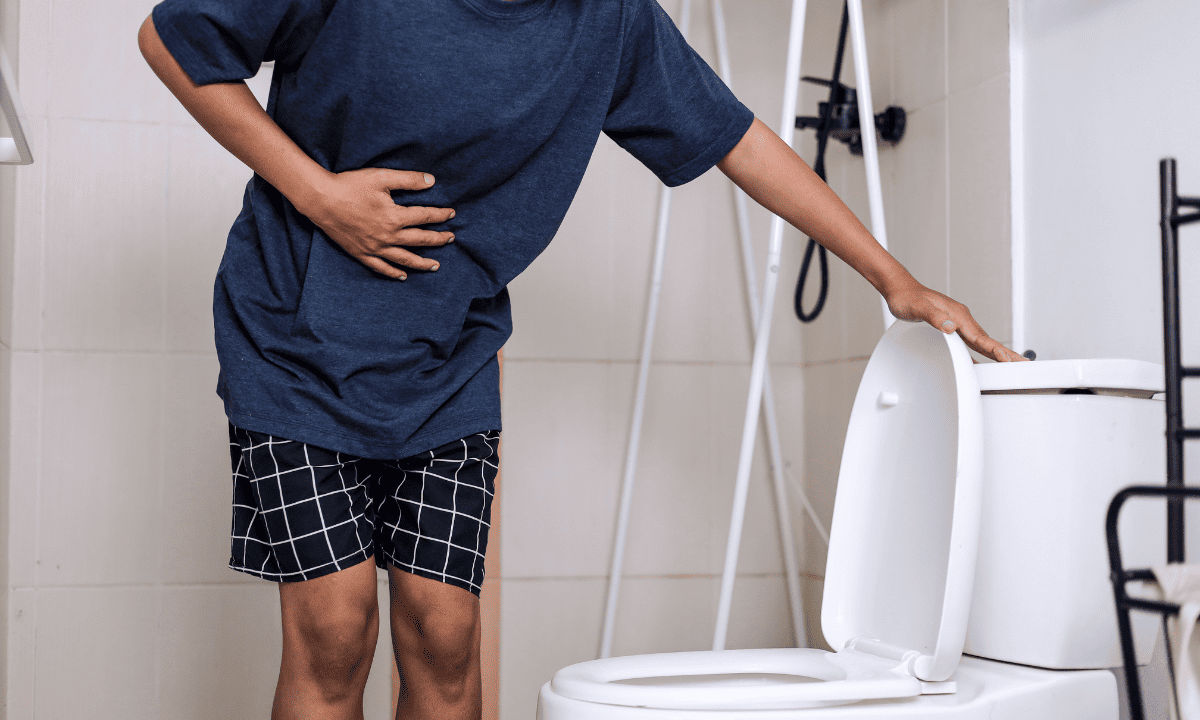
In many cases, viral gastroenteritis or mild food poisoning improves on its own within a few days as your immune system clears the infection. One important thing to watch for is fluid loss from watery diarrhoea and vomiting, as this can lead to dehydration. Staying hydrated is key to helping your body recover more comfortably.
The biggest concern during vomiting and diarrhoea is dehydration. When you are unwell, your body loses fluids and important electrolytes, which are salts and minerals needed for normal body function. This can happen faster than many people expect, especially with frequent vomiting or watery diarrhoea.
If these severe symptoms appear, you should seek medical care immediately. Early treatment can help prevent serious complications and support a safer recovery.
How are vomiting and diarrhoea treated?
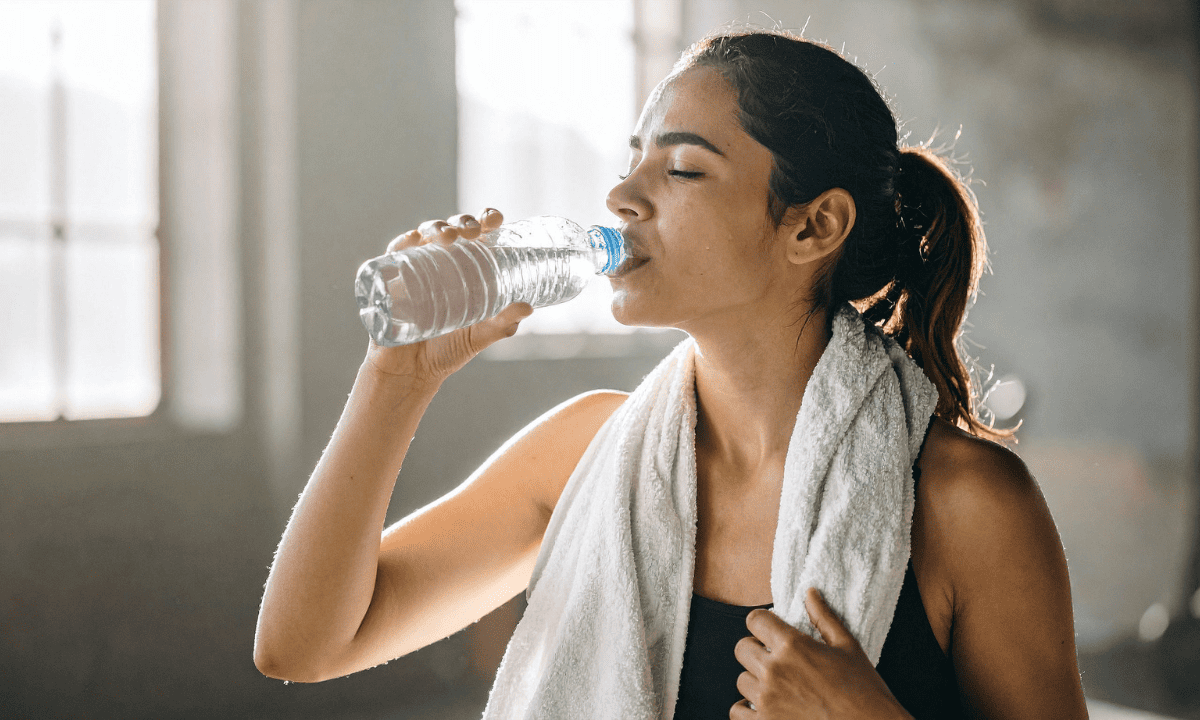
For most people, the goal of treatment is to prevent dehydration and manage symptoms while your body clears the infection.
Here are steps you can take to protect your body:
Rehydration |
|
Dietary adjustments |
|
Medications |
|
Most people begin to feel better within a few days with rest, fluids, and gentle care. It is normal to feel tired or weak while recovering, so it’s important to give your body time to heal. If symptoms persist, worsen, or signs of dehydration appear, it is important to seek medical advice to ensure you recover safely.

How is it diagnosed?
If symptoms continue or feel more severe than expected, visiting an Urgent Care Centre (UCC) allows doctors to look into the cause and check for complications.
Your doctor usually begins by asking about symptoms and examining the abdomen for tenderness. They will also check for signs of dehydration.
To identify the cause of the illness, they may recommend:
Stool tests to detect bacteria, viruses, or parasites in your stool sample that could be causing the symptoms
Public health laboratory testing to help track specific strains such as Salmonella or E. coli in outbreak situations
Blood tests to check for signs of infection and to assess electrolyte levels, which can become imbalanced during vomiting and diarrhoea.
These tests help give you clearer answers about what is happening in your body. They also help your doctor decide on the safest and most effective way to support your recovery.
How to prevent vomiting and diarrhea

Stomach viruses like norovirus can stay on surfaces for days, and many bacterial infections spread through improper food handling.
Simple daily precautions can help lower your risk of getting sick and help protect your family and those around you.
Wash your hands thoroughly with soap and water for at least 20 seconds, especially after using the bathroom and before eating
Wash fruits and vegetables before eating
Cook meat carefully and avoid cross-contamination between raw meat and ready-to-eat foods
Clean toilets, taps, and door handles with a bleach cleanser, if someone in your home is sick
Avoid preparing food for others while you are sick and for at least 48 hours after symptoms stop
Staying consistent with these habits can help reduce the spread of infection and keep your household safer. Although it can be challenging to keep up with precautions when someone is unwell, these simple steps can help protect others and make recovery easier.
When to seek medical urgency
You can usually manage vomiting and diarrhoea at home with rest and good hydration. However, some symptoms suggest your body may need medical support.
Visit a UCC if:
Your diarrhoea lasts more than 3 days
Your fever rises above 38.5°C
You cannot keep fluids down because of ongoing vomiting
You notice early signs of dehydration, such as a dry mouth or dizziness
At a UCC, medical teams can help restore your fluid levels and electrolytes. This may include oral rehydration solutions or, if needed, fluids given through an intravenous (IV) drip. Many people start to feel relief once hydration improves.
Go to the emergency room immediately if:
You notice blood in your vomit or stool, including black or tarry stools
You develop severe abdominal pain that feels different from usual cramping
You show signs of severe dehydration, such as confusion or loss of consciousness
You experience difficulty breathing
Seeking care early can feel worrying, but it allows doctors to support you before symptoms become more serious. Early treatment can help you recover more comfortably and reduce the risk of complications.
Our urgent care centre specialist
Loading...
FAQ
What is the difference between stomach flu and food poisoning?
The main difference is often the timing. Food poisoning symptoms usually start within hours of eating contaminated food, affecting people who ate the same meal. Viral gastroenteritis (stomach flu) develops more gradually and spreads via person-to-person contact or contaminated surfaces.
Do I need antibiotics for a stomach bug?
Rarely. Antibiotics only kill bacteria, not viruses. Since most stomach bugs are viral infections, antibiotic drugs will not help and may even cause side effects. Doctors generally prescribe them only for confirmed severe bacterial food poisoning.
Can I drink water if I am vomiting?
Yes, but be careful. Gulping water can trigger more vomiting. Wait for 20–30 minutes after a vomiting episode, then try sipping small amounts of bottled water or an oral rehydration drink. If you tolerate that, gradually increase the amount
What are the best fluids for rehydration?
You may benefit from oral rehydration salts mixed with water, as they replace lost electrolytes effectively. You can also try clear fluids such as broth or flat ginger ale. It is best to avoid alcohol, caffeine, and very sugary drinks, as these can worsen diarrhoea
How long does recovery take?
Many people feel better within 24 to 48 hours. However, bowel habits may take a few days to return to normal. If symptoms last longer than a few days, or if you have recently travelled to an area with poor sanitation, consult a doctor to rule out parasites or traveller's diarrhoea.
Can I spread a stomach bug to others?
Yes, you can spread stomach infections quite easily, especially during the first few days of symptoms. You may pass the infection through close contact, shared surfaces, or preparing food for others while unwell.
The information provided is intended for general guidance only and should not be considered medical advice. For personalised recommendations and tailored advice based on your unique situations, please consult a specialist at Thomson Medical. Request an appointment with Thomson Medical today.
For more information, contact us:
Thomson Medical 24-Hour Urgent Care Centre (Novena)
- Call: 6350 8812
Notice:
The range of services, vaccinations, and tests may vary. Please contact us directly to enquire about the current availability.
Request an Appointment