

When fibroids start to shrink, you might expect dramatic relief overnight. In reality, the signs of fibroids shrinking are often quiet and gradual, showing up as small shifts in your cycle, energy, and comfort rather than one obvious change.
These signs can feel indirect because fibroids affect the tissue and organs around them as they grow. As fibroids shrink, those effects gradually reverse, which is why the changes can appear in surprising ways. Understanding this makes the subtle fibroid symptoms easier to spot and to interpret.
What are fibroids?
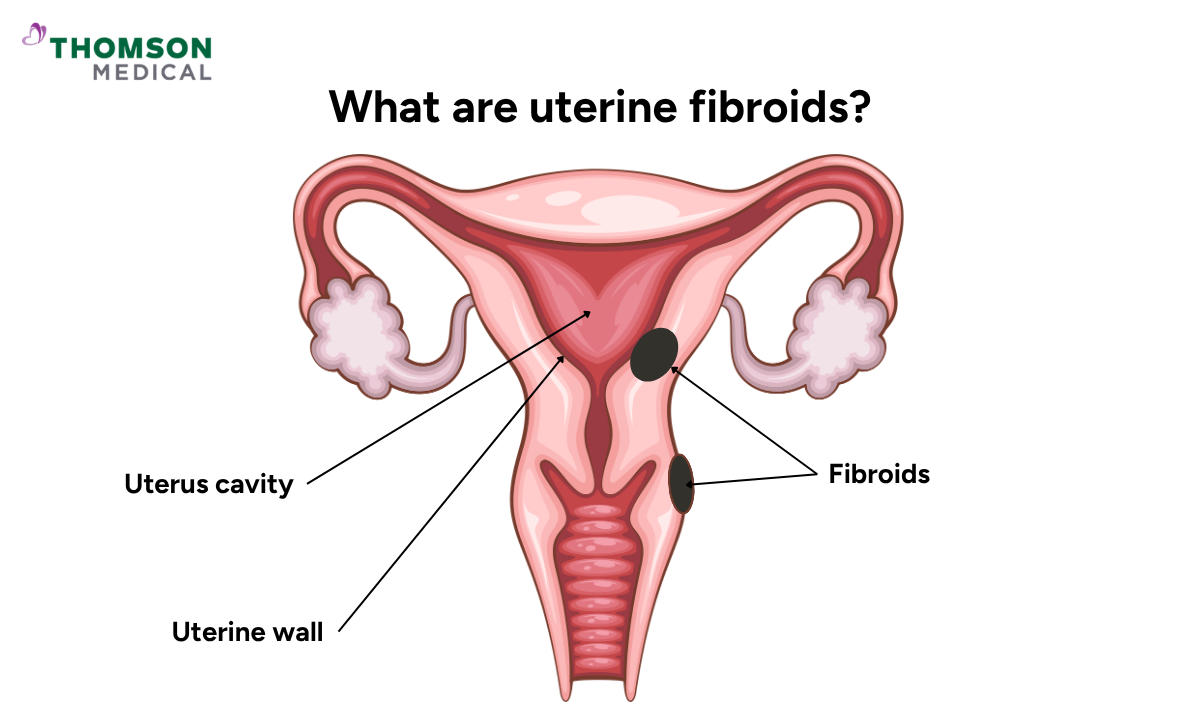
Uterine fibroids are benign (non-cancerous) growths made of muscle and fibrous tissue that develop in or on the uterus, most commonly during the reproductive years.
Why do fibroids shrink?
Fibroids are sensitive to hormones, especially oestrogen and progesterone. When your hormone levels fall, as naturally happens during menopause, fibroids tend to lose what fuels their growth.
Fibroids may shrink for different reasons. After menopause or with certain hormone-lowering medicines, lower hormone levels may reduce fibroid growth activity. In other cases, such as fibroid degeneration or uterine artery embolisation, reduced blood supply can cause fibroid tissue to break down and shrink.
This can happen in a few different ways:
Your hormone levels drop due to medical treatment or natural menopause
The fibroid outgrows its blood supply and partially breaks down on its own, a process called ‘natural degeneration’
Medical treatments reduce oestrogen or progesterone in your body, so the fibroid no longer has what it needs to grow
Fibroids may shrink when hormone levels fall, such as after menopause or with certain medical treatments. However, not all fibroids shrink on their own, and some may stay the same size or grow over time. It is especially common as you move through perimenopause and into menopause, when your hormone levels gradually decline on their own.
What are the signs of fibroids shrinking?
Your experience will depend on the size and location of your fibroids, so changes can feel quite different from one woman to the next. Some women notice clear improvements, while others may not feel much difference at all.
It is important to remember that symptoms alone cannot confirm that fibroids are shrinking. However, certain changes may suggest that a fibroid has become smaller or is causing less pressure on surrounding tissues.
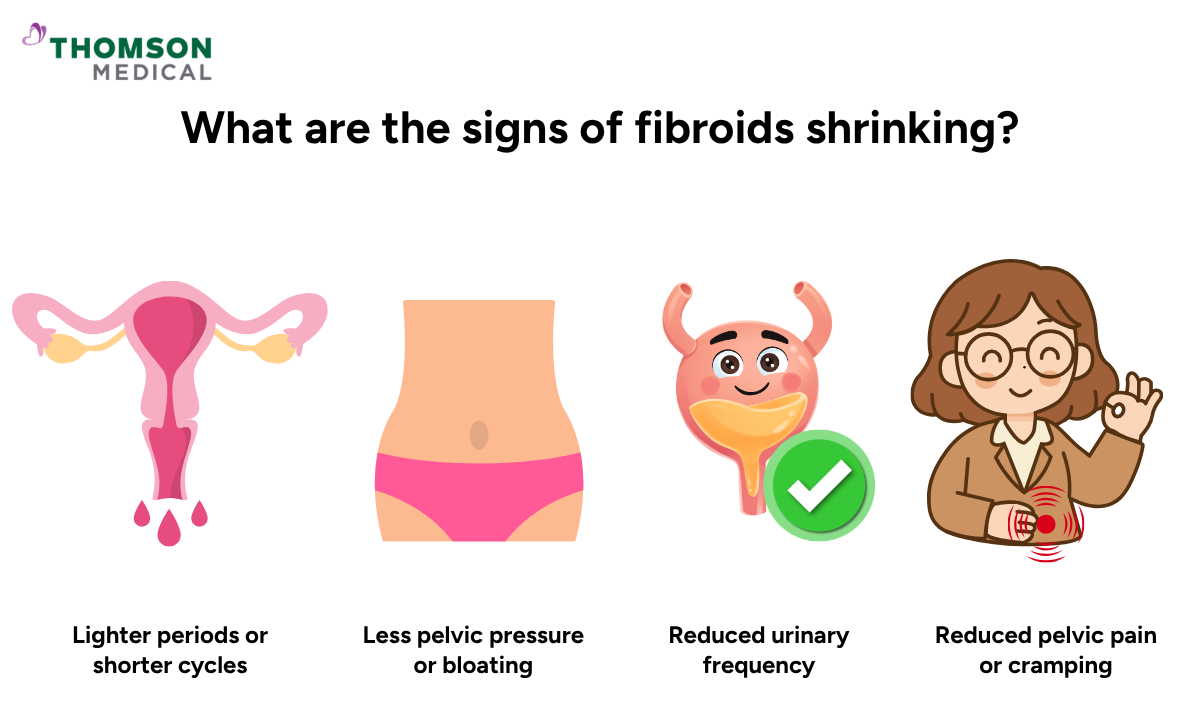
Possible signs include:
Lighter periods or shorter bleeding duration:
Heavy menstrual bleeding may improve as fibroids shrink or become less active.
Less pelvic pressure or bloating:
The heavy or full feeling in the lower abdomen may begin to ease.
Reduced urinary frequency:
If a fibroid is pressing on the bladder, you may find you need to urinate less often.
Less bowel pressure:
Constipation or the sensation of fullness after eating may improve.
Reduced pelvic pain or cramping:
Pain around your periods or throughout the month may gradually lessen.
Some women may also notice a temporary increase in pelvic pain when a fibroid begins to break down inside the body. This is known as fibroid degeneration. It can cause sharp or aching pain but often settles on its own over time.
Because symptoms can only provide clues, imaging tests such as an ultrasound or MRI scan are usually needed to confirm whether fibroids have actually reduced in size.
Tracking fibroid changes can be difficult without proper assessment. Schedule an appointment with Thomson Medical for a scan and expert review of your progress.
How long does it take for fibroids to shrink?
There is no single timeline for fibroid shrinkage, as the process varies from person to person. How quickly fibroids reduce in size depends on the treatment involved, hormonal changes within the body, and the original size of the fibroid. Larger fibroids often take longer to show noticeable change.
As a general guide:
Hormonal medicines such as GnRH agonists or antagonists may begin reducing fibroid size within weeks to a few months
Uterine artery embolisation (UAE) often leads to gradual shrinkage over several months, although symptom improvement and changes in fibroid size do not always happen at the same pace
Natural shrinkage after menopause may take months or even several years, depending on your hormone levels and individual circumstances
Fibroid shrinkage is usually gradual, so it is normal not to notice immediate changes. Imaging tests such as ultrasound or MRI are often needed to confirm whether the fibroid has actually become smaller.
If you notice sudden or significant changes in your symptoms, it is important to speak with your doctor, as rapid changes are less common and may need further assessment.
Our gynaecologists
Loading...
How are fibroid changes monitored?
Regular monitoring is an important part of caring for your fibroids, even when your symptoms seem to be improving.
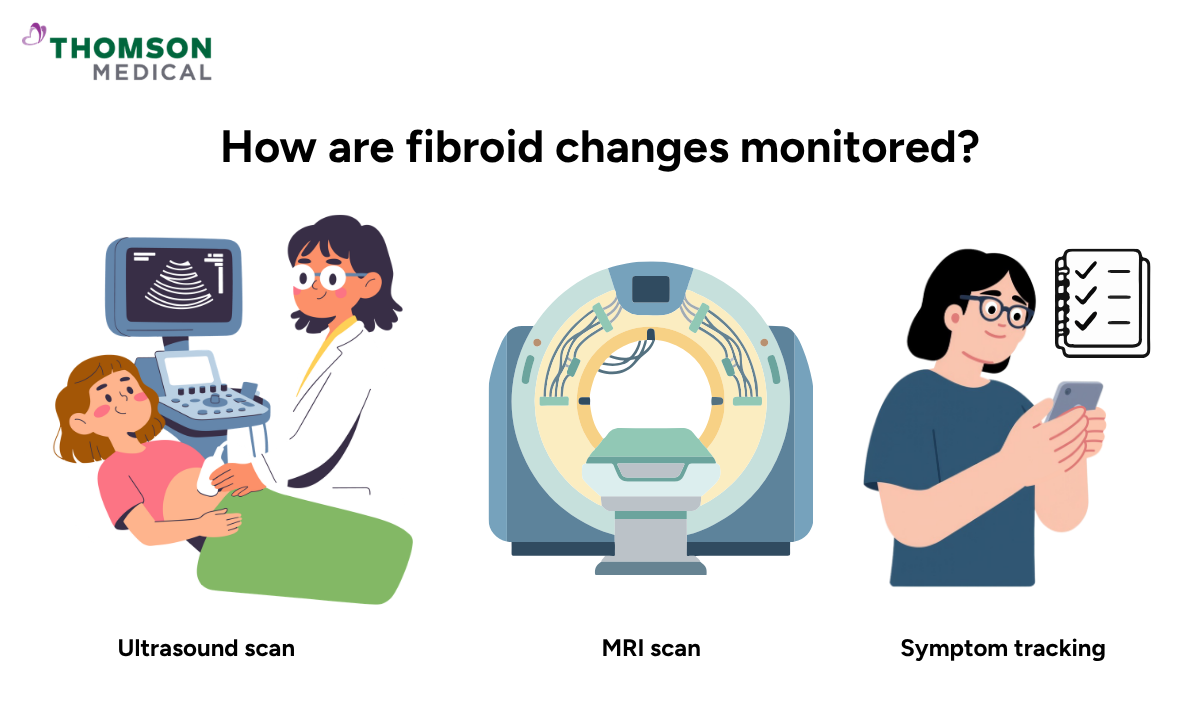
Your doctor may use one or more of the following methods to assess how your fibroids are changing over time:
An ultrasound scan is the most common approach for routine monitoring and can measure changes in fibroid size
Magnetic resonance imaging (MRI scan) may be used when more detailed imaging is needed or if your case is more complex
Symptom tracking involves noting changes in your bleeding, pain, and pressure between appointments, which gives your doctor a fuller picture of how you are feeling
Keeping your own record of how you are feeling between appointments can also be useful. A few simple notes on bleeding, pain, or any new symptoms can give your doctor a clearer picture at your next visit.
What helps fibroids shrink?
If your fibroids are not shrinking on their own or your symptoms are affecting your daily life, there are treatment options available to you. Your doctor can help you understand which treatment is most suitable for your situation.
Medical treatments
Several medical treatments work by lowering the hormones that fuel fibroid growth or by limiting the blood supply to the fibroid.
These include:
GnRH agonists and antagonists temporarily lower your oestrogen and progesterone levels, which can cause fibroids to shrink. They are generally used over a short period.
Uterine artery embolisation (UAE) is a minimally invasive procedure that blocks blood flow to the fibroid, causing it to shrink gradually over the following months.
The right choice between these options depends largely on whether you are planning a pregnancy, as some treatments affect fertility either temporarily or permanently. This is worth discussing with your doctor before deciding on a treatment.
Lifestyle factors
Lifestyle changes cannot reliably shrink fibroids, but they may support overall health, reduce bloating, and help you cope better with symptoms alongside medical care.
Small, consistent changes can make a difference over time:
Maintaining a healthy body weight may help, as excess body fat can raise your oestrogen levels
Eating more fibre and fewer processed foods may support hormone regulation
Exercising regularly can help reduce inflammation in your body
Managing stress can also help, as persistent stress may affect your hormone levels over time
Looking after your overall health gives your body steady support as it responds to treatment or natural hormonal changes.
When should you see a doctor?
If you are unsure whether your fibroids are shrinking or your symptoms are changing in a way that concerns you, it is worth speaking to your doctor.
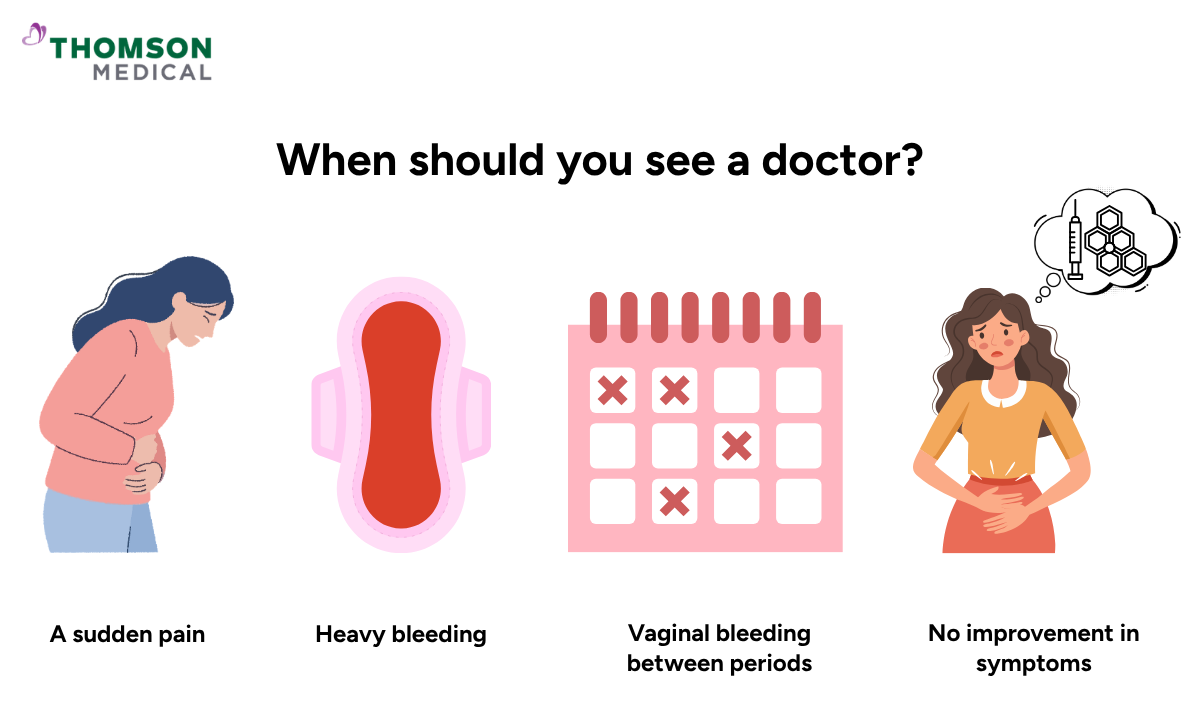
Speak to your doctor if you notice:
A sudden or significant worsening of pain
Heavy bleeding that is affecting your daily life
Vaginal bleeding between periods or after menopause
New symptoms that were not present before
No improvement in symptoms after several months of treatment
Fibroids are rarely a medical emergency, but delaying assessment when symptoms worsen can limit your treatment options. Catching changes early gives you and your doctor more time to consider all available approaches together.
Changes in pain, bleeding, or new symptoms should not be ignored. Request an appointmentwith Thomson Medical to better understand what is happening and plan your care accordingly.
FAQ
Can fibroids shrink naturally without treatment?
Yes, fibroids can shrink naturally, particularly after menopause when oestrogen and progesterone hormone levels decline. In some women who have not yet reached menopause, smaller fibroids may also reduce slightly in fibroid size over time. This is sometimes referred to as watchful waiting, where no immediate intervention is needed.
What causes fibroids to regrow?
Fibroids may regrow if hormone levels rise again, such as during the reproductive years, in pregnancy, or with hormone therapy. New fibroids can also develop over time, and your family history may play a part.
How do you know if fibroids are coming out?
Fibroids do not usually pass out of the body on their own. Rarely, a submucosal fibroid or fibroid tissue may be expelled through the vagina, especially after certain treatments. If you pass tissue, have heavy bleeding, a fever, foul-smelling discharge or severe pain, seek medical review promptly.
How do I know if my fibroid has grown?
Fibroid growth is usually monitored through imaging tests such as ultrasound or MRI. New or worsening symptoms such as increased abdominal pressure, heavier bleeding, or pelvic discomfort may also suggest that a fibroid has grown.
Do fibroids hurt when shrinking?
Some fibroids may cause discomfort as they shrink, particularly during degeneration. This can feel like cramping, a sense of pressure in one spot, or a dull pelvic ache, and symptoms often improve once the process settles.
What colour is discharge during fibroid degeneration?
Fibroid degeneration does not always cause vaginal discharge. If bleeding occurs, discharge may look brown or reddish because of old or fresh blood. However, yellow or green discharge, a foul smell, fever, severe pelvic pain, or feeling unwell may suggest infection or another condition and should be checked promptly by a doctor.
The information provided is intended for general guidance only and should not be considered medical advice. For personalised recommendations and tailored advice based on your unique situations, please consult a specialist at Thomson Medical. Request an appointment with Thomson Medical today.
For more information, contact us:
Thomson Specialists (Women's Health)
Thomson Women's Clinic (TWC)
- Novena:
6592 6686 (Call), 8611 8986 (WA) - Bukit Batok:
6569 0668 (Call), 8686 3525 (WA) - Choa Chu Kang:
6893 1227 (Call), 8282 1796 (WA) Jurong:
6262 8588 (Call), 6262 8588 (WA)- Katong (female doctor):
6970 2272 (Call), 8611 9020 (WA) - Punggol:
6243 6843 (Call), 8811 0328 (WA) - Sembawang: 6753 5228
- Sengkang: 6388 8125
- Serangoon (female doctor): 6382 3313
- Tampines: 6857 6266
- Tiong Bahru: 6276 1525