

Being told you have an ovarian cyst can be worrying. Many people immediately focus on the size mentioned in their scan report and wonder whether a larger cyst means something dangerous or whether it could affect their ability to have children.
In reality, most ovarian cysts are common and harmless. Many form as part of the normal menstrual cycle and disappear on their own without treatment.
Understanding how cysts are measured, what doctors actually monitor, and when treatment is necessary can help you feel more reassured and in control of your health.
What is an ovarian cyst?
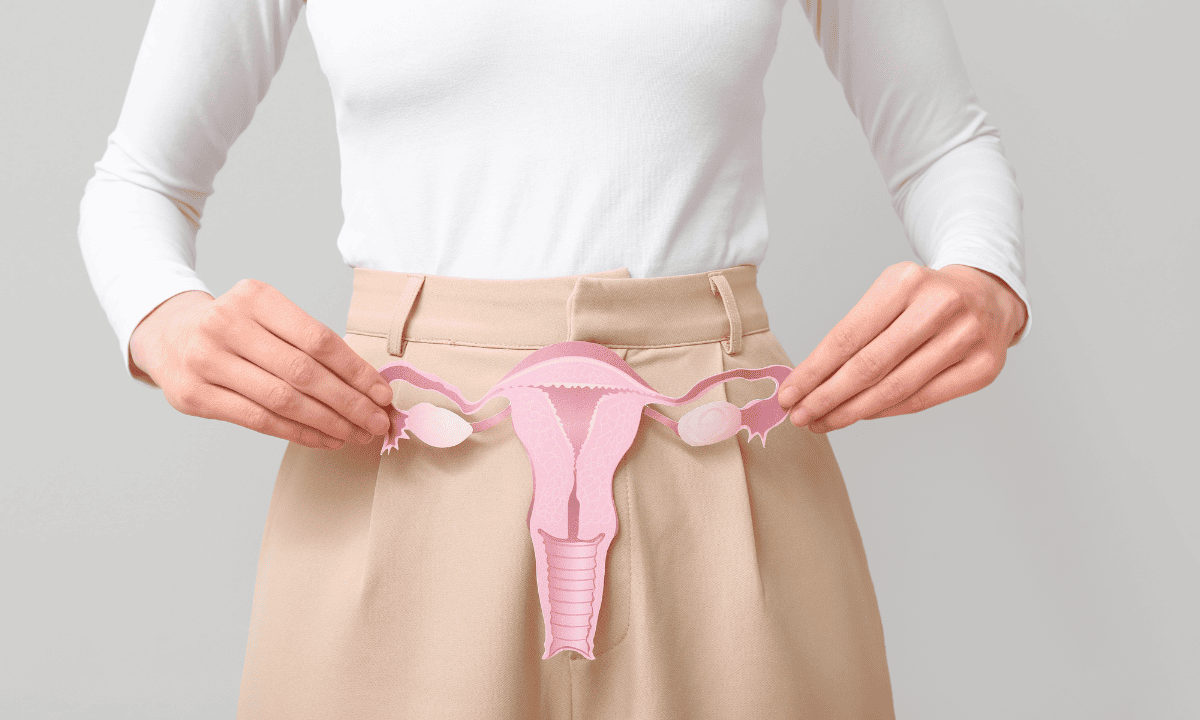
An ovarian cyst is a fluid-filled sac that develops on or inside an ovary. Because your ovaries are part of a dynamic system that responds to hormonal changes every month, it is quite common for these sacs to form.
In fact, most cysts are functional cysts, meaning they occur as part of the normal ovulation process. These include follicular cysts and corpus luteum cysts. They are typically benign (non-cancerous) and are not considered a sign of ovarian cancer.
There are also complex cysts which are not related to ovulation, such as dermoid cysts or endometriomas (often called "chocolate cysts"). While the word "complex" can sound alarming, many of these are also benign, though they may require closer monitoring to ensure they do not cause discomfort.
How fast do ovarian cysts grow?
Waiting between scans can feel incredibly stressful. It is completely normal to worry about whether a cyst might be growing during this time.
The growth rate can vary a lot depending on the type of cyst you have:
Functional cysts (linked to ovulation):
Can form and change relatively quickly during your menstrual cycle.
Most functional cysts shrink on their own and disappear within one to two cycles, usually around four to eight weeks.
Endometriomas (linked to endometriosis):
Tend to last longer and rarely resolve without treatment.
May remain stable or grow slowly over months or even years.
Your doctor uses clear medical guidelines and scan findings, not just size, to understand what type of cyst you have. This helps them decide on the safest and most appropriate next steps for your care, giving you reassurance while your condition is being closely monitored.
If you're monitoring an ovarian cyst and have questions about changes between scans, a consultation may be helpful. Appointments are available at Thomson Medical for further evaluation and discussion.
Factors affecting growth rate
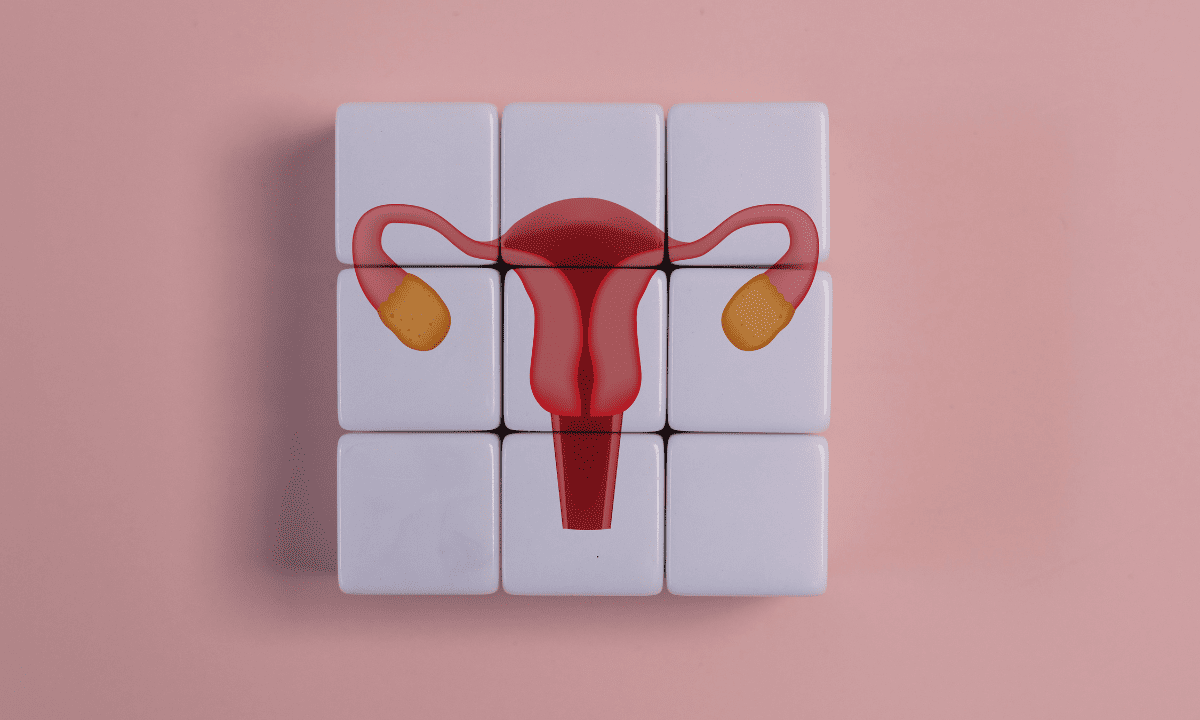
While it can be worrying to think about what is happening inside your body, several factors may influence how ovarian cysts behave.
Many of these are outside your control, including:
Hormonal fluctuations:
Your hormone levels naturally rise and fall throughout your cycle.
Functional cysts can form as part of these normal ovulation changes.
If your periods are irregular, a cyst may form more easily or take longer to settle.
Underlying health conditions:
If you live with endometriosis or polycystic ovary syndrome (PCOS), your body may be more likely to form cysts more than once or have cysts that take longer to resolve.
Lifestyle factors:
While not a direct cause, ongoing stress may sometimes influence hormonal balance.
This may sometimes affect how quickly a cyst resolves.
It is important to remember that having a higher risk or noticing a cyst grow does not automatically mean something serious will happen. With appropriate monitoring and care, many people experience this and continue without complications.
Our women's health specialist
Loading...
How is the size of an ovarian cyst measured?
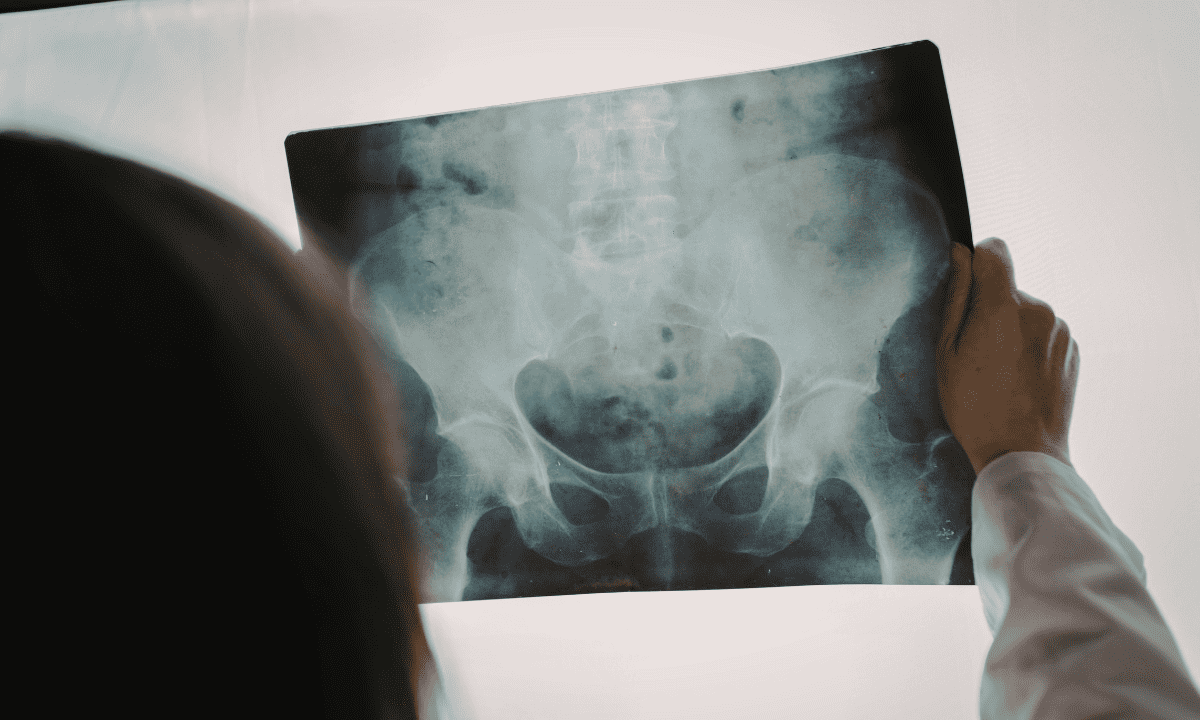
Measuring a cyst helps doctors confirm that it appears benign and monitor whether it is changing in an expected way.
To do this, your doctor relies on detailed imaging to get an accurate picture:
Pelvic ultrasound to have a clear view of your ovaries and measure the diameter of the cyst.
Doppler ultrasound to confirm healthy blood flow to your ovary and assess the cyst's structure.
Further scans like computed tomography (CT) scans or magnetic resonance imaging (MRI) scans are only considered if your doctor feels they would be helpful for complex cases.
When your cyst is clearly identified and measured, your medical team can avoid surgery that may not be necessary and focus on gentler options instead.
What size of ovarian cyst is considered dangerous?
There is no single number that automatically means a cyst is dangerous. However, size does help guide how doctors monitor and manage ovarian cysts.
Many cysts are small and resolve on their own. When a cyst grows larger, often above five to ten centimetres, doctors may recommend closer monitoring or consider treatment.
If a cyst grows too large, your doctor may recommend removal.
Larger cysts are described as higher risk not because they are usually cancerous, but because they can lead to physical complications, such as:
Ovarian torsion:
A large cyst can cause the ovary to twist, cutting off its blood supply.
Rupture:
Larger cysts may rupture, causing significant internal bleeding or severe pain.
Pressure:
A cyst that grows very large can press on surrounding organs, causing pelvic pain or bloating.
If scans show that your cyst is large or has features that are harder to interpret, your doctor may suggest treatment as a precaution rather than an emergency. These decisions are made to reduce the risk of complications and to keep you safe.
With regular follow-up and the right care at the right time, you may be able to avoid serious problems and feel more reassured about the next steps.
How are ovarian cysts treated?

If you have been diagnosed with an ovarian cyst, you might fear that surgery is inevitable. However, most ovarian cysts do not need surgical removal. Care usually focuses on letting your body heal on its own while keeping you as comfortable and supported as possible.
Observation (watchful waiting):
As most cysts shrink within 1 to 2 cycles, your doctor may simply advise a follow-up scan in six to eight weeks.
Pain management:
You can use warm compresses or over-the-counter pain relievers to manage any discomfort at home.
Hormonal therapy:
Your doctor may prescribe hormonal birth control.
While this does not remove an existing cyst, it stops ovulation, which prevents new functional cysts from forming.
Surgical intervention:
Surgery is rare and usually reserved for cases where the cyst causes torsion or rupture or is very large.
Overall, treatment for ovarian cysts is highly individualised and guided by your symptoms, scan findings, age, and future fertility plans. Many cysts resolve naturally with time and careful monitoring, without the need for surgery.
Your doctor will work closely with you to recommend the most appropriate approach, prioritising your comfort, safety, and long-term reproductive health.
If you have ongoing symptoms or concerns, a consultation may help you better understand your condition and care options. You may schedule an appointment with a doctor at Thomson Medical to review your condition and next steps.
FAQ
Is an ovarian cyst a serious issue?
For most people, an ovarian cyst is not something to be overly alarmed about. Many cysts are a normal part of the menstrual cycle and often resolve on their own without causing harm. Regular check-ups help confirm that everything is settling as expected and offer peace of mind.
What are the complications of an ovarian cyst?
Complications are uncommon, but they can happen in some cases. A cyst may twist the ovary or rupture, which can cause sudden, severe pain or other symptoms. If you experience intense pain, feel faint, or develop a fever, it is important to seek medical care promptly.
At what size should an ovarian cyst be operated on?
There is no single size that automatically means surgery is needed. Larger cysts, often over five to ten centimetres, or those causing ongoing pain may require closer evaluation. Your doctor will consider the full picture before recommending the safest option for you.
What is the most appropriate treatment for ovarian cysts?
The best treatment is the one that suits your body and symptoms. Many cysts improve naturally with time and careful monitoring, while hormonal therapy may be helpful for those who experience recurrent cysts. Surgery is usually considered only when other options are not appropriate.
Can I get pregnant with an ovarian cyst?
In most cases, yes. Common ovarian cysts do not usually interfere with fertility or damage the ovaries. If treatment is needed, preserving your reproductive health remains a key priority.
Is a 4-centimetre ovarian cyst big?
A 4-centimetre cyst is generally considered small to moderate in size. These cysts are often managed with observation rather than surgery. Many resolve naturally with time and follow-up care.
The information provided is intended for general guidance only and should not be considered medical advice. For personalised recommendations and tailored advice based on your unique situations, please consult a specialist at Thomson Medical. Request an appointment with Thomson Medical today.
For more information, contact us:
Thomson Specialists (Women's Health)
Thomson Women's Clinic (TWC)
- Novena:
6592 6686 (Call), 8611 8986 (WA) - Bukit Batok:
6569 0668 (Call), 8686 3525 (WA) - Choa Chu Kang:
6893 1227 (Call), 8282 1796 (WA) - Jurong:
6262 8588 (Call), 6262 8588 (WA) - Katong (female doctor):
6970 2272 (Call), 8611 9020 (WA) - Punggol:
6243 6843 (Call), 8811 0328 (WA) - Sembawang: 6753 5228
- Sengkang: 6388 8125
- Serangoon (female doctor): 6382 3313
- Tampines: 6857 6266
- Tiong Bahru: 6276 1525
Notice
The range of services may vary between TWC/TS locations. Please contact your preferred branch directly to enquire about the current availability.
Request an Appointment