

Eating after laparoscopic surgery varies depending on the type of operation and the extent of gastrointestinal (stomach and intestines) involvement. Some patients, such as those recovering from uncomplicated laparoscopic hernia repair, may be able to resume their usual diet soon after surgery as tolerated.
In contrast, patients undergoing major gastrointestinal procedures, such as a total gastrectomy, may need to remain nil by mouth initially, with gradual progression from clear fluids to a regular diet.
Why does diet matter after laparoscopic surgery?
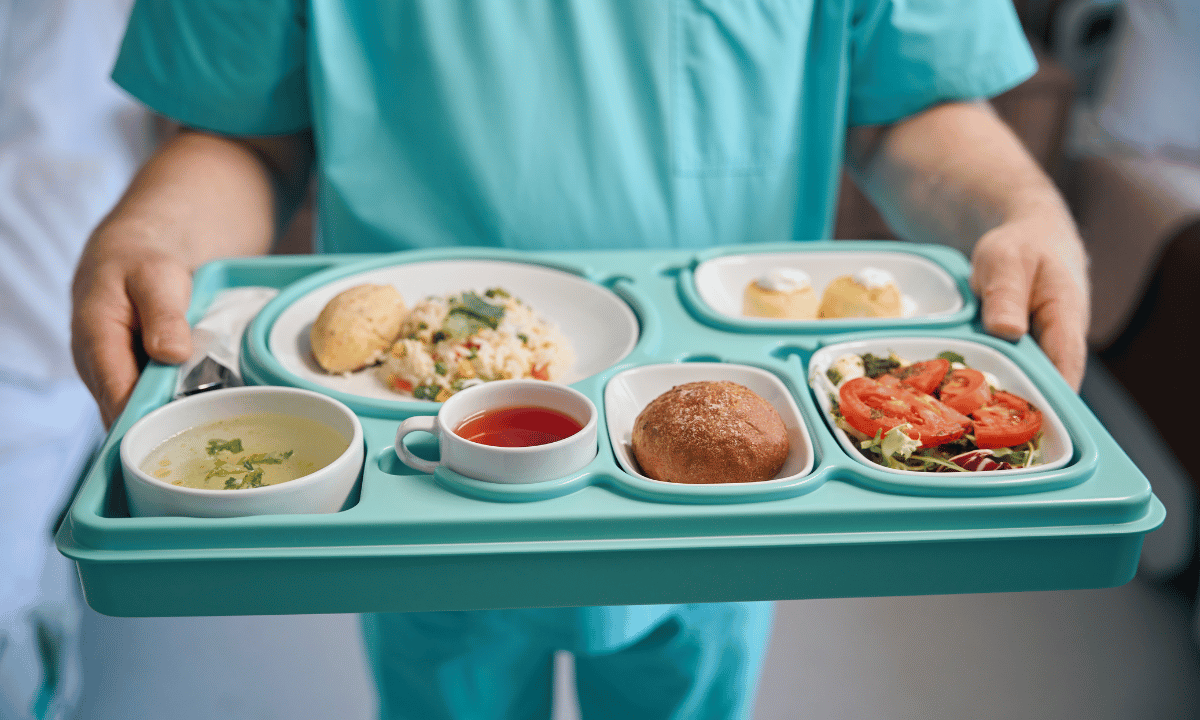
Laparoscopic surgery is a minimally invasive procedure that allows your surgeon to assess your internal organs and complete the operation through small incisions. Through these incisions, they insert a thin tube equipped with a camera (laparoscope) and specialised surgical tools.
After laparoscopic surgery, you need to be mindful of your diet, as your body goes through a healing phase where energy levels may drop, digestion slows, and tissues need time to repair. Eating nutrient-dense foods, especially those rich in protein, vitamins and minerals, supports wound healing, helps you regain strength, and reduces digestive discomfort.
At the same time, there are also other foods you need to avoid, as your digestive system is temporarily weakened due to the anaesthesia, pain medications, and the physical stress of the procedure. Eating harsh or heavy foods too soon may overwork your gut, leading to painful bloating, gas, or more severe complications during your recovery.
What to eat after laparoscopic surgery involving the gastrointestinal tract (day by day)
Choosing the right foods to eat after gastrointestinal laparoscopic surgery could help you reduce discomfort while your digestive system recovers. Let's walk through what food you may eat after a laparoscopic surgery day by day.
Day 0-1
After laparoscopic surgery, your stomach and intestines may temporarily become sluggish. Because of this, for the first 24 hours post-surgery, your diet will typically be restricted to liquids, such as:
Water and ice: to keep your mouth moist and help prevent dehydration without placing any additional strain on your stomach.
Clear broth: which provides energy and electrolytes while being easy to digest as your bowel recovers from anaesthesia.
These foods are highly tolerable and less likely to trigger nausea, vomiting, bloating, or abdominal discomfort. Additionally, clear liquids also keep you hydrated while allowing your gut to recover.
Day 2-3
By days 2 and 3, you may now consume thicker liquids and also a small amount of soft foods. There are several options to add to your diet during this phase, such as:
Protein shakes, milk, and yoghurt, as they are good calcium and protein sources to help with wound healing and tissue repair, and they don't require any chewing or intense digestion.
Strained cream soups, custard, and sugar-free pudding, as they add easily digestible calories and hydration. They also help your stomach get used to processing thicker consistencies before you move on to solid foods.
These items are gentle on your stomach, easier to digest than solid meals, and less likely to trigger bloating or discomfort during early recovery.
Days 4-7
By days 4 to 7, your stomach is usually able to tolerate a wider range of soft, solid foods. At this stage, you could gradually increase both the variety and portion size of soft foods that provide nutrients such as protein, carbohydrates, and fibre.
Protein:
It helps repair tissue damaged by laparoscopy, form new skin cells and produce collagen.
However, you may need to consume protein in a soft, easy-to-digest form, such as scrambled eggs, soft fish, chicken and tofu.
Carbohydrate:
They provide energy for recovery and could be obtained from soft solid foods such as soaked oatmeal and mashed potatoes.
Fibre:
Fibre helps prevent post-surgery constipation without overworking or irritating your stomach. You may have fibre from well-cooked vegetables.
Though you are able to eat a wider variety of food at this stage, it is crucial not to overload your digestive system just yet.
After 1 week
After a week of recovery from laparoscopic surgery, most people may be able to slowly return to a normal diet. However, your digestive system is still healing and may be easily upset by heavy or spicy food. For this reason, doctors usually advise continuing to avoid foods that are hard to digest and may cause pain after surgery.
As you transition back to your normal diet, focus on these natural, unrefined, and unprocessed foods:
Lean proteins, including chicken, fish, eggs, tofu, and legumes, that are crucial for rebuilding strength and repairing tissues.
Complex carbohydrates, such as whole grains like oats, quinoa, brown rice, and whole wheat bread, that provide energy for your recovery.
Soft-cooked vegetables, like carrots, zucchini, and spinach, that provide important vitamins and minerals without causing bloating or gas.
Fruits, such as bananas, berries, and melons, which contain antioxidants and fibre to help regulate your bowels without being overly acidic or harsh on your stomach.
Dairy products, such as yoghurt, milk, and cheese, are good sources of calcium and protein, though it is still wise to monitor how dairy products affect your digestion, as some people experience temporary sensitivity after surgery.
If you are still unsure about your post-surgery diet plan, consider consulting a doctor who can help you create a nutrition plan after laparoscopic surgery. Schedule an appointment at Thomson Medical today.
Our laparoscopic surgeon in Singapore
Loading...
Foods to avoid after laparoscopic surgery
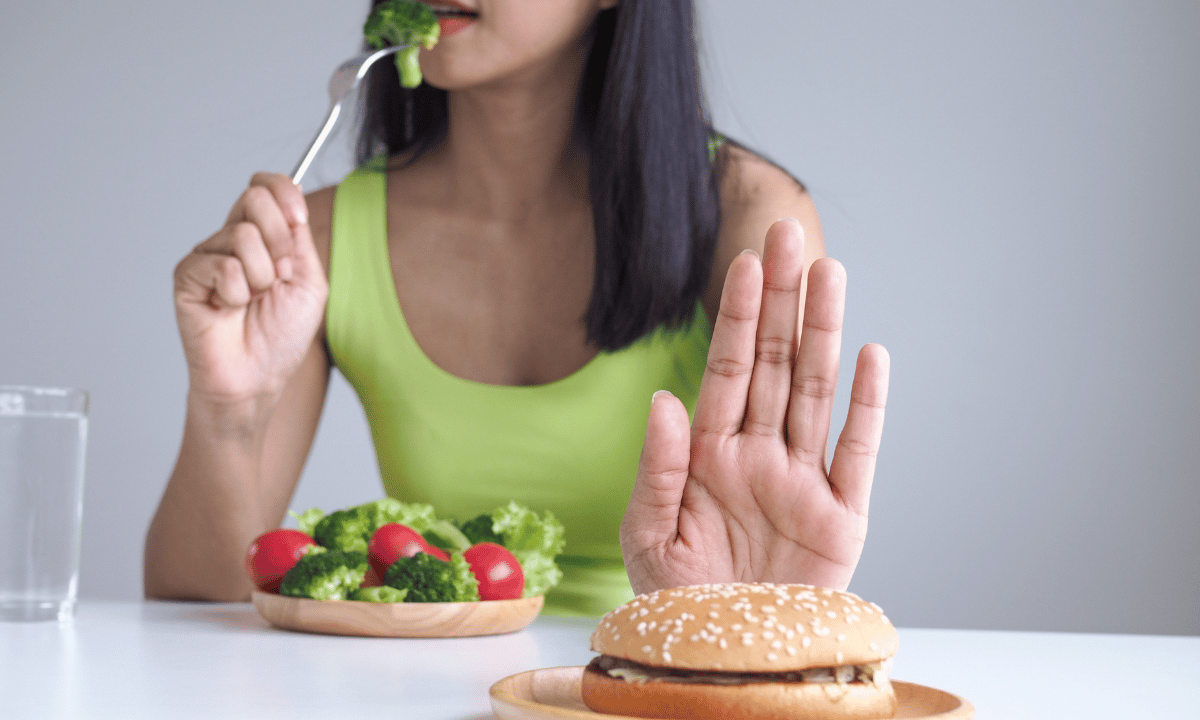
After laparoscopic surgery, there are certain foods that are best to be avoided, as they could irritate your sensitive digestive system and slow down your healing process. Here are several foods to avoid during your recovery:
Fried and greasy foods: as they take longer to digest, significantly increasing your risk of nausea, bloating, and constipation. This is especially for laparoscopic cholecystectomy (gallbladder surgery).
Spicy foods: because they may irritate your stomach lining and digestive tract, leading to heartburn or an upset stomach.
Carbonated beverages: because they add extra gas into your stomach. Since laparoscopic surgery already involves pumping gas into the abdomen, carbonated drinks could make bloating and gas pain much worse.
Red meats: like beef and mutton, are tough to digest and may be hard on a recovering gut.
Highly processed foods: these are packed with salt, sugar, and unhealthy fats, which could increase inflammation and lack the necessary nutrients for healing.
Alcohol: because it may interfere with wound healing.
Tough and fibrous foods: such as raw vegetables and tough whole grains, may be too difficult to digest in the early days of recovery.
How to manage digestive issues after laparoscopic surgery
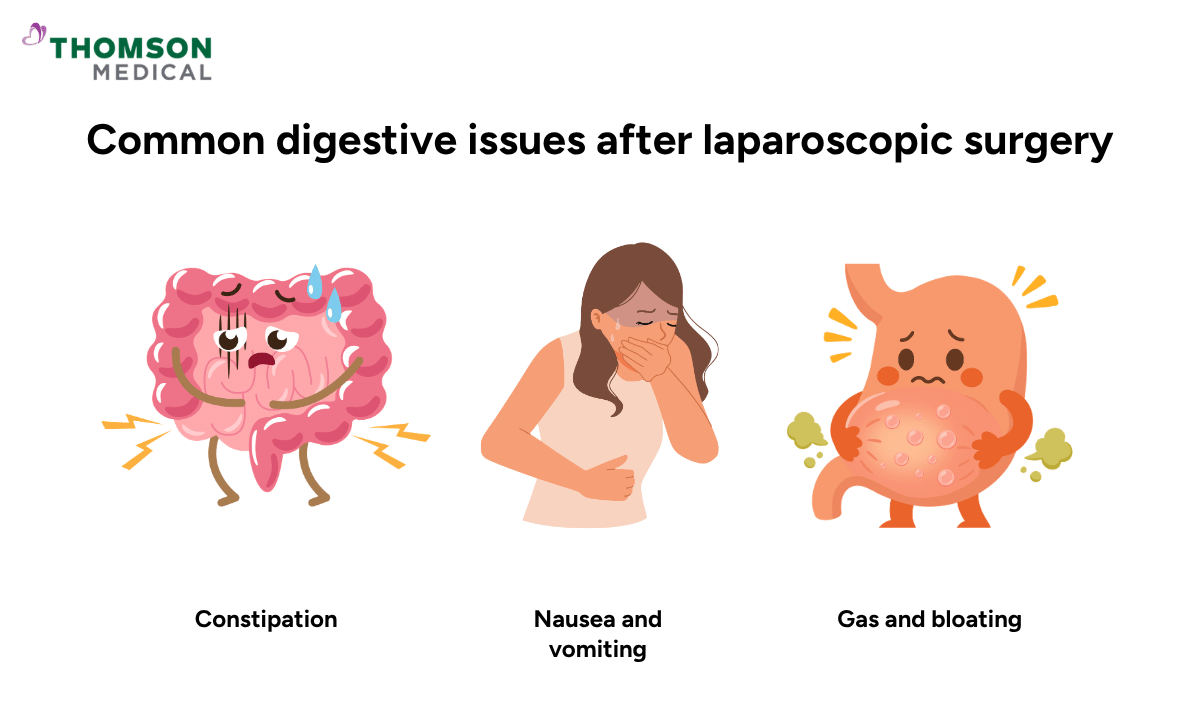
There are several digestive issues that you may have after a laparoscopic surgery, such as constipation, nausea, and bloating. These issues are common, normal, and temporary. They are mainly caused by the anaesthesia, the carbon dioxide gas to inflate your abdomen, and pain medications.
Preventing constipation
Constipation is a common issue to have after laparoscopic surgery. However, you could help to prevent it by:
Staying hydrated
Walking as soon as your surgeon says it is safe
Slowly adding fibre back into your recovery diet
Not holding your stool
Taking stool softeners if your doctor recommends them
Managing nausea
Nausea and vomiting are also common after laparoscopic surgery. Here is how you could help to manage post-operative nausea:
Take anti-nausea medication as prescribed by your doctor
Take pain medication with food unless your doctor advises otherwise
Sip fluids slowly to stay hydrated
Choose bland foods
Eat small but frequent meals
Stay upright after eating and avoid lying flat immediately
Dealing with gas and bloating
Gas and bloating may happen after laparoscopic surgery because surgeons use carbon dioxide gas to inflate your abdomen to see your organs, and some of this gas could remain trapped after the procedure. Here are ways to help manage gas and bloating after your surgery:
Walk frequently short distances
Change your positions often
Eat slowly and chew your food well
Drink herbal tea, such as chamomile or ginger tea
Ask your surgeon before trying gentle abdominal massage
When to call your doctor
While some symptoms after laparoscopic surgery, such as nausea, bloating, and temporary changes in bowel habits, may be normal, certain digestive issues may signal a more serious complication. You should contact your doctor if you experience:
Uncontrolled and worsening pain
Fever, chills, and excessive sweating
Persistent nausea and vomiting for more than 24 to 48 hours
Persistent constipation
Persistent diarrhoea
Abnormal stool colour (bright red, dark black, pale, or clay-coloured)
Difficulty urinating, dark urine, or blood in the urine
Jaundice, or yellowing of the skin and the whites of the eyes
If your constipation, nausea, or other problems are not easing, you may consider consulting a doctor to have your symptoms and medications reviewed. Schedule an appointment at Thomson Medical today.
FAQ
How many hours after laparoscopic surgery can you eat?
The timing depends on the type of surgery and how quickly you recover from anaesthesia. Usually, your doctor will keep you off food and drink for several hours after surgery until you are fully awake and free of nausea after general anaesthesia.
Clear liquids are often started within a few hours, and food is given as soon as you can tolerate it. This waiting period allows the anaesthesia to wear off and helps reduce the risk of nausea and vomiting.
Can you eat snacks after a laparoscopic surgery?
Yes, you can have snacks after laparoscopic surgery, though the type of snack depends on how much time has passed since the procedure. In fact, eating small, frequent snacks is often recommended over consuming three large meals, as this helps avoid overwhelming your digestive system while it is recovering.
How many days of bed rest do you need after a laparoscopic surgery?
Complete bed rest is not usually necessary after laparoscopic surgery. In fact, walking around gently on your first day helps to prevent blood clots and reduce gas pain. Once you are home, balance short, light activities with plenty of rest, gradually increasing your movement as you heal.
What activities help you recover after a laparoscopy?
To safely recover from a laparoscopy, walking is an important activity you can do. Taking short, frequent walks around your home helps reduce trapped gas, lowers the risk of blood clots, and supports the return of normal bowel function.
You may also be advised to do gentle pelvic floor activations to maintain light muscle engagement during recovery, but this should be done only if your surgeon says it is safe.
The information provided is intended for general guidance only and should not be considered medical advice. For personalised advice based on your unique conditions, schedule an appointment with Thomson Medical.
For more information, contact us:
Thomson Medical Concierge
- 8.30am - 5.30pm
- WhatsApp: 9147 2051
Need help finding the right specialist or booking for a group?
Our Medical Concierge is here to help you. Simply fill in our form, and we'll check and connect you with the right specialist promptly.
Notice:
The range of services may vary between Thomson clinic locations. Please contact your preferred branch directly to enquire about the current availability.
Get In TouchDr Toh Bin Chet
Surgery
Thomson Specialists (Thomson Medical Centre)
English, Mandarin, Malay, Hokkien and 1 other
Prudential x TMC, Income, Great Eastern, Singlife and 3 others
