

You have spent the past few weeks having hormone injections to encourage egg development and ultrasound scans to monitor your progress. Now, with your IVF egg retrieval coming up or just behind you, you may be wondering what happens next.
Here is what to expect after egg retrieval, so you can feel more prepared as you continue your fertility journey.
Where does egg retrieval fit in IVF treatment?
During in vitro fertilisation (IVF), egg retrieval comes after the administration of fertility medications, which are designed to increase the number of eggs produced from the usual single egg released each month. This process can take between one and two weeks.
Once the follicles have reached the appropriate size (around 17 to 22 mm in diameter), your doctor will administer a trigger injection to prepare the eggs for final maturation. Egg retrieval is then scheduled approximately 36 hours later. The timing is important because retrieving the eggs too early or too late can affect the outcome.
What can you expect after egg retrieval?
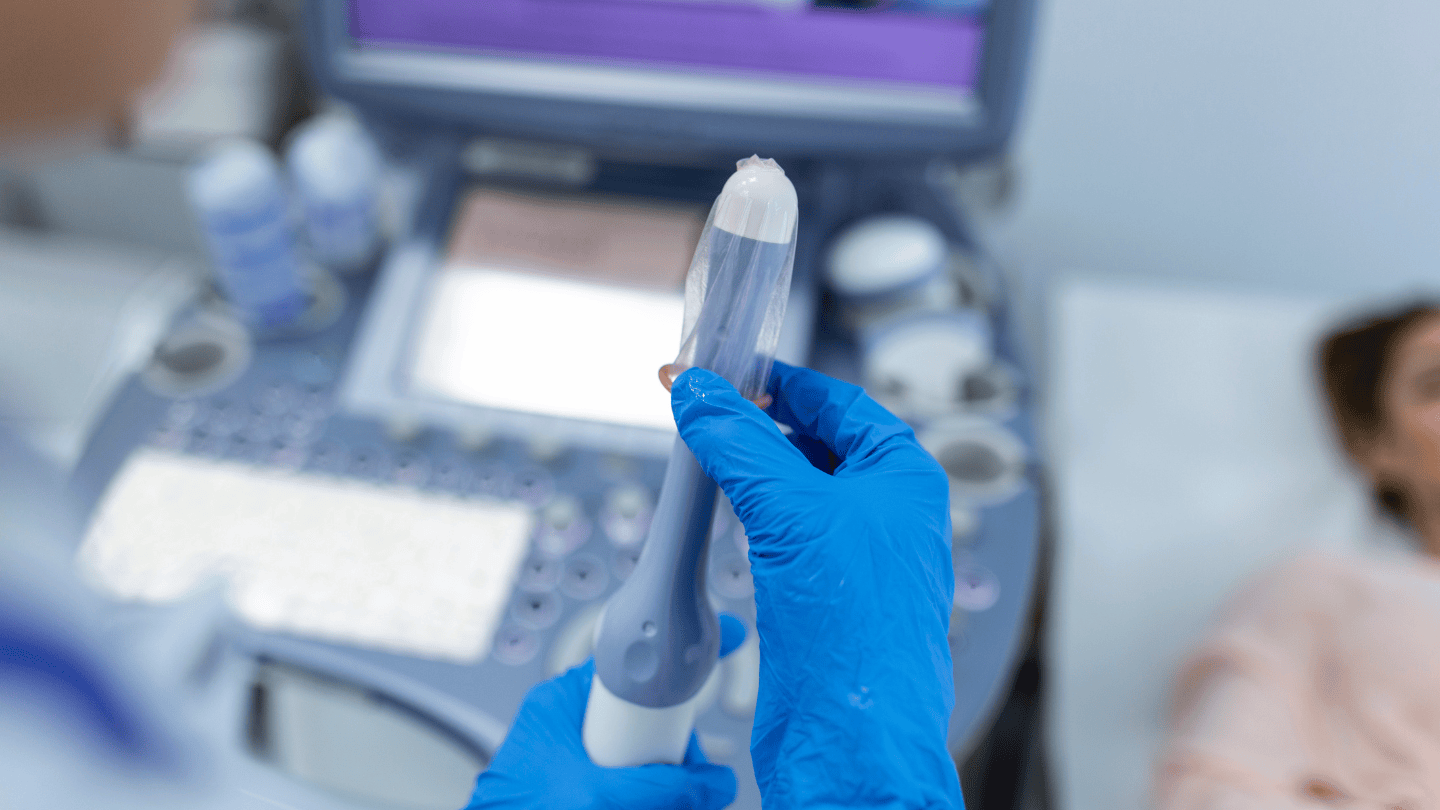
After the final shot of fertility drugs and before your natural ovulation, the eggs are retrieved from the ovaries using a procedure called transvaginal ultrasound-guided aspiration.
During this procedure, an ultrasound device is inserted into the vagina to guide a thin needle towards the ovaries and retrieve the eggs from the follicles. This process usually takes between 15 and 30 minutes, and anaesthesia is administered to minimise discomfort.
Afterwards, you will be moved to a recovery area where your vital signs will be monitored as the anaesthetic wears off. You will usually be discharged on the same day once you are stable and feeling comfortable.
What symptoms are normal after egg retrieval?
After undergoing the egg retrieval process, it is common to experience some side effects, which can come from both the procedure itself and the ovarian stimulation phase. Some of the common symptoms include:
Pelvic cramping, which occurs because the ovaries are punctured multiple times during the retrieval procedure. It usually feels similar to menstrual cramps but slightly more intense for the first 1-2 days.
Fatigue and drowsiness, caused by sedation and the physical stress of stimulation.
Bloating, which occurs because the ovaries are enlarged and hormone levels are high, resulting in fluid retention in the abdomen.
Emotional changes or mood swings, due to hormone levels dropping quickly after egg collection.
Light spotting or brown discharge, which occurs when the needle passes through the vaginal wall to reach the ovaries.
When should you seek medical attention?
Although common symptoms are expected and will usually improve gradually over a few days as your body recovers, there are a few symptoms that require immediate medical care. Go to the nearest A&E department or contact your doctor immediately if you experience any of the following:
Severe or worsening abdominal pain
Persistent vomiting
Sharp pelvic pain
Rapid abdominal swelling
Fever
Foul-smelling discharge
Heavy bleeding
Shortness of breath or chest discomfort
This is because these symptoms can be a sign of complications, such as:
Ovarian torsion:
A rare but serious condition where an enlarged ovary twists on itself, cutting off its own blood supply. The risk is higher in the days following egg retrieval because the ovaries are still swollen from stimulation.
Sudden, sharp pelvic pain on one side is the most common warning sign and should be diagnosed as soon as possible.
Ovarian hyperstimulation syndrome (OHSS):
A condition where your ovaries over-respond to fertility medications, causing them to swell and leak fluid into your abdomen. This usually develops a few days after the eggs are retrieved.
Warning signs of OHSS include rapid weight gain, worsening abdominal swelling, decreased urination, and difficulty breathing.
While mild discomfort is a normal part of recovery, you should never ignore the severe warning signs listed above. For common symptoms after the IVF egg retrieval process, schedule an appointment with Thomson Fertility Singapore to receive a diagnosis and tailored recommendations.
Our fertility doctors in Singapore
Loading...
How long does it take to recover from egg retrieval?
Most women start to feel better within 48 to 72 hours of egg retrieval. However, it can take about a week for the ovaries to shrink back to their normal size, so full recovery takes a little longer. The level of discomfort depends largely on how many follicles were stimulated; more eggs usually mean more bloating and a longer recovery.
Although you may feel well enough to resume normal activities within a couple of days, your body will still be healing. This is why doctors often recommend avoiding intense physical exertion for several days, even when symptoms are mild.
How to help your body recover after egg retrieval
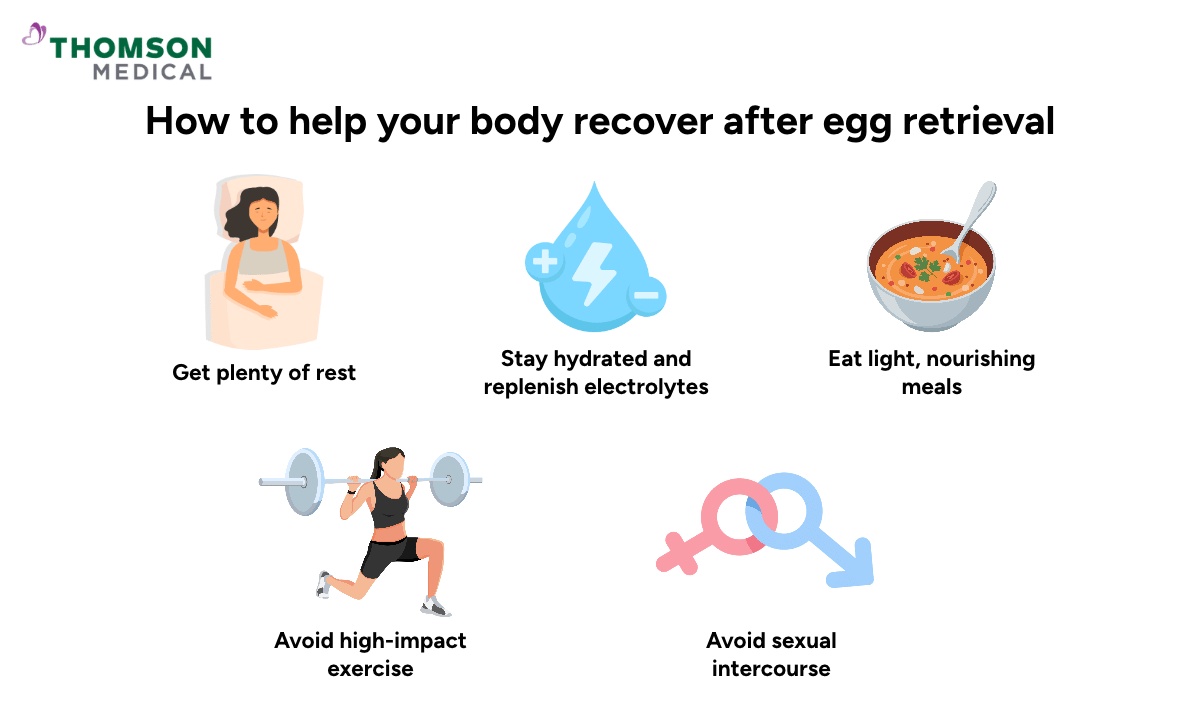
While your body does most of the healing on its own, the first few days can feel uncomfortable as hormone levels shift and the swelling gradually settles. Here are some things you can do to support your recovery and stay comfortable:
Get plenty of rest:
Taking it easy is especially important on the day of the retrieval itself, and most women benefit from resting for at least the first one to two days.
Stay hydrated:
Drinking plenty of water and adding electrolyte-rich drinks, such as coconut water or oral rehydration solutions, can help restore fluid balance and ease bloating.
Eat light and nourishing meals:
Easy-to-digest options like soups, lean proteins, fruits, and vegetables to provide your body with the necessary nutrients for healing.
To reduce bloating discomfort, you can also eat smaller meals more frequently.
Wear loose, comfortable clothing:
Wearing loose-fitting clothes helps you stay comfortable if you experience a swollen abdomen, especially in the first few days when bloating tends to be at its peak.
Avoid high-impact exercise:
Heavy lifting, running, or jumping can raise your risk of ovarian torsion. Instead, try gentle activities such as light walking, which will keep your cardiovascular system active without putting stress on your ovaries.
Hold off on sexual intercourse:
It is best to avoid sexual intercourse for a short period, as it can lead to pelvic discomfort and further increase the risk of ovarian torsion.
Skip alcohol:
Alcohol can worsen dehydration and bloating, adding unnecessary strain while your body clears the anaesthesia and adjusts to hormonal changes.
Everyone's recovery journey is different. If you have any concerns during your recovery, or if you would like more information about this phase, schedule an appointment with Thomson Fertility Singapore. Our fertility specialists can help to monitor your progress, answer your questions, and support you during this fertility journey.
What happens next in the IVF process after egg retrieval?
Once your eggs have been retrieved, they will be taken to the laboratory, where an embryologist will check which eggs are mature to prepare them for the fertilisation process. Depending on your treatment plan, the egg could be fertilised using either conventional IVF or intracytoplasmic sperm injection (ICSI).
While ICSI could improve the likelihood of fertilisation by directly injecting sperm into the egg, it does not guarantee success. For example, during the procedure, the needle may accidentally damage a cellular structure inside the egg known as a spindle.
This structure is important because of its role as a guide that lines up the egg's genetic material so the cells can divide properly and develop into a healthy embryo.
Spindle imaging at Thomson Medical
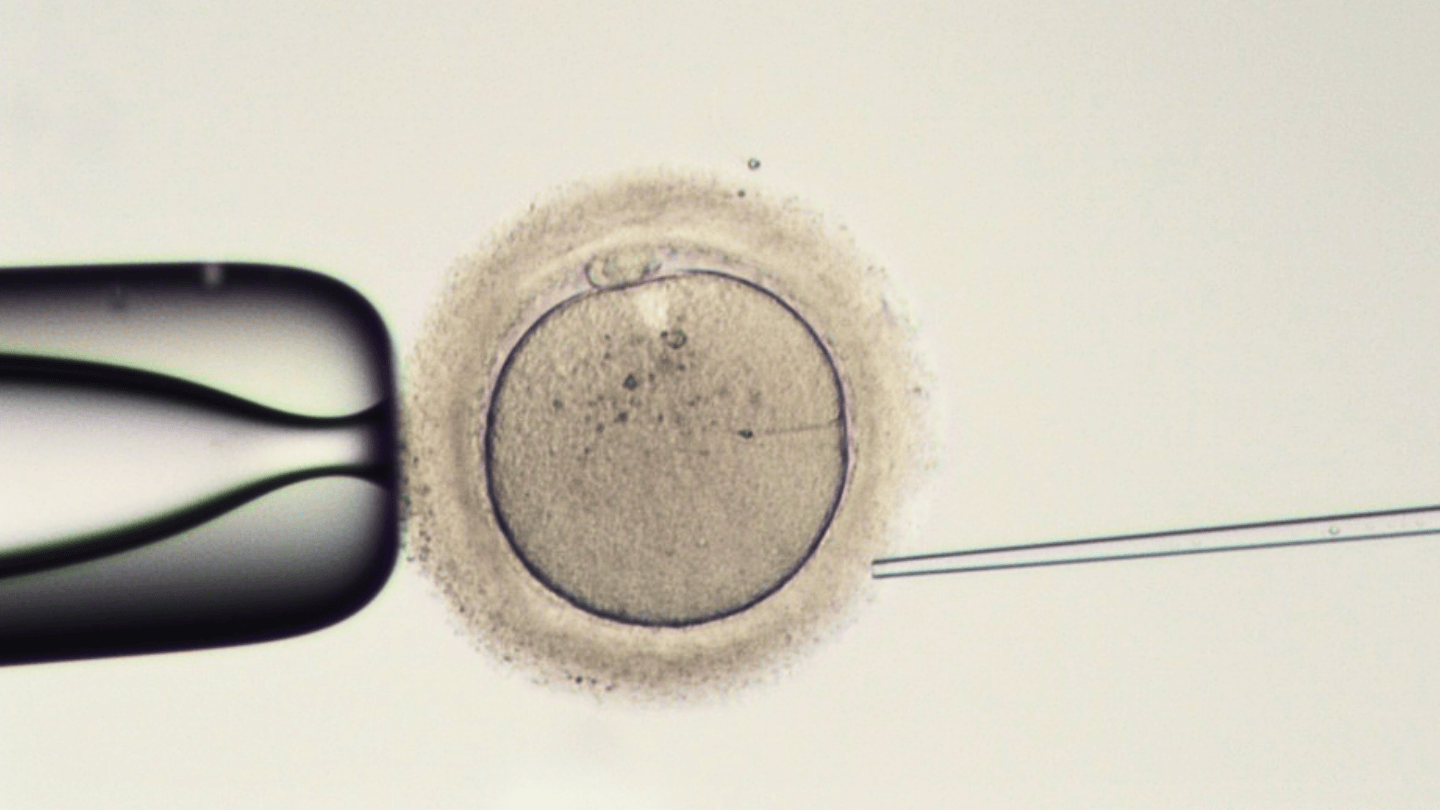
ICSI involves injecting a single sperm directly into an egg. Inside the egg is a structure called the spindle, which holds the egg’s chromosomes in position so they separate correctly once the egg is fertilised.
The spindle can’t be seen under a standard microscope. Embryologists normally use the polar body, a small cell on the egg’s surface, as a rough guide to where it is likely to sit. In a proportion of eggs, though, the spindle is somewhere else, and the needle can pass close to it without the embryologist knowing.
Spindle imaging uses polarised light to make the spindle visible during the procedure. The embryologist can then see where it actually is and position the needle away from it. Thomson Fertility Singapore in Novena offers spindle imaging alongside standard ICSI, and your fertility specialist can advise whether it is relevant in your case.
FAQ
Is it normal to feel bloated after egg retrieval?
Yes, bloating is one of the most common symptoms. It happens because the ovaries are enlarged from ovarian stimulation and because hormonal changes cause the body to retain fluid. This can make your abdomen feel tight or full, but it usually improves within a week as hormone levels settle.
How long should I rest after egg retrieval?
Rest is recommended for the remainder of the procedure day because sedation effects can linger. Most women feel well enough for light activity the next day, but full physical activities should be avoided for several days. The goal is to protect the enlarged ovaries during the highest-risk period for discomfort or torsion.
Many women can return to desk-based or non-physical work the next day. However, if the job involves standing for long periods, heavy lifting, or physical strain, additional rest may be needed. Fatigue and bloating can vary widely between individuals depending on the number of eggs retrieved.
How soon will I know how many eggs were retrieved?
You are usually informed shortly after the procedure on the same day once the embryologist counts the eggs in the laboratory. This is the total number of eggs retrieved, which includes both mature and immature eggs. A more detailed update on how many eggs were mature enough for fertilisation typically follows within the next day or so.
Is spotting after the egg retrieval process normal?
Yes, light spotting is expected because the retrieval needle passes through the vaginal wall and ovarian tissue. This usually appears as pink, red, or brown discharge and resolves within a few days without treatment. However, heavy or persistent bleeding should be evaluated by a doctor.
The information provided is intended for general guidance only and should not be considered medical advice. For personalised recommendations and tailored advice based on your unique conditions, schedule an appointment with Thomson Medical today.
For more information, contact us:
Thomson Fertility Centre
- Paragon: 6252 7766
- Novena: 6399 3758, 8811 0358 (WA)