

The journey to parenthood can feel like an uphill battle, especially when you’re facing fertility challenges. When this happens, it's natural to constantly search for ways to improve your chances.
Acupuncture, an ancient practice in Traditional Chinese Medicine (TCM), has been gaining attention in Singapore as a helpful way to support fertility. By inserting thin needles at specific pressure points, acupuncture aims to help restore your body's natural balance.
But how exactly does it work to increase your chances of getting pregnant? Let’s explore how this centuries-old practice supports you and what you can expect from it.
What is acupuncture for fertility and how does it work?
Acupuncture has long been used in Traditional Chinese Medicine (TCM) to promote overall health and wellness, but its role in fertility is especially interesting.
For fertility, acupuncture helps:
Regulate your menstrual cycle
Address underlying conditions that may be affecting your fertility
Balance your body's energy flow, or "Qi"
Improve overall bodily functions
Boost your reproductive health
By inserting thin needles at specific pressure points, your acupuncturist helps create the optimal conditions and gives you the best possible chance of conceiving.
Benefits of acupuncture for fertility
Acupuncture provides a holistic approach to fertility. Whether you’re preparing to get pregnant naturally or through fertility treatments, acupuncture may support better reproductive outcomes, making it a valuable option for you and your partner on your journey to parenthood.
Benefits for female fertility
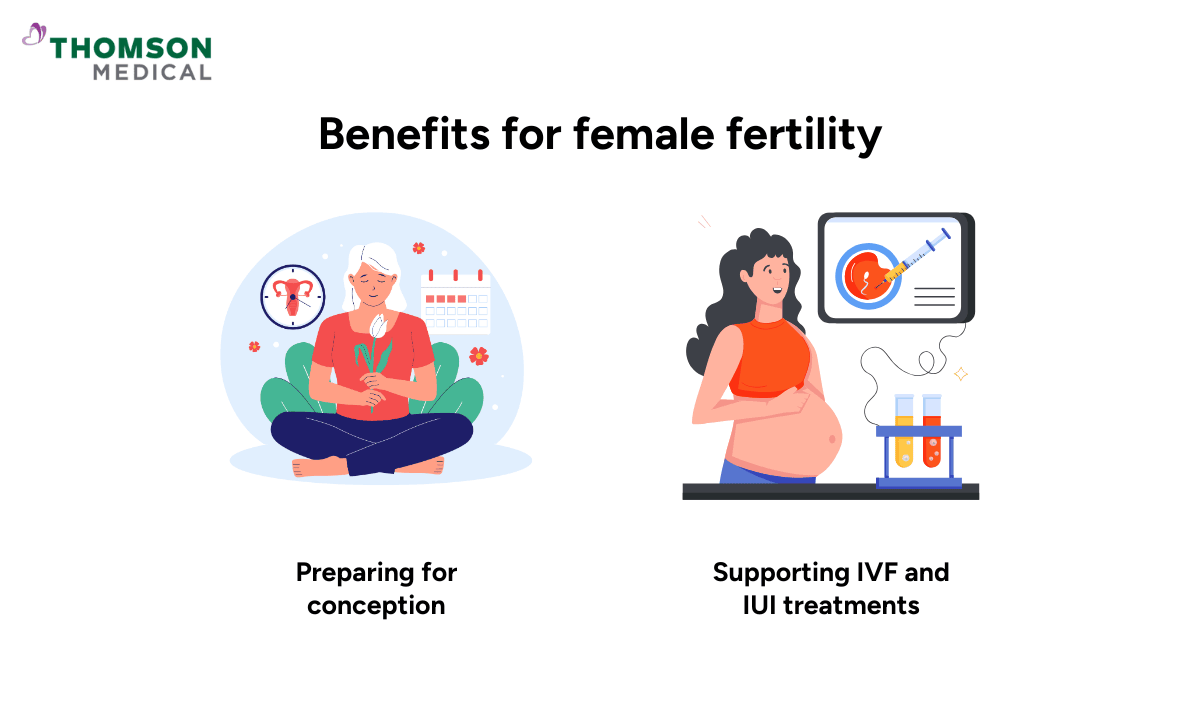
For women, acupuncture can support fertility at different stages:
Preparing for conception:
Fertility acupuncture is often recommended at least three months before you start trying to conceive. During this time, acupuncture helps you:
Address hormonal imbalances:
Acupuncture might reduce painful periods and irregular cycles caused by hormonal imbalances.
Manage conditions:
It can support your body if you’re dealing with endometriosis and polycystic ovary syndrome (PCOS).
Create a more supportive environment for conception:
This gentle method also promotes better hormone balance to prepare your body for pregnancy.
Supporting IVF and IUI treatments:
If you’re undergoing in vitro fertilisation (IVF) or intrauterine insemination (IUI), acupuncture can work alongside these treatments to increase your chances of success. The method can offer several benefits, including:
Improve egg quality:
It supports the development of healthier eggs.
Optimise the endometrial lining:
Acupuncture helps thicken and prepare your uterine lining, making your womb more responsive to implantation.
Reduce the risk of miscarriage:
It creates a more stable environment early in pregnancy.
Minimise side effects of fertility medications:
Acupuncture can help lower the risk of ovarian hyperstimulation syndrome (OHSS).
Benefits for male fertility
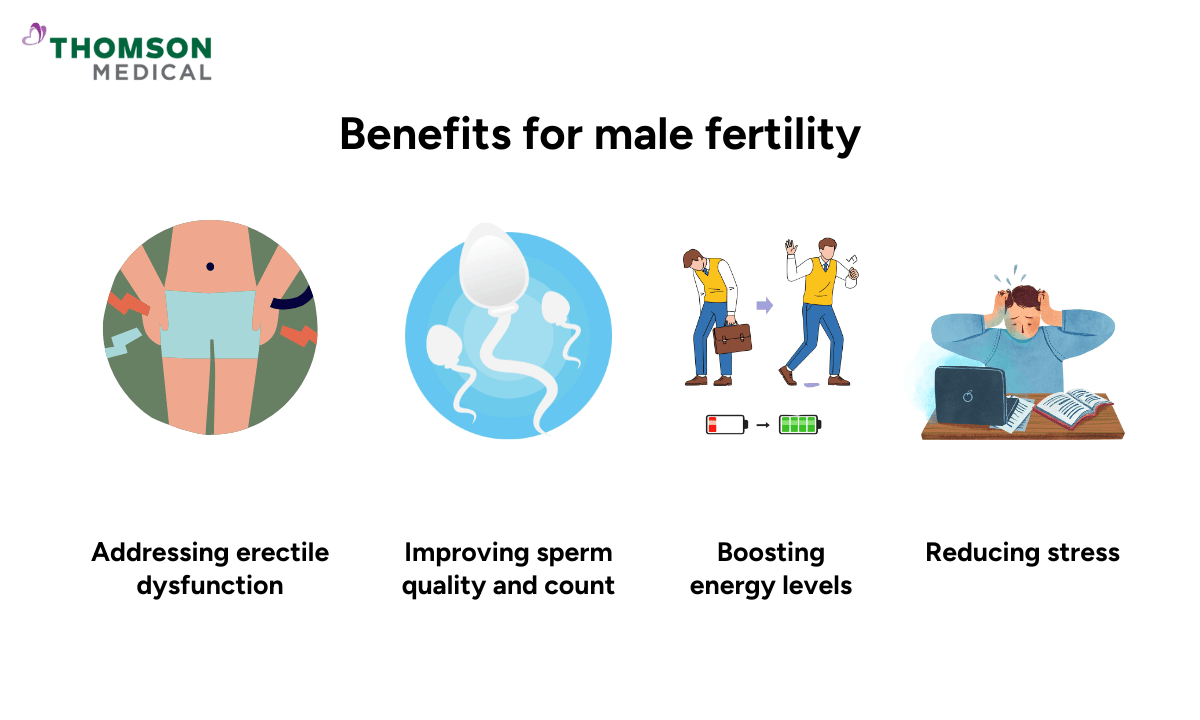
While much of the focus is on female fertility, it’s important to recognise that acupuncture can also benefit your partner on the fertility journey.
For your partner, acupuncture can help with:
Addressing erectile dysfunction
Improving sperm quality and count
Boosting energy levels
Reducing stress
If you're wondering how exactly acupuncture can support you and your partner on the fertility journey, schedule an appointment with Thomson Medical. Our specialists will work with you to create a treatment plan that fits your unique needs.
Our physicians in Singapore
Loading...
When to start acupuncture for fertility
If you’re considering acupuncture as part of your pregnancy journey, it’s recommended to start treatments at least three months before trying to conceive. This gives your body enough time to respond to the treatments and work through any underlying issues.
Acupuncture can be beneficial at any stage of your journey, whether you’re preparing to conceive naturally, going through fertility treatments like IVF or IUI, or already pregnant. It may help improve your IVF success rates and support your overall fertility.
How often should you go for acupuncture treatments?
The frequency of your acupuncture sessions will depend on where you are in your fertility journey. Your acupuncturist may recommend:
Before IVF/IUI Treatment:
To optimise results, your acupuncturist may advise having sessions once a week to prepare your body for treatment.
During IVF/IUI Treatment:
During ovary stimulation for IVF or IUI, acupuncture can help manage stress and improve your follicular response.
To maximise these benefits, you might have sessions twice a week during this time. The treatments will continue for around 10 to 12 days after the IUI procedure or embryo transfer.
After IVF/IUI Treatment:
Once your pregnancy is confirmed, continuing with fertility acupuncture can support a stable and healthy pregnancy, especially through the vulnerable first trimester.
Your acupuncturist usually advises having weekly sessions through the end of your first trimester to help maintain a calm and balanced state.
Every fertility journey is unique, so your acupuncturist or fertility doctor will assess your needs and create a personalised schedule for you.
What to expect during your acupuncture session
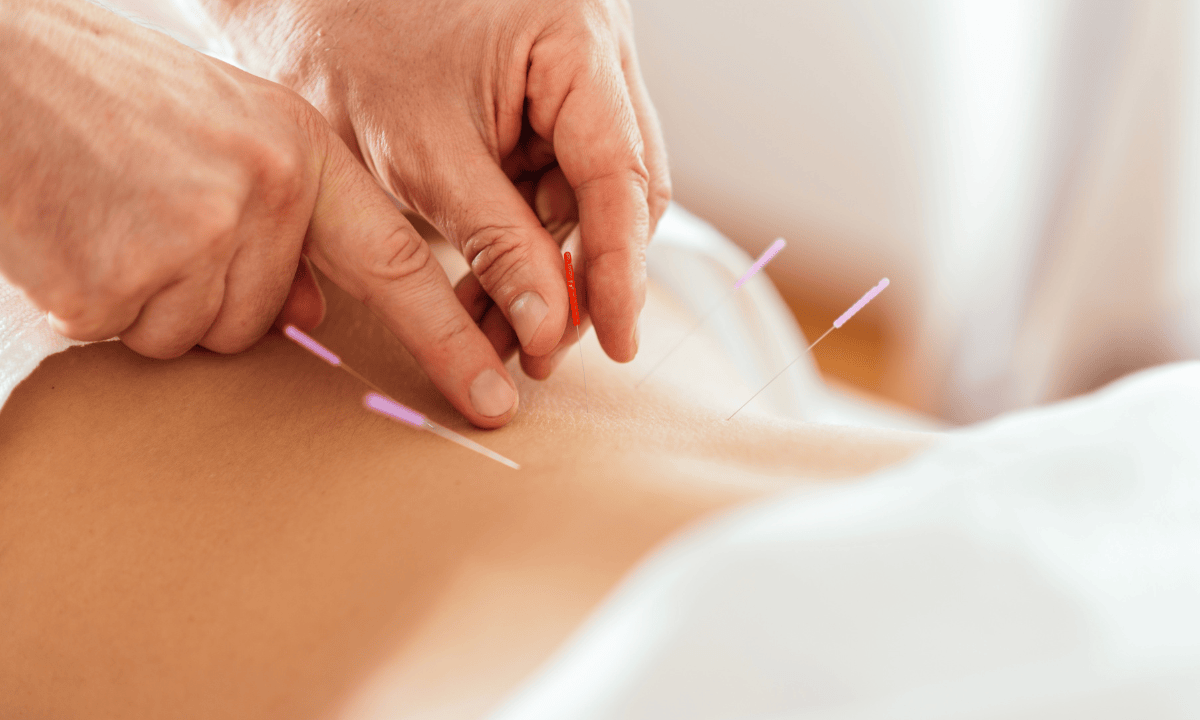
It’s natural to feel a bit nervous before your first acupuncture session, especially if you’ve never tried this before. To help you feel more prepared, your acupuncturist can walk you through the process beforehand.
During your first TCM fertility appointment in Singapore, your acupuncturist will conduct a thorough examination, much like a doctor’s visit.
In this assessment, your acupuncturist will:
Discuss your medical history:
This gives your acupuncturist a clear picture of your overall health.
Review your fertility journey:
Your acupuncturist will learn about your specific challenges and goals.
Check your tongue and pulse:
This is a TCM diagnostic technique used to understand your body’s internal state and identify any imbalances.
Based on this initial assessment, your acupuncturist will select specific pressure points for needle insertion. These points are located along your body’s energy channels, or meridians, which are essential in TCM for regulating bodily functions and promoting overall health.
Each session usually lasts 20 to 30 minutes, and you might experience a slight tingling or warmth at the needle sites. However, you may find the experience relaxing, not painful.
Your acupuncturist will make sure you’re comfortable throughout the entire session.
If you're interested in exploring acupuncture for fertility, along with the benefits of herbal medication, schedule an appointment with Thomson Medical. Our specialists offer personalised treatment plans designed to support your journey to parenthood with a gentle, natural approach.
FAQ
Does acupuncture actually work for fertility?
Research and clinical experience show that acupuncture can support fertility for women undergoing natural conception, IUI, or IVF.
Many women notice benefits such as more regular cycles, reduced stress, and improved overall well-being, which can enhance their chances of conceiving. Results vary for each person, so it’s important to work closely with your doctor and acupuncturist to tailor a treatment plan to your needs.
How long does it take to get pregnant with acupuncture?
There's no guaranteed timeline, as every person's fertility journey is unique.
Your acupuncturist usually recommends starting at least three months before trying to conceive to give your body time to respond. Some women get pregnant within a few months, while others may need more time or additional treatments.
What not to do after fertility acupuncture?
After your session, avoid strenuous exercise for the rest of the day and drink plenty of water. It's also best to skip alcohol and caffeine and try to get adequate rest. Your acupuncturist may give you specific aftercare instructions based on your treatment plan.
Can acupuncture bring on ovulation?
Acupuncture may help balance your hormones and menstrual cycle, which can support more regular ovulation. It helps create the right conditions that encourage natural ovulation, though it's not a direct trigger like ovulation medications.
How do you feel after fertility acupuncture?
Most people feel relaxed and calm after a session. You might feel a bit tired or very peaceful afterward. Some people feel energised instead.
You may also notice mild soreness where the needles were placed, but it goes away quickly.
Can acupuncture negatively affect fertility?
Acupuncture is generally safe and won’t negatively impact your fertility when performed by a qualified, experienced practitioner.
However, it's important to inform your acupuncturist about all medications and treatments you're taking to ensure your acupuncture plan works well with your overall fertility care.
The information provided is intended for general guidance only and should not be considered medical advice. For personalised recommendations and advice based on your unique situation, please consult a specialist at Thomson Medical. Request an appointment with Thomson Medical today.
Physician Jun Negoro
Traditional Chinese Medicine
Thomson Chinese Medicine (TCM Paragon Medical Centre) and 1 other
English, Mandarin
Alliance MediNet
