

It can be worrying to hear your child struggle to breathe or cough through the night. You might find yourself standing by their bed, listening to the wheezing in their chest and wondering whether it is just a stubborn cold or a more serious respiratory disease such as asthma.
If it’s asthma, early diagnosis makes a real difference. Once you identify your child's triggers and start the right treatment, asthma flare-ups become less frequent and easier to manage. Here's how to recognise the early warning signs in your child and take control of their asthma so they can enjoy their childhood.
What is asthma?
Asthma is a long-term respiratory disease that affects the air passages of your child’s lungs. These air passages, also known as bronchial tubes, carry air in and out of the body. In children with asthma, these airways are more sensitive than usual.
When your child is exposed to certain triggers, such as dust, smoke, cold air, or respiratory infections, their airways can become swollen and irritated. The muscles around the airways tighten, and extra mucus is produced. These changes narrow the airways and make breathing more difficult.
This sensitivity is called airway hyperresponsiveness. If asthma is not well-controlled over time, the airways can sometimes change in ways that may affect breathing in the long run. The good news is that with early diagnosis and proper treatment, most children with asthma can breathe well, stay active, and grow up with healthy lungs.
Why do some children develop asthma?
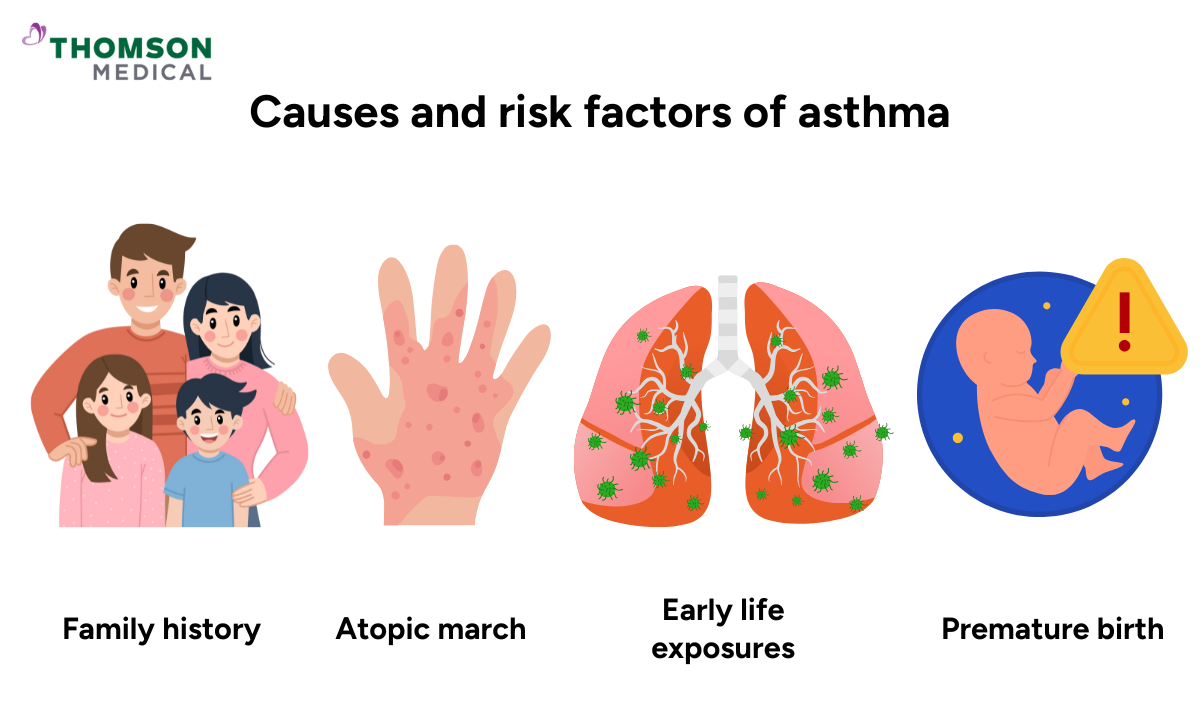
There is no single cause of asthma, and if your child develops it, it is not something you caused. Asthma usually happens because of a mix of genetics and environmental exposures that are often outside your control.
Common causes and risk factors include:
Family history:
Your child may have a higher chance of developing asthma if this condition, eczema (sensitive skin), or allergic rhinitis (sensitive nose) runs in the family.
The atopic march:
Your child may first develop eczema or food allergies.
As they grow, hay fever or nasal allergies may appear.
Some children later develop asthma, but not all do.
Early life exposures to infections:
Severe lung infections during the first few years of life, especially those caused by common viruses like RSV (respiratory syncytial virus), can affect how your child's lungs develop.
These early infections may make the airways more sensitive over time.
Premature birth:
Premature babies may have less developed lungs.
Their lungs may be more sensitive as they grow.
These factors may help explain why asthma develops, but they do not tell us how asthma will affect your child. Every child is different, so your doctor will guide the best approach to care.
What can trigger asthma in children?
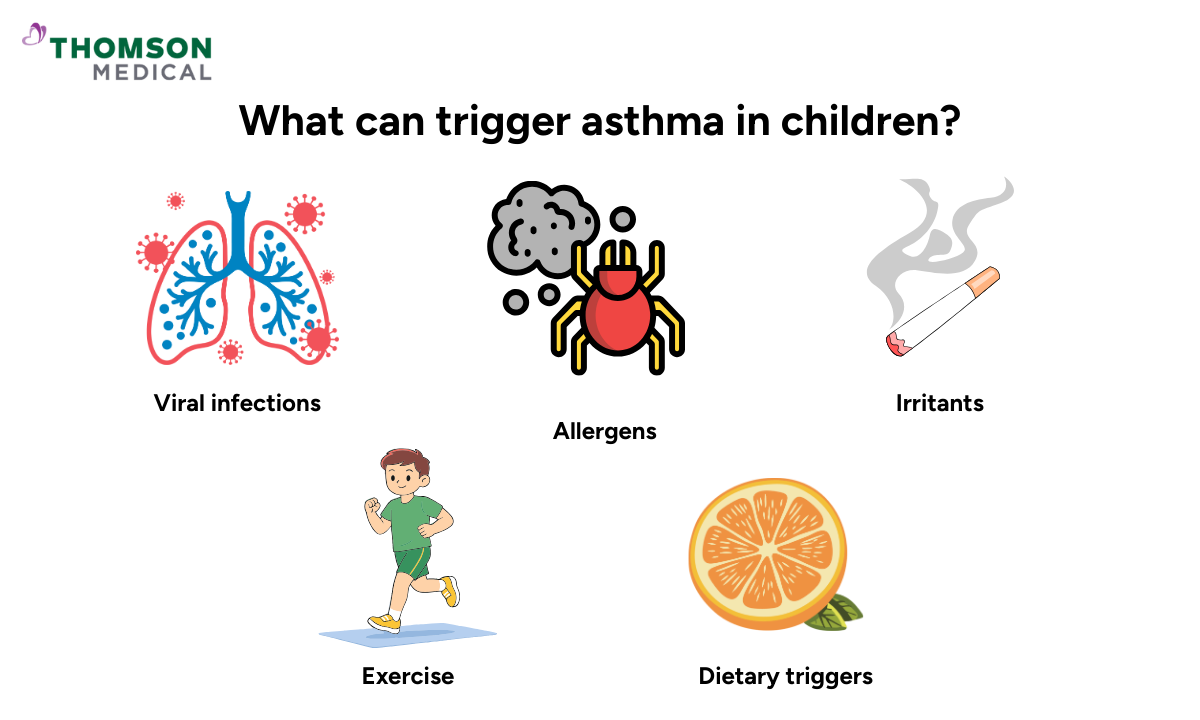
Understanding your child’s asthma triggers is one of the most helpful ways to manage their symptoms. Every child is different, so learning what affects your child often takes time and careful observation.
Common triggers include:
Viral infections:
Colds and upper respiratory tract infections such as flu, bronchitis, or RSV are common causes of asthma flare-ups.
Allergens:
House dust mites can be found in bedding and soft toys.
Pet fur, mould, and pollen may also affect children with sensitive airways.
Irritants:
These include cigarette smoke, haze, strong cleaning chemicals, and air pollution.
Physical factors:
Exercise may trigger symptoms because children breathe faster.
Faster breathing brings in cooler, drier air that may irritate airways.
Cold air or sudden weather changes may also play a role.
Dietary triggers:
A small number of children may react to certain foods or drinks, such as cold drinks, citrus fruits or beverages containing sulphites.
As you become more familiar with these triggers, you'll start noticing patterns; perhaps your child's breathing worsens during haze, after playing with pets, or when they have a cold. Being aware of these early changes allows you to respond quickly and better understand how asthma may show up in your child’s day-to-day life.
If you would like to better understand your child’s asthma risk factors or family history, you may schedule an appointment with a doctor at Thomson Paediatric Centre for further discussion.
What are the symptoms of asthma in children?
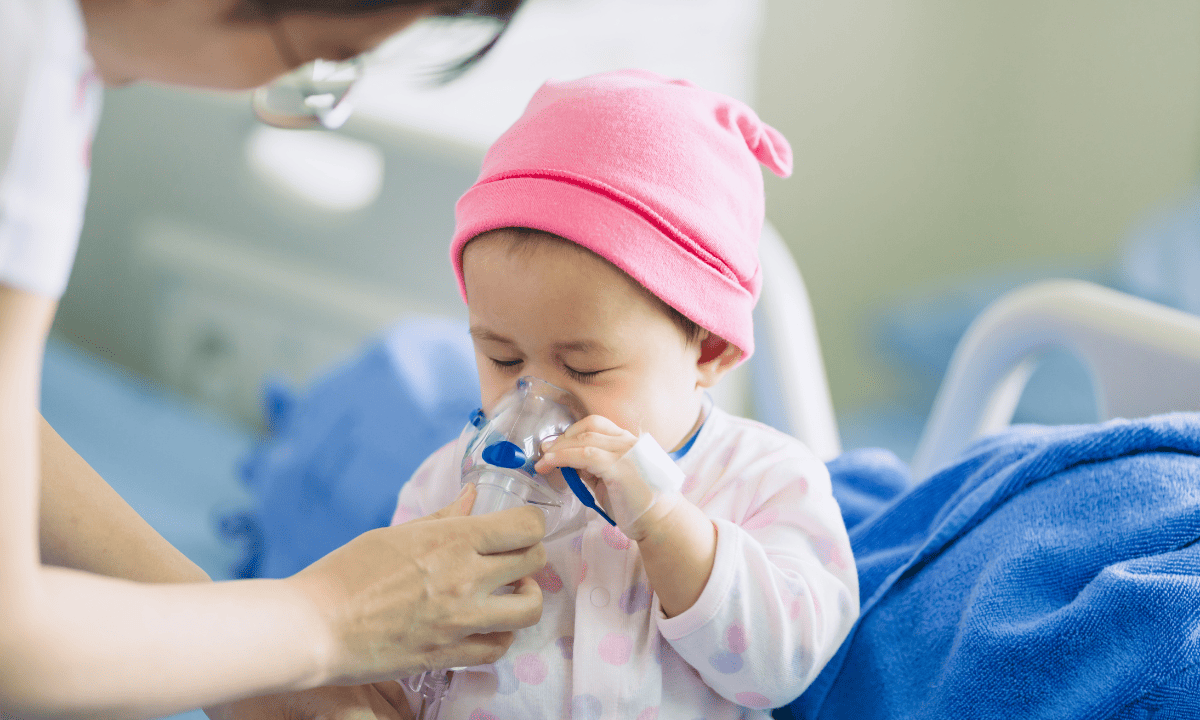
Asthma symptoms can vary widely and may change as your child grows. Some children only show symptoms during illness or physical activity.
Your child may have asthma if they:
Seem breathless or have difficulty catching their breath
Make a whistling or wheezing sound when breathing
Complain of chest tightness (more common in older children), chest pain, or discomfort (more common in younger children)
Have a dry cough that worsens at night or early in the morning
Become tired more easily than usual during play or daily activities
If these symptoms keep happening, it is important not to assume it is just a common cold. Speaking to a doctor can help you better understand your child’s breathing symptoms and get the right support early.
How is childhood asthma diagnosed?
Asthma can sometimes be hard to diagnose, especially in younger children. This is because childhood asthma symptoms can look like other lung conditions, such as bronchitis.
Your doctor will usually start by asking about your child’s symptoms and medical history, followed by a physical check-up.
Depending on your child's age and symptoms, your doctor may suggest some breathing tests. These are usually painless and help confirm whether asthma is present and how it's affecting your child's lungs. But not every child needs every test. Your doctor will suggest only what's necessary for your child's situation.
Common tests include:
Spirometry test:
The most common lung function test for children above five years old.
It measures how much air your child can breathe out and how quickly.
The doctor may repeat the test after giving medication to see if breathing improves.
Exhaled nitric oxide measurements:
Your doctor will measure nitric oxide levels (a natural gas produced in the lungs) in your child’s breath to check for swelling in their airways.
Peak flow monitoring:
This uses a small handheld device called a peak flow meter to check how well your child can blow air out of their lungs.
It can help detect early signs that asthma may be getting worse.
Allergy testing:
Allergy tests, such as skin prick allergy tests, or blood tests, can help identify triggers such as dust mites, pets, or mould.
These tests help your doctor understand how your child’s lungs are working and what may be triggering their symptoms. With this information, they can create a treatment plan that supports your child’s daily activities and overall well-being.
Our paediatric specialists
Loading...
How is asthma treated?
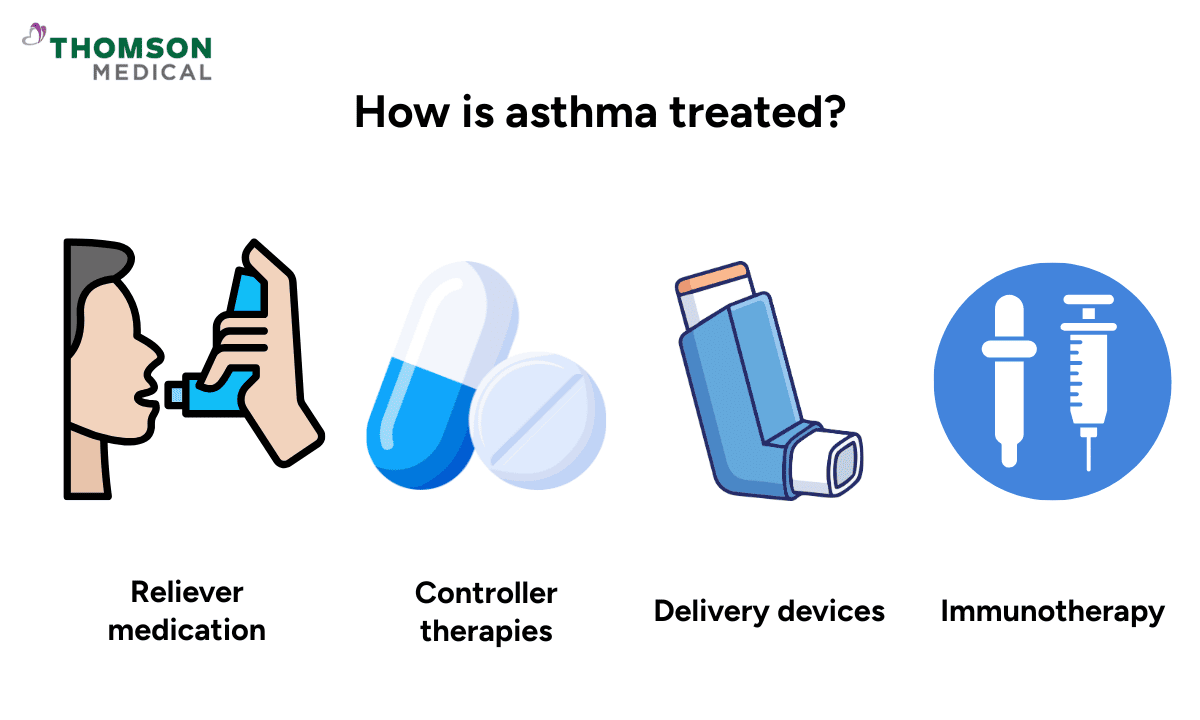
Although asthma has no cure, you can usually keep it under control. Treatment focuses on reducing airway inflammation, preventing flare-ups, and keeping your child's lungs healthy and working well.
Treatment usually includes:
Reliever medication:
Inhalers can provide quick relief during asthma attacks.
It helps open the airways so your child can breathe more easily.
Controller therapies:
These are taken every day to prevent asthma symptoms and reduce swelling in the airways.
Inhaled corticosteroids (ICS) are commonly used.
Some children may also need anti-leukotriene tablets to help control symptoms.
Delivery devices:
Young children usually use metered-dose inhalers with a spacer
This helps deliver medication directly into the lungs.
Immunotherapy:
Some children with allergic asthma or severe allergies may benefit from allergy shots.
These help reduce allergic reactions over time and may improve asthma control in selected children.
Some asthma medicines contain steroids, which may sound worrying. These inhaled steroids are safe when used as prescribed and help keep your child’s asthma under control. Your doctor will work with you to find the right combination of medications for your child, explain how and when to use them, and adjust the treatment plan as your child grows.
If you have questions about asthma medications or inhaler use, a consultation may be helpful. You may consider scheduling an appointment with our doctors at Thomson Paediatric Centre.
How to make your child’s asthma action plan?
Every child with asthma should have a written action plan prepared together with their doctor. This plan helps you understand how to manage your child’s asthma day to day and what to do if symptoms suddenly worsen.
The plan usually includes:
Green zone:
What daily medications your child should take when symptoms are well-controlled
Signs that your child’s breathing is stable
Yellow zone:
Early warning signs that asthma may be getting worse
Steps you can take to prevent symptoms from becoming more serious
Red zone:
Signs of a serious asthma attack
Clear instructions on when to seek urgent medical care
It also helps to share this plan with carers, family members, and teachers so everyone knows how to support your child and respond quickly if symptoms appear.
When to seek urgent medical care
Even when asthma is well-managed, severe flare-ups can sometimes happen.
Seek immediate medical help if your child:
Has severe shortness of breath
Cannot speak in full sentences
Shows chest pulling inwards when breathing (chest retractions)
Has lips or fingernails turning blue or grey
Does not improve after reliever medication
Seems unusually drowsy, weak, or confused
These are warning signs that your child needs immediate medical attention. Trust your instincts. If you are worried about your child’s breathing, it is always safest to seek help.
How to prevent asthma attacks?
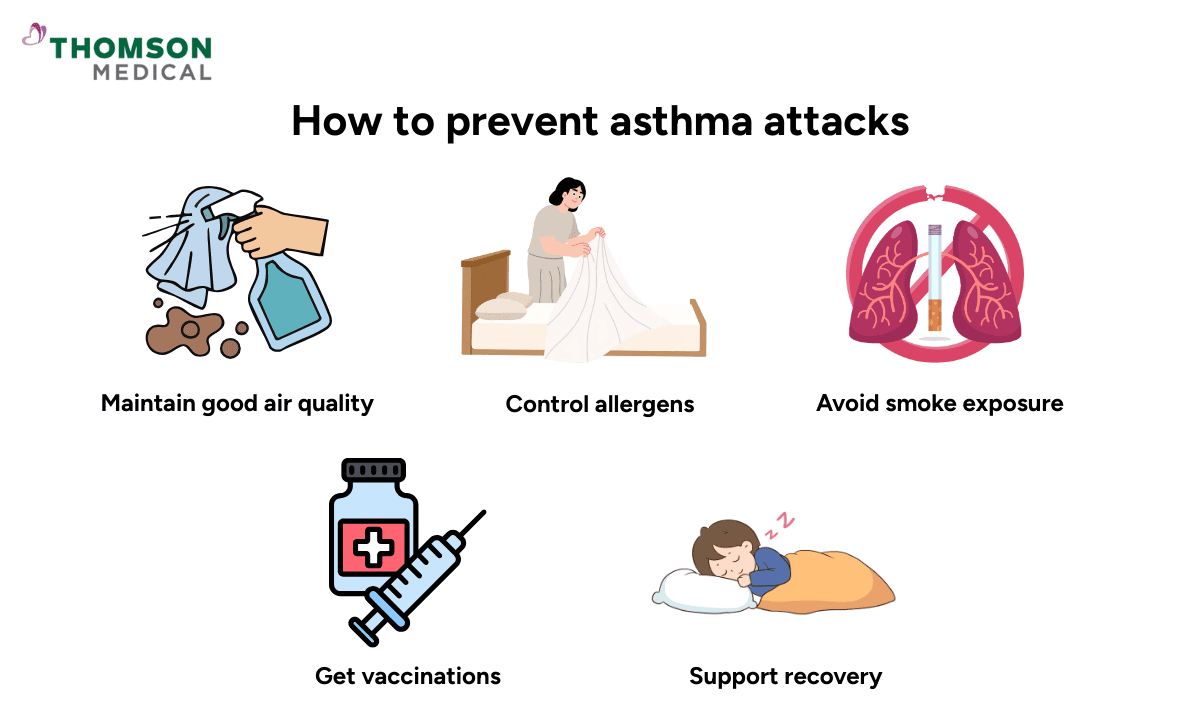
While asthma can be influenced by genetics, there are still many simple things you can do to lower your child’s risk of flare-ups. Small changes at home can make a big difference in helping your child breathe more comfortably.
Helpful steps include:
Maintain good air quality:
Keep your home clean
Close windows during haze or high pollen days
Use an air purifier to reduce indoor air pollutants
Control allergens:
Wash bedding weekly in hot water
Use dust mite protective covers
Avoid smoke exposure:
Keep your child away from cigarette smoke and smoke residue on clothing
Keep vaccinations up to date:
Make sure your child receives an annual flu vaccination to help protect them from viral infections
Support recovery during illness or attacks:
Let your child rest and avoid exercise during and shortly after an asthma attack
By building these habits into your child’s daily routine, you can help create a safer and more comfortable breathing environment. With consistent care and support, many children with asthma are able to stay active, play freely, and live full, healthy lives.
FAQ
Will my child outgrow asthma?
Some children have fewer symptoms as they grow older. However, their airways may remain sensitive, and symptoms can sometimes return later.
Is it asthma or just a cold?
Colds usually improve within one to two weeks. If your child has a cough that lasts longer, happens mainly at night, or appears during exercise, asthma may be possible. Breathing tests can help confirm this.
Can my child still play sports?
Yes. Physical activity supports healthy lung development. With proper treatment, most children with asthma can stay active and enjoy sports safely.
What is the difference between asthma and bronchitis?
Bronchitis is usually a short-term infection. Asthma is a long-term condition that makes the airways more sensitive. If your child seems to get bronchitis repeatedly, your doctor may check if asthma could be the underlying cause.
Will asthma medications cause dependence?
This is a very common worry among parents. Asthma medications, including inhalers, are not addictive. They help reduce airway swelling and keep symptoms under control when used as prescribed.
How often should my child see a doctor for asthma?
Most children with asthma should have a routine review every 3 to 6 months, even when symptoms are well controlled. More frequent visits may be needed if asthma is not well managed, medications were recently changed, or symptoms are worsening.
The information provided is intended for general guidance only and should not be considered medical advice. For personalised recommendations and tailored advice based on your child's condition, request an appointment with Thomson Paediatric Centre.