

A cervical cancer diagnosis can bring up many concerns, especially regarding fertility. If you're planning to have children, it's natural to wonder how cervical cancer can affect your ability to conceive.
While cervical cancer and its treatment can affect fertility in some cases, it does not always lead to infertility. Understanding how different treatments may impact your ability to conceive and what fertility-preserving options may be available can help you feel more informed and supported as you consider your next steps.
What is cervical cancer?
Cervical cancer starts in the cells of your cervix – the lower part of your uterus (womb) that connects to your vagina.
In most cases, this cancer is caused by high-risk types of the human papillomavirus (HPV), which spreads through sexual contact. Your immune system usually clears the infection on its own within a year or two, but if it persists longer, it can cause normal cervical cells to change into cancer cells.
This process often takes 10 to 15 years, so regular cervical screening like Pap smears and HPV testing can help you detect it early, giving you more options for protecting your fertility during treatment.
The role of the cervix in fertility
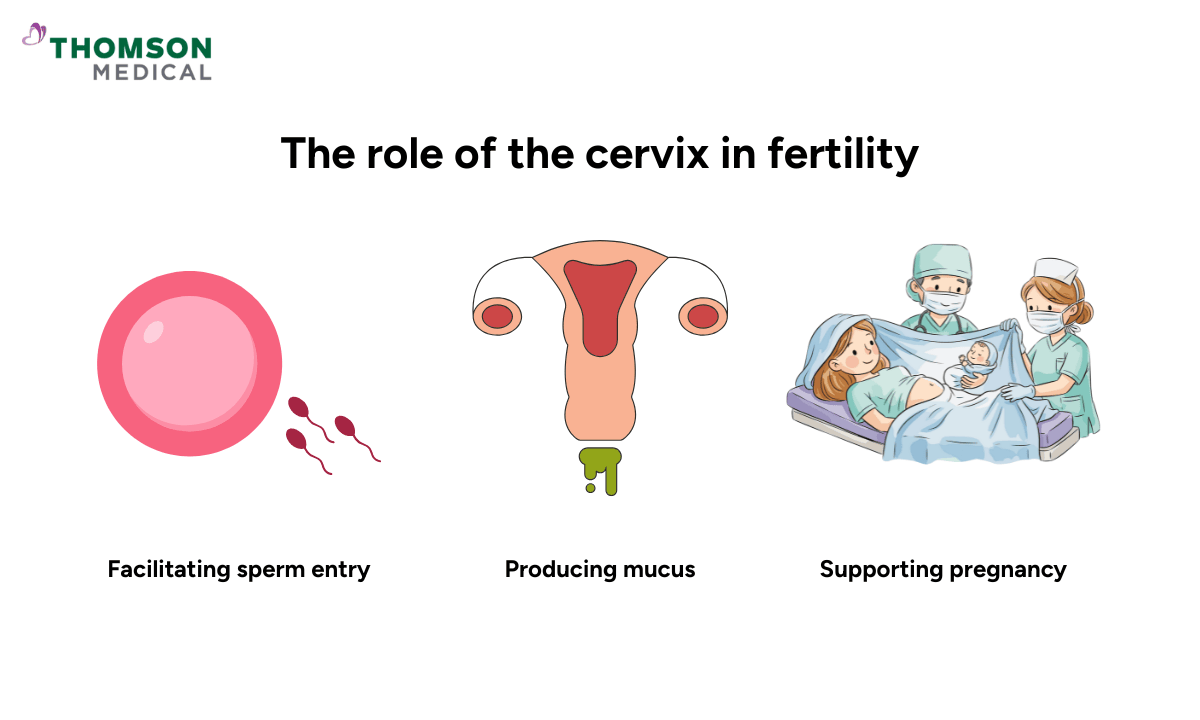
Your cervix is a crucial part of your reproductive system. This small organ helps you conceive and carry a pregnancy in several ways, including:
Facilitating sperm entry:
Your cervical canal allows sperm to travel from your vagina into your uterus.
Producing mucus:
Cervical mucus helps transport and nourish sperm.
Supporting pregnancy:
The cervix stays closed during pregnancy to protect your baby. During labour, it opens up so that your baby can pass through.
For these reasons, when cervical cancer and its treatment affect your cervix, it can naturally raise concerns about your ability to have a baby. Fortunately, there are options that can help you preserve your chances of becoming a parent. Your doctor will guide you through these options to help you make the right choice.
Can cervical cancer cause infertility?
The truth is: cervical cancer doesn’t always lead to infertility. It depends on several factors.
If your cervical cancer is caught early, it may not affect your ability to have children. Depending on the size of the tumour, you may still be able to get pregnant naturally.
If your case is more advanced, there may be some challenges, because the tumour can:
Block sperm from entering your uterus
Interfere with embryo implantation
Spread to nearby reproductive organs and affect their function
These things do happen, but it’s not the whole picture. In most cases, the real impact on fertility does not come from the cancer itself but its treatment.
If having children is something you deeply care about, don’t hesitate to share your goals with your doctor early in your treatment planning. They can suggest fertility-sparing options that align with both your health and your goals for the future.
If you’re unsure or concerned about how cervical cancer may affect your pregnancy, schedule an appointment with Thomson Medical today. Our specialists are here to guide you through your options and provide expert care tailored to your unique situation.
Our cervical cancer specialist
Loading...
How cervical cancer and treatments affect fertility
Your doctor will take time to understand your condition: the stage of your cancer, your age, and your overall health, especially what’s most important to you. Together with your doctor, you can find the most suitable cervical cancer treatment to protect your health and support your hopes for the future.
Each type of treatment offers both pros and cons. Let’s take a closer look at what they may mean for your fertility.
Surgical treatments
Each surgical option impacts your future pregnancy journey in different ways.
Cone biopsy:
It doesn’t usually affect your fertility, but it may increase the risk of preterm birth in the future. Your doctor will monitor you closely throughout your pregnancy to make sure you have the safest experience possible.
Trachelectomy:
Pregnancy can still happen after this surgery, though you’ll need extra care to lower the risk for miscarriage or preterm labour.
Hysterectomy:
This surgery removes your uterus and sometimes your cervix, which means a natural pregnancy will no longer be possible. As this is a difficult situation, your doctor will be there to provide support and counselling to help you navigate this decision.
Radiation therapy
When radiation targets your pelvic area, it can damage your ovaries and cause early menopause. It can also harm the lining of your uterus, making it difficult for you to carry a pregnancy.
To keep your ovaries safe, sometimes your doctor may suggest ovarian transposition (also known as oophoropexy). This is a procedure to move your ovaries out of the radiation field.
This is usually straightforward. However, like any surgery, it may carry some risks, such as bleeding or infection. Your doctor will discuss whether this option is right for you based on your specific situation and treatment plan.
Chemotherapy
Some chemotherapy drugs can reduce the function of your ovaries, either temporarily or permanently, and lead to early menopause. How much it affects you will depend on the drugs you use, the doses, and your age.
It’s understandable to have mixed feelings when learning about these risks, but it's important to remember that not every treatment will affect your fertility. The exact impacts can also be different from woman to woman. Your doctor can explain and help you understand which risks apply to your specific situation.
Fertility preservation: Exploring your options

After learning how cervical cancer treatment might affect your future fertility, you may find yourself wondering, “What should I do next?” or “Are there ways to protect my fertility?”
The answer is yes, there are. But timing is very important. Discussing these options with your doctor early can make all the difference.
If you have early-stage cervical cancer, your doctor may suggest some fertility-sparing treatments such as a cone biopsy, radical trachelectomy, and ovarian transposition. These approaches help many women preserve their fertility and achieve their dreams while treating cancer effectively.
If your cancer is more advanced, your treatment path can be more extensive. However, there are still some fertility-preserving treatment options worth considering. Before starting chemotherapy or radiation, you can:
Create and freeze embryos with your partner's or donor sperm
Use them later with in vitro fertilisation (IVF) or surrogacy
This process takes time and planning, but it may give you a chance to become a biological parent even if the cervical cancer treatment affects your ability to get pregnant naturally.
Your doctor understands how important this is to you and will do their best to help you explore your options. The path may look different from what you expected, but there are real possibilities for reaching your fertility goals.
If you have questions about cervical cancer and fertility, or if you'd like to explore your options, schedule an appointment with Thomson Medical. Our fertility specialists will create a personalised care plan that prioritises both your health and your future family goals.
FAQ
Is pregnancy safe after cervical cancer treatment?
Pregnancy is usually possible after treatment, but it may carry risks such as preterm birth or miscarriage, particularly after trachelectomy. Your doctor will monitor you closely throughout pregnancy to make sure you and your baby are safe.
How long should I wait before trying to conceive?
Doctors usually recommend waiting 6 months to 2 years after treatment before trying to get pregnant. However, the exact timing depends on your cancer type, stage, the treatment you receive, and your recovery.
Does chemotherapy cause infertility?
Chemotherapy can affect fertility, but it’s not always permanent. The impact depends on the medication you take, the dosage, and the duration of treatment.
Some chemotherapy drugs can damage your ovaries and lead to permanent infertility. In this case, your doctor may recommend egg freezing or embryo freezing before treatment.
Can women have children after a hysterectomy or radiation therapy?
After a hysterectomy or pelvic radiation, you cannot carry a pregnancy yourself because your uterus has been removed or damaged. However, you can still become a parent through alternative options like surrogacy or adoption.
Are there fertility-preserving treatment options for cervical cancer?
Yes. Conisation, trachelectomy, and ovarian transposition can preserve your fertility, especially if you have early-stage cervical cancer.
Can you carry a baby with no cervix?
If your cervix was removed during a trachelectomy, pregnancy is still possible, but it requires special care.
Without a cervix, your doctor may place a permanent cerclage (stitch) at the top of your vagina to help keep the pregnancy in place. During this time, your doctor will monitor you very closely. You may deliver earlier than 40 weeks by caesarean section.
These pregnancies are considered high-risk, but many women who have had their cervix removed have successfully carried babies to delivery with proper medical supervision.
The information provided is intended for general guidance only and should not be considered medical advice. For personalised recommendations and tailored advice based on your unique situation, please consult a specialist at Thomson Medical. Schedule an appointment with Thomson Medical today
For more information, contact us:
Thomson Specialists (Women's Health)
Thomson Women's Clinic (TWC)
- Novena:
6592 6686 (Call), 8611 8986 (WA) - Bukit Batok:
6569 0668 (Call), 8686 3525 (WA) - Choa Chu Kang:
6893 1227 (Call), 8282 1796 (WA) - Jurong:
6262 8588 (Call), 6262 8588 (WA) - Katong (female doctor):
6970 2272 (Call), 8611 9020 (WA) - Punggol:
6243 6843 (Call), 8811 0328 (WA) - Sembawang: 6753 5228
- Sengkang: 6388 8125
- Serangoon (female doctor): 6382 3313
- Tampines: 6857 6266
- Tiong Bahru: 6276 1525
Notice
The range of services may vary between TWC/TS locations. Please contact your preferred branch directly to enquire about the current availability.
Request an Appointment