

When you hear that you have fibroids, your first thought may be something along the lines of “Could this harm my baby?”
However, reality is more nuanced. Some fibroids stay quiet throughout pregnancy and cause no problems, while others may grow due to hormonal changes.
So how do you know which type you have, and what does it mean for you and your baby? Looking at how fibroids behave during pregnancy can help you and your doctor plan the right care for your situation.
What are uterine fibroids?
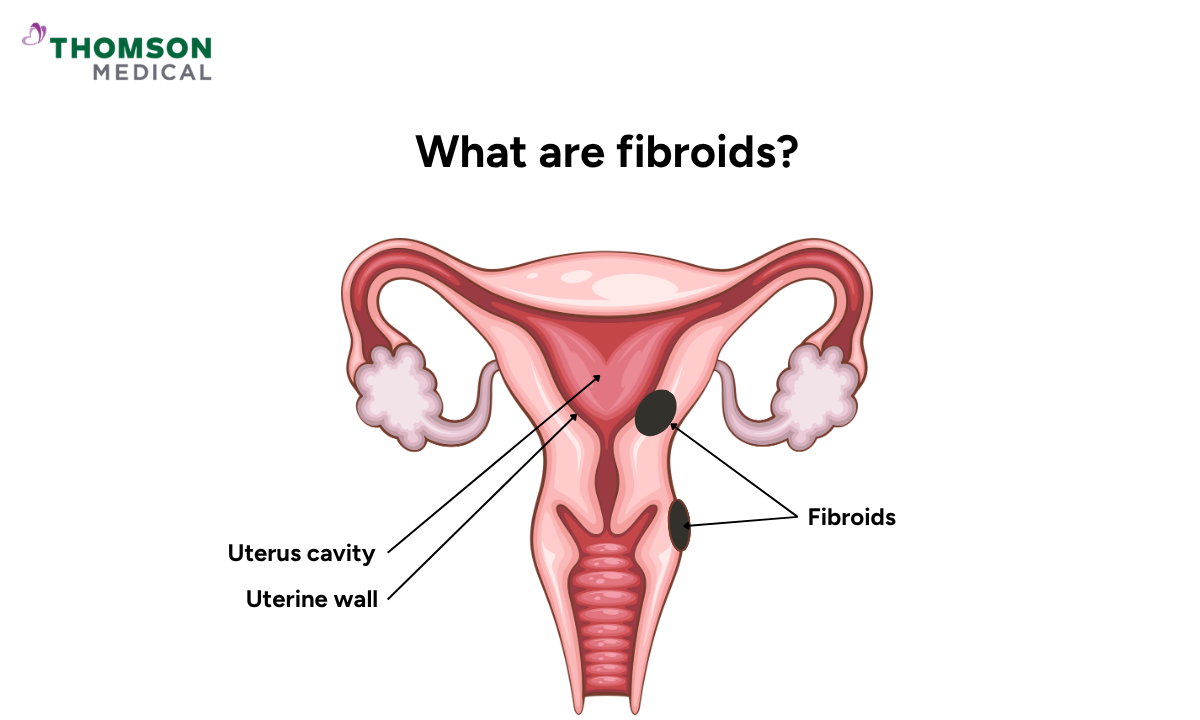
Uterine fibroids are growths made of muscle and fibrous tissue that form in or on your uterus, and they are not cancerous. They are very common during your reproductive years. Because they can vary in size, number, and location, your experience may feel quite different from someone else's.
The position of a fibroid in or around your uterus can play a role in both your fertility and your pregnancy journey.
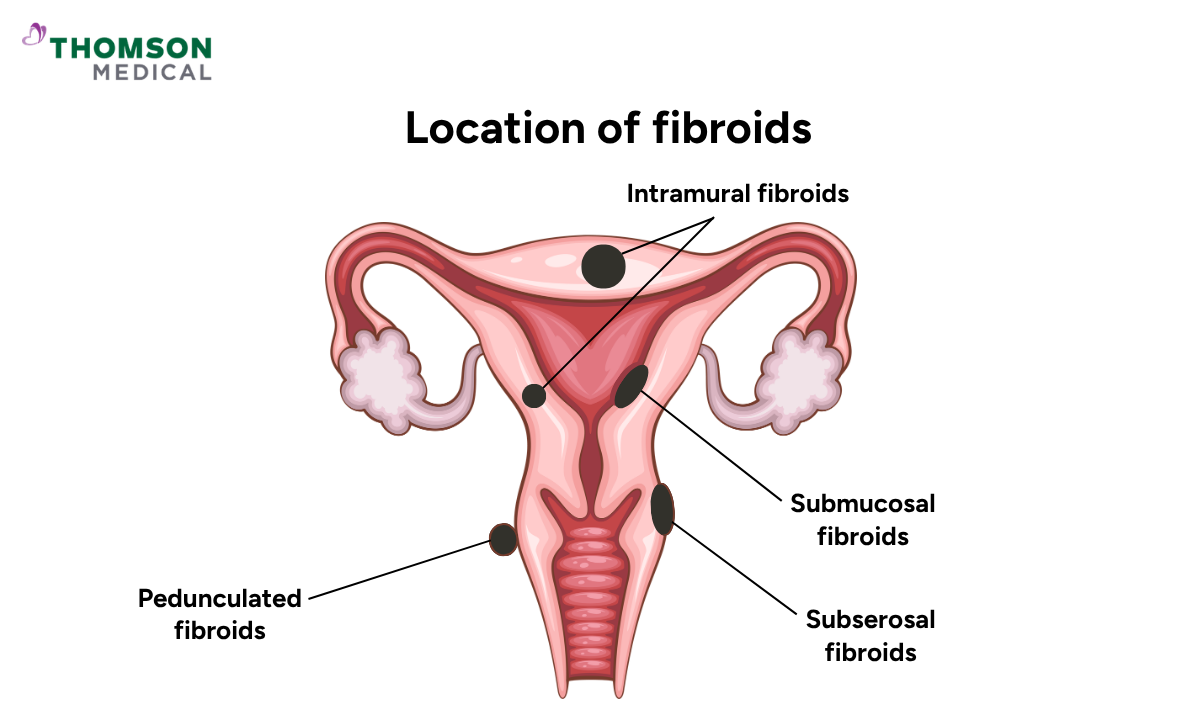
There are four main types based on where they grow:
Submucosal fibroids grow into the uterine cavity (the space inside your womb)
Intramural fibroids grow within the wall of your uterus
Subserosal fibroids grow on the outer surface of your uterus
Pedunculated fibroids grow on a stalk, either inside or outside your uterus
Understanding the type and location helps your doctor explain how fibroids may affect you and guide you through what to expect next.
Our gynaecologists
Loading...
Does the size and location of fibroids matter?
Yes, both size and location play a role. Not all fibroids carry the same level of risk, and understanding yours can help you have informed conversations with your doctor.
Fibroid type | Likely impact |
Submucosal | Higher impact, may affect implantation and increase the chance of miscarriage |
Intramural | Moderate risk, depending on whether the uterine cavity is affected |
Subserosal | Usually lower risk, less likely to interfere with pregnancy |
Pedunculated fibroids | Generally lower impact on pregnancy, but twisting can cause sudden pain |
Larger fibroids, typically over 5 to 7 cm, are more likely to cause pressure or discomfort. When there are multiple fibroids, their combined effect can also change the shape of the uterus, even if each one is small on its own.
Can fibroids affect your chances of getting pregnant?
Fibroids do not usually affect fertility directly, and most women conceive naturally without difficulty. However, fibroids that distort the uterine cavity, especially submucosal fibroids, are more likely to affect implantation or increase miscarriage risk .
Fibroids may affect fertility if they:
Block your fallopian tubes
Change the shape of your uterine cavity
Interfere with how sperm travel through your womb
Affect blood flow to the lining of your uterus
Of all types, submucosal fibroids are the most likely to affect implantation (the moment a fertilised egg attaches to the uterine lining). This is because they can change the shape of the lining, making it harder for a fertilised egg to attach and grow.
How fibroids may affect you during pregnancy
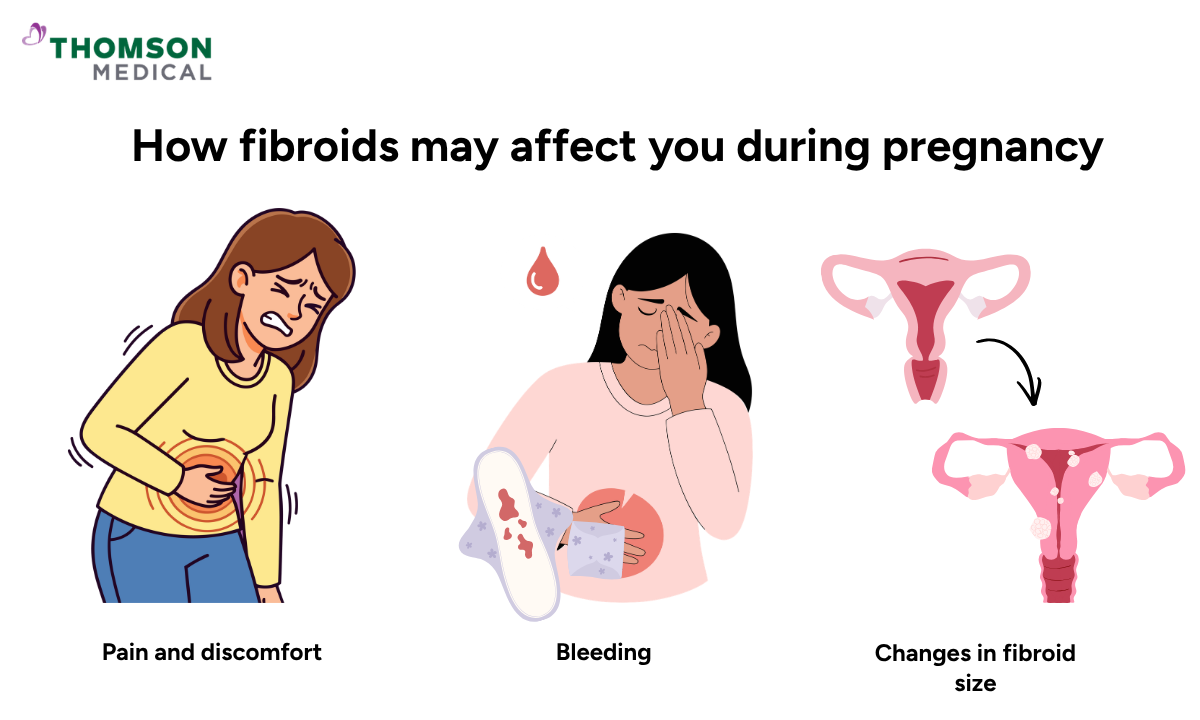
Fibroids do not affect every pregnancy in the same way. You may have no issues at all, or you may notice some symptoms that need closer monitoring.
Pain and discomfort
Some women with fibroids may feel pain during pregnancy, particularly in the first and second trimesters. This is often because hormone levels rise during these months, and fibroids may grow in response.
The discomfort can take different forms, including:
Pelvic pressure or heaviness
Back pain
One possible cause is fibroid degeneration (when a fibroid outgrows its blood supply). This can lead to sudden or sharp pain, which some women describe as similar to painful periods but more intense.
Fibroid degeneration is often managed with rest and pregnancy-safe pain relief, but sudden or severe pain should still be assessed so your doctor can rule out other causes.
Bleeding
Fibroids may slightly increase the chance of bleeding during pregnancy, especially in the earlier months.
You may notice:
Light spotting or bleeding in the first trimester
In rare cases, fibroids can also be linked to placental separation, which is when the placenta partly or fully detaches from the wall of the womb
Light spotting can happen in early pregnancy and may settle, but any bleeding during pregnancy should be discussed with your doctor or maternity unit, especially if it is heavy, painful, or persistent.
Changes in fibroid size
You may find that your fibroids behave differently once you become pregnant. Rising hormone levels, particularly oestrogen, can cause them to grow in the first trimester.
Some fibroids remain stable, while others may shrink later in pregnancy. Every pregnancy is different, and your doctor will monitor any changes through regular scans.
Regular antenatal check-ups are a good opportunity to discuss any questions about fibroids so you can feel supported and informed throughout your pregnancy. Request an appointment with Thomson Medical to receive individualised advice based on your condition and scan findings.
What pregnancy complications are possible?
.png?branch=production)
Most pregnancies with fibroids progress without major issues, and many women go on to carry their baby safely to full term. However, depending on the size, number, and location of your fibroids, there may be a slightly higher chance of certain complications.
Miscarriage
Fibroids that change the shape of the uterine cavity may be linked to a higher risk of miscarriage. Submucosal fibroids are the type most often associated with this. This doesn't mean it will happen to you, but your doctor may monitor your pregnancy more closely as a simple extra layer of care.
Preterm birth
Large or multiple fibroids may make the uterus more sensitive or leave less space for your baby to grow. In some cases, this can increase the risk of labour starting before 37 weeks.
Placental problems
The placenta is the organ that develops during pregnancy to supply your baby with oxygen and nutrients. Fibroids can sometimes affect where and how the placenta attaches in the uterus.
This may increase the risk of:
Placenta praevia (the placenta sits low in the womb)
Placental abruption (the placenta separates from the womb wall early)
If fibroids are large, multiple, or close to the placenta, your doctor may recommend additional growth scans.
These complications are not common, but they are more likely when a fibroid sits close to or behind the placenta. This is one of the reasons your placental position will be checked carefully during your pregnancy scans.
Your baby's position
Large fibroids can take up space inside the womb, which may make it harder for your baby to settle into a head-first position.
This can increase the chance of a breech position (bottom or feet first) or a transverse lie (lying sideways). If this happens, your doctor may discuss a caesarean delivery closer to your due date to keep both you and your baby safe.
After birth
Some women with fibroids have a slightly higher risk of heavier bleeding after delivery, known as postpartum haemorrhage (heavy bleeding after birth). This can happen because fibroids may affect how well the uterus tightens after birth, which is important for stopping bleeding.
Your doctor will monitor you closely after your baby is born, so anything unusual can be picked up and managed quickly.
How are fibroids managed during pregnancy?
Fibroids during pregnancy are regularly monitored as part of your routine care. Your doctor will track their size and position through scans and check whether they are affecting you or your baby.
Monitoring
Your doctor or midwife will monitor you closely throughout your pregnancy.
Depending on your situation, this may include:
Routine ultrasound scans to monitor your baby’s growth
Checks on fibroid size and position over time
Monitoring the position of your placenta
You may have more frequent appointments as your pregnancy progresses, especially if your fibroids are large or sit in a position that could affect your birth plan.
Managing pain
If you experience pain from fibroids during pregnancy, there are safe ways to help you feel more comfortable.
These may include:
Resting when you need to
Staying well hydrated
Paracetamol, taken as directed by your doctor
Hospital care for closer monitoring or stronger pain relief if needed
Pain from fibroid degeneration can feel intense, but it is usually not harmful to your baby. It usually settles over a few days, and most women find that rest and simple pain relief are enough.
Surgery during pregnancy
Surgery to remove fibroids during pregnancy is very uncommon and is usually avoided due to the risks involved.
It may only be considered in rare situations, such as:
Severe pain that does not improve with other treatment
A pedunculated fibroid that twists and loses its blood supply
A complication that poses a risk to your health
For most women, fibroids can be safely monitored and managed without surgery until after your baby is born.
When should you see a doctor?
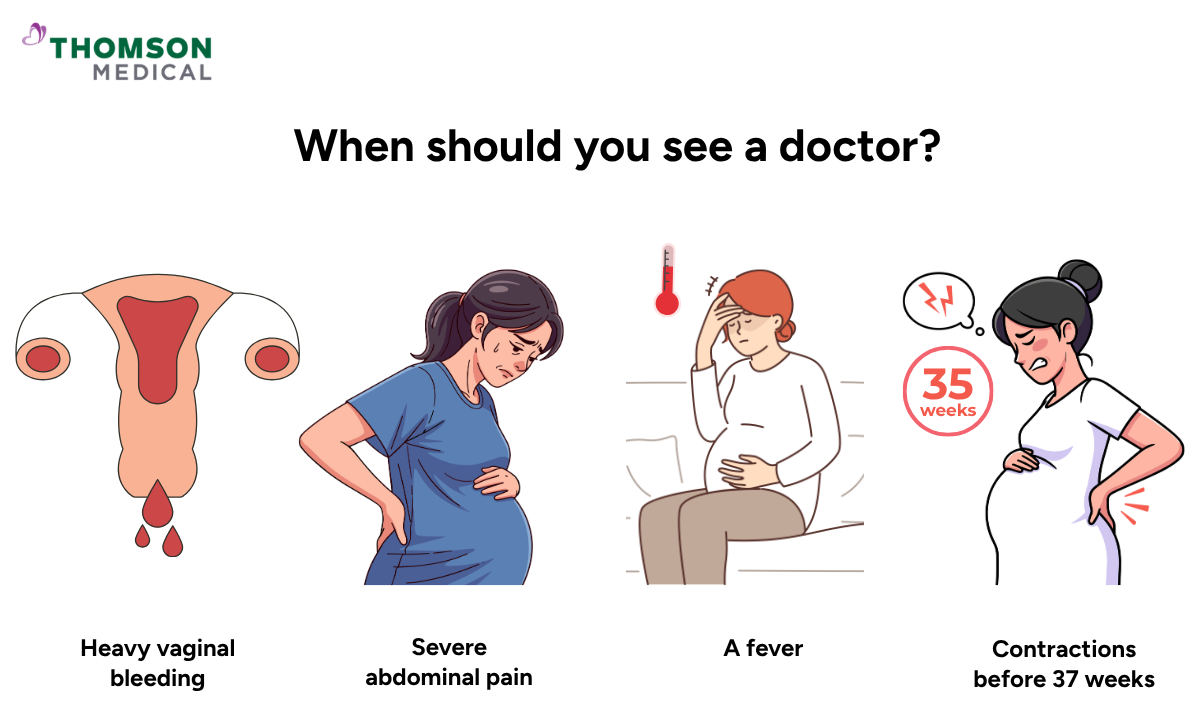
While your regular appointments allow your doctor to monitor your pregnancy, there are certain symptoms that should be checked without delay.
Get checked if you notice:
Heavy vaginal bleeding
Severe abdominal pain
A fever
Contractions before 37 weeks
Reduced movement from your baby
Reduced baby movement, in particular, should never be monitored at home. If you notice this, please contact your maternity unit straight away, at any time of day or night, rather than waiting for your next appointment.
These symptoms do not always mean something serious is wrong, but getting them checked early gives you peace of mind and allows your care team to act quickly if needed.
Having fibroids does not mean your pregnancy will be complicated. What matters most is staying informed and keeping an open conversation with your doctor throughout.
If you have fibroids and are planning to conceive or are already pregnant, speaking with your doctor can help you understand what they may mean for your situation. Request an appointment with Thomson Medical for specialist care and reassurance throughout your pregnancy.
FAQ
Can you get pregnant with fibroids?
Yes, many women with fibroids conceive naturally and go on to have healthy pregnancies. Whether your fibroids affect your fertility depends on their size, number, and location, which is something your doctor can help you understand based on your own situation.
Should fibroids be removed before pregnancy?
Not all fibroids need to be removed before you try to conceive. Fibroid removal (myomectomy) may be considered if your fibroids distort the uterine cavity, are linked to recurrent miscarriages, or appear to be affecting your fertility.
Do fibroids grow during pregnancy?
Fibroids may grow during pregnancy, particularly in the first trimester when hormone levels rise. However, not all fibroids grow, and some remain stable throughout pregnancy.
Can fibroids harm the baby?
In most cases, fibroids do not directly harm your baby. Any complications are usually linked to the size or position of the fibroid, such as leaving less space in the uterus or affecting where the placenta attaches, rather than the baby itself.
Must I deliver by caesarean if I have fibroids?
Not necessarily. Many women with fibroids can still have a vaginal birth. A caesarean may be recommended only if fibroids are large, obstruct the birth canal, affect your baby's position, or may raise the risk of complications during labour.
Can fibroids cause complications after delivery?
Yes, fibroids may increase the risk of complications such as postpartum haemorrhage (heavier than usual bleeding after birth), slower uterine recovery, or a more challenging recovery after a caesarean birth. Most women still recover well after delivery, with the right care and support from their team.
Will fibroids shrink after pregnancy?
Some fibroids do shrink after childbirth, as hormonal changes settle back down. Others may remain the same size or change very little over time.
The information provided is intended for general guidance only and should not be considered medical advice. For personalised recommendations and tailored advice based on your unique situations, please consult a specialist at Thomson Medical. Request an appointment with Thomson Medical today.
For more information, contact us:
Thomson Specialists (Women's Health)
Thomson Women's Clinic (TWC)
- Novena:
6592 6686 (Call), 8611 8986 (WA) - Bukit Batok:
6569 0668 (Call), 8686 3525 (WA) - Choa Chu Kang:
6893 1227 (Call), 8282 1796 (WA) Jurong:
6262 8588 (Call), 6262 8588 (WA)- Katong (female doctor):
6970 2272 (Call), 8611 9020 (WA) - Punggol:
6243 6843 (Call), 8811 0328 (WA) - Sembawang: 6753 5228
- Sengkang: 6388 8125
- Serangoon (female doctor): 6382 3313
- Tampines: 6857 6266
- Tiong Bahru: 6276 1525