

If you’ve been having persistent abdominal pain that disrupts your sleep or daily routine, you might be wondering whether to seek medical attention.
In many cases, abdominal pain is linked to common digestive issues and settles with rest and simple care. Still, some types of pain do need medical attention, especially if they persist or worsen.
Learning how to recognise warning signs, understand what different patterns of pain may suggest, and know when to seek help can protect your health and give you greater peace of mind.
What is abdominal pain?
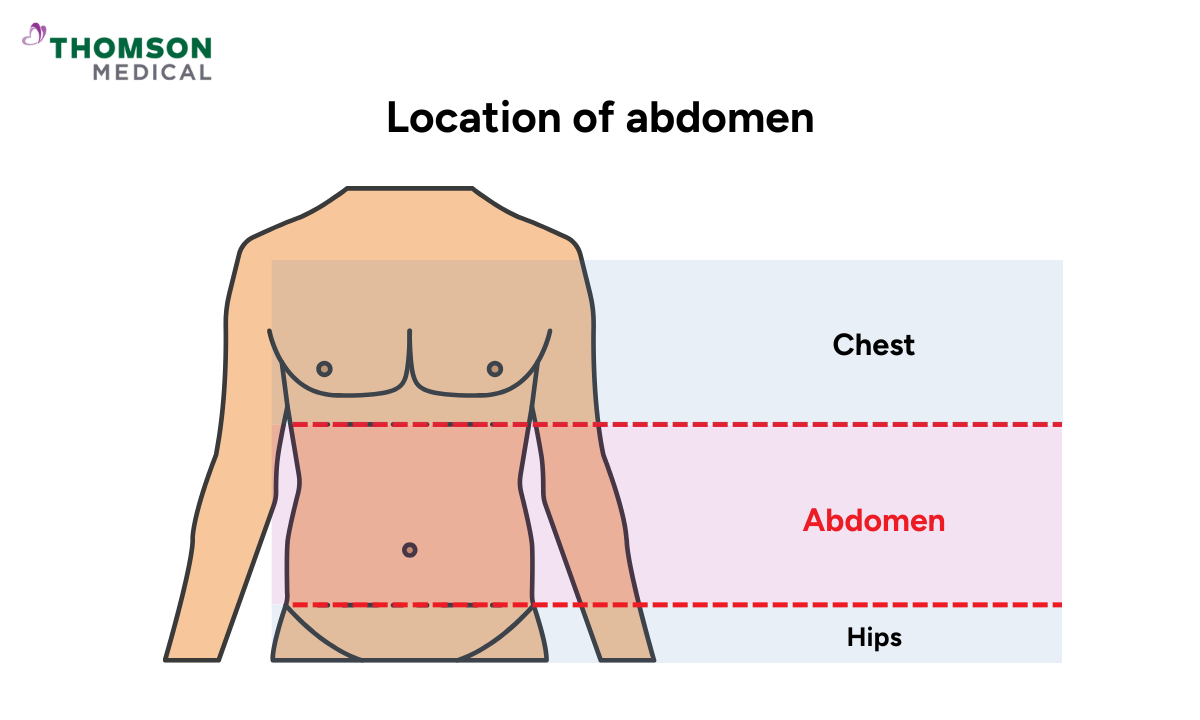
Abdominal pain is any discomfort you feel in your area between your chest and your hips. This is where your stomach, bowels, liver, and other digestive organs are located.
The pain can feel different depending on what's causing it.
You might experience pain that is:
Sharp and stabbing
Dull and constant aching
Cramping that comes and goes in waves
Burning sensation
Pressure or bloating
Knowing the type and location of your pain helps you communicate with your doctor and gives important clues about what might be causing it. This information guides the assessment and helps determine the most appropriate treatment.
If your pain comes on suddenly and feels severe, it’s important to get medical attention promptly. Pain that builds up slowly over days or weeks should also be checked, even if it feels milder to you.
Understanding where your pain is located
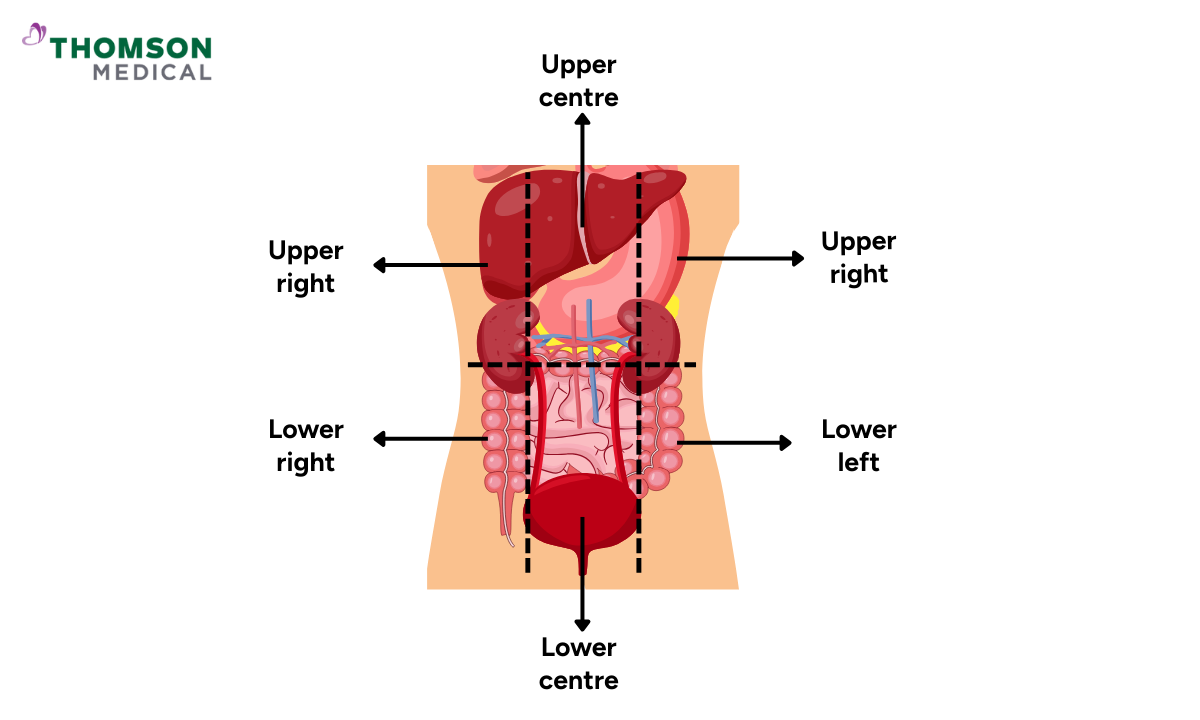
Different organs sit in different areas of your abdomen, so where you feel pain can point to which organ or system might be affected. Here's a guide to help you identify what might be causing pain in different areas:
Location | Organs | Typical causes |
Liver and gallbladder | Gallstones or liver conditions | |
Stomach and pancreas | Gastritis, ulcers, or pancreas problems | |
Upper left | Spleen and part of stomach | Spleen issues (less usual) |
Appendix and right ovary | Appendicitis, or ovarian problems | |
Bladder and reproductive organs | Urinary or gynaecological conditions | |
Part of colon and left ovary | Digestive or gynaecological issues | |
All over (diffuse) | Multiple organs | Widespread inflammation or infection |
When you visit a doctor, being able to describe where your pain is located and whether it moves or stays in one place helps them narrow down the possible causes and decide what tests or examinations you might need.
Our urgent care centre specialist
Loading...
Common causes that can usually improve at home
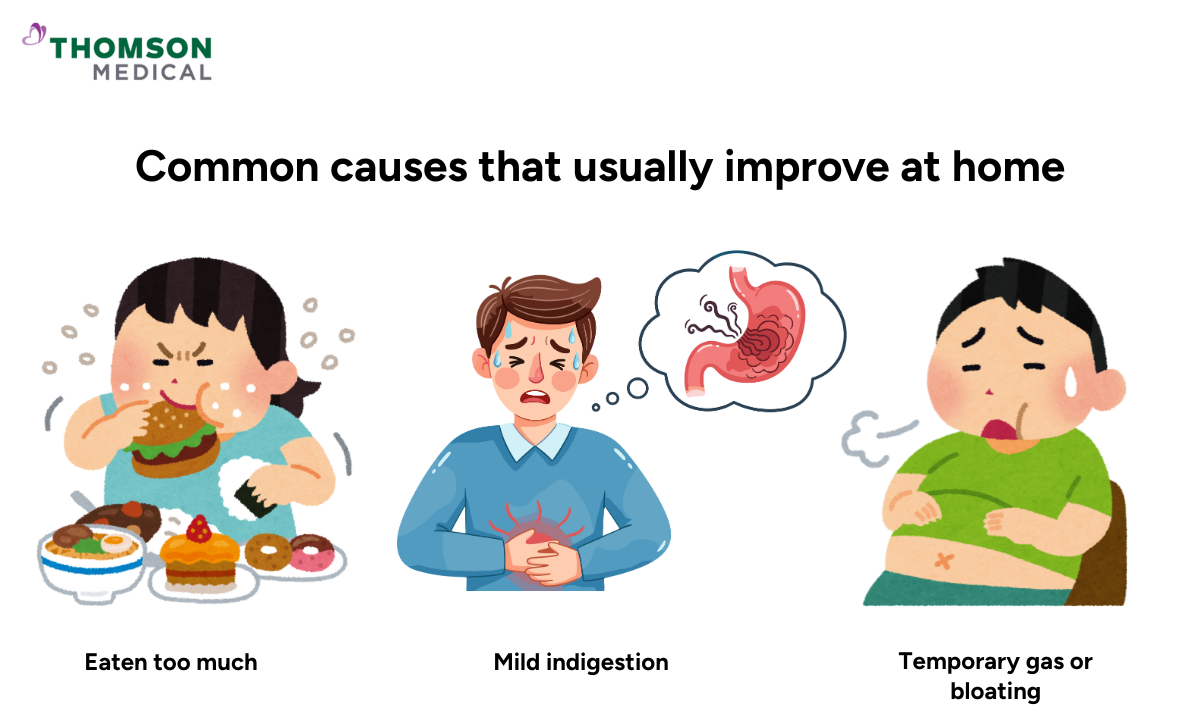
Not all abdominal pain needs medical treatment, and many cases settle on their own. If your pain is mild and you have a good sense of what's causing it, you can often manage it with simple measures at home.
Common examples that usually improve at home include:
When you've eaten too much or too quickly
Mild indigestion from fatty foods
Temporary gas or bloating that comes and goes
Minor stomach upset from dietary changes
If you're managing pain at home, try these steps:
Rest and avoid strenuous activity
Stay hydrated with water or clear fluids
Stick to bland, easy-to-digest foods like toast, rice, or crackers
Avoid foods that might trigger symptoms, like spicy, fatty, or acidic meals
Apply a hot water bottle to your abdomen for comfort
Most minor abdominal pain improves within a few hours to a day with these steps. If your pain persists beyond 24 hours, worsens, or you develop new symptoms, it's time to seek medical advice.
However, certain types of abdominal pain need medical assessment fairly quickly, even if they don't feel like emergencies. Urgent Care Centres (UCCs) bridge the gap between home care and emergency departments, allowing you to receive same-day assessment and treatment for conditions that need prompt attention but aren't life-threatening.

When abdominal pain needs urgent care
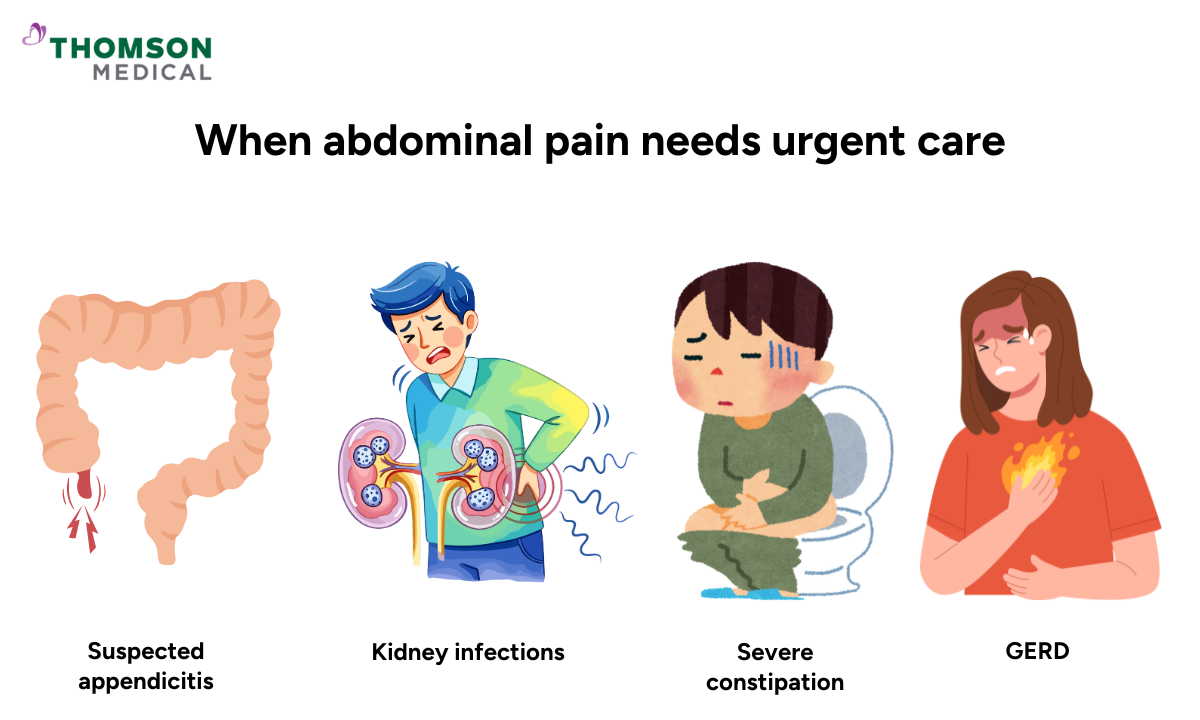
Here are specific conditions where prompt medical assessment at a UCC may be needed to help prevent complications:
Suspected appendicitis
Appendicitis occurs when your appendix becomes inflamed, usually due to a blockage. This inflammation causes the appendix to swell and, if left untreated, can rupture and spread infection throughout your abdomen. This is why immediate assessment is crucial, as early treatment can prevent serious complications.
Appendicitis usually starts as discomfort around your belly button that moves to your lower right abdomen. The pain worsens over hours and becomes sharper.
You might also notice:
Loss of appetite
Nausea or vomiting
Low-grade fever
Pain that worsens when you move or cough
Tenderness when touching the lower right side
During your evaluation, your doctor will examine your abdomen and may order blood tests to detect infection. You could also need imaging and, in certain cases, surgery in hospital. Getting treatment early helps prevent your appendix from rupturing.
Kidney infections or kidney stones
- Kidney infections occur when bacteria travel up your urinary tract to your kidneys, causing inflammation and pain.
- Kidney stones form when minerals in your urine crystallise into hard deposits.
Both conditions cause similar types of pain because they affect the same organs and can block the flow of urine.
Pain from kidney problems typically starts in your flank (the area between your lower ribs and your hip) before spreading to your lower abdomen. The pain can be intense and come in waves.
Watch for these symptoms:
Painful or frequent urination
Blood in your urine
Fever and chills
Nausea and vomiting
Cloudy or foul-smelling urine
At a UCC, you’ll need to provide a urine sample for testing, and your doctor may arrange imaging to check for stones. Treatment may include pain relief, antibiotics if needed, and a follow-up plan. Getting treatment early is important, as untreated kidney infections can cause serious complications.
Severe constipation
Many people experience constipation at times, but severe constipation can cause pain and may indicate a blockage in your bowel. When stool becomes too hard or builds up, it can stretch your intestines and cause cramping or sharp pain.
Warning signs include:
No bowel movement for several days despite trying remedies
Intense abdominal pain and bloating
Inability to pass wind
Vomiting
Abdominal swelling
Your doctor will examine your abdomen and may order an X-ray to check for blockages. You'll receive treatment to relieve the constipation, which might include medications or other interventions, along with advice about preventing future episodes.
GERD and persistent acid reflux
Gastro-oesophageal reflux disease (GERD) happens when stomach acid repeatedly moves up into your oesophagus, the tube that links your mouth and stomach. Over time, this acid can irritate and damage the lining of your oesophagus, causing pain and other complications.
Mild heartburn is common and usually manageable at home. But if you experience heartburn often, it’s important to see your doctor, as frequent episodes can cause damage to your oesophagus.
Consider urgent care if you experience:
Heartburn more than twice weekly
Difficulty swallowing
Persistent symptoms despite over-the-counter medication
Your doctor may adjust your medication or suggest further tests based on your symptoms. Getting care early can help prevent inflammation of your oesophagus and other complications.
Ongoing digestive problems
Ongoing digestive issues that don't improve on their own may indicate conditions like inflammatory bowel disease, ulcers, or other problems that need medical assessment. While these aren't always emergencies, getting them checked early can prevent them from worsening.
Consider seeking urgent care for digestive concerns when:
Abdominal pain or digestive discomfort lasts more than a week
You notice changes in your usual digestive function that don't improve
Pain or discomfort prevents you from normal activities
Symptoms that improve temporarily but keep coming back
The urgent care team will check you and may request tests such as blood work or imaging. Depending on the cause, your treatment could include prescriptions, dietary advice, or a specialist referral.
These conditions benefit from prompt assessment. UCCs can evaluate your symptoms, run necessary tests, and either provide treatment or arrange appropriate follow-up care, helping you avoid complications and get back to feeling better.
Our gastroenterology specialist in Singapore
Loading...
Gynaecological conditions
If you're a woman experiencing lower abdominal pain, the cause might be related to your reproductive system. Conditions like ovarian cysts, pelvic inflammatory disease, or endometriosis can feel similar to digestive problems but need different treatment.
You might notice:
Pain on one side of your lower abdomen
Pain that happens around the same time each month, often linked to your period
- Unusual vaginal discharge or bleeding
Pain during or after intercourse
Severe period pain that's worse than usual
Your doctor will assess whether your pain relates to a gynaecological condition. They may perform an examination, arrange blood tests or ultrasound scans, and provide treatment or specialist referral. Early evaluation is important, as some conditions can affect your fertility or cause complications if left untreated.
If there's any chance you could be pregnant and you're experiencing abdominal pain, especially with vaginal bleeding, you should seek immediate medical attention, as this could indicate an ectopic pregnancy.
Our O&G specialist
Loading...
Abdominal pain in children
Children experience stomach aches frequently, often from minor causes like constipation, viral infections, or dietary changes. Because children's bodies can be more sensitive than adults, it's important to assess their symptoms early.
Seek paediatric urgent care if your child has:
Severe pain lasting more than two hours
Pain concentrated in one specific area, particularly the lower right
Refusal of all food and fluids
Persistent vomiting
Fever alongside abdominal pain
Extreme tiredness or confusion
The urgent care team can assess your child through a gentle physical examination appropriate for their age, checking their abdomen for tenderness and asking questions about their symptoms. They'll provide care and determine whether your child needs specialist review.
When to seek follow-up care
Your urgent care visit may be just the first step in your healthcare journey. Some conditions need ongoing monitoring or specialist input to ensure complete recovery.
Consider seeking follow-up care when:
Your symptoms return after initial treatment
You've been given a referral to a specialist
You need ongoing management of a diagnosed condition
New symptoms develop after your urgent care visit
Your symptoms don't improve as expected
It’s helpful to save any records from your urgent care visit to show your regular doctor, so your ongoing care and treatment can be tailored to you.
Most abdominal pain either resolves on its own or responds well to treatment. When you need help, getting the right care at the right time makes all the difference. If something feels wrong or you're worried, seeking advice is always the right choice.

FAQ
What symptoms mean I should go to an urgent care centre?
Visit a UCC if:
Your abdominal pain lasts more than 24 hours
You have a fever above 38°C
You're vomiting
Can't keep fluids down for over 12 hours
You have painful urination with lower belly pain
You have had severe constipation for several days.
UCCs handle problems needing same-day care that aren't emergencies. For severe sudden pain, vomiting blood, or chest pain, go straight to A&E.
Can irritable bowel syndrome cause severe abdominal pain?
Yes, irritable bowel syndrome can cause significant stomach pain and cramping, though the intensity varies between individuals. The cramping abdominal pain typically improves after a bowel movement and may be accompanied by bloating, diarrhoea, or constipation.
How do I know if my stomach pain is related to inflammatory bowel disease?
Inflammatory bowel disease, including Crohn's disease and ulcerative colitis, typically causes persistent abdominal pain accompanied by bloody diarrhoea, weight loss, fatigue, and loss of appetite. Unlike temporary stomach aches, these symptoms persist for weeks or months and often worsen over time.
What's the difference between acid reflux and a peptic ulcer?
Acid reflux causes burning chest pain that rises from your stomach toward your throat, often after eating or lying down. A peptic ulcer causes localised burning pain in your upper abdomen that may improve or worsen with food and can lead to dark stools if bleeding occurs.
Both involve stomach acid but affect different areas of the digestive system and require different treatment approaches.
When should I go to the emergency department for abdominal pain?
Visit the emergency department immediately if you experience severe abdominal pain that starts suddenly, pain with vomiting blood or bloody stools, chest pain alongside stomach pain, signs of shock (rapid pulse, sweating, confusion), or suspected appendicitis or bowel obstruction.
How are food allergies different from lactose intolerance?
Food allergies trigger immune responses, causing abdominal pain, vomiting, hives, or difficulty breathing shortly after eating trigger foods, potentially requiring emergency treatment. Lactose intolerance causes stomach cramps, bloating, and diarrhoea specifically after consuming dairy products but isn't life-threatening.
The information is intended for general guidance only and should not be considered medical advice. For personalised recommendations and advice based on your unique situation, please consult a specialist at Thomson Medical. Request an appointment with Thomson Medical today.
For more information, contact us:
Thomson Medical 24-Hour Urgent Care Centre (Novena)
- Call: 6350 8812
Notice:
The range of services, vaccinations, and tests may vary. Please contact us directly to enquire about the current availability.
Request an Appointment