

Many women assume hormonal imbalance is what causes fibroids, but the relationship actually runs the other way: oestrogen and progesterone are what fuel fibroid growth.
So can fibroids cause hormonal imbalance in return, or are the symptoms you're noticing, like heavy bleeding, fatigue, and mood shifts, signs of something else happening in your body?
Understanding that connection, what signs to look for, and what options are available in Singapore is a useful place to start.
What are uterine fibroids?
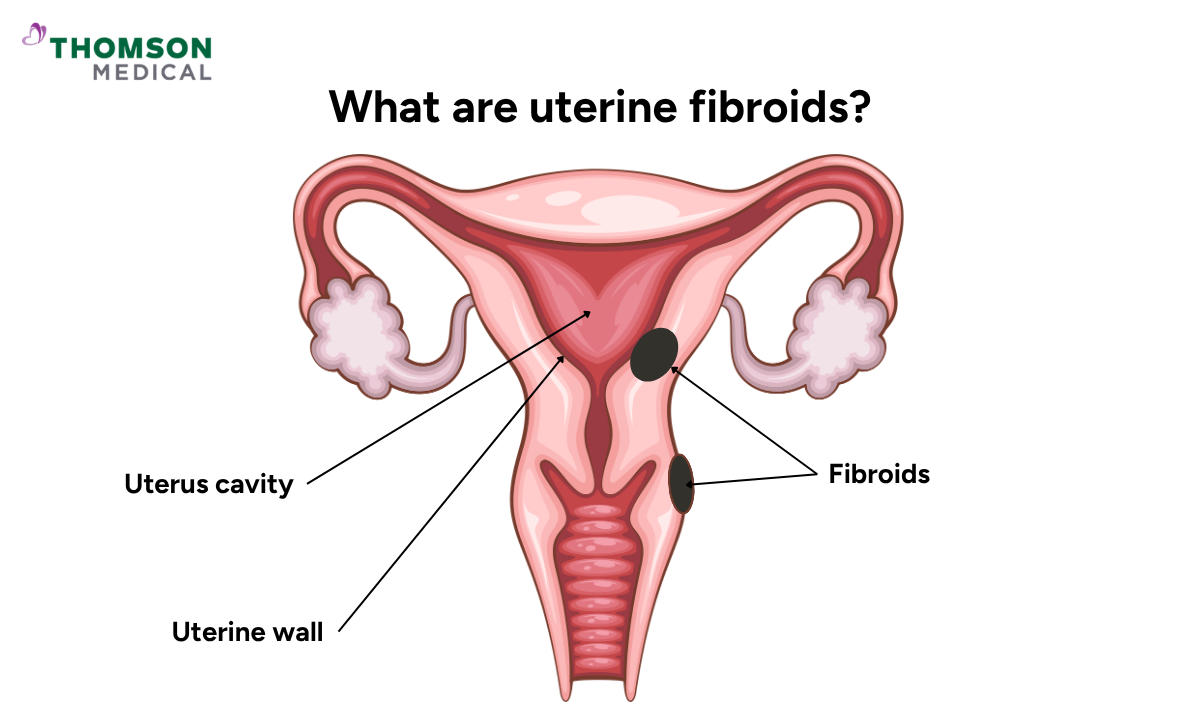
Uterine fibroids are benign (non-cancerous) growths that develop in the muscular wall of the uterus. They are made up of muscle and fibrous tissue. They are very common in women of reproductive age. Many women have them without ever knowing, because fibroids do not always cause symptoms.
When symptoms do appear, some of the most common things you might notice include:
Bladder or bowel changes, such as needing to urinate more frequently or feeling constipated
Pelvic pain, pressure, or discomfort
A feeling of fullness or swelling in the lower abdomen
Difficulty conceiving or staying pregnant
The symptoms you experience tend to depend on the size, number, and location of your fibroids, which is why two women with fibroids can have very different experiences.
How do fibroids and hormones interact?
Fibroids are sensitive to your hormones, particularly oestrogen and progesterone. These are the same hormones that rise and fall throughout your menstrual cycle, and their influence on fibroid growth and behaviour is significant.
Here is how this relationship works:
Oestrogen encourages fibroid growth:
Fibroid cells contain more oestrogen receptors than the surrounding uterine tissue, which means they respond more strongly to oestrogen and can enlarge over time.
Progesterone also has an effect:
It can stimulate fibroid growth by promoting cell division within fibroid tissue.
Some fibroid tissue can produce small amounts of oestrogen locally:
Some fibroid tissue may produce oestrogen locally within the fibroid environment, but this does not usually mean fibroids raise overall hormone levels in the body.
Fibroid tissue contains an enzyme called 'aromatase' (a substance that converts other hormones into oestrogen), which means fibroids can create their own localised hormonal environment that supports their continued growth.
Fibroids tend to shrink after menopause:
Once oestrogen and progesterone levels decline naturally, fibroids often reduce in size on their own.
This is why fibroids can change over time, growing when hormone levels are higher and often settling as those levels decline.
If you are noticing changes in your symptoms and wondering how hormones may be affecting your fibroids, request an appointment with Thomson Medical. Our specialist can assess your condition and guide you on suitable management options.
What are the signs of hormonal imbalance?
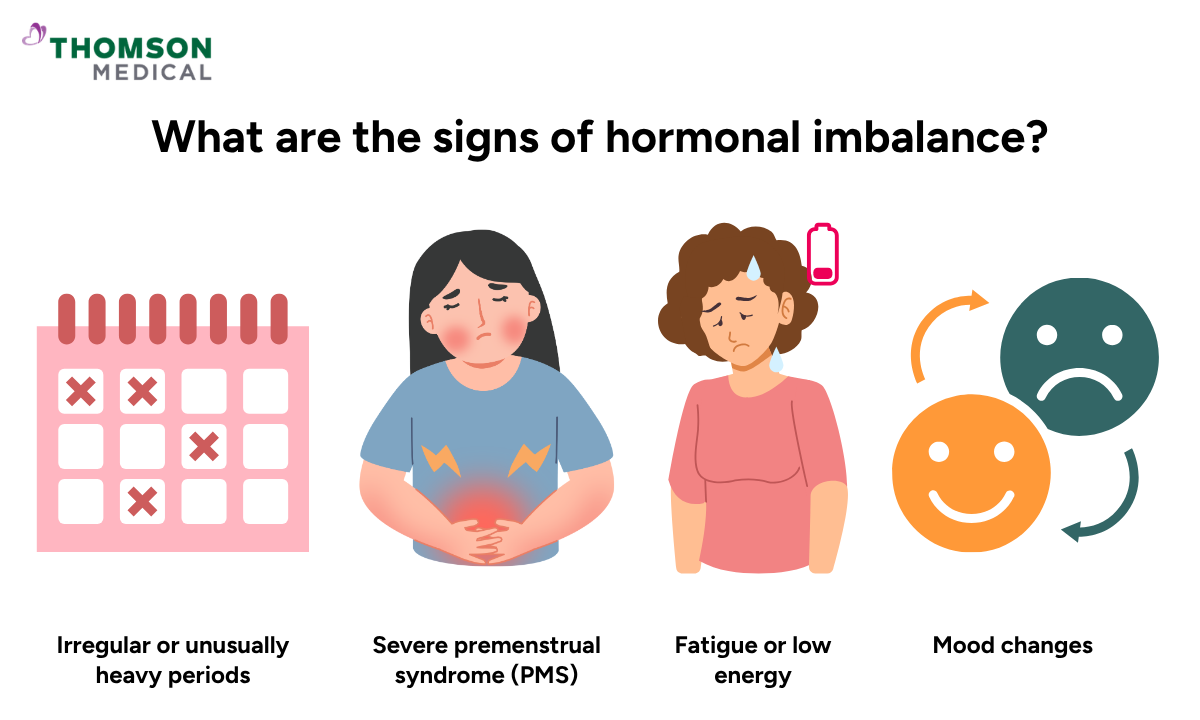
Because fibroids grow in response to hormones, they can make hormonal symptoms more noticeable or your cycle harder to manage.
Not everyone will notice all of these, but some of the changes you might experience include:
Irregular or unusually heavy periods
Prolonged bleeding lasting more than seven days
Severe premenstrual syndrome (PMS)
Fatigue or low energy, often linked to iron loss from heavy bleeding
Mood changes, such as irritability or low mood
Unexplained weight changes or difficulty losing weight
Changes in sex drive
These symptoms can have many possible causes, and they do not always point to fibroids alone. If you are experiencing several of them on a regular basis, speaking to your doctor is worth doing so they can investigate further and help you understand what is causing your symptoms.
Our gynaecologists
Loading...
How to manage fibroids and support your hormones
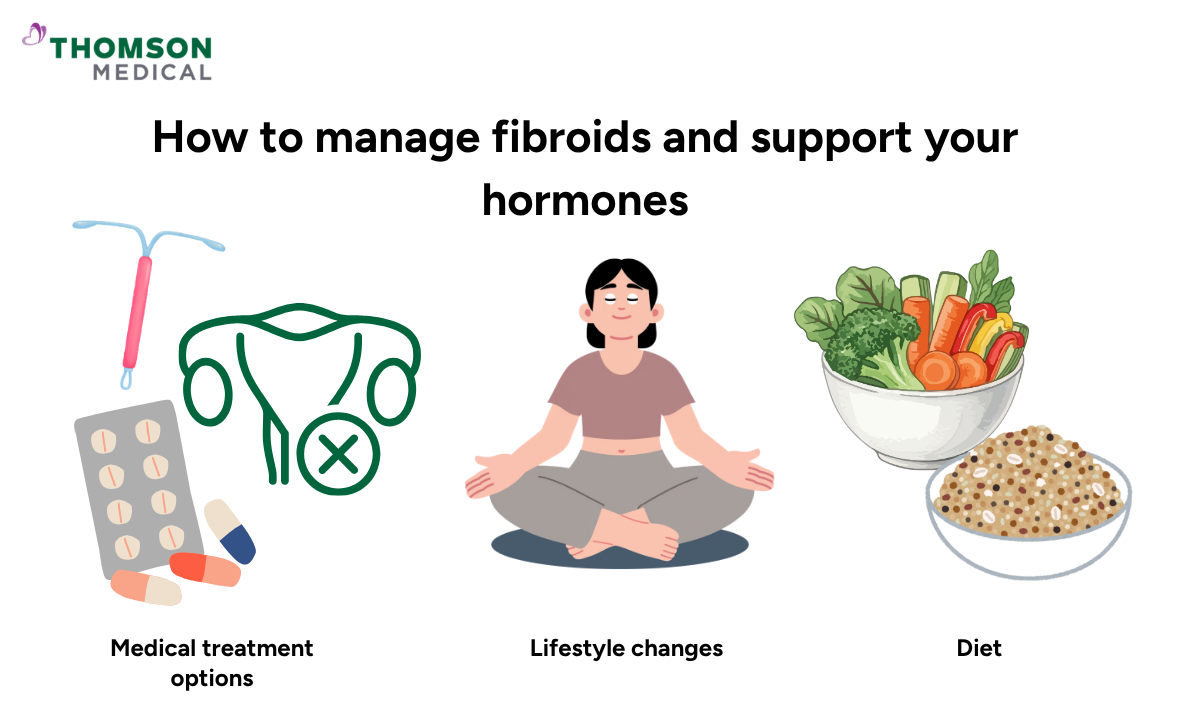
Treatment is not the same for every woman, and your doctor will consider your symptoms, the size and location of your fibroids, and whether you are hoping to have children in the future.
Medical treatment options
A range of medications and procedures can help manage fibroids and ease the hormonal effects that come with them.
Depending on your situation, your doctor may discuss one or more of the following:
Non-hormonal medications:
Tranexamic acid or anti-inflammatory medicines can help reduce heavy bleeding and ease period pain without altering your hormones.
Hormonal contraceptives:
The combined pill or a progestogen-releasing intrauterine device (IUD) can help reduce heavy bleeding and regulate your cycle.
GnRH agonists and antagonists:
These work by temporarily lowering oestrogen and progesterone levels, which may shrink fibroids. They are typically used for short periods, often in preparation for surgery.
Minimally invasive procedures:
Options such as uterine fibroid embolisation or focused ultrasound treatment can reduce fibroid size without the need for major surgery.
Surgery:
Myomectomy removes the fibroids while preserving the uterus.
Hysterectomy, which involves removal of the uterus, may be considered where symptoms are more severe and other treatments have not provided sufficient relief.
The list above moves broadly from least to most invasive. Your doctor will usually start with the options that carry the lowest risk and only consider more invasive treatments if symptoms are not adequately controlled.
Lifestyle changes
Alongside medical treatment, certain everyday habits may support your hormonal balance and help you feel more like yourself again.
These are not a replacement for medical care, but they can make a real difference to how you feel over time:
Regular exercise can help regulate hormones, support a healthy weight, and improve blood flow to the pelvis
Stress management such as yoga, gentle breathwork, or protecting your sleep can all help your body regulate hormones more effectively
Avoiding smoking and limiting alcohol may also help, as both can influence how your body processes oestrogen
You should note that lifestyle habits may support overall health and symptom management, but they cannot reliably shrink fibroids or correct an underlying hormonal condition on their own. The results tend to build gradually, so it is worth persisting even if changes are not obvious straight away.
Diet
You do not need to follow a strict or complicated diet, but the foods you choose can influence inflammation and hormonal balance over time
As a general guide, including the following in your meals regularly may help:
Fruits and vegetables, especially leafy greens and berries
Whole grains such as oats, brown rice, and wholemeal bread
Lean protein such as fish, legumes, and poultry
Healthy fats from sources like nuts, seeds, and oily fish
On the other hand, it may be worth reducing your intake of processed foods, refined sugars, sweetened drinks, and large amounts of red meat, as these have been linked to higher inflammation and may worsen your symptoms over time.
When should you see a doctor?
Noticing one or two of the symptoms mentioned earlier does not always mean something is seriously wrong.
However, please consider seeing your doctor if:
Your symptoms have been persistent or are getting worse over time
Heavy or prolonged bleeding is affecting your energy, mood, or daily life
You suspect you may be anaemic
Mood changes, low libido, or skin and hair changes are significantly affecting your well-being
You are planning a pregnancy or have been struggling to conceive
You experience any vaginal bleeding after the menopause
Speaking to your doctor about your symptoms means any underlying causes can be identified and the right care can be arranged for you.
If your symptoms are affecting your daily comfort or becoming harder to manage, consider speaking with a doctor. Request an appointment with Thomson Medical if you are finding it difficult to manage day-to-day activities. Our specialists can help provide a clear diagnosis and personalised treatment options.
FAQ
Are there any hormonal changes after fibroid removal?
After fibroid removal, most women experience minimal direct hormonal changes because fibroids themselves do not produce hormones.
However, in some cases, procedures that affect surrounding structures or blood supply may cause temporary fluctuations. Overall, systemic hormone levels usually remain stable, though many women notice improved menstrual patterns and reduced symptoms.
What happens if fibroids are left untreated?
The outcome varies depending on the size, number, and location of fibroids. Many small fibroids remain stable and cause no symptoms, requiring only monitoring.
However, untreated symptomatic fibroids may lead to heavy bleeding, anaemia, pelvic pain or pressure, urinary or bowel issues, and fertility challenges. Rare complications such as fibroid degeneration or rapid growth can also occur.
What tests can detect hormonal imbalance?
Hormonal imbalance is usually assessed through blood tests measuring hormones such as oestrogen, progesterone, luteinising hormone (LH), follicle-stimulating hormone (FSH), testosterone, and thyroid hormones.
Your doctors may also review menstrual history, ovulation patterns, and symptoms. In some cases, imaging such as ultrasound may be used to evaluate related conditions like PCOS.
Can removing fibroids restore hormone balance?
Removing fibroids does not directly restore hormone balance because fibroids do not produce hormones. However, treatment can improve symptoms such as heavy bleeding and pelvic discomfort, which may indirectly support more regular menstrual cycles and overall hormonal stability.
Should I see a gynaecologist for hormonal imbalance?
Yes, it is advisable to see a gynaecologist if you experience irregular periods, heavy bleeding, severe PMS, fertility issues, or other signs of hormonal imbalance. Your specialist can identify the underlying cause and recommend appropriate treatment or management strategies.
How do I know if my fibroids are getting worse?
Fibroids may be progressing if they increase in size or number, or if symptoms become more severe. Signs include heavier or longer periods, worsening pelvic pain or pressure, urinary or bowel changes, bloating, and abdominal enlargement. Regular imaging such as ultrasound or MRI helps monitor changes over time.
The information provided is intended for general guidance only and should not be considered medical advice. For personalised recommendations and tailored advice based on your unique situations, please consult a specialist at Thomson Medical. Request an appointment with Thomson Medical today.
For more information, contact us:
Thomson Specialists (Women's Health)
Thomson Women's Clinic (TWC)
- Novena:
6592 6686 (Call), 8611 8986 (WA) - Bukit Batok:
6569 0668 (Call), 8686 3525 (WA) - Choa Chu Kang:
6893 1227 (Call), 8282 1796 (WA) Jurong:
6262 8588 (Call), 6262 8588 (WA)- Katong (female doctor):
6970 2272 (Call), 8611 9020 (WA) - Punggol:
6243 6843 (Call), 8811 0328 (WA) - Sembawang: 6753 5228
- Sengkang: 6388 8125
- Serangoon (female doctor): 6382 3313
- Tampines: 6857 6266
- Tiong Bahru: 6276 1525