

A hysterectomy, the surgical removal of the uterus, removes the tissue where endometrial cancer begins. That’s why it comes up in two very different conversations: as treatment when endometrial cancer is diagnosed and as risk-reducing surgery for women with a condition such as lynch syndrome may be a risk.
Here’s what a hysterectomy involves, how the different types vary in what’s removed, and whether endometrial cancer can still occur after a hysterectomy.
What is endometrial cancer?
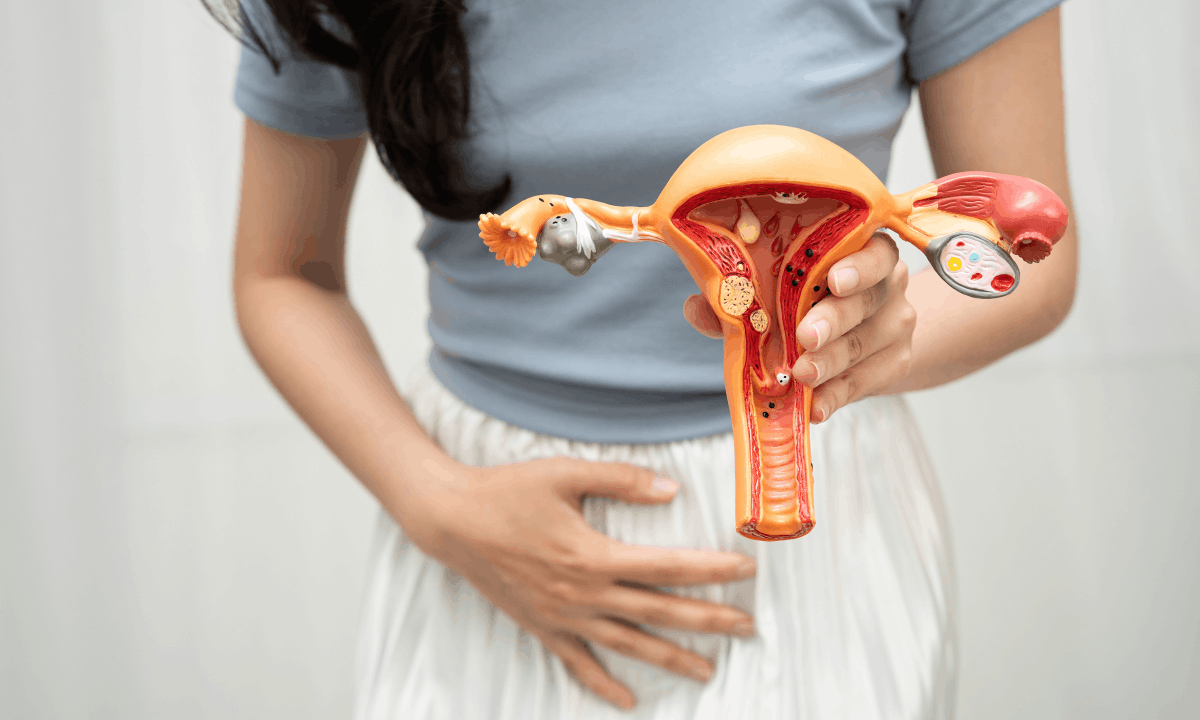
Endometrial cancer is a type of gynaecological cancer that develops in the endometrium, or inner lining of the uterus (womb), which is the most common type of uterine cancer. This uterine cancer develops when healthy cells in the lining of the womb undergo DNA changes that trigger them to divide at an abnormal rate.
Instead of dying naturally, these abnormal cells accumulate and clump together to form a tumour. If left untreated, these cancer cells may eventually invade surrounding healthy tissue or spread to other parts of the body.
Some endometrial cancers develop from atypical endometrial hyperplasia, which is a precancerous thickening of the uterine lining often linked to unopposed oestrogen (a condition that occurs when oestrogen is not balanced by progesterone) exposure.
What is a hysterectomy?
A hysterectomy is a surgical procedure to remove the womb and other organs, such as the cervix (the lower part of the womb), ovaries, and fallopian tubes, depending on your condition. Doctors may recommend a hysterectomy to treat endometrial cancer and, in certain cases, as a preventive measure.
This surgical procedure is usually performed if you have a high-risk condition such as:
A family history of endometrial cancer.
Being considered by your doctor to be at high risk of endometrial cancer.
Lynch syndrome (an inherited genetic abnormality that significantly increases the risk of developing cancer).
Depending on the surgical plan, your doctor may also remove your cervix and fallopian tubes during the same procedure or in a separate operation.
Could you get endometrial cancer after a hysterectomy?
If you have been recommended to undergo a hysterectomy, it is understandable if you are wondering whether the procedure will eliminate the risk of endometrial cancer. However, whether or not you develop endometrial cancer after a hysterectomy actually depends on the type of surgery you had.
If your womb was removed for reasons other than cancer, your risk of endometrial cancer is relatively low.
If your womb was removed as part of cancer treatment, there is a possibility that small cancer cells had already spread beyond the womb before surgery. In this case, there may be a risk of recurring cancer.
If only part of your womb was removed, there may be a small ongoing risk of endometrial cancer developing in the remaining tissue.
What are the types of hysterectomy?
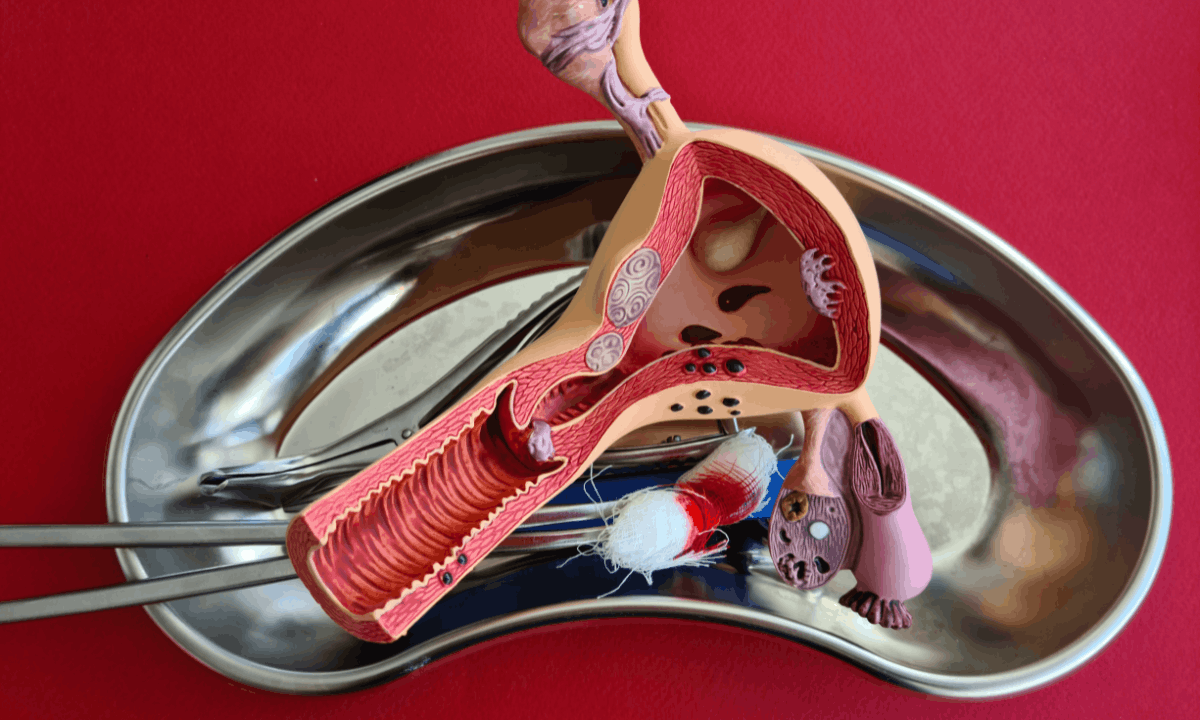
There are several types of hysterectomy. Knowing each type and which organ is being removed may help you to consider which one is right for you.
Total hysterectomy
Total hysterectomy is a surgical procedure when your doctor removes your womb and cervix. This procedure is common for early-stage endometrial cancer. Because the entire womb is removed, a total hysterectomy may help reduce the risk of endometrial cancer.
Supracervical hysterectomy
A supracervical hysterectomy, or a partial hysterectomy, removes the upper part of the womb but leaves the cervix in place. However, it does not lower endometrial cancer risk as effectively as a total hysterectomy because some uterine tissue could remain, which carries a small risk of cancer.
Total hysterectomy with bilateral salpingo-oophorectomy
A total hysterectomy with bilateral salpingo-oophorectomy (TAH-BSO) is similar to a total hysterectomy. However, instead of only removing your womb and cervix, your doctor will also remove both of your fallopian tubes and ovaries. TAH-BSO may be used as a risk-reducing surgery in people with high hereditary risk.
Radical hysterectomy with bilateral salpingo-oophorectomy
A radical hysterectomy with bilateral salpingo-oophorectomy removes the womb, cervix, both fallopian tubes, both ovaries, and nearby tissue. It may also remove part of the vagina and lymph nodes (a small organ that filters body fluids, stores white blood cells, and maintains the immune system). Doctors usually perform this procedure to treat endometrial cancer rather than to reduce the risk of endometrial cancer.
If you are unsure which type of hysterectomy is right for you, schedule an appointment with Thomson Women's Clinic & Cancer Surgery. A gynaecological oncologist could help provide an overview of your condition and provide recommendations on the appropriate hysterectomy types for you.
Women's cancer specialist
Loading...
What are the risks of hysterectomy?
Although hysterectomy is generally safe, like any major surgery, there are several risks that you should be aware of. The most common short-term risks are:
Bleeding
Infection
Blood clots
Injury to the bladder, bowel, or ureter
Problems related to anaesthesia
Additionally, there are also some long-term risks that your doctor may discuss before the surgery. These risks include:
Cardiovascular disease, such as stroke, heart failure, and hypertension
Obesity and metabolic changes, especially when done at a younger age
Cost of hysterectomy in Singapore
Costs for hysterectomy in Singapore vary depending on whether you choose a public or private hospital and what type of hysterectomy procedure you get.
The Ministry of Health covers hysterectomy expenses under procedure codes (TOSP) SI825U, SI827U, and SI830U, with costs ranging from around SGD 6,000 to 20,000 depending on the ward type and whether it is subsidised or not.
Meanwhile, for hysterectomies in private hospitals, costs could be around SGD 25,800 and 53,340 depending on the type of procedure and complexity of the procedure.
However, additional charges may arise from expenses such as pre-surgery consultations, imaging tests like X-rays or CT scans, medications, and post-surgery follow-up appointments.
Insurance
Singapore residents may be able to use MediSave, MediShield Life, and Integrated Shield Plans to help cover part of the costs. Coverage varies by plan, procedure, and eligibility, so it’s best to check with your insurer and healthcare team.
Please note that these are estimated costs based on the information available at the time of writing (August 2026), and they may have changed since then. These costs may also vary depending on the required treatment, hospital, and location of care.
If you are considering treatment, please contact our medical concierge team at Thomson Medical, who could discuss your specific situation with you and provide personalised cost guidance.
How to recover post-hysterectomy

After undergoing a hysterectomy, there are several activities that may help you recover. These include:
Light physical activity, such as walking short distances
Take pain medicine as prescribed
Drink enough water
Eat light and nutritious meals
Use a stool softener if you have constipation
Avoid heavy lifting or exercise and intercourse until your doctor says it is safe
Keep your wound clean and dry and avoid soaking in baths, pools, or hot tubs until the wound heals
Non‑surgical approach to lower endometrial cancer risk
In addition to surgical procedures such as a hysterectomy, there are several non-surgical options available to help reduce the risk of endometrial cancer. These include:
Oral contraceptive pills
Oral contraceptive pills, particularly combined pills that contain both oestrogen and progestin, may help lower your risk of endometrial cancer by changing your body's hormonal balance.
These pills also suppress ovulation and reduce the natural swings in oestrogen production from your ovaries, which makes your womb lining thinner and more stable.
Intrauterine contraceptive devices
Intrauterine devices (IUDs) may help to lower your risk of developing this gynaecological cancer by changing the biological and hormonal environment inside your womb. How well this protection works depends on the type of device used.
Hormonal IUDs release a steady, local dose of progestin directly into the womb, which could help prevent the growth of abnormal cells caused by oestrogen.
On the other hand, non-hormonal copper IUDs work differently. The copper triggers a localised inflammatory and immune response in the womb that may change the local environment there. It could be associated with a lower risk of endometrial cancer, but the evidence is not as strong or consistent as for hormonal IUDs.
If you are unsure whether a non-surgical approach is suitable for your condition, you may consider consulting a gynaecological oncologist, who could advise you on the most appropriate treatment. Schedule an appointment at Thomson Women's Clinic & Cancer Surgery today.
FAQ
Can endometrial cancer spread after a hysterectomy?
Yes. It can still spread if the cancer cells had already spread outside the womb before surgery or if a small amount of cancer remains after surgery.
After a hysterectomy, endometrial cancer may recur in nearby lymph nodes, the vagina, the pelvis, and more distant organs, such as the lungs, depending on the stage and extent of the cancer.
What hysterectomy methods do doctors perform?
When your doctor performs a hysterectomy, they may use one of these several methods.
- Abdominal hysterectomy:
- An abdominal hysterectomy removes the uterus through a larger cut in the lower abdomen. Abdominal hysterectomy is the traditional open approach and may be used when the womb is enlarged or when your doctor needs more space to access the womb.
- Vaginal hysterectomy:
- A vaginal hysterectomy is a way to remove the womb through the vagina, with no abdominal cuts. It is considered a minimally invasive hysterectomy. Vaginal hysterectomy is often used for uterine prolapse.
- Laparoscopic hysterectomy:
- A laparoscopic hysterectomy is a minimally invasive surgery to remove the womb using a laparoscope (a long and thin tube with a light and camera to view organs in the abdomen or pelvis through small incisions) and a few small cuts in the abdomen.
- Similar to vaginal hysterectomy, laparoscopic hysterectomy is also considered minimally invasive hysterectomy. This method usually causes less pain and less bleeding than an abdominal hysterectomy.
How long will it take you to recover after a hysterectomy?
The recovery time after a hysterectomy can depend on the method used by your doctor. Recovery after an abdominal hysterectomy generally takes about 4 to 8 weeks, depending on your condition and your type of surgery.
Meanwhile, when you have a vaginal hysterectomy, you can recover faster than with an abdominal hysterectomy. With this approach you can fully recover in about 3 to 4 weeks. Additionally, after you undergo a laparoscopic hysterectomy, you usually will heal in about 2 to 4 weeks.
Do you need chemo after a hysterectomy for endometrial cancer?
You will need chemotherapy after a hysterectomy if the cancer is at higher risk (such as serous or carcinoma subtypes), if it is stage III or IV (where cancer has spread to the lymph nodes or beyond the pelvis), or if there is a suspicion that cancer cells remain after surgery.
How long between hysterectomy and chemo?
You will have chemotherapy, usually about 4 to 6 weeks after surgery, once the incision and stitches above the vagina are healed and the oncology team confirms it is safe to start.
When should I see my doctor if I have had a hysterectomy?
You should see your doctor after a hysterectomy if you have a fever, heavy vaginal bleeding, worsening pain, foul-smelling discharge, trouble urinating, chest pain, shortness of breath, or signs of a blood clot, such as leg swelling or redness.
The information provided is intended for general guidance only and should not be considered medical advice. For personalised advice based on your unique conditions, schedule an appointment with Thomson Medical.
References:
Beining, R. M., Dennis, L. K., Smith, E. M., & Dokras, A. (2008). Meta-analysis of intrauterine device use and risk of endometrial cancer. Annals of epidemiology, 18(6), 492-499. https://doi.org/10.1016/j.annepidem.2007.11.011
For more information, contact us:
Thomson Medical Concierge
- 8.30am - 5.30pm
- WhatsApp: 9147 2051
Need help finding the right specialist or booking for a group?
Our Medical Concierge is here to help you. Simply fill in our form, and we'll check and connect you with the right specialist promptly.
Notice:
The range of services may vary between Thomson clinic locations. Please contact your preferred branch directly to enquire about the current availability.
Get In Touch