
.png%3Fbranch%3Dprod&w=3840&q=75)
If your fertility specialist has recommended transferring two embryos during IVF, it’s natural to wonder whether both could implant and result in twins. For some couples, that’s the hoped-for outcome, and for others, it’s the part that gives them pause.
Here’s what a double transfer means for your chances of twins, what a twin pregnancy involves medically, and what your fertility specialist will weigh up with you when deciding how many embryos to transfer.
What are IVF twins?
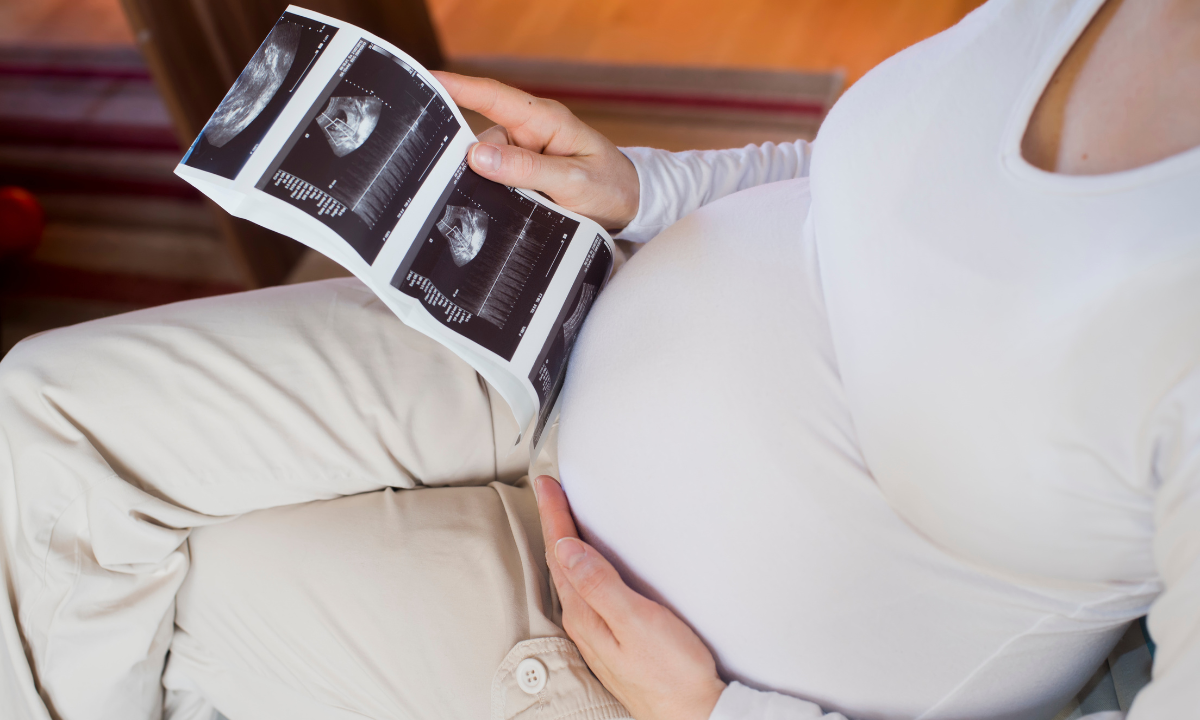
During IVF treatment, if two embryos are transferred and both implant, this may result in a twin pregnancy. However, a twin pregnancy may also occur if a single transferred embryo divides into two embryos after implantation. Based on how the twins develop, twin pregnancies could be categorised into two types:
Fraternal twins
Fraternal twins, also known as dizygotic twins, develop when two separate eggs are fertilised by two different sperm, resulting in two embryos. During IVF, this could happen when more than one embryo is transferred and both implant in the uterus. Therefore, they may be the same or different gender and may have different physical characteristics.
Identical twins
Identical twins, also known as monozygotic twins, develop when a single embryo splits into two during the early stages of development. As they originate from the same fertilised egg, they share very similar genetic make-up and are usually the same gender. This type of twins may occur even after a single embryo transfer, as embryo splitting is not directly determined by the number of embryos transferred.
What is the chance of twins with 2 embryos transferred?
A 2-embryo transfer, also known as a double embryo transfer (DET), means transferring two embryos into the uterus during an IVF cycle. If both embryos implant and continue to develop, this may lead to a twin pregnancy.
A study on IVF and twin pregnancies found that transferring two embryos may increase the chance of a twin pregnancy, with rates of around 25% in women under 35 and 9% in women over 35. When two separate embryos both implant and develop, the pregnancy will usually result in fraternal twins.
However, the chance of having twins after IVF may vary depending on factors such as age, embryo quality, and other factors. Your fertility specialist could assess these factors and discuss the potential benefits and risks of transferring one or two embryos based on your individual circumstances.
What factors may affect the chance of twins after IVF?
.png?branch=production)
While the number of embryos transferred is one of the main factors affecting the chance of a twin pregnancy, it does not guarantee that both embryos will implant. There are several other factors that may influence your chances of having a twin pregnancy through IVF, such as:
Maternal age:
Since age may affect an embryo’s ability to implant, younger women generally have higher implantation rates, which increases the likelihood of both transferred embryos implanting.
Embryo quality:
During a double embryo transfer, the likelihood of a twin pregnancy may be higher when both transferred embryos have a more favourable quality for implantation and continue to develop in the uterus.
Uterine lining health:
The condition of the inner lining of the uterus could affect the embryo implantation process. Your fertility specialist may assess your endometrial lining to check whether it is adequately prepared for embryo transfer.
Previous IVF treatment:
Your previous IVF treatment and outcomes may help your fertility specialist plan your next embryo transfer.
They may consider factors such as whether an embryo implanted previously, your pregnancy outcomes, the number and quality of embryos available, and how you responded to treatment.
If you are considering IVF and want to understand what factors may increase the chance of having twins after embryo transfer, speak with an O&G doctor for advice based on your individual circumstances. Schedule an appointment with Thomson Medical.
Our fertility doctors in Singapore
Loading...
What are the possible complications of an IVF twin pregnancy?
A twin pregnancy may carry a higher risk of complications than a pregnancy with a single baby. This is because carrying two babies places greater physical demands on the mother and may increase the likelihood of certain pregnancy and delivery complications. The risk of complications is not only affecting the mother but may also affect the baby.
Complication risks to the mother
Some possible complications may include:
Pre-eclampsia:
Twin pregnancies may increase the risk of pre-eclampsia, a condition that causes high blood pressure and may affect the function of organs such as the kidneys and liver.
Gestational diabetes:
Carrying twins increases the likelihood of developing gestational diabetes, which is characterised by high blood sugar levels that develop during pregnancy.
Caesarean delivery:
Twin pregnancies are more likely to require a caesarean section (C-section), particularly if there are concerns about the babies’ position, growth or wellbeing during pregnancy or labour.
While a C-section may be an appropriate way to deliver the babies when needed, it is a surgical procedure and carries risks such as infection, bleeding, blood clots and reactions to anaesthesia.
Heavy bleeding after delivery:
The risk of postpartum haemorrhage (heavy bleeding after giving birth) is higher with a twin pregnancy. This may be because the uterus would have stretched more than usual and may not contract properly afterwards.
Complication risks to the baby
.png?branch=production)
The potential complication risks may include:
Preterm birth:
Twin pregnancies have a higher chance of babies being born before 37 weeks of pregnancy, which is also known as premature birth.
Babies born early may not be fully developed yet, which may increase the risk of breathing, feeding, and other health problems after birth.
Therefore, they may require additional care and monitoring in a neonatal intensive care unit (NICU).
Low birth weight:
Twins may have a lower birth weight because they share the space and nutrients available in the uterus, which may affect their growth during pregnancy.
Babies with a low birth weight may need closer monitoring after birth to check their growth, feeding, and overall health.
Twin-to-twin transfusion syndrome (TTTS):
This is a complication that may occur in identical twins who share the same placenta, the organ that provides oxygen and nutrients to the babies.
In this condition, blood may flow unevenly between the twins, causing one baby to receive too much blood and the other too little.
Foetal growth restriction:
This means that one or both babies may grow more slowly than expected during pregnancy. This means they may be smaller than expected for their pregnancy age and require closer monitoring.
What could you do to help manage a twin pregnancy?
As a twin pregnancy carries a higher risk of certain complications, there are several steps a mother may take to help manage these risks and support your health and your baby’s well-being. These steps include:
Attend regular antenatal appointments:
Twin pregnancies usually require more frequent antenatal appointments and ultrasound scans than singleton pregnancies.
Your doctor may monitor your babies’ growth, heart rates, amniotic fluid levels, and placental development to identify any concerns early.
Attend your scheduled appointments, take any prescribed medicines or supplements as directed, and speak with your doctor if you experience any concerning symptoms or changes.
Maintain a balanced diet:
Having a twin pregnancy increases your nutritional needs, so it is important to maintain a balanced diet with sufficient protein, iron, calcium, folate, and other nutrients to support your health and your babies’ growth.
Your doctor may also recommend prenatal vitamins or supplements based on your individual needs.
Adjust your physical activity:
Staying physically active may be beneficial during pregnancy, but the type and amount of exercise should be appropriate for your health and how your twin pregnancy is progressing.
Your doctor may recommend light to moderate activities, such as walking or swimming, and advise you to avoid strenuous exercise if there are any concerns or complications.
Plan for delivery with your doctor:
Your doctor will discuss your delivery options and timing based on factors such as your baby's positions, growth, placental arrangement, and your health.
Although some twin pregnancies may be delivered vaginally, a caesarean birth may be recommended in certain circumstances.
Planning ahead allows your healthcare team to prepare for the delivery approach that is appropriate for you and your babies.
If you want to know how to manage your IVF twin pregnancy and monitor your health and your babies’ development, speak with an O&G doctor for advice based on your individual circumstances. Schedule an appointment with Thomson Medical.
FAQ
Can you request a twin pregnancy through IVF?
You could discuss your preference for having twins with your fertility specialist, but a twin pregnancy cannot be guaranteed. Your doctor will consider your individual circumstances when deciding whether transferring two embryos is appropriate, as twin pregnancies carry higher risks for both the mother and babies.
But if you are considering a double embryo transfer because you would like twins, let your fertility specialist know. They could explain the potential risks and help you understand which embryo transfer approach may be suitable for you.
What happens if one embryo implants and the other does not?
If two embryos are transferred but only one implants, the pregnancy will usually continue as a single baby pregnancy. This is because the embryo that does not implant will not develop into a pregnancy, allowing the other embryo to develop normally.
Your fertility team will use follow-up blood tests and ultrasound scans to monitor how the pregnancy is progressing.
Is it possible to choose your baby's gender with IVF?
You could not choose your baby's gender with IVF because the treatment helps fertilise an egg with sperm to create an embryo, which is then transferred into the uterus. The gender of the baby is determined naturally during fertilisation, and IVF could not control the resulting baby's gender.
Will IVF increase the risk of birth conditions in my baby?
All pregnancies carry a small risk of conditions that affect a baby from birth, regardless of whether conception occurs naturally or through fertility treatment. In some cases, couples undergoing IVF may have a slightly higher risk because of factors such as maternal age, existing health problems, or fertility-related issues, rather than the IVF treatment itself.
If there are known inherited conditions in your family or concerns about sperm quality, your fertility specialist may recommend genetic counselling or prenatal tests to help you understand any risks and discuss your options.
The information provided is intended for general guidance only and should not be considered medical advice. For personalised advice based on your conditions, schedule a consultation with Thomson Medical.
For more information, contact us:
Thomson Fertility Centre
- Paragon: 6252 7766
- Novena: 6399 3758, 8811 0358 (WA)