

During your routine check-ups your doctor may mention terms like "laparoscopy" or "hysteroscopy", you might be wondering what these terms mean and why one may be recommended over the other.
These women's health medical term may confuse you and might make your feel unsure about a medical procedure, while this is completely normal, taking the time to understand how these minimally invasive options work and what to expect can help you feel more prepared and confident in your care.
What is laparoscopy?

Laparoscopy, often called keyhole surgery, is a minimally invasive procedure that allows doctors to examine and treat organs in your abdomen and pelvis.
Instead of making large incisions, your doctor makes just a few small cuts – usually between 0.5 and 1 cm each. Through one of these openings, a thin tube with a tiny camera (called a laparoscope) is inserted to see inside your body.
During the procedure, carbon dioxide gas is gently introduced into your abdomen to create space between your organs. This gives your doctor a clear view and room to work safely and precisely.
Doctors commonly use laparoscopy to:
Diagnose pelvic pain or fertility concerns
Treat endometriosis, a condition where tissue similar to the uterine lining grows outside the uterus
Remove ovarian cysts that may be causing discomfort or other symptoms
Perform procedures such as hysterectomy or tubal ligation involving the fallopian tubes
For many women, laparoscopy can mean smaller scars, less discomfort after surgery, and a quicker return to normal activities. If your doctor recommends this procedure, it is usually because it allows them to diagnose or treat your condition safely while helping you recover more comfortably.
What is hysteroscopy?
Hysteroscopy is a procedure that allows your doctor to look closely at the inside of your uterus, also known as the uterine cavity. Unlike laparoscopy, which looks at organs from outside the uterus, hysteroscopy focuses only on what is happening inside the womb.
During the procedure, your doctor gently inserts a thin, lighted telescope called a hysteroscope through your vagina and cervix. Because the instrument enters through natural openings in your body, no cuts are needed on your abdomen.
Doctors commonly use hysteroscopy to:
Check the cause of abnormal uterine bleeding or menstrual concerns
Diagnose uterine polyps or fibroids growing inside the womb
Investigate possible causes of infertility or repeated miscarriages
Remove scar tissue inside the uterus, known as Asherman syndrome, or adhesions that form between pelvic organs
For many women, hysteroscopy can be a straightforward way to diagnose or treat uterine conditions without the need for external surgery. If your doctor recommends this procedure, it is usually to help confirm a diagnosis and, in some cases, treat the issue at the same time. This will help reduce the need for additional procedures.
What are the key differences between laparoscopy and hysteroscopy?

If you're wondering which procedure is right for your situation, understanding the differences can help.
The key difference lies in the area being examined and how the doctor accesses it. Laparoscopy allows doctors to examine the pelvic cavity and the outside of the uterus, while hysteroscopy focuses solely on examining the inside of the uterus.
Here is a quick comparison of their features:
Feature | Laparoscopy | Hysteroscopy |
Area examined | Abdomen and pelvis | Inside the uterus |
Route of entry | Small abdominal incisions | Through vagina and cervix |
Type of procedure | Diagnostic and surgical | Diagnostic and surgical |
Anaesthesia | Usually general anaesthesia | Local, regional, or general |
Scars | Small external scars | No external scars |
Hospital stay | Often day surgery or short stay | Usually outpatient |
The choice between the two procedures largely depends on where the concern is located. While laparoscopy may leave small external marks, hysteroscopy does not leave any visible scars. Both procedures are commonly performed as day surgeries or short hospital stays, allowing you to return to the comfort of your own home fairly quickly.
If you have questions about laparoscopy or hysteroscopy, a consultation may be helpful. You may consider scheduling an appointment with a doctor at Thomson Medical to discuss your situation.
What are the purpose and benefits?
Your doctor will recommend the procedure that best suits your specific health needs.
You may need laparoscopy when the issue involves pelvic anatomy, referring to the organs and structures around the womb, such as your ovaries or fallopian tubes. On the other hand, hysteroscopy is often recommended for examining your uterine lining.
Aspect | Laparoscopy | Hysteroscopy |
Main purpose | View and treat pelvic organs | View and treat uterine cavity |
Diagnostic accuracy | High for pelvic conditions | High for intrauterine pathology |
Tissue damage | Minimal | Minimal |
Recovery | Faster than open laparotomy (open abdominal surgical procedure) | Very rapid |
Fertility benefits | Treats causes like endometriosis | Treats polyps, uterine septum (piece of tissue splitting uterus), adhesions |
Both procedures can support your fertility journey. They help doctors find and treat physical problems that may make it harder to conceive. Laparoscopy can treat conditions like endometriosis, while hysteroscopy can be used for issues like uterine septum.
The goal is to help improve your chances of pregnancy while protecting your overall reproductive health.
Our O&G specialist
Loading...
How are laparoscopy and hysteroscopy performed?
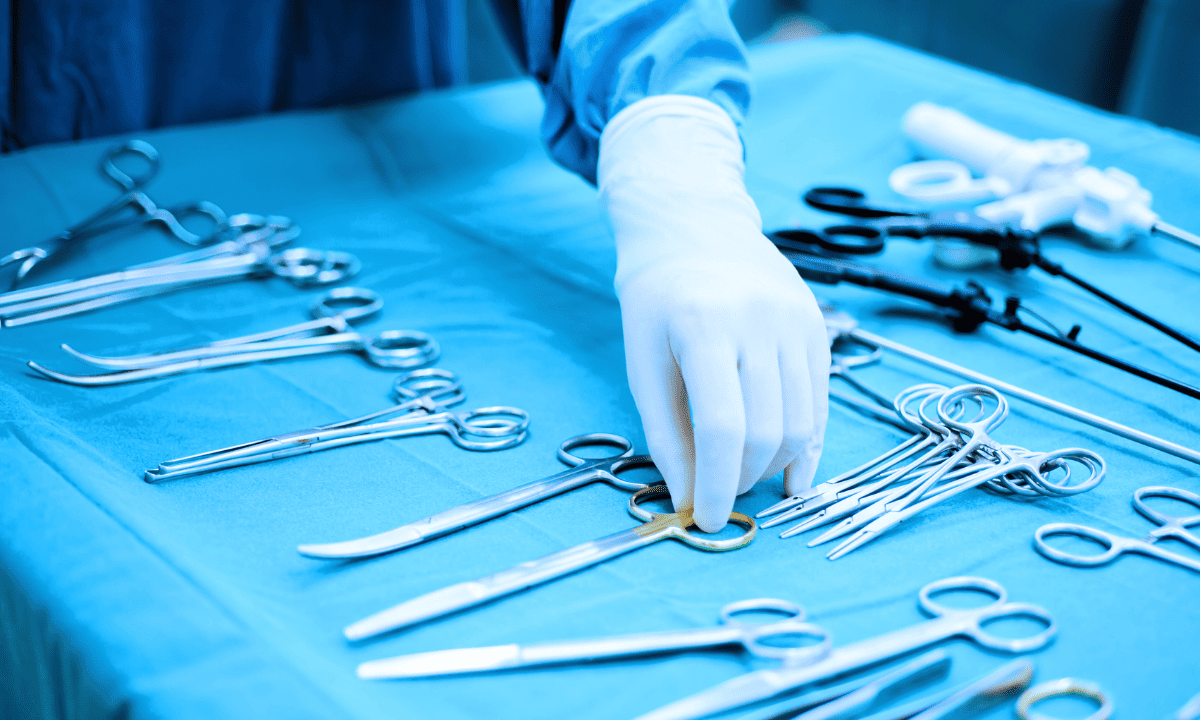
Understanding what happens in the operating room can make the process feel less daunting. Both procedures follow a structured series of steps designed to ensure your safety and comfort.
Laparoscopy procedure
During a laparoscopy, your doctor examines the abdominal cavity (the space inside your abdomen that holds your organs).
You will receive general anaesthesia.
Your doctor makes a small incision near your navel.
Carbon dioxide gas is used to gently inflate your abdomen. This creates space and helps your doctor see clearly.
A laparoscope is inserted to view your pelvic organs.
If treatment is needed, a few additional small incisions may be made to insert surgical instruments.
Once the procedure is finished, the instruments are removed and the incisions are closed.
Most patients undergoing laparoscopy only have a few small incision marks and are able to return home within a short time.
You may notice mild soreness or temporary bloating after surgery, which usually improves as your body heals. Your doctor will review the findings with you and talk through your next steps with care and clarity.
Hysteroscopy steps
During a hysteroscopy, your doctor examines the inside of your uterus using your body’s natural openings.
A speculum (a tool that gently opens the vagina) is placed to allow access to your cervix.
Your cervix may be gently dilated (widened) if needed.
A hysteroscope (a thin camera used to look inside the uterus) is carefully inserted.
Your uterus is filled with saline (sterile salt water) or gas to expand the uterine walls and improve visibility.
Your doctor may examine or treat concerns, such as removing polyps (small growths in the uterine lining) or correcting scar tissue.
The instrument is then gently removed.
You often find hysteroscopy helpful because it allows your care team to see and treat concerns in the uterus at the same time.
Some patients may experience mild cramping or light spotting afterwards, which usually settles within a few days. Your doctor will explain what was found and guide you on the next steps for your care or fertility planning.
It is normal to feel a little anxious before a hysteroscopy, but for most people it is a quick and well-tolerated procedure. Your care team will take steps to keep you as comfortable as possible and will be there to support you throughout.
What are the risks?
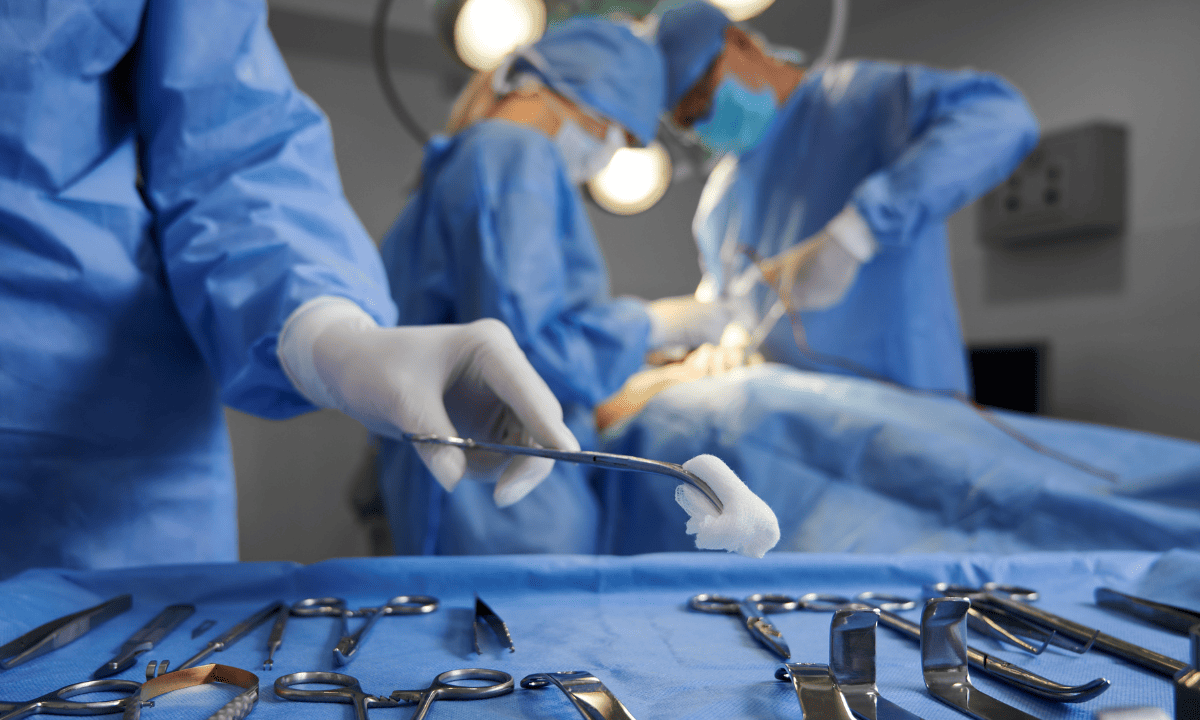
It's natural to feel concerned or have questions about complications when you consider a surgical procedure.
Both laparoscopy and hysteroscopy are generally safe, but like any medical procedure, they do carry some risks. Understanding these risks can help you feel more prepared and confident in your decision.
Risk | Laparoscopy | Hysteroscopy |
Infection | Rare | Rare |
Bleeding | Possible | Minimal |
Organ injury | Bowel, bladder, blood vessels | Uterine perforation (a small tear in the uterus) |
Anaesthesia risk | Yes | Sometimes |
Blood clots | Rare | Very rare |
Some medical terms, such as 'organ injury' or 'uterine perforation', may sound worrying. However, it should be noted that these complications are uncommon, and your surgical team takes careful steps to reduce these risks.
They use specialised equipment, careful techniques, and close monitoring throughout the procedure to help protect surrounding tissues and support your safety.
If you have questions about the risks or suitability of these procedures, you may schedule an appointment with a doctor at Thomson Medical for further discussion.
What does recovery look like after each procedure?
One of the key benefits of modern surgical techniques is the ability to return to daily activities sooner. Understanding the expected recovery time can help you plan for healing and support at home.
Aspect | Laparoscopy | Hysteroscopy |
|---|---|---|
Recovery time | 1-2 weeks | 1-2 days |
Pain | Mild-moderate | Mild cramping |
Return to work | 3-7 days | Same or next day |
Post-op care | Wound care, rest | Light activity, avoid intercourse briefly |
Most women find they can return to their usual routines fairly quickly. Laparoscopy may require one to two weeks of rest, while hysteroscopy often allows many patients to return to work on the same or following day.
Taking simple steps such as resting well and caring for your wound can help support a comfortable recovery. Your care team will guide you through your recovery and be there to support you if you have any concerns along the way.
FAQ
Can laparoscopy and hysteroscopy be done at the same time?
Yes, they can. Doctors often perform both procedures together, especially during fertility evaluations. This allows them to check the pelvic organs and the inside of the uterus in a single session, which may reduce the need for multiple procedures.
How long does a hysteroscopy take?
A hysteroscopy usually takes about 10 to 30 minutes. The exact time depends on whether your doctor is only examining the uterus (diagnostic) or performing treatment during the procedure.
When might a doctor recommend laparoscopy instead of hysteroscopy?
A doctor may recommend laparoscopy when the suspected concern is outside the uterus. This may include conditions such as endometriosis, pelvic adhesions (scar tissue between organs), ovarian cysts, or ongoing pelvic pain that does not have a clear cause.
Is a hysteroscopy considered major surgery?
No, hysteroscopy is considered a minor and minimally invasive procedure. It is commonly performed as a day procedure, meaning many patients can return home on the same day.
When is the best time to have a hysteroscopy?
Hysteroscopy is usually performed just after menstruation, typically between days 6 and 10 of your cycle. During this time, the uterine lining is thinner, which helps your doctor see the uterus more clearly.
Do I need anaesthesia for a hysteroscopy?
This depends on the type of hysteroscopy you are having. Diagnostic hysteroscopy may use no anaesthesia or local anaesthesia (numbing medication). Operative hysteroscopy, where treatment is performed, may require local, regional, or general anaesthesia to keep you comfortable.
The information provided is intended for general guidance only and should not be considered medical advice. For personalised recommendations and tailored advice based on your unique situations, please consult a specialist at Thomson Medical. Request an appointment with Thomson Medical today.
For more information, contact us:
Thomson Specialists (Women's Health)
Thomson Women's Clinic (TWC)
- Novena:
6592 6686 (Call), 8611 8986 (WA) - Bukit Batok:
6569 0668 (Call), 8686 3525 (WA) - Choa Chu Kang:
6893 1227 (Call), 8282 1796 (WA) - Jurong:
6262 8588 (Call), 6262 8588 (WA) - Katong (female doctor):
6970 2272 (Call), 8611 9020 (WA) - Punggol:
6243 6843 (Call), 8811 0328 (WA) - Sembawang: 6753 5228
- Sengkang: 6388 8125
- Serangoon (female doctor): 6382 3313
- Tampines: 6857 6266
- Tiong Bahru: 6276 1525
Notice
The range of services may vary between TWC/TS locations. Please contact your preferred branch directly to enquire about the current availability.
Request an Appointment