

If you have never been sexually active, you might assume a Pap smear is not something you need to think about yet. But cervical health isn't determined by sexual history alone – age and individual risk factors both play a part.
Cervical screening is about more than HPV risk. It gives you a baseline picture of your cervical health, so if anything changes down the line, there is already something to compare it against. Knowing the facts helps you make an informed decision that is right for your body.
What is a Pap smear and what does it screen for?
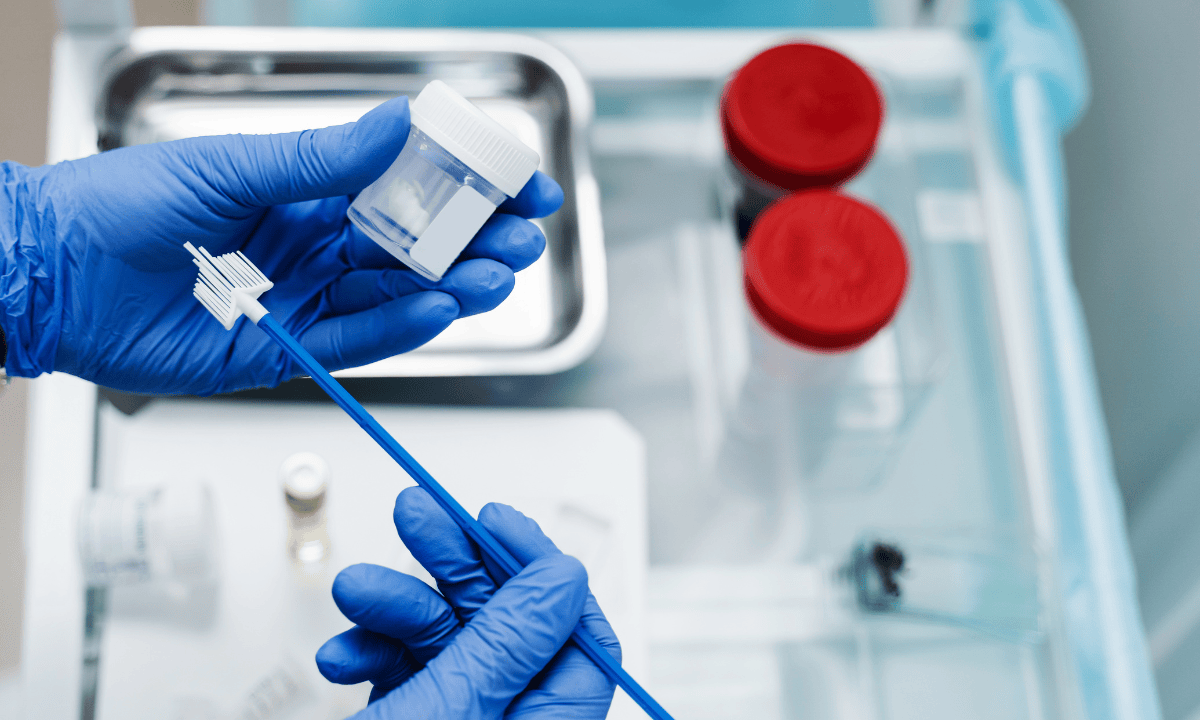
A Pap smear (also called a cervical smear) is a routine test that checks for abnormal changes in the cells of your cervix (the lower part of your uterus). During the procedure, your doctor will gently collect a small sample of cervical cells, which are then examined in a laboratory.
It screens for two main things:
Abnormal cervical cells:
Changes that could develop into cervical cancer over time if left undetected
Human papillomavirus (HPV):
HPV is the virus responsible for most cervical cell changes.
Women aged 30 and above in Singapore are recommended a combined Pap smear and HPV co-test.
Most abnormal results do not mean cancer. If your results come back abnormal, your doctor will recommend a follow-up test, such as a colposcopy, to examine your cervix more closely and determine whether any treatment is needed.
When should you start getting Pap smears in Singapore?
In Singapore, cervical screening is recommended for women aged 25 and above who have ever been sexually active.
How often you need to be screened depends on where you are in life:
Ages 25 to 29:
A Pap smear is recommended every 3 years.
Ages 30 to 69:
An HPV co-test is recommended every 5 years, which combines a Pap smear with an HPV test for a more complete picture of your cervical health.
Screening is generally recommended until age 69. After that, women who have kept up with regular screening and have no history of abnormal results may be able to stop, following a discussion with their doctor.
Do you need a Pap smear if you are not sexually active?
If you have never been sexually active, it is natural to wonder whether cervical screening applies to you. Cervical screening exists largely to detect the effects of HPV, a virus transmitted through skin-to-skin genital contact – which is why your doctor may ask about your sexual history.
HPV is one of the most common infections associated with sexual contact, and it is responsible for the majority of cervical cell changes that screening is designed to catch.
With no history of sexual activity, your exposure to HPV is likely very low, and so is your risk of developing those changes.
That said, lower risk is not the same as no risk. Getting screened gives you a clear baseline picture of your cervical health – a useful reference if anything changes in the future.
It is also worth noting that sexual history is not always simple to define. Skin-to-skin genital contact without penetrative sex can still carry some HPV risk – and your doctor can help you work through what that means for you personally.
If you are unsure whether screening applies to you or simply want a clearer answer based on your own circumstances, schedule an appointment with Thomson Medical. Our doctors can review your individual history and help you decide on an approach that makes sense for you.
Gynaecologists at Thomson Medical
Loading...
What to expect during your first Pap smear
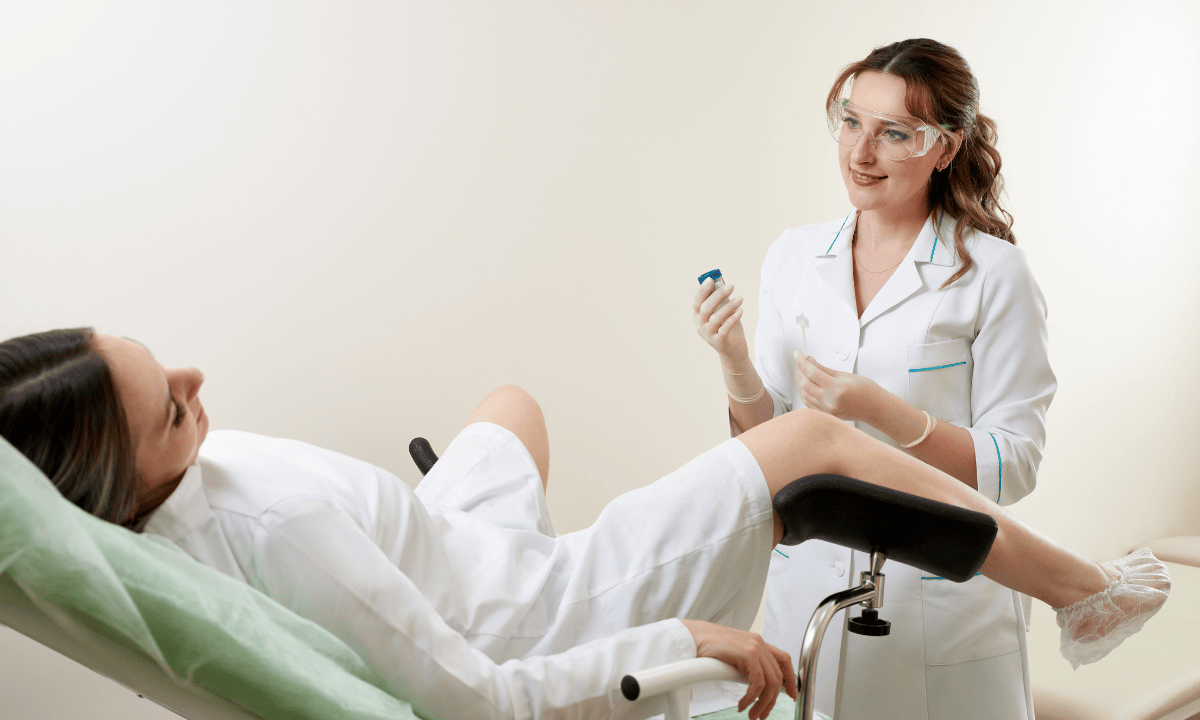
It is completely normal to feel a little nervous before your first Pap smear, especially if you are unsure what to expect. The procedure itself is straightforward and usually over within a few minutes.
Here is what usually happens during your appointment:
You will be asked to undress from the waist down and lie on an examination table with your knees bent.
Your doctor or nurse will gently insert a small instrument called a speculum into your vagina to hold the walls apart.
A soft brush is used to collect a small sample of cells from your cervix. Most women feel mild pressure or brief discomfort, but it should not be painful.
The sample is sent to a laboratory for testing, and your results are usually ready within a few weeks.
A few things that may help you feel more at ease:
You can request a female doctor or a chaperone if that makes you more comfortable.
Letting your doctor know it is your first time means they can take things at a slower pace and talk you through each step.
Taking slow, deep breaths during the procedure can help your muscles relax, which often makes it more comfortable.
Many women find the procedure less uncomfortable than they expected, especially when they know what to expect beforehand. If at any point you feel uncomfortable, you can ask your doctor to pause or stop.
You’re welcome to ask questions before, during, or after the procedure. Your comfort matters, and your care team is there to support you every step of the way.
If you are considering your first Pap smear or have questions about what to expect, schedule an appointment with Thomson Medical. Our team can walk you through the process at your own pace and make sure you feel comfortable during the test.
FAQ
Will a Pap smear affect my virginity?
A Pap smear involves inserting a small instrument called a speculum into the vagina, which may stretch your hymen slightly. It does not "break" the hymen. It also has no bearing on your virginity – which is a personal, cultural, or religious concept, not a medical one. If this is a concern for you, let your doctor know beforehand.
Can I skip Pap smears if I've never been sexually active?
Not necessarily. While your HPV risk may be lower, cervical health is about more than sexual history alone. Getting screened gives you a useful baseline, so if anything changes in the future, there is already something to compare against. Your doctor can help you decide what is right for your individual situation.
Does a Pap smear hurt if you have never had sex?
Many women feel mild pressure or brief cramping rather than pain. Let your doctor know beforehand so they can use a smaller speculum and take extra care. The procedure takes less than a minute, and in most cases any discomfort passes quickly.
Can I request a female doctor for my Pap smear?
Yes. When booking your appointment, let the clinic know you would prefer a female doctor or would like a chaperone present. It is a reasonable request and worth raising early so arrangements can be made.
What if I become sexually active after skipping Pap smears for years?
If your circumstances change, it is a good time to schedule a Pap smear if you have not already done so. Your doctor can assess where you are and put together a screening schedule that suits your current situation. It is never too late to start.
Is a Pap smear the same as a pelvic exam?
No, they are two different procedures, though they are sometimes done at the same appointment. A pelvic exam is a physical check of your reproductive organs for any visible abnormalities. A Pap smear goes a step further by collecting a cell sample from your cervix to be tested in a laboratory.
The information provided is for general guidance only and should not be considered as medical advice. For a personalised consultation and tailored advice, schedule an appointment with Thomson Medical today.
CItations
Cervical Cancer | NCIS. (n.d.). NCIS. https://www.ncis.com.sg/cancer-information/screening-and-prevention/cervical-cancer
For more information, contact us:
Thomson Specialists (Women's Health)
Thomson Women's Clinic (TWC)
- Novena:
6592 6686 (Call), 8611 8986 (WA) - Bukit Batok:
6569 0668 (Call), 8686 3525 (WA) - Choa Chu Kang:
6893 1227 (Call), 8282 1796 (WA) - Jurong:
6262 8588 (Call), 6262 8588 (WA) - Katong (female doctor):
6970 2272 (Call), 8611 9020 (WA) - Punggol:
6243 6843 (Call), 8811 0328 (WA) - Sembawang: 6753 5228
- Sengkang: 6388 8125
- Serangoon (female doctor): 6382 3313
- Tampines: 6857 6266
- Tiong Bahru: 6276 1525
Notice
The range of services may vary between TWC/TS locations. Please contact your preferred branch directly to enquire about the current availability.
Request an Appointment