

Cervical cancer is one of the few cancers that can be prevented with simple, regular checks. Yet, many women still feel unsure, anxious, or even afraid when it comes to screening. If you have ever delayed booking a test because you felt embarrassed , you are not alone.
Understanding how screening works, why it matters, and what support is available can make the journey feel lighter and much more manageable.
What is cervical cancer?
Cervical cancer begins when cells on the cervix grow abnormally. Most of the time, these changes are triggered by a long-standing infection with high-risk types of human papillomavirus (HPV).
HPV is a common sexually transmitted infection (STI) and usually harmless, but certain strains can lead to changes that need monitoring if they remain in the body for many years
Cervical cancer does not appear suddenly. It is a slow, step-by-step process that takes place over many years. That’s why early screening is important, as it gives you the best chance to stay healthy and catch any potential issues while they are still easy to manage.
Understanding this slow timeline helps many women feel more at ease about screening – it gives you time and options.
Key risk factors for Singaporean women

Although many women with cervical cancer have no obvious risk factors apart from HPV, certain lifestyle and health factors can influence your overall risk. Understanding these does not mean you have done anything wrong. Rather, it helps you make informed decisions about screening and prevention.
Some of the key factors include:
Persistent high-risk HPV infection
Not attending regular screening appointments
Smoking
Having many sexual partners or becoming sexually active at a young age
Having a weakened immune system, such as from HIV, organ transplant or long-term steroid use
Long-term oral contraceptive use or multiple childbirths
Family history of cervical cancer
Knowing these factors helps highlight why screening matters, even when you feel perfectly well.
How does cervical cancer screening work in Singapore?
Cervical cancer screening checks for cell changes or HPV infections long before symptoms appear. It helps your doctor identify whether you need closer monitoring or treatment.
In Singapore, screening usually begins with either a Pap smear or an HPV test. If the results show abnormalities, further investigations may be needed. These include:
Colposcopy:
Uses a special magnifying device to get a closer look at the cervix
Biopsy:
Involves taking a tiny tissue sample for testing
These follow-up steps might sound worrying, but they aim to protect your health by catching any changes early, when they are easiest to manage.
If it’s been a while since your last screening or you want to understand which test is right for you, schedule an appointment with Thomson Medical. Early screening can help detect changes before they become serious and give you peace of mind.
Screening programmes in Singapore
Singapore’s national screening initiatives aim to make testing accessible, affordable, and easy to arrange. Under the Healthier SG Screening programme (previously known as Screen for Life), Singapore citizens and permanent residents receive subsidised screening tests, including cervical cancer screening. Subsidies are even higher for those enrolled under Healthier SG.
These subsidies significantly reduce out-of-pocket costs, making regular screening more attainable for all women. Current medical guidelines in Singapore recommend different screening intervals based on age:
Ages 25 to 29:
Pap test every three years
Ages 30 to 69:
HPV test every five years
Following these timelines ensures that any changes are picked up early. Early detection matters because it helps your care team identify and address concerns before they develop further, making treatment simpler and more effective. It also gives you greater peace of mind throughout your care journey.
The screening tests explained
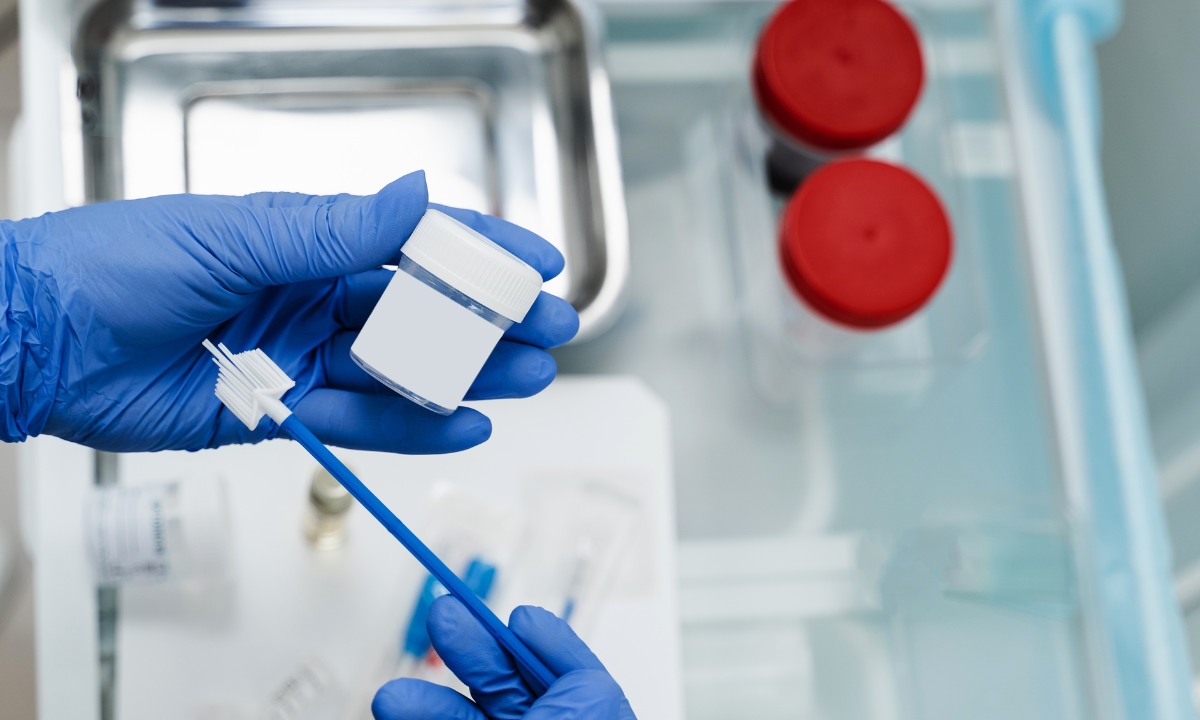
Pap smear
If you haven't had a Pap smear before, it's easy to assume that it's a painful or uncomfortable experience. However, many women actually describe it as slightly uncomfortable rather than painful. The procedure only takes a few minutes as the doctor gently uses a small brush to collect a sample of cells from your cervix.
HPV test
The HPV test checks directly for high-risk HPV types by analysing a similar sample from the cervix. It is more sensitive than a Pap smear, which is why it is the recommended test for women aged 30 and above.
A positive HPV result does not mean cancer. It simply means your doctor will monitor you more closely – many women go through this and remain completely healthy.
Cervical cancer specialist in Singapore
Loading...
Who should get screened and when?
All women who have ever been sexually active should begin screening at age 25. Even if you have a lifetime partner, feel perfectly healthy, or have received the HPV vaccine, screening remains essential. Vaccination prevents most HPV infections, but not all.
You should continue screening until you are at least age 69. Women with immune conditions or past abnormal results may require more frequent tests.
It’s important to remember that screening is recommended even if you feel well, because cervical cancer often shows no symptoms in its early stages. If you notice any unusual signs, such as:
Unexpected vaginal bleeding
Persistent vaginal discharge
Pelvic pain
It’s important to remember that screening is recommended even if you feel well, because cervical cancer often shows no symptoms in its early stages. If you notice any of these unusual signs, you should see a doctor promptly, regardless of your age or screening schedule.
Getting screened in Singapore

Taking the first step to book your screening can feel intimidating, especially if you do not know where to go or what the experience will be like. In Singapore, the system is designed to be simple, accessible and affordable.
Whether you prefer visiting a familiar doctor in your neighbourhood or a speciality clinic at a public hospital, there are multiple options that suit different comfort levels and budgets.
Affordable options
Singapore provides a wide network of screening locations, and most of them are eligible for subsidies. Knowing what each option offers can help you choose what feels most comfortable for you.
You can get screened at:
Private clinics and medical centres:
Often offer shorter waiting times and a more personalised experience
Polyclinics:
Usually the lowest cost with heavy subsidies
CHAS GP clinics:
Convenient and close to home
Public hospital women’s clinics:
Useful if you prefer specialist care
Community screening events:
Good for quick, accessible options
Most women receive subsidies through Screen for Life, CHAS or Healthier SG, so screening often costs very little.
Booking your appointment
Booking a cervical cancer screening in Singapore is straightforward. You can choose whichever method feels easiest:
Using the HealthHub app
Visiting the Screen for Life website
Calling your preferred GP clinic
Making an appointment early in the day can help you feel less anxious, as you get it done before your daily tasks begin.
If you’re already planning a general health check, Thomson Medical also offers cancer screening options that include women’s health assessments. Schedule an appointment with Thomson Medical today for a more comprehensive look at your overall health, not just cervical screening.
What stops some women from getting screened?
Women often delay screening tests for very personal and completely understandable reasons. Common barriers include:
Embarrassment
Fear of pain
A busy lifestyle
Uncertainty about what the test involves
Assuming that feeling well means everything is fine
However, cervical cancer rarely shows symptoms in its early stages. Screening is the only reliable way to catch changes before they cause harm. Many women say that once they complete their first test, they feel far more comfortable scheduling their future ones.
The role of HPV vaccination with screening
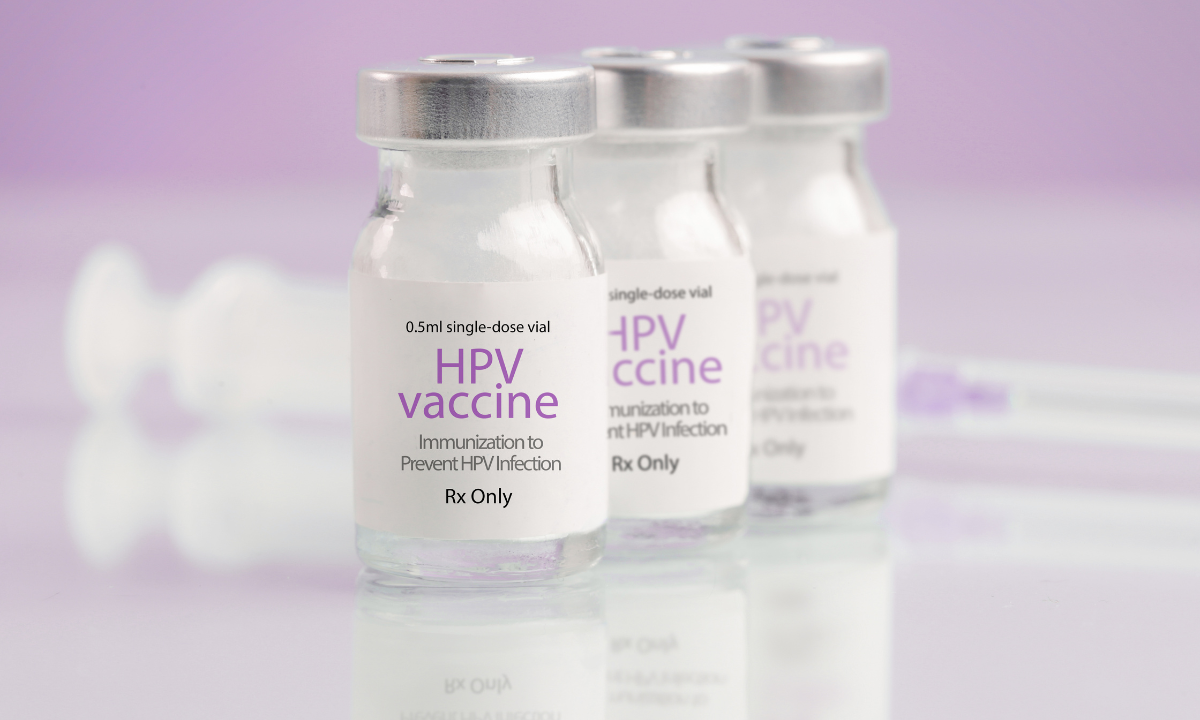
HPV vaccination and screening complement each other. While vaccination prevents most infections, screening identifies abnormalities in women exposed to or encountering other high-risk HPV types. Using both together creates the strongest defence against cervical cancer.
The HPV vaccine is one of the most effective tools for cancer prevention, as it protects against the HPV types responsible for most cervical cancers. The vaccine works best when given before sexual activity begins, but older women can still benefit.
In Singapore, eligible individuals can use MediSave to pay for vaccines under approved programmes, which helps reduce financial barriers.
What happens after screening?
Once your results are ready, your doctor will explain what they mean and whether you need follow-up.
Normal result:
You simply continue routine screening.
Abnormal or HPV-positive result:
If your test shows unusual results, you may need a repeat test or a colposcopy. These additional steps ensure that any developing changes are caught early.
It is natural to feel anxious when receiving abnormal results, but your doctor will guide you through every step. Remember, an abnormal result is not a cancer diagnosis. It is an opportunity for early treatment.
If you have questions about your results or need guidance on the next steps, schedule an appointment with Thomson Medical. Our doctors can explain your results clearly and help you plan any necessary follow-up.
FAQ
What is the difference between the Pap smear and the HPV test?
Both tests are important, but they work differently.
Pap smear:
Examines abnormal cervical cells and checks how the cells look.
HPV test:
Looks for high-risk HPV types. It checks what might be causing the changes.
HPV testing is more sensitive because it identifies the virus before abnormal cells develop. This is why it is recommended for women aged 30 and above. A Pap smear is still useful for younger women because abnormal cell changes can appear even when HPV is not detected.
Is the screening procedure painful?
Most women describe the experience as a bit uncomfortable rather than painful. You might feel pressure during the insertion of the speculum, but the actual cell collection takes only a few seconds.
Communicating with your doctor and taking slow, deep breaths can help you relax. Many women are pleasantly surprised by how quick and manageable the process feels.
Can women who have never had sex get cervical cancer?
It is extremely rare for women who have never been sexually active to develop cervical cancer because HPV is usually transmitted through sexual contact.
However, other factors such as immune conditions or rare non-sexual transmission modes can theoretically cause risk. This is why doctors recommend screening for women who have ever been sexually active, rather than all women.
If I am vaccinated, do I still need screening?
Yes. The HPV vaccine protects against the most dangerous HPV types, but not all of them. Screening ensures you remain safe from other high-risk types that the vaccine does not fully cover. Think of vaccination as your first layer of protection and screening as the second.
What should I do if my screening result is abnormal?
An abnormal result can feel alarming, but remember that it usually means very early changes were found. Your doctor may suggest a repeat test, colposcopy, or biopsy. These follow-up steps help determine whether treatment is needed. Most early changes are fully treatable and never develop into cancer when managed well.
Are there subsidies for cervical cancer screening in Singapore?
Yes. Eligible women can receive subsidised screening at participating clinics and polyclinics through:
Screen for Life
CHAS
Healthier SG
These subsidies significantly reduce the cost, making screening accessible for most women. Your clinic can guide you on how much you will need to pay based on your eligibility.
The information provided is intended for general guidance only and should not be considered medical advice. For personalised recommendations and tailored advice based on your unique situations, please consult a specialist at Thomson Medical. Request an appointment with Thomson Medical today.
References:
Health Promotion Board. (n.d.). Screen for Life. HealthHub. https://www.healthhub.sg/programmes/screen_for_life
For more information, contact us:
Thomson Specialists (Women's Health)
Thomson Women's Clinic (TWC)
- Novena:
6592 6686 (Call), 8611 8986 (WA) - Bukit Batok:
6569 0668 (Call), 8686 3525 (WA) - Choa Chu Kang:
6893 1227 (Call), 8282 1796 (WA) Jurong:
6262 8588 (Call), 6262 8588 (WA)- Katong (female doctor):
6970 2272 (Call), 8611 9020 (WA) - Punggol:
6243 6843 (Call), 8811 0328 (WA) - Sembawang: 6753 5228
- Sengkang: 6388 8125
- Serangoon (female doctor): 6382 3313
- Tampines: 6857 6266
- Tiong Bahru: 6276 1525