

Understanding Epithelial Ovarian Cancer
Receiving a diagnosis of epithelial ovarian cancer can be a significant emotional challenge. It is natural to feel a sense of uncertainty as you navigate unfamiliar medical terminology and discuss future treatment plans with your specialist.
As the most common form of ovarian cancer, established clinical pathways and supportive care options are available to help manage this condition. Understanding your diagnosis is the first step in feeling informed and prepared for the journey ahead.
What is Epithelial Ovarian Cancer?
Epithelial ovarian cancer is a type of malignancy that originates in the cells on the outer surface of the ovaries. It accounts for approximately 90% of all ovarian cancer cases.
Because early symptoms, such as bloating, abdominal discomfort, or changes in appetite can be subtle or attributed to other common health issues, this condition is often identified at a later stage.
Comparing Types of Ovarian Tumours
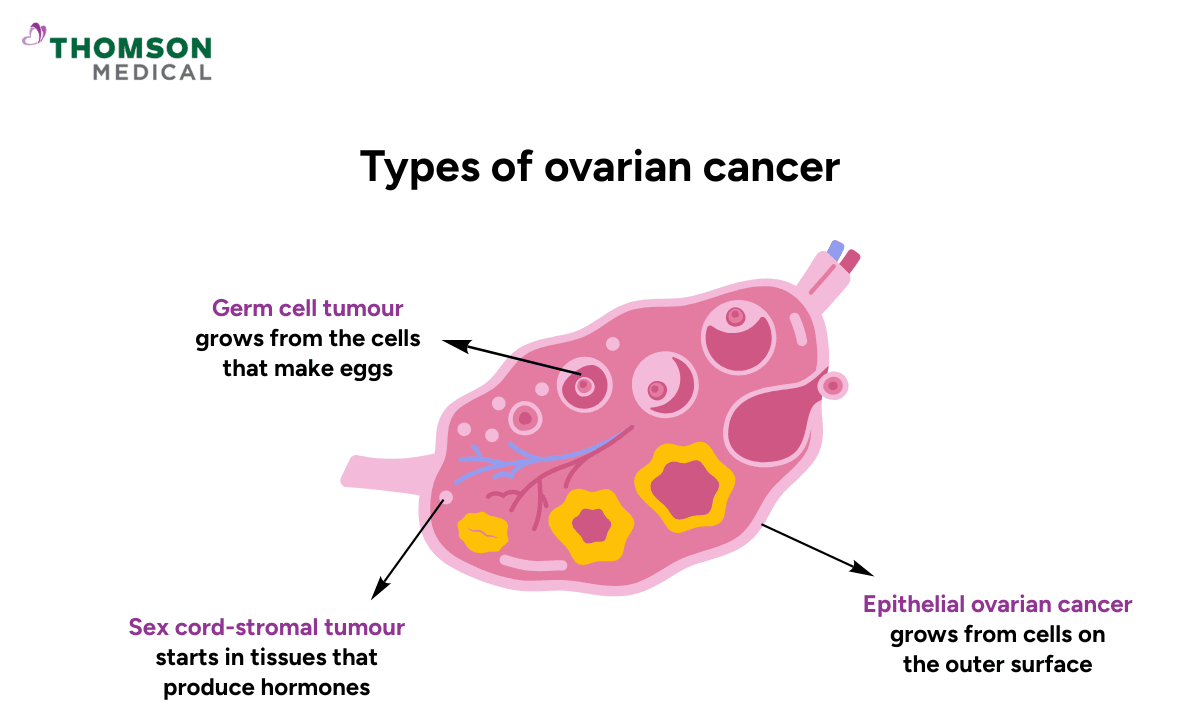
Ovarian cancer is categorised based on the specific cells where the tumour begins. Understanding the difference helps your medical team determine the most effective clinical approach.
- Epithelial Ovarian Cancer: Originates on the outer surface of the ovary. This is the type most frequently encountered by doctors.
- Germ Cell Tumour: Grows from the cells that produce eggs. These are less common and are more frequently diagnosed in younger women.
- Sex Cord-Stromal Tumour: Starts in the connective tissue that produces hormones, which may lead to hormonal symptoms.
Because these rarer types involve different cell structures, they typically require distinct treatment strategies and have varying clinical outlooks.
Post-Diagnosis: Mapping the Next Steps
Following a diagnosis, your medical team will perform a detailed assessment before beginning treatment. This process ensures that the care plan is specifically tailored to the stage of ovarian cancer and its characteristics.
This evaluation usually includes:
- Imaging Scans: (CT, MRI, or PET scans) to visualise the area.
- Blood Tests: Including markers like CA-125.
- Surgical Assessment: To determine the precise grade and stage.
How Your Specialist Categorises the Cancer
To identify the most appropriate treatment, your doctor will determine the subtype and grade of the cells.
Subtypes of epithelial ovarian cancer
The subtype refers to the specific epithelial cell where the cancer began. Knowing this helps your doctor predict how the cancer may respond to specific therapies.
- High-grade serous carcinoma (The most common subtype)
- Endometrioid
- Clear cell
- Low-grade serous carcinoma
- Mucinous
Understanding the "Grade"
- Low-grade: Cells look similar to healthy cells and tend to progress more slowly.
- High-grade: Cells look significantly different from normal cells and have a tendency to grow or spread more rapidly.
If you have questions about your diagnosis, subtype, or what these findings mean for your treatment, speaking with our experienced O&G specialist can help bring clarity and reassurance. Schedule a consultation with Thomson Medical to discuss your individual situation in detail.
Our ovarian cancer specialist
Loading...
Treatment options for epithelial ovarian cancer
Surgery
Surgery is often the primary step in managing epithelial ovarian cancer. The clinical goal is to safely remove as much of the cancerous tissue as possible (debulking).
Depending on the stage, this may involve removing the ovaries, fallopian tubes, and the womb. These procedures can lead to early menopause and impact future pregnancy and fertility. We encourage you to discuss your personal priorities, such as fertility preservation with your specialist before the procedure so they can incorporate your goals into the surgical plan.
Chemotherapy
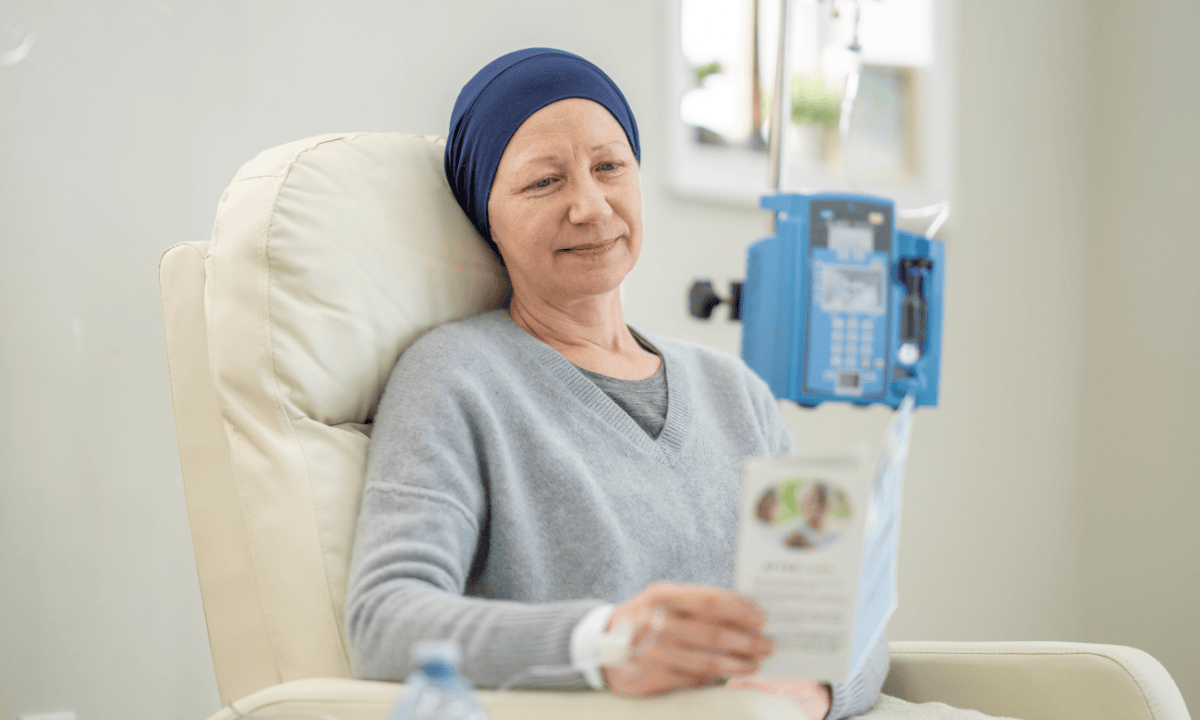
Ovarian cancer chemotherapy is typically used after surgery to target remaining microscopic cells. In some cases, it is administered before surgery to help shrink the tumour.
Treatment is usually delivered via an intravenous drip in a hospital setting, following a three-week cycle to allow the body time to recover. Common side effects may include fatigue, nausea, and temporary hair loss. Your clinical team will monitor you closely and can provide supportive medications to manage these symptoms and keep you as comfortable as possible.
Targeted Therapies
Depending on your subtype and grade, your doctor may suggest targeted therapies (drugs designed to attack specific features of cancer cells) or intraperitoneal chemotherapy. These are specialised options tailored to the individual’s unique tumour biology.
Survival Rate and Clinical Outlook for Epithelial Ovarian Cancer
It is important to remember that statistics are based on broad population averages and do not predict an individual's specific outcome. Survival rates have improved significantly as new treatments and drugs continue to emerge.
General 5-Year Survival Rates for Epithelial Ovarian Cancer:
- Stage 1: Approximately 95%
- Stage 2: More than 70%
- Stage 3: More than 30%
- Stage 4: Approximately 15%
Your personal outlook depends on factors such as your age, overall health, and how the specific cancer responds to treatment.
Schedule a consultation with our gynaecologic oncology team to discuss your diagnosis, review your pathology results, and develop a personalised treatment plan. Second opinions are welcome and encouraged.
FAQ
Is 90% of ovarian cancer epithelial?
Yes, approximately 90% of ovarian cancer cases are epithelial, making it the most prevalent type.
What is the most common epithelial ovarian tumour?
High-grade serous carcinoma (HGSC) is the most common subtype. It is characterised by faster growth but often shows a positive response to initial chemotherapy.
At what age do people get epithelial ovarian cancer?
It is most frequently diagnosed in post-menopausal women, typically between the ages of 60 and 65.
Can epithelial ovarian cancer be cured?
While there is no "guaranteed" cure, many cases, especially those diagnosed at Stage 1, achieve long-term clinical remission through a combination of surgery and chemotherapy.
How fast does epithelial ovarian cancer grow?
Growth rates vary. High-grade cancers progress more quickly, while low-grade types grow more slowly over months or years.
Can epithelial ovarian cancer be prevented?
While it cannot be completely prevented, risk-reduction factors include maintaining a healthy weight, breastfeeding, and the long-term use of oral contraceptives (under medical supervision).
The information provided is intended for general guidance only and should not be considered medical advice. For personalised recommendations based on your medical conditions, request an appointment with Thomson Medical.
For more information, contact us:
Thomson Fertility
- Paragon: 6252 7766
- Novena: 6399 3758, 8811 0358 (WA)
Thomson Specialists (Women's Health)
Thomson Women's Clinic
- Novena:
6592 6686 (Call), 8611 8986 (WA) - Bukit Batok:
6569 0668 (Call), 8686 3525 (WA) - Choa Chu Kang:
6893 1227 (Call), 8282 1796 (WA) Jurong:
6262 8588 (Call), 6262 8588 (WA)- Katong (female doctor):
6970 2272 (Call), 8611 9020 (WA) - Punggol:
6243 6843 (Call), 8811 0328 (WA) - Sembawang: 6753 5228
- Sengkang: 6388 8125
- Serangoon (female doctor): 6382 3313
- Tampines: 6857 6266
- Tiong Bahru: 6276 1525