

Abdominal pain is something many women experience at different stages of life, but that does not make it any less unsettling when it happens to you. You might notice cramping in your lower abdomen, a dull ache that lingers, or sharp pain that comes and goes. It is natural to wonder whether it's linked to your period, a digestive issue, or something that needs medical attention.
There are many possible causes of abdominal pain in women. Some will naturally settle after some rest and simple care at home, while others need more prompt assessment.
Understanding the common causes, recognising warning signs, and knowing when to seek help can give you clarity, reassurance, and the confidence to take the next step when your body needs care.
What is abdominal pain?
Abdominal pain refers to pain or discomfort you feel between your chest and your pelvis. Basically, it’s your entire belly area.
This area is home to many organs, including your:
Stomach
Intestines
Liver
Uterus
Ovaries
Fallopian tubes
Depending on what’s causing it, the pain may feel sharp, dull, crampy, or aching. It might also show up in different locations around your belly. Paying attention to how it affects you and the symptoms accompanied by the pain can help you and your doctor get to the root of the problem.
Female abdominal pain: Common causes
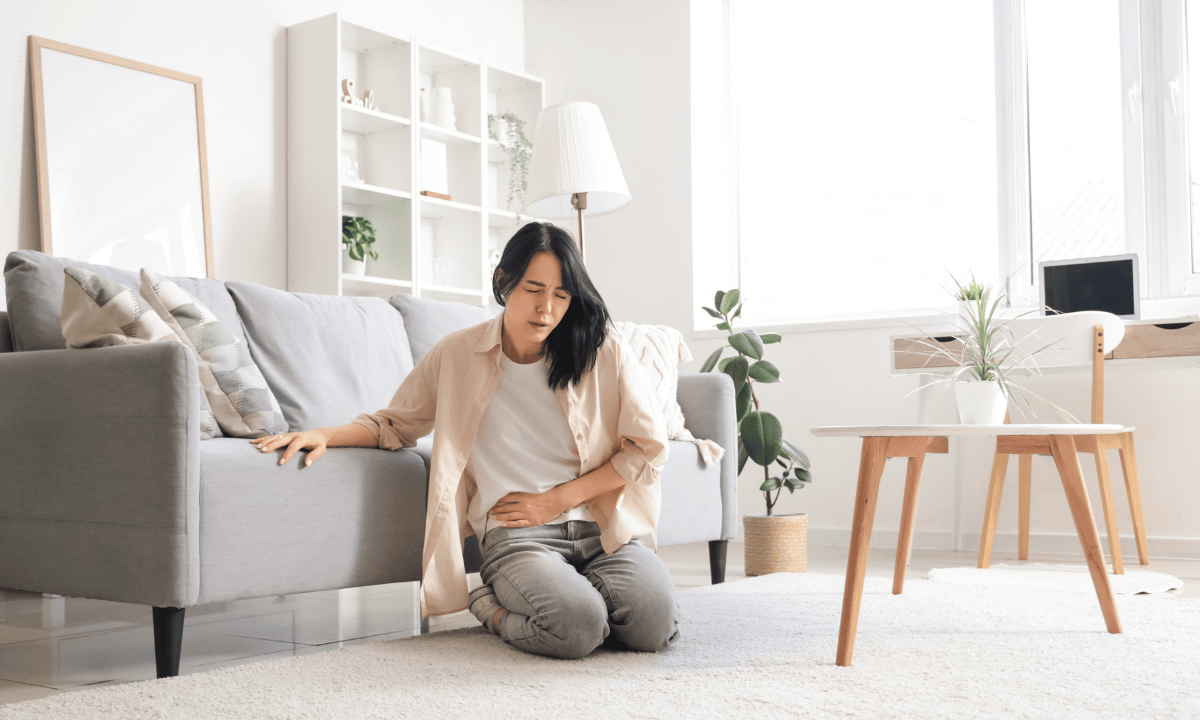
Abdominal pain in women can be caused by different sources. Some causes are related to your reproductive organs. Others may stem from digestive, urinary, or other body systems.
Gynecological causes
Your reproductive systems include your uterus, ovaries, and fallopian tubes. They sit in your lower abdomen and pelvis. For this reason, many conditions affecting these organs can cause the abdominal or pelvic pain you’re experiencing.
Menstrual cramps:
Period pain is one of the most common reasons for abdominal discomfort. During your period, your uterus contracts to shed its lining, and these contractions cause cramping pain in your lower abdomen.
Ovulation pain:
Ovulation pain happens when an egg is released from one of your ovaries. You may notice a sharp or cramping pain on one side of your abdomen around the middle of your menstrual cycle, usually about two weeks before your next period.
Ovarian cysts:
Ovarian cysts are fluid-filled sacs that develop on or in your ovaries. Most of the time, these cysts are harmless and go away on their own without causing any symptoms. However, larger cysts can cause dull or aching pain on one side of your lower abdomen.
Endometriosis:
Endometriosis is a condition where tissue similar to the lining of your uterus grows outside the uterus. If you have this condition, you might experience:
Severe menstrual cramps that may get worse over time
Chronic pelvic pain, even between periods
Pelvic inflammatory disease (PID):
PID is an infection of your reproductive organs. PID can cause lower abdominal or pelvic pain, which may be mild or severe.
Ectopic pregnancy:
This condition occurs when a fertilised egg implants outside your uterus. When ectopic pregnancy happens, you may notice a sharp and stabbing pain on one side of your abdomen, along with vaginal bleeding or spotting. If you’re pregnant and you experience these symptoms, seek urgent care right away.
Uterine fibroids:
- Fibroids are non-cancerous growths that develop in or on your uterus. Depending on the size and location, fibroids can cause pelvic pressure or lower abdominal pain.
Our O&G specialist
Loading...
Other common causes
Not all abdominal pain is caused by reproductive organs. Your digestive system, urinary tract, and other body parts can cause belly discomfort too.
The causes can include:
Digestive issues:
Your digestive system runs through your entire abdomen. That’s why digestive problems are such a common source of belly pain. Some digestive causes of pain include:
Irritable bowel syndrome (IBS)
Inflammatory Bowel Disease (IBD)
Constipation
Gas pains and bloating
Gastritis or ulcers
Urinary tract issues:
Your kidneys and bladder are located in or near your abdomen, so problems here can also cause abdominal pain. These include:
Kidney infections
Kidney stones
Appendicitis:
When your appendix becomes inflamed, it causes severe pain that usually starts near your belly button and moves to your lower right side. This condition needs immediate medical attention.
Muscle strain:
If you’ve been working out or doing heavy lifting, you may have strained your abdominal muscles. This type of pain usually gets worse when you move, laugh or cough.
There are many possible causes for abdominal pain in women. However, the pain itself can’t exactly tell what’s happening inside your body. By reviewing your symptoms, pain location, and other details, your doctor can give you the answer you need and find the right solution for you.
Our gastroenterology specialist in Singapore
Loading...

Where does it hurt? Pain location and what it might indicate
Where you feel your pain can give you clues about the cause behind it. While the pain location isn’t always reliable, it can be a helpful starting point to help you understand what’s going on.
Here’s what different pain locations might suggest:
Pain locations | Possible causes |
Lower right abdomen |
|
Lower left abdomen |
|
Lower central abdomen (Pelvic area) |
|
Upper abdomen |
|
It’s important to remember that location is just one part of the bigger picture. Your doctor will also consider how the pain feels, when it happens, how long it lasts, and what other symptoms you're experiencing.
If you're unsure what's causing your pain, reach out to your doctor. Getting professional support is always the right move for your health and peace of mind.
Red flag symptoms: When to seek urgent care
Not all abdominal pain is an emergency. However, that doesn’t mean you should ignore symptoms that concern you.
You should see your doctor or contact the Urgent Care Centre (UCC) if your abdominal pain comes with any of these signs:
Pain that lasts several days without getting better
Pain that's making it hard to work, sleep, or go about your day
Pain that keeps coming back or follows a pattern
Pain that doesn't respond to over-the-counter drugs
Unexplained weight loss or constant bloating
Period pain that's suddenly much worse than usual
Pain during sex or when you urinate
The earlier you seek help, the better. Catching problems early can make treatment easier and more effective.
Treatment options for female abdominal pain
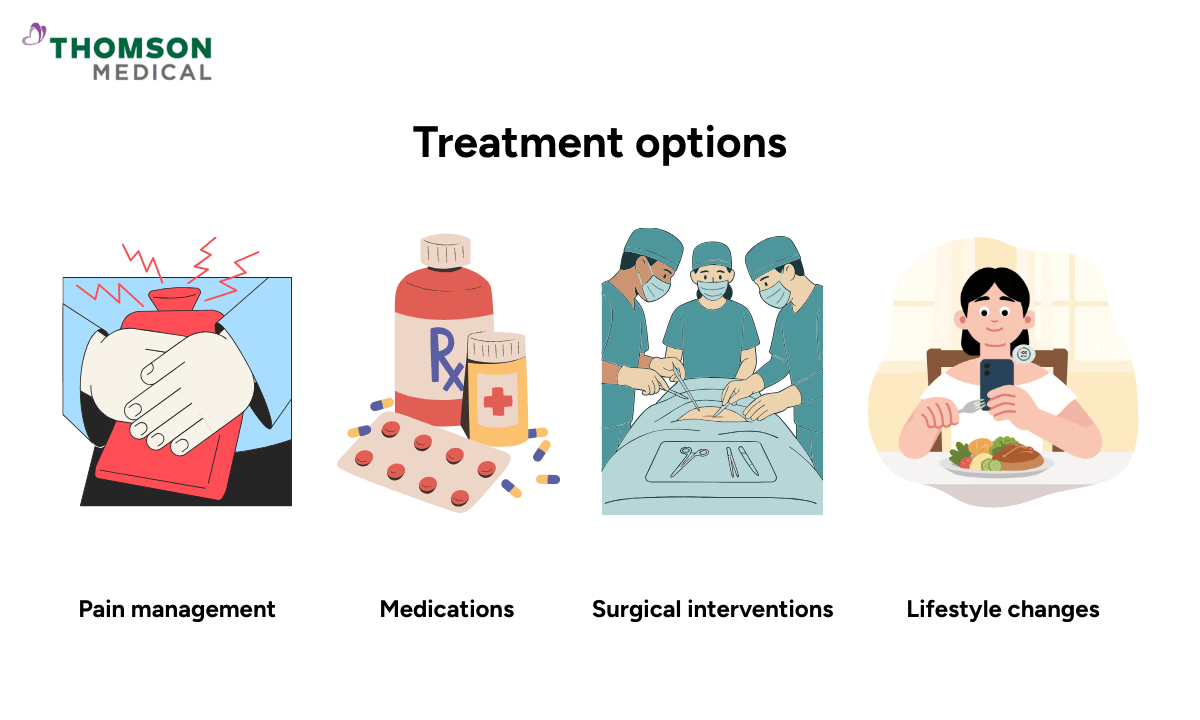
Once your doctor figures out what’s behind your pain, they'll work with you to create a treatment plan for your needs. The goal is to address both the root cause and help you feel better.
Your doctor may suggest these approaches:
Pain management:
First, your doctor will help you manage your pain. They might recommend over-the-counter pain relievers for mild to moderate pain.
Applying a heating pad to your abdomen is also recommended for menstrual cramps and muscle strain.
Medications:
Depending on the cause of your symptoms, your doctor will prescribe the right medications to treat them.
This might include antibiotics for bacterial infections or hormonal treatments for endometriosis, fibroids, or severe menstrual cramps.
Surgical interventions:
For some conditions, such as appendicitis, ectopic pregnancy, or ovarian torsion, your doctor may recommend surgery. While surgery might sound scary, many procedures today are minimally invasive. It means smaller incisions, less pain, and faster recovery.
Lifestyle changes:
Lifestyle and diet changes can make a big difference if you’re dealing with conditions like IBS, constipation, or other digestive issues. Drinking plenty of water can prevent constipation.
It’s important to note that you won’t need all these approaches at once. Your doctor will tailor the plan based on your condition to make sure it brings the most effective results for you.
Abdominal pain can be worrying, especially when you don't know what's causing it. Checking in with your doctor can give you peace of mind.
Our urgent care centre specialist
Loading...

FAQ
What's the difference between stomach pain and abdominal pain?
Your stomach is an organ in your upper abdomen that digests food. "Stomach pain" usually refers to discomfort in that area.
"Abdominal pain", on the other hand, is broader. It includes any pain anywhere in your belly, from your chest to your pelvis. The pain can come from your stomach, intestines, reproductive organs, or other structures.
How do I know if abdominal pain is serious?
You should seek immediate care if you have:
Sudden severe pain
Pain during pregnancy
Pain with symptoms such as fever, vomiting, vaginal bleeding, dizziness, or fainting
If the pain lasts several days, keeps getting worse, interferes with daily activities, or doesn't improve with over-the-counter pain relievers, see your doctor soon.
If you have mild pain that improves and doesn't come with other symptoms, it can usually be managed at home.
If you’re unsure, it’s best to contact your doctor. They can help you decide if you need to come in.
Can stress or anxiety cause real physical abdominal pain?
Yes. Stress and anxiety can cause pain in your abdomen through muscle tension and changes in digestion. They also make your body more sensitive to pain.
Is right-sided or left-sided abdominal pain more concerning?
One side isn't more serious than the other. What matters is how severe the pain is, whether it's sudden or gradual, and if you have other symptoms like fever or vomiting.
Both sides need attention if the pain is severe, persistent, or comes with warning signs.
What can be mistaken for period pain?
Conditions that cause belly cramps similar to period pain include:
Endometriosis
Ovarian cysts
Pelvic inflammatory disease (PID)
Ectopic pregnancy
Appendicitis
Urinary tract infections
Irritable bowel syndrome (IBS)
How can I relieve abdominal pain?
There are some approaches you can try to manage the pain:
For period cramps and muscle pain:
You can try a heating pad, warm bath, gentle stretching, or over-the-counter pain relievers.
For digestive discomfort:
It’s recommended to eat smaller meals, drink plenty of water, and try gentle movement to relieve gas.
For stress-related pain:
You can practise deep breathing, try meditation or yoga, get regular exercise, and ensure adequate sleep.
If home remedies don’t work after a day or two, or if your pain is severe, contact your doctor.
The information provided is intended for general guidance only and should not be considered medical advice. For personalised recommendations based on your medical conditions, request an appointment with Thomson Medical.
For more information, contact us:
Thomson Medical 24-Hour Urgent Care Centre (Novena)
- Call: 6350 8812
Notice:
The range of services, vaccinations, and tests may vary. Please contact us directly to enquire about the current availability.
Request an Appointment