

Noticing vaginal bleeding or pelvic pain after menopause can be worrying, especially if you have previously been diagnosed with fibroids. While fibroids often shrink after menopause, any new bleeding at this stage of life is not something to ignore.
In rare cases, what appears to be a growing fibroid could actually be a more serious condition that requires prompt evaluation. Knowing why this happens and what it could mean for your health can help you recognise when it's time to speak to your doctor.
What are fibroids?
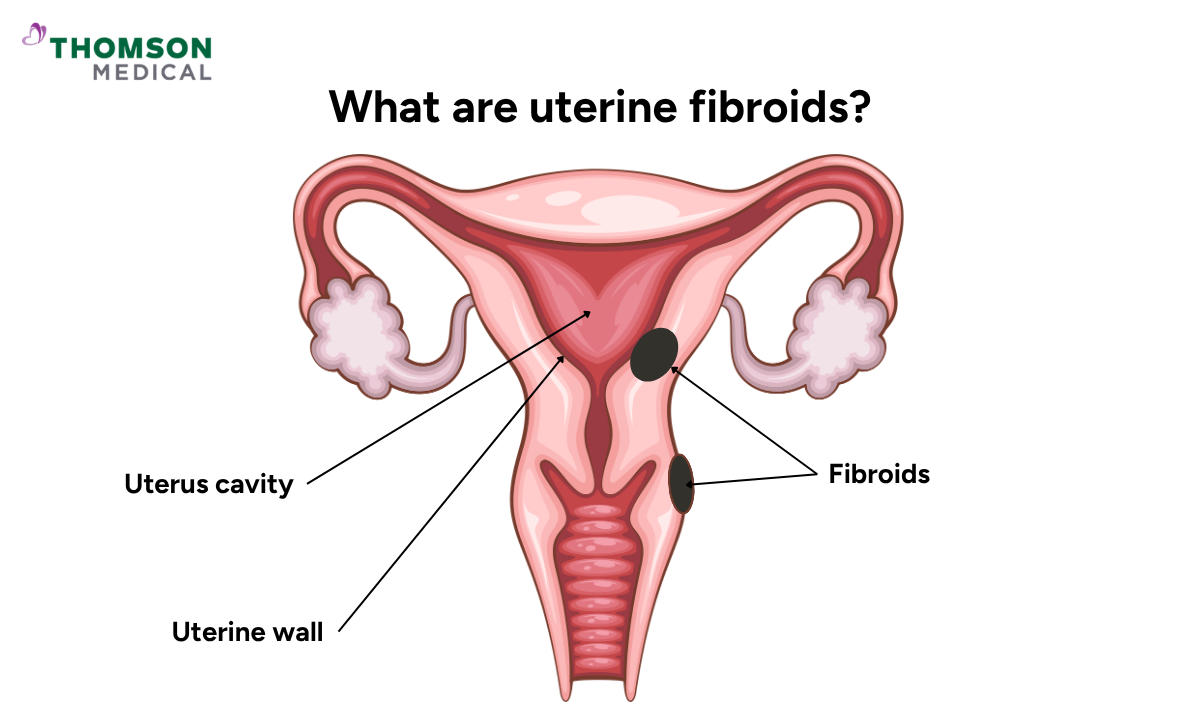
Uterine fibroids are benign (non-cancerous) growths that develop in or on the uterus. They are made of muscle and fibrous tissue, and they are very common during your reproductive years.
Fibroids are sensitive to oestrogen and progesterone, the hormones that influence their growth. They can vary in size from tiny to quite large, and you may have one or several at a time.
During your reproductive years, fibroids can cause:
Heavy or prolonged periods
Pelvic pressure or discomfort
Abdominal swelling or bloating
Frequent urination
Constipation
Symptoms may be more noticeable during your reproductive years, when oestrogen and progesterone levels are higher.
What happens to your body during menopause?
Menopause is a natural transition that every woman goes through. It is confirmed after 12 consecutive months without a period, marking the end of your reproductive years.
The time leading up to menopause is called perimenopause. During this phase, you may start to notice changes in your cycle and in how you feel each day.
Some key changes that happen during this transition include:
Your ovaries gradually stop producing oestrogen and progesterone
Your ovaries stop releasing eggs
Your menstrual cycle comes to an end
This hormonal shift plays an important role in how fibroids behave.
How do fibroids change after menopause?
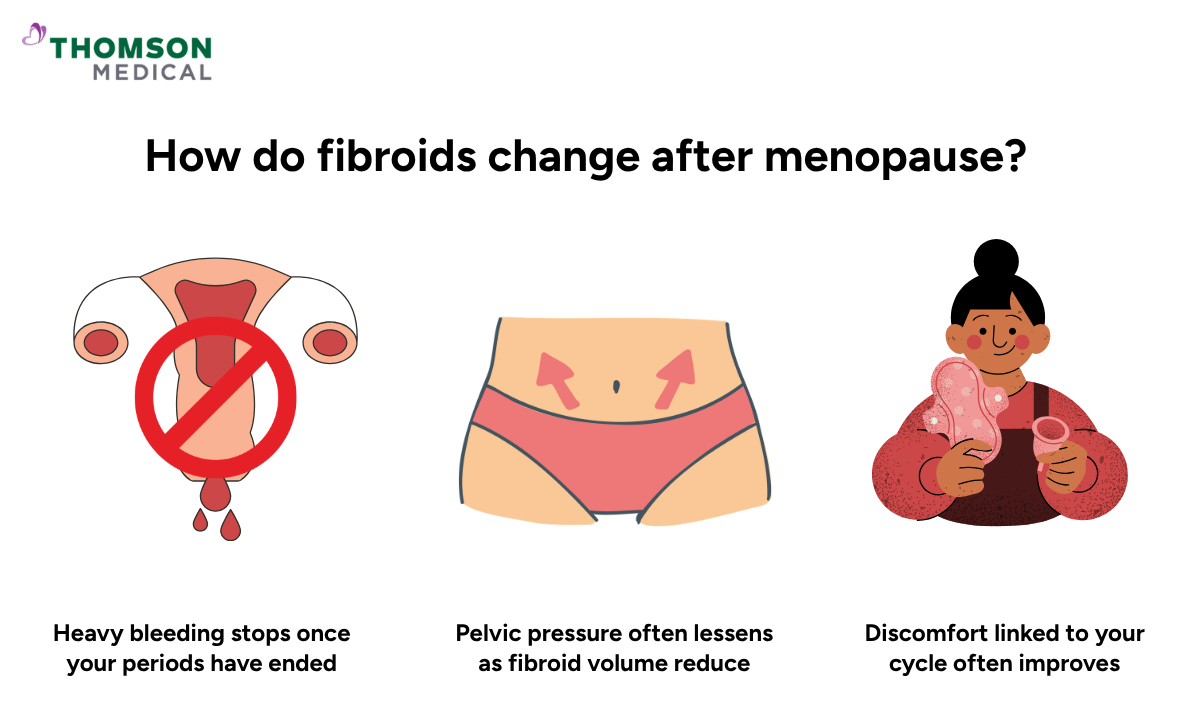
Because fibroids depend on oestrogen and progesterone to grow, the natural drop in these hormones after menopause often works in your favour. Many fibroids shrink on their own, and symptoms that once felt hard to manage tend to ease.
You may notice:
Heavy bleeding stops once your periods have ended
Pelvic pressure often lessens as fibroid volume reduces
Discomfort linked to your cycle often improves
For many women, this leads to a noticeable improvement in day-to-day comfort.
Why do fibroids shrink after menopause, and how quickly?
Without oestrogen and progesterone to sustain them, fibroids lose their main driver for growth.
A few natural changes then work together to reduce their size:
Lower hormonal levels mean fibroids are no longer stimulated to grow
Reduced blood flow to uterine tissue with age contributes to their gradual reduction
Some fibroids may shrink or slowly break down on their own over time
Shrinkage is usually gradual and can take months to a few years. How quickly it happens depends on your age at menopause, the size and location of your fibroids, and your overall hormonal health. Some fibroids shrink considerably, while others reduce only slightly.
Regular reviews with your doctor can help you keep track of changes over time.
When might fibroids not shrink or continue to grow?
Shrinkage is common, but it is not guaranteed. Some fibroids persist or remain large, and in rare cases, existing fibroids may continue to grow after menopause.
This is more likely if:
Your fibroids were very large or numerous before menopause
You have a higher body weight, as fat tissue continues to produce oestrogen after menopause
Certain genetic factors make your fibroids less responsive to hormonal changes
It is extremely rare for new fibroids to form after menopause.
Our gynaecologists
Loading...
What symptoms can fibroids cause after menopause?
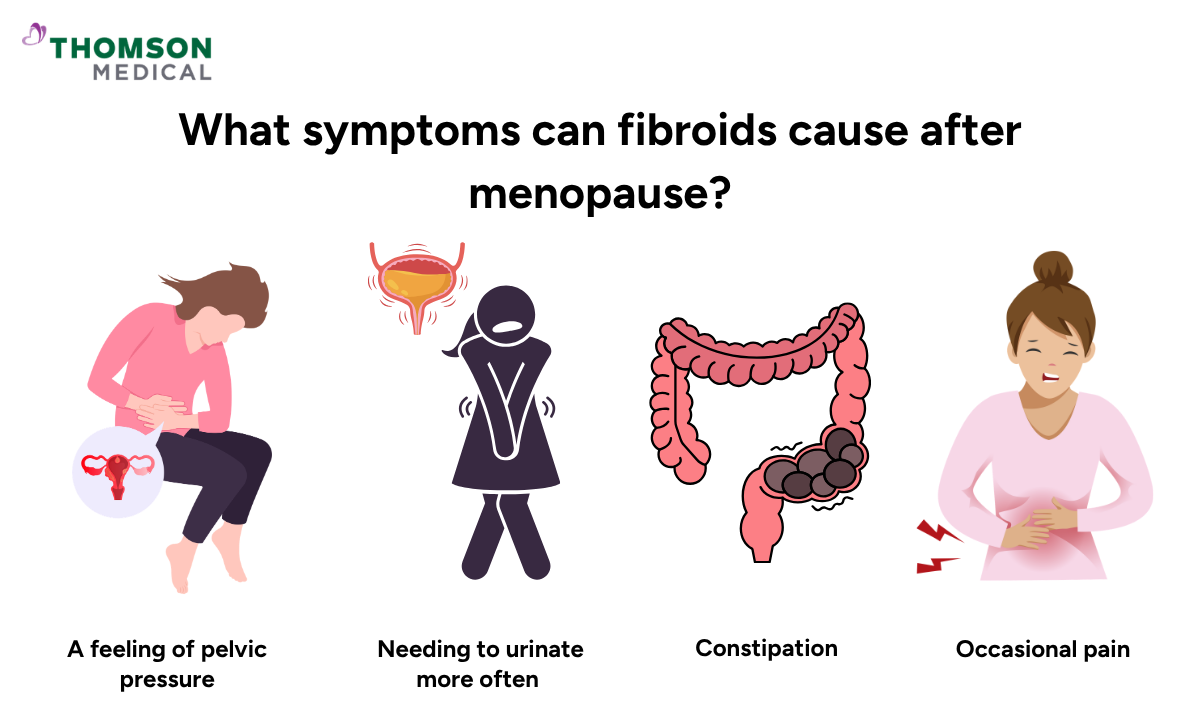
Many postmenopausal fibroids cause no symptoms at all. For many women, this stage of life brings relief from the discomfort they had before. However, some fibroids, particularly larger ones, can still cause discomfort.
You might notice:
A feeling of pelvic pressure or heaviness
Needing to urinate more often if a fibroid is pressing on your bladder
Constipation if a fibroid is pressing on your rectum
Occasional pain if a fibroid starts to break down on its own
One symptom that always needs prompt attention is any bleeding after menopause. While fibroids can occasionally be a factor, any bleeding after your periods have ended needs to be assessed by your doctor to rule out other causes such as endometrial cancer. Please see your doctor as soon as you can if this happens.
If you are experiencing new or persistent symptoms after menopause, request an appointment with Thomson Medical. Our women's health specialist can help you determine whether fibroids or other conditions may be involved.
How are fibroids diagnosed after menopause?
If your doctor suspects fibroids or wants to monitor existing ones, they will usually start with a straightforward assessment and arrange further tests if needed.
Your doctor may recommend one or more of the following:
A pelvic exam to check whether your uterus feels enlarged
An ultrasound scan to confirm the size and location of any fibroids
An MRI scan for a more detailed picture, particularly if fibroids are large or the picture is more complex
An endometrial assessment if you have experienced any bleeding, which looks at the lining of the womb to rule out other causes
After menopause, the diagnostic process is similar, but the clinical focus shifts. Your doctor will check the size of your fibroids and also consider whether they are the likely cause of your symptoms, since other conditions become more common at this stage.
What are the treatment options for fibroids after menopause?
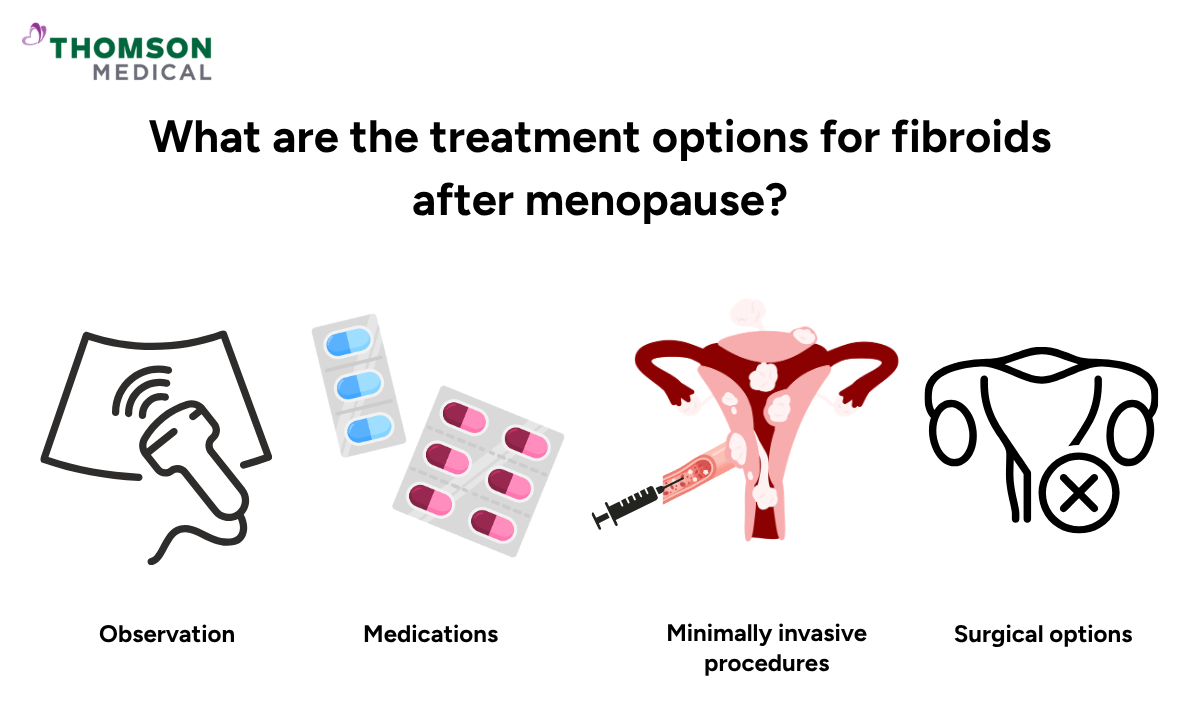
Many women need no treatment at all after menopause. The right approach depends on your symptoms, the size of your fibroids, and your overall health. If treatment is needed, your doctor will talk through the options best suited to you.
Observation
If your fibroids are shrinking and not causing symptoms, regular monitoring is often the most suitable approach. Your doctor may arrange scans from time to time to track any changes and step in only if needed.
Medications
Hormone replacement therapy (HRT) is a treatment that helps manage menopausal symptoms by supplementing oestrogen and progesterone.
If you are taking HRT and your fibroids appear to be responding to it, your doctor may suggest adjusting your prescription. This could mean changing the type of HRT, lowering the dose, or exploring other options more suitable for your situation.
Minimally invasive procedures
For women with persistent symptoms who would prefer to avoid surgery, uterine artery embolisation (UAE) may be an option. This procedure blocks the blood supply to the fibroid, which causes it to shrink.
Surgical options
Surgery is considered when fibroids are large, persistent, or significantly affecting your daily life.
Depending on your situation, your doctor may discuss:
Myomectomy:
Myomectomy removes the fibroid while keeping your uterus in place. This is rarely recommended after menopause but may be suitable in certain situations.
Hysterectomy:
Hysterectomy removes the uterus entirely and can offer lasting relief for women with persistent fibroid symptoms after menopause.
The choice between these options depends on the severity of your symptoms, the size and location of your fibroids, your overall health, and your personal preferences. Surgery after menopause comes with its own considerations, and your doctor will assess these carefully before making a recommendation.
If you have fibroids and are approaching or have reached menopause, staying in contact with your doctor and paying attention to any new symptoms is the most important thing you can do. There are effective options available at every stage, and your doctor can help you find an approach that suits your situation.
Postmenopausal fibroids may not always require treatment, but symptoms should still be assessed. Request an appointment with Thomson Medical for a personalised evaluation and advice on appropriate management options.
FAQ
Should I be concerned about fibroids after menopause?
In most cases, fibroids shrink naturally after menopause and are not dangerous. This is because your body produces less oestrogen and progesterone, the hormones that once helped fibroids grow.
However, it is worth checking if you notice:
- Fibroid growth continuing after menopause
- New pelvic pain, pressure, or abdominal swelling
- Any vaginal bleeding after menopause
- Bladder problems such as urinary incontinence
Can fibroids grow during menopause?
Most fibroids shrink after menopause, so growth is uncommon.
When it does happen, it's usually linked to one of the following:
- Hormone replacement therapy (HRT), which reintroduces oestrogen into your body
- Higher oestrogen levels, which can be influenced by weight or certain metabolic conditions
- Rarely, a malignancy such as uterine leiomyosarcoma (a rare cancerous tumour that can resemble a fibroid)
Do fibroids shrink on their own after menopause?
Yes, most fibroids gradually shrink after menopause due to lower levels of oestrogen and progesterone.
Can certain foods or lifestyle changes reduce fibroid risk after menopause?
While no single food or habit can prevent fibroids entirely, a balanced lifestyle may help support your hormonal health and overall wellbeing.
You can support your overall health by:
- Maintaining a healthy weight
- Exercising regularly
- Eating a high-fibre diet with minimal processed foods
- Limiting alcohol
- Managing stress can all support overall health
What is fibroid degeneration, and is it something to worry about?
Fibroid degeneration is a natural process where a fibroid breaks down on its own after menopause.
In most cases, it is simply a sign that the fibroid is shrinking, which is a normal part of life after menopause. Fibroid degeneration can sometimes cause pain, but new or worsening pelvic pain after menopause should still be assessed by a doctor.
Is a hysterectomy at 60 different from one at 40?
The procedure itself is largely the same, but your overall health, bone density, and recovery capacity are factors your doctor will assess more carefully at 60.
For women who have already reached menopause, the hormonal impact of a hysterectomy is less significant since their ovaries have already reduced their hormone production naturally.
Does a family history of fibroids mean I am more likely to develop them after menopause?
Having a family history of fibroids does increase your overall likelihood of fibroid development. However, after menopause, the risk of new fibroids forming is very low regardless of family history, as oestrogen and progesterone levels fall.
The information provided is intended for general guidance only and should not be considered medical advice. For personalised recommendations and tailored advice based on your unique situations, please consult a specialist at Thomson Medical. Request an appointment with Thomson Medical today.
For more information, contact us:
Thomson Specialists (Women's Health)
Thomson Women's Clinic (TWC)
- Novena:
6592 6686 (Call), 8611 8986 (WA) - Bukit Batok:
6569 0668 (Call), 8686 3525 (WA) - Choa Chu Kang:
6893 1227 (Call), 8282 1796 (WA) Jurong:
6262 8588 (Call), 6262 8588 (WA)- Katong (female doctor):
6970 2272 (Call), 8611 9020 (WA) - Punggol:
6243 6843 (Call), 8811 0328 (WA) - Sembawang: 6753 5228
- Sengkang: 6388 8125
- Serangoon (female doctor): 6382 3313
- Tampines: 6857 6266
- Tiong Bahru: 6276 1525