

As a mother, it is completely natural to worry about whether your baby is getting enough nourishment, especially in the early days of breastfeeding. You might find yourself questioning your body, feeling pulled in different directions by conflicting advice, or wondering if what you eat really affects your milk supply.
The reassuring news is that, for most nursing mothers, a balanced diet is enough to support breastfeeding. Choosing a few nourishing foods for extra support, and knowing when to seek professional guidance, can help ease your worries and build confidence as you continue your breastfeeding journey.
Why does diet matter in milk supply?

The fact that you're thinking about how diet affects milk supply shows how much you care about giving your baby the best start. Many mothers share this concern, especially in those early weeks when everything feels uncertain.
Your body naturally adjusts milk production based on your baby's needs. The more milk your baby removes, the more milk your body is signalled to make.
Generally, here’s how it works:
Hormonal changes after birth:
After birth, hormonal changes signal your milk ducts – the channels that carry milk – to begin production.
The let-down reflex:
When your baby suckles, or even when you hear them cry, oxytocin is released, allowing milk to flow.
Milk removal:
Frequent feeding or pumping empties the breast and signals your body to make more milk.
While milk removal is the strongest driver of supply, your body still needs enough energy and nutrients to respond to these signals. Dehydration and inadequate nutrition can make it harder for milk to flow and for your body to keep up with demand.
This is where food becomes important. Eating regularly and choosing nourishing foods helps support your hormones, maintain your energy levels, and give your body the building blocks it needs to produce milk effectively.
When frequent feeding is combined with proper nourishment, your body is better supported to sustain a healthy milk supply.
What nutrients support a nursing mother?
Your body works hard to produce milk, often prioritising your baby’s needs over your own energy reserves. Eating nourishing foods helps fuel your body's milk production and gives you the stamina to feed and care for your little one.
Key nutrients include:
Vitamin B12:
Supports energy production and helps reduce fatigue.
Found in meat, fish, eggs, dairy, and fortified foods.
Vitamin D:
Important for bone health for both you and your baby, especially if you get limited sun exposure.
Omega-3 fatty acids:
Support your baby’s brain and eye development.
Found in oily fish, chia seeds, flaxseeds, and walnuts.
Vitamin C:
Helps with tissue repair, healing, and immune support.
Found in fruits and vegetables such as citrus, berries, and leafy greens.
Calcium:
Helps protect your bone density while you are breastfeeding.
Found in dairy products, fortified plant milks, tofu, and leafy greens.
These nutrients help your body cope with the demands of making milk and support your health at the same time. Getting enough of them helps you maintain milk production without exhausting your own reserves.
If you have questions about nutrition while breastfeeding or feel run down, consider speaking with a healthcare professional. You may schedule an appointment with the team at Thomson ParentCraft Centre for further guidance.
Our ParentCraft trainers
Loading...
Which foods help boost milk supply?
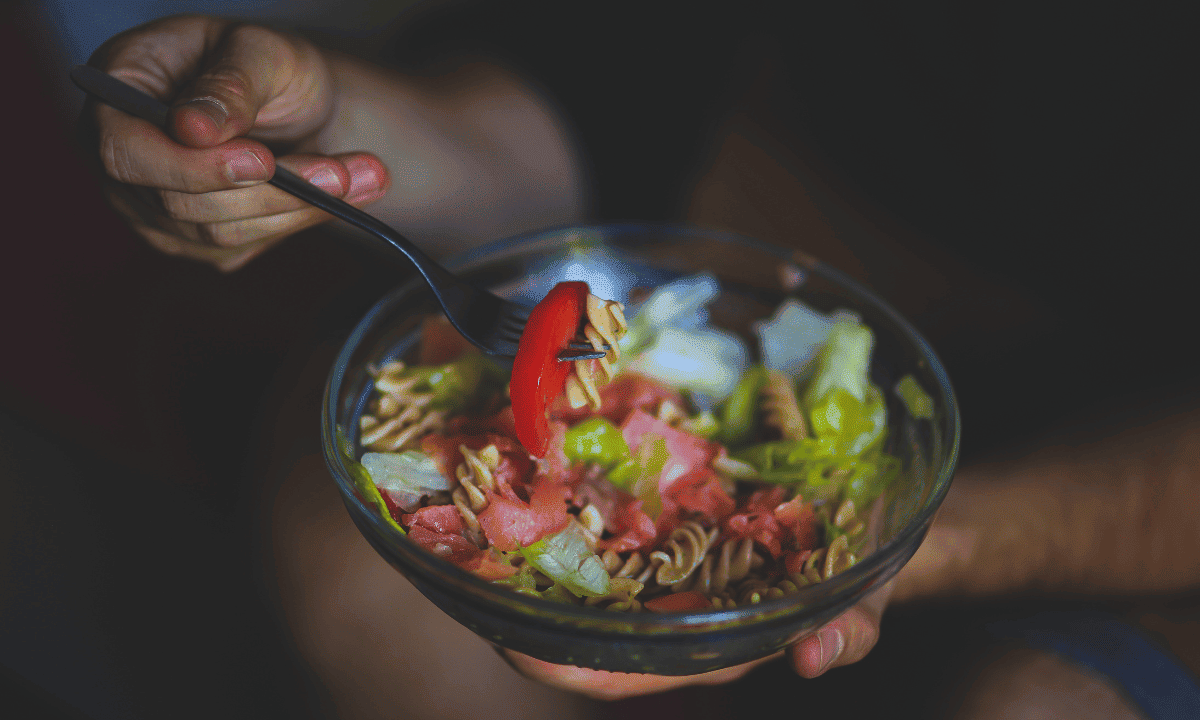
If you've been searching for foods that might help with milk supply, you've probably come across long lists. The truth is, while no single food works like magic, there are nutrient-rich ingredients that have been used across cultures for generations to support breastfeeding.
These foods, sometimes called galactagogues or lactation foods, provide the extra nutrients your body needs to maintain healthy milk production.
Whole grains and complex carbohydrates
Complex carbohydrates are common in many traditional diets for breastfeeding women because your body needs reliable energy. They help keep energy levels steady and provide fibre and nutrients that support hormonal function.
A few simple options to focus on include:
Oat milk:
Oats give you beta-glucan and iron, which may help support your milk supply.
Brown rice:
This provides steady energy to help you get through long days and sleepless nights.
Whole grains:
Whole grains provide B vitamins that support your mood and energy levels.
Warm foods:
Warm foods like oatmeal or porridge are easy to digest and can feel soothing during the early postbirth period.
Adding a bowl of porridge or switching to oat milk in your morning drink is an easy way to support your body. These foods offer both nourishment and comfort, which can help reduce stress and support a healthy let-down reflex.
The power of green vegetables
In many cultures, green leafy vegetables and certain fruits are considered essential during the early postbirth period.
When you include these foods in your meals, you give your body vitamins, minerals, and enzymes that support recovery from birth and help keep your milk nutritionally rich.
A few simple options to focus on include:
Green papaya:
A traditional galactagogue often simmered in soups in many cultures to support breastfeeding.
Beet leaves:
Rich in iron and calcium, beet leaves and other dark greens like spinach can support recovery and reduce fatigue.
Fresh citrus and peppers:
Can provide vitamin C, helping your body repair tissue and absorb iron from other foods more effectively.
Fortified greens:
Can contribute vitamin B12, though supplementation is still important for vegan parents.
Adding leafy greens to your meals or trying green papaya soup is an easy way to nourish your body. When you fuel yourself this way, you support both your own recovery and your baby’s nutrition.
Seeds, nuts, and healthy fats
Your body uses healthy fats to make breast milk and to support your baby’s rapid brain development. When you include seeds and nuts in your meals, you also draw on ingredients that have long been used as herbal remedies to support milk flow and hormonal balance.
A few simple options to focus on include:
Fennel seeds:
Believed to mimic oestrogen and help increase milk supply.
Can also soothe digestion for both you and your baby.
Sesame seeds:
Provide calcium and plant-based oestrogens that support milk quality and bone health.
Flax seeds:
Add healthy fats that support hormone balance and milk production.
Walnuts and chia seeds:
Provide omega-3 fats that support your baby’s brain and eye development.
You can sprinkle flax or sesame seeds onto yoghurt, or chew a teaspoon of fennel seeds after a meal. These small additions add useful nutrients without changing how you already eat, making daily meals easier to manage.
Supplements and specialty foods
When you are busy and short on time, supplements and speciality foods can make it easier to get supportive nutrients without much extra effort. They are not essential, but they can be a helpful addition when cooking or meal planning feels overwhelming.
Brewer’s yeast:
You can add this to smoothies or baking to increase your intake of B vitamins, iron, and protein.
Lactation cookies:
These combine ingredients like oats, flax, and yeast into an easy snack you can eat while feeding.
Vitamin D drops or fortified foods:
You may need these to support bone health for both you and your baby, especially with limited sun exposure.
Lactation supplements:
If food alone feels hard to manage, capsules with concentrated herbs may offer extra support.
Lactation cookies and supplements work best when you use them alongside regular meals and frequent feeding. They can be a convenient boost during long days or nights, helping you feel supported while you care for your milk supply.
If you are unsure which foods best support you during breastfeeding, a consultation may be helpful. You may consider scheduling an appointment at Thomson ParentCraft Centre to discuss food choices and postnatal nutrition support.
When dietary changes aren't enough

If you have adjusted your diet and are still worried about your milk supply, it may be time to get medical support. Food can help, but it cannot address issues like latch problems or how effectively your baby removes milk.
A professional can support you by:
Lactation examination:
A specialist can observe a feed, check for tongue ties, and weigh your baby to give you peace of mind.
Feeding cues:
They can teach you to read early feeding cues to ensure you aren't missing opportunities to nurse.
Breast compressions:
A consultant can show you how to use breast compressions to maximise the milk your baby gets.
Breast pump:
They can check your flange size to improve comfort and milk drainage if you are pumping.
Food reactions:
If your baby is fussy, they can help determine if it is due to food reactions or something else.
Reaching out to a lactation consultant or healthcare professional does not mean you have failed. It means you are taking care of yourself and your baby. With personalised guidance, you can get support that looks at the full picture and helps you move forward with more confidence.
FAQ
How quickly will these foods work?
You may notice a change within 24 to 48 hours, especially if you are feeding or pumping frequently. Results vary from person to person, so consistency matters more than trying something once.
Can I drink regular dairy milk?
Yes, dairy milk can be a good source of calcium and protein for you. If your baby seems unsettled or gassy or develops a rash, you may want to try oat or almond milk and see if symptoms improve.
Do I really need lactation cookies?
No, they are not essential. They are simply a convenient way to eat ingredients like oats, flax, and yeast together, which you can also add easily to your regular meals.
Will spicy food hurt my baby?
Spicy food does not usually cause gas because breast milk is made from your blood, not your stomach contents. You can continue eating a normal diet unless you notice a clear reaction from your baby.
How much water should I drink?
Drink to thirst rather than forcing fluids. Pale yellow urine is a good sign you are hydrated, and keeping water nearby can help you sip regularly.
Can herbs replace pumping or feeding?
No. Foods and herbs can support supply, but milk production depends on frequent and effective milk removal through feeding or pumping.
Is brewer’s yeast safe for everyone?
Most people tolerate it well, but it can cause bloating or gas in some parents and babies. It also contains gluten, so it is not suitable if you have coeliac disease. Starting with a small amount can help you see how your body responds.
The information provided is intended for general guidance only and should not be considered medical advice. For personalised recommendations and tailored advice based on your unique situations, please consult a specialist at Thomson Medical. Request for an appointment today.