

You’ve heard that diet can affect your health, but did you know that certain foods could help protect you from cervical cancer?
Many women wonder whether everyday choices (such as what they eat) can play a supportive role in keeping their bodies healthy. While regular screening and HPV vaccination are still the most effective ways to protect yourself, certain nutrients may support your body’s natural ability to stay healthy.
Learning which foods may help support immune health and cervical cell health, and which habits to limit, can give you a clearer picture of how diet fits into an overall prevention plan. So which foods should you eat more of and which should you avoid?
What is cervical cancer?
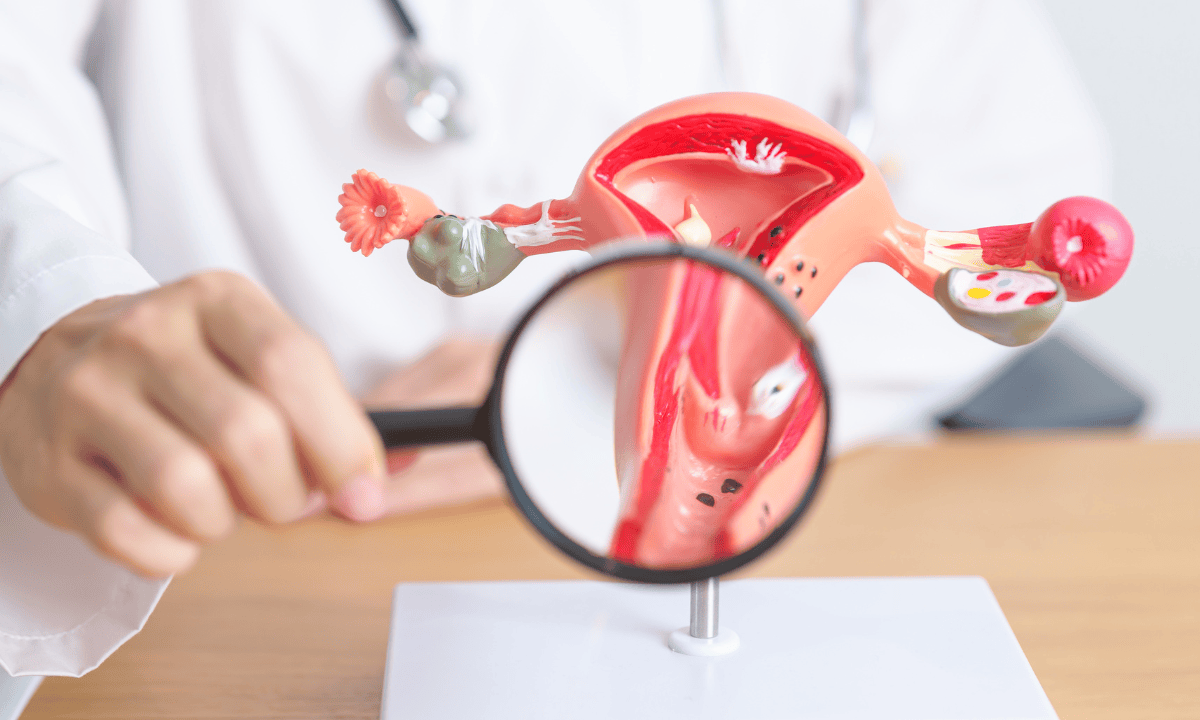
Cervical cancer starts in the cervix, which is the lower part of your uterus that connects to your vagina. Most cases happen because of a long-lasting human papillomavirus (HPV) infection, a common virus you can get through sexual contact.
Your immune system usually clears HPV on its own, but if the infection spreads, abnormal cells can develop and eventually become cancerous. This is why nutritious food is important. What you eat can help your body fight off infections more effectively.
Our cervical cancer specialists
Loading...
Can diet help prevent cervical cancer?
Your diet may not be the only major factor, but it can play an important role. Regular screening and vaccination are your strongest defences against cervical cancer, but the foods you eat on an everyday basis support your body's ability to clear HPV.
Nutritious foods provide antioxidants to protect your cells and vitamins to repair DNA damage. When your body has what it needs, it's better at fighting infections and preventing abnormal cell changes that could lead to cancer.
Which foods should you include to protect your cervix?
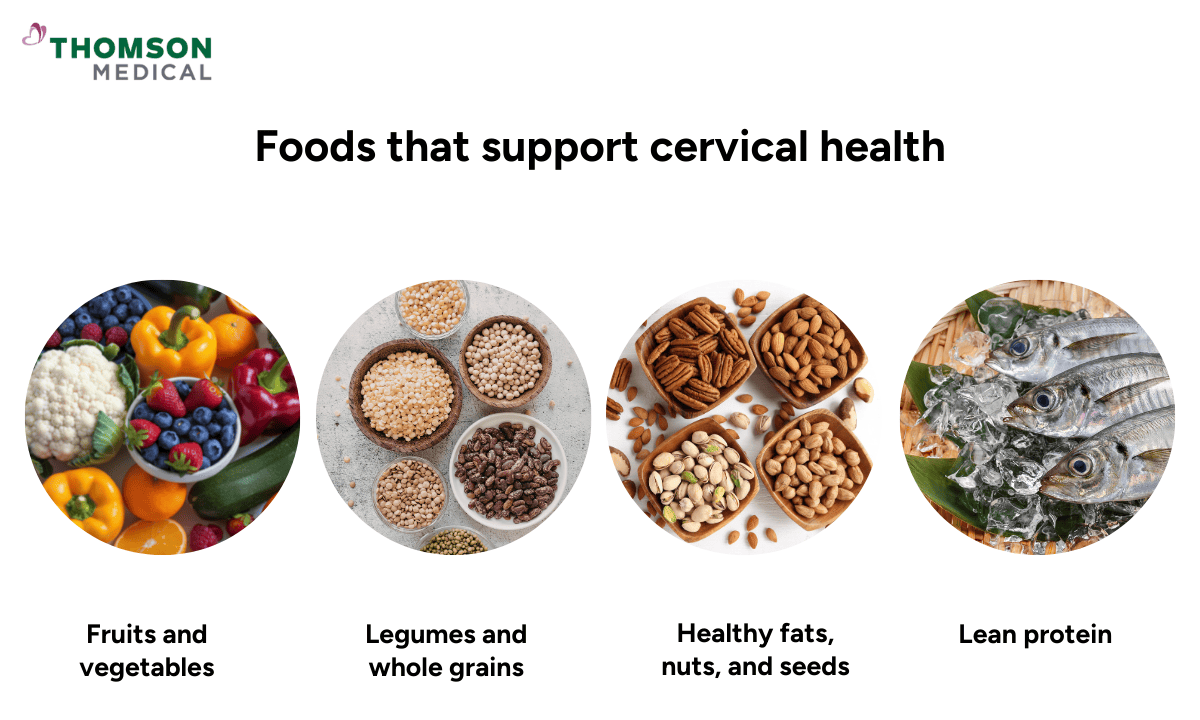
Supporting your cervical health doesn't require expensive imported ingredients or complicated meal plans. The foods that protect your cervix are simply nutritious, whole foods that you can probably find at your local market.
Here's what to add to your plate:
Colourful fruits and vegetables
They're packed with vitamins and antioxidants that help your immune system fight infections:
Dark leafy greens like spinach, kai lan, and bayam
Orange and yellow foods like carrots, papaya, dragon fruit, mangoes, and oranges
Berries such as blueberries, strawberries, and raspberries
Legumes and whole grains
These give you steady energy throughout the day and provide fibre and folate, which your body needs for healthy cell function and DNA repair:
Beans and lentils
Chickpeas
Brown rice and quinoa
Wholemeal bread
Healthy fats, nuts, and seeds
Your body needs good fats to absorb vitamins properly. These provide omega-3s that reduce inflammation in your body and help you absorb fat-soluble vitamins like A, D, E, and K:
Avocados
Almonds and walnuts
Flaxseeds
Olive oil
Lean protein
Protein supports your cell repair and keeps your immune system strong:
Low-fat yoghurt
Fatty fish like sardines and mackerel
Chicken and tofu
Green tea
Green tea contains compounds that may protect against abnormal cell growth in your body. If you're a coffee drinker, try replacing one cup with green tea instead.
Which foods should you limit or avoid?
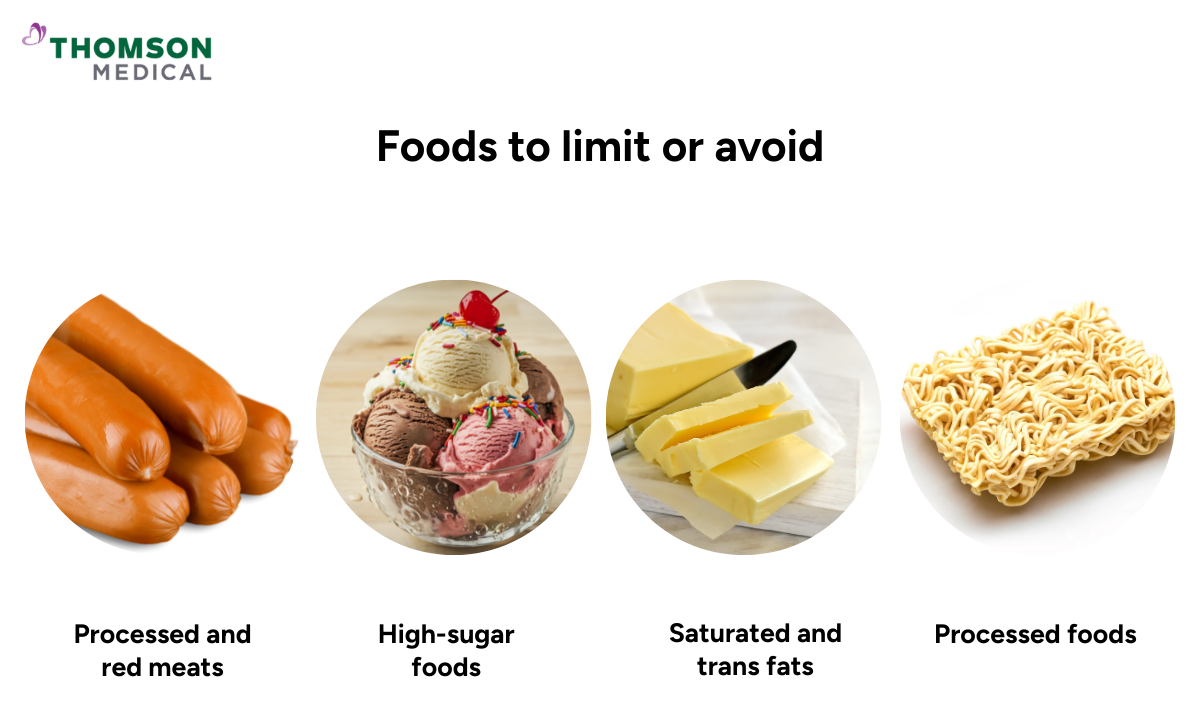
Some foods can promote inflammation or weaken your immune system, making it harder for your body to fight off HPV infections and maintain healthy cervical cells. Try to limit:
Processed and red meats
These can increase inflammation in your body. Try to cut back on:
Hot dogs and deli meats
Beef, pork, and lamb
High-sugar foods
Your body will struggle to fight infections when you eat too much sugar. Cut back on:
Fizzy drinks
Sweets and sugary snacks
Bubble tea
Ice cream
Kaya toast (especially with condensed milk)
Saturated and trans fats
You'll find saturated and trans fats in many animal products and processed foods. They can weaken your body's natural defences:
Butter and cream
Deep-fried items like curry puffs and goreng pisang
Highly processed foods
Processed foods are usually low in fibre but high in sugar, salt, and unhealthy fats. They offer little nutritional value while increasing inflammation:
Instant noodles
Chips and crackers
Frozen ready meals
Alcohol
Alcohol can make it harder for your body to clear HPV infections. Research shows that drinking, even in small amounts, increases your risk of cervical changes. If you drink, keep it to a minimum. The less alcohol you consume, the better your immune system works.
If you’d like personalised guidance on a diet that supports cervical health, request an appointment at Thomson Medical. Our specialists can help you create a balanced meal plan and tailor recommendations to your needs.
How can nutrients help reduce cervical cancer risk?
Good nutrition supports your immune system. It may also help lower your risk of cervical cancer by helping your body manage HPV more effectively.
Folate (vitamin B9) and B12
These vitamins help your body repair DNA and keep your cells healthy. When you're running low on folate, you're at higher risk of developing precancerous changes in your cervix.
You can find these vitamins in spinach, kai lan, lentils, and chickpeas.
Antioxidant vitamins (A, C, E)
These vitamins help protect your cells from damage caused by infections. If you get more vitamin A in your diet, you'll likely have a lower cervical cancer risk. Higher vitamin C levels may help your body clear HPV more quickly. When you get enough vitamin E, it helps reduce inflammation caused by HPV.
Good sources include eggs, leafy greens, carrots, oranges, and papaya.
Vitamin D
This vitamin supports your immune system and may even help improve precancerous conditions. When you get enough vitamin D, your immune system works better.
In Singapore, you can get vitamin D from brief sun exposure, but dietary sources include fatty fish like sardines and mackerel, egg yolks, and fortified milk.
Minerals (zinc, calcium, selenium):
These minerals support your immune system and help your body fight infections. They can slow viral activity (how quickly a virus multiplies and spreads), making it easier for your body to clear HPV.
You can get these minerals from oysters, nuts, seeds, and dairy products.
You don't need to overhaul your entire diet overnight. Simple changes like swapping white rice for brown rice, adding more vegetables to your meals, or choosing fish over red meat can improve your body's ability to fight infections and support your cervical health.
What are the diet tips for preventing cervical cancer?
You can support your cervix every day by filling your plate with a balance of nutrients. Here are some tips to help you get started:
Fill half your plate with colourful vegetables and fruits
Add a quarter with whole grains or legumes
Include a quarter with lean protein like fish, poultry, or plant-based options
Cook with olive oil and snack on nuts or seeds rather than junk food
Drink green tea and plenty of water throughout the day
Pair healthy eating with regular exercise to keep a healthy weight. Quitting unhealthy habits such as smoking can be challenging, but it's one of the most impactful steps you can take for your cervical health.
FAQ
What foods prevent cervical cancer?
No single food prevents cervical cancer, but eating varied, antioxidant-rich foods supports your immune system. Focus on colourful fruits and vegetables like carrots, oranges, spinach, and berries, plus leafy greens, legumes, and whole grains. These foods have vitamins A, C, E, and folate that help your body fight HPV.
What should you eat to keep your cervix healthy?
Eating a balanced plate rich in fruits, vegetables, whole grains, legumes, nuts, seeds, and fatty fish gives your cervix what it needs. These foods provide antioxidants and vitamins that support immune function and protect cells.
Which fruits are best for cervical health?
Citrus fruits like oranges and grapefruits, berries including strawberries and blueberries, plus mangoes and papayas are top choices. They're loaded with vitamins C and E, folate, and antioxidants that strengthen your immune system and protect cells.
Can folic acid help get rid of HPV?
Folic acid isn't a cure for HPV, but it may help your body clear the infection. Some research suggests enough folate, especially with vitamin B12 and other nutrients, may lower the risk of HPV turning into precancerous changes.
What is the best vitamin for cervical health?
Folate (B9) and vitamins C, D, A, and E all help protect your cervix. Folate may slow HPV progression, vitamins C and E act as antioxidants, and vitamin D may support healthy cervical cells.
Are there foods that increase the risk of cervical cancer?
Yes. Foods high in sugar, processed meats, red meats, and unhealthy fats can promote inflammation and weaken your immune system. Diets low in fibre and high in processed foods are linked to higher risk.
Can diet alone prevent cervical cancer?
No. A healthy diet supports cervical health by strengthening your immune system's ability to fight HPV. But it’s only one part of prevention. Vaccination, regular screening, and avoiding smoking are also important.
In Singapore, cervical cancer screening is available through polyclinics and private clinics.
The information is intended for general guidance only and should not be considered medical advice. For personalised recommendations and advice based on your unique situation, please consult a specialist at Thomson Medical. Request an appointment with Thomson Medical today.
Reference:
Guo, L., Zhu, H., Lin, C., Che, J., Tian, X., Han, S., Zhao, H., Zhu, Y., & Mao, D. (2015). Associations between antioxidant vitamins and the risk of invasive cervical cancer in Chinese women: A case-control study. Scientific Reports, 5(1), 13607. https://doi.org/10.1038/srep13607
OH, H. Y., KIM, M. K., SEO, S., LEE, D. O., CHUNG, Y. K., LIM, M. C., … PARK, S. (2015). Alcohol consumption and persistent infection of high-risk human papillomavirus. Epidemiology and Infection, 143(7), 1442–1450. https://doi.org/10.1017/S0950268814002258
Piyathilake, C. J., Macaluso, M., Chambers, M. M., Badiga, S., Siddiqui, N. R., Bell, W. C., Edberg, J. C., Partridge, E. E., Alvarez, R. D., & Johanning, G. L. (2014). Folate and vitamin B12 may play a critical role in lowering the HPV 16 Methylation–Associated risk of developing higher grades of CIN. Cancer Prevention Research, 7(11), 1128–1137. https://doi.org/10.1158/1940-6207.capr-14-0143
Zhang, X., Dai, B., Zhang, B., & Wang, Z. (2012). Vitamin A and risk of cervical cancer: a meta-analysis. Gynecologic oncology, 124(2), 366-373.
For more information, contact us:
Thomson Specialists (Women's Health)
Thomson Women's Clinic (TWC)
- Novena:
6592 6686 (Call), 8611 8986 (WA) - Bukit Batok:
6569 0668 (Call), 8686 3525 (WA) - Choa Chu Kang:
6893 1227 (Call), 8282 1796 (WA) Jurong:
6262 8588 (Call), 6262 8588 (WA)- Katong (female doctor):
6970 2272 (Call), 8611 9020 (WA) - Punggol:
6243 6843 (Call), 8811 0328 (WA) - Sembawang: 6753 5228
- Sengkang: 6388 8125
- Serangoon (female doctor): 6382 3313
- Tampines: 6857 6266
- Tiong Bahru: 6276 1525