

If you’ve recently had a polyp removed, you may be paying more attention to changes in your body, especially bleeding. Bleeding is normal during the healing process. But if it feels heavier than expected, it is natural to feel concerned.
The good news is that in many situations, bleeding after polyp removal can be controlled. Knowing what's normal and what might need medical care will help you feel better as you heal.
What is heavy bleeding after polyp removal?
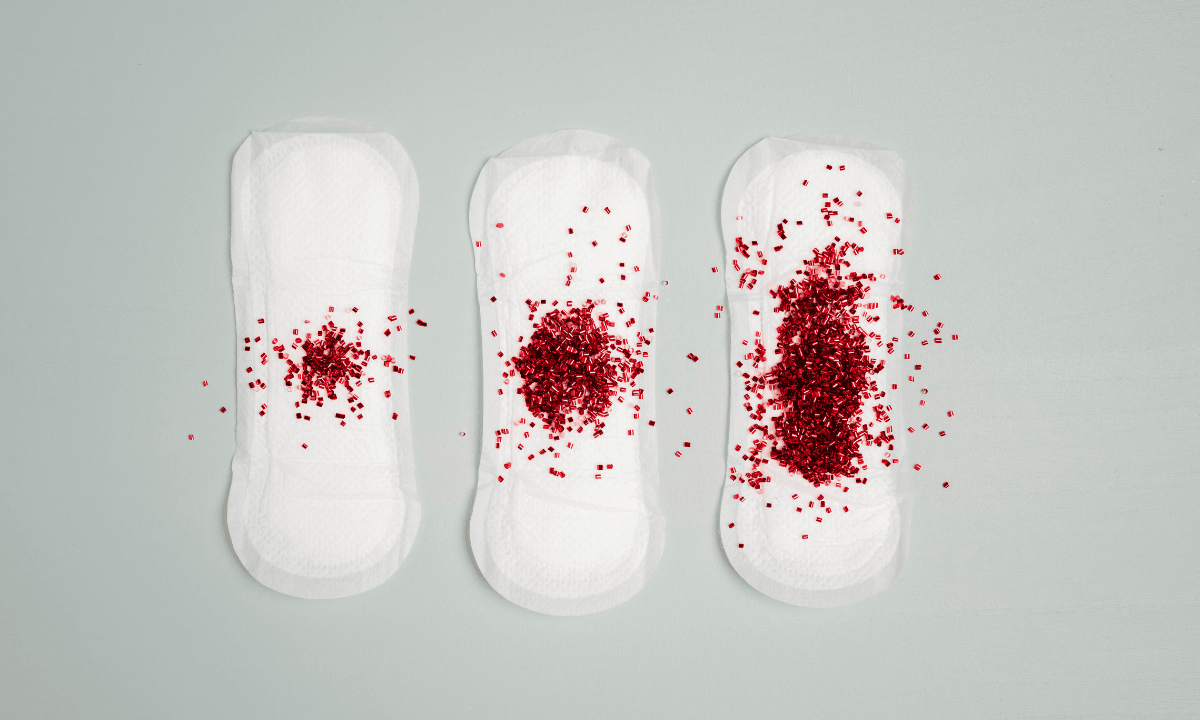
Polyp removal is a minor procedure to remove abnormal tissue growths from areas such as the uterus, colon, or nasal passages. Like any procedure involving tissue, it's normal to have light spotting or mild bleeding for a few days after removing polyps. But you may be unsure how much is considered normal and how to tell when it becomes heavy.
Heavy bleeding generally means:
Soaking through one pad every hour or less
Passing large blood clots
Bleeding that feels similar to or heavier than your usual period (for uterine or cervical polyp removal)
Bleeding that continues longer than expected
You may also notice other symptoms that go along with it, such as:
Dizziness or lightheadedness
Fatigue
Cramping
Heavy bleeding is not usually expected and may signal that something needs further attention. If this happens, it’s important to monitor your symptoms closely and seek medical advice when needed.
What causes heavy bleeding after polyp removal?
If your bleeding feels heavier than expected, you may be wondering what could be causing it.
Possible reasons include:
A small blood vessel at the base of the polyp that continues to bleed, especially if the polyp was larger or located in a more vascular area
Mild trauma to surrounding tissue during the procedure
An underlying condition that affects blood clotting
Infection, which may also come with fever, pain, or unusual discharge
The tissue at the removal site takes longer to shed as it recovers
Most of these causes are temporary and manageable. Your doctor will assess your individual situation to identify what may be causing the bleeding and guide you toward the most appropriate care.
If you’re unsure whether your bleeding is within the expected range, our doctors at Thomson Medical can help you evaluate your symptoms and recommend the appropriate care. Request an appointment today.
Our specialists
Loading...
How is heavy bleeding after polyp removal treated?
If you experience heavier bleeding than expected after polyp removal, you might question what kind of therapy you could need and if it means something dangerous.
In many cases, bleeding can be addressed with the right care, especially when assessed early.
Your doctor will consider:
The location of the polyp (such as uterus, colon, or nose)
How much and how long the bleeding lasts
Any other symptoms that go along with it, like discomfort, dizziness, or fever
The type of procedure you had
Based on these findings, treatment may include:
Monitoring and supportive care
Your doctor may recommend the following if the bleeding is light to moderate and stable:
Observation over a few days
Keeping track of how much and how often you bleed
Avoiding activities that may worsen bleeding
In many cases, bleeding usually stops on its own as the tissue heals.
Medication
Your doctor may also prescribe medications, such as:
Medications to reduce bleeding and support clotting
Pain relief to ease discomfort
Topical or local treatments, such as nasal sprays for nasal polyp procedures
For many people, these are enough to control symptoms without any further intervention.
Treating underlying causes
Treatment will be more focused if a specific cause is found:
Antibiotics if infection is suspected
Taking care of any bleeding disorders that may be present
Once the reason for the bleeding is treated correctly, it normally gets better and stops.
Procedures to control bleeding
In case the bleeding doesn't stop or gets worse, your doctor may recommend:
Cauterisation to stop the bleeding from a blood vessel
Endoscopic reassessment like second hysteroscopy or colonoscopy
Packing or local measures (commonly used after nasal procedures)
These steps are usually straightforward and effective, and they safely stop the bleeding.
Your doctor will work with you to find a treatment option that best fits your condition. In most cases, simple methods are enough, and further treatment is only considered when necessary.
How to manage bleeding at home after polyp removal
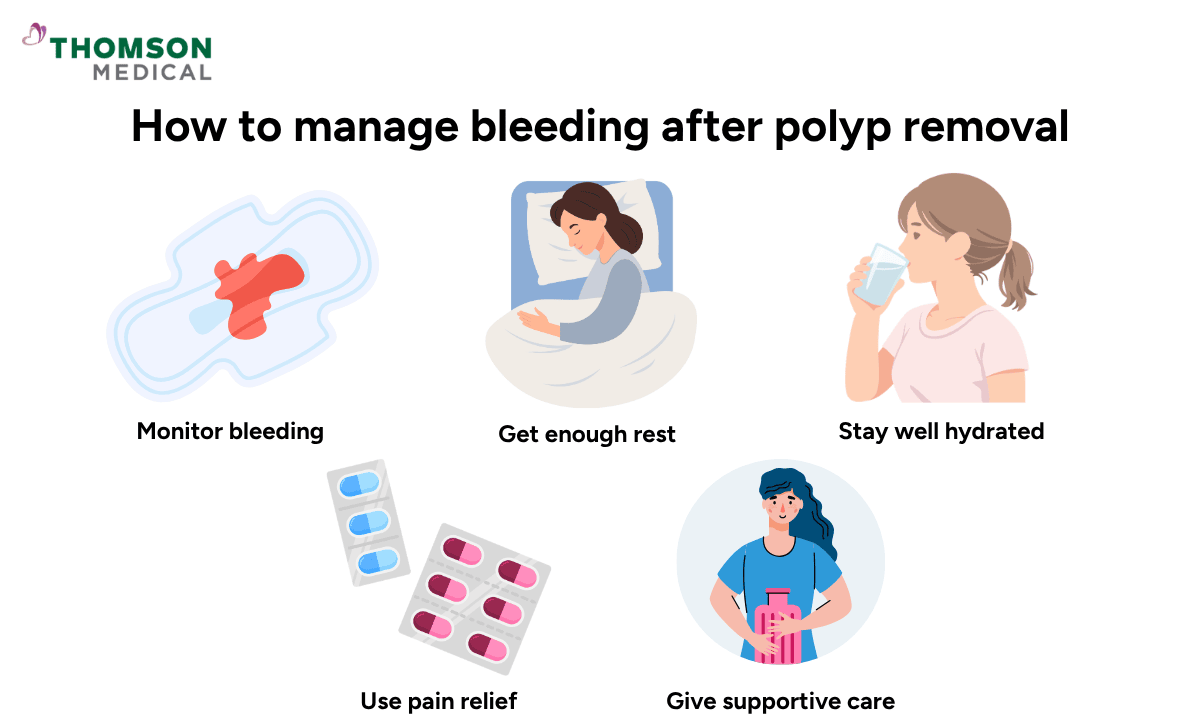
If your bleeding isn’t severe or your doctor has advised monitoring, there are simple things you can do at home to control it and support healing.
What you can do:
Monitor your bleeding (amount, colour, frequency)
Get enough rest, especially in the first few days
Stay well hydrated
Use doctor-recommended pain relief if needed
Give gentle supportive care, such as a warm compress for stomach pain or sitting up straight after a nasal procedure
What to avoid:
Heavy lifting or hard work, which could cause more bleeding
Touching or irritating the area that was treated (for example, picking your nose after having nasal surgery)
Activities your doctor has recommended against (such as intercourse after removing uterine or cervical polyps)
These steps help protect the healing area and lower the risk of further bleeding.
Do you need urgent care if you are bleeding heavily?
When you experience heavy bleeding, it is natural to feel concerned and wonder whether you need to see a doctor right away.
You should seek urgent care if you notice:
Bleeding that soaks through a pad every hour for several hours
Large or frequent blood clots
Severe abdominal pain
Fever or signs of infection
Dizziness, fainting, or weakness
It's best to see a doctor if something feels unusual or gets worse. It's also a good idea to call your doctor for guidance if your symptoms are milder but persistent.
Simple self-care steps, along with knowing when to seek help, can make your recovery smoother and help you feel better about yourself as your body heals.
If your bleeding feels heavier than expected or is not improving, schedule a consultation with Thomson Medical to get help assessing what’s causing it and take steps to control it safely.
FAQ
How much bleeding is too much after polyp removal?
Light spotting or mild bleeding for a few days is common after polyp removal. However, bleeding becomes concerning if you are:
Soaking through more than one pad per hour
Passing large clots
Experiencing symptoms like dizziness, fainting, or weakness
These may suggest a complication, and you should seek medical attention promptly.
How long does recovery take after polyp removal?
Recovery is usually quick. Most people feel back to normal within a few days, although mild cramping or discomfort may last 1–3 days. If the polyp were larger or located in a more vascular area, recovery may take up to 1–2 weeks, with some light spotting during this time.
Can heavy bleeding after polyp removal affect fertility?
This is most relevant for uterine polyp removal, as nasal or colon polyp removal does not directly affect fertility.
For most women, heavy bleeding after removing a uterine polyp doesn’t affect fertility, especially when it is managed early. Once the area heals, the uterus usually returns to normal function.
What should you avoid after polyp removal?
To support healing, it’s best to avoid activities that may increase bleeding or irritate the area. This includes intercourse, tampon use, heavy lifting, and strenuous exercise until your doctor advises it is safe. Following these precautions can help reduce the risk of complications.
How long does polyp bleeding last?
Light bleeding or spotting usually lasts from a few days up to one week. In some cases, it may persist slightly longer, especially after removal of larger polyps.
What is the period like after polyp removal?
Your first period after removal may be slightly heavier or longer than usual, especially if the polyp was in your uterus or cervix. This is usually temporary, and your cycle should return to its usual pattern in the following months.
The information is intended for general guidance only and should not be considered medical advice. For personalised recommendations and advice based on your unique situation, please consult a specialist at Thomson Medical. Request an appointment with Thomson Medical today.
For more information, contact us:
Thomson Medical Concierge
- 8.30am - 5.30pm
- WhatsApp: 9147 2051
Need help finding the right specialist or booking for a group?
Our Medical Concierge is here to help you. Simply fill in our form, and we'll check and connect you with the right specialist promptly.
Notice:
The range of services may vary between Thomson clinic locations. Please contact your preferred branch directly to enquire about the current availability.
Get In Touch