

A cervical cancer diagnosis can bring a rush of emotions, from fear and shock to uncertainty about what lies ahead. Many women naturally find themselves asking difficult questions like “Can I beat this?” and “What should I do now?”
The good news is that cervical cancer is often very treatable, especially when it is found early. Many women can go on to live healthy and fulfilling lives after treatment. Learning about your treatment options and what to expect can help you feel more prepared and supported as you move forward with your care.
What is cervical cancer?
Cervical cancer starts in the cells of your cervix – the lower, narrow part of your uterus that connects to your vagina.
It is caused by a persistent infection with the human papillomavirus (HPV), a common virus that spreads through sexual contact.
Most of the time, your immune system clears the HPV virus on its own. However, if the infection persists over a long period of time, it can cause abnormal cells to grow, which may eventually become cancerous.
Cervical cancer usually has no symptoms in its early stages, but when it progresses, you may notice:
Unusual vaginal bleeding (after intercourse, between periods, or after menopause)
Watery, bloody, or foul-smelling vaginal discharge
Pain during intercourse
Pain in the lower back or pelvic area
It's natural to feel unsure if you're experiencing these symptoms, but try not to worry too much. They don’t always mean cancer, as many conditions also cause these signs. However, it's important to check with your doctor soon. They can give you a clear answer and peace of mind.
What are the stages of cervical cancer?
Cervical cancer is staged using the FIGO system, which helps your doctor know how far the cancer has spread and create the right treatment plan for you.
The stages range from 0 to IV:
Stage 0 (Carcinoma in situ):
Abnormal cells are found only on the surface of your cervix.
Stage I:
Cancer is found only in your cervix.
Stage II:
Cancer has spread beyond your cervix to nearby tissues but hasn't reached the pelvic wall or lower vagina.
Stage III:
Cancer has spread to the lower vagina or pelvic wall and may be affecting your kidneys.
Stage IV:
Cancer has spread to your bladder, rectum, or distant organs, such as your lungs or liver.
Learning about these stages and their meaning may feel overwhelming, but they can help you and your doctor make an informed decision together. It also allows you to ask the right questions, understand your treatment options, and feel more prepared for what's ahead.
No matter what stage you're at, effective treatment options are available. Your doctor will be by your side, guiding you through every decision and supporting you throughout the journey.
How to beat cervical cancer: Treatment options
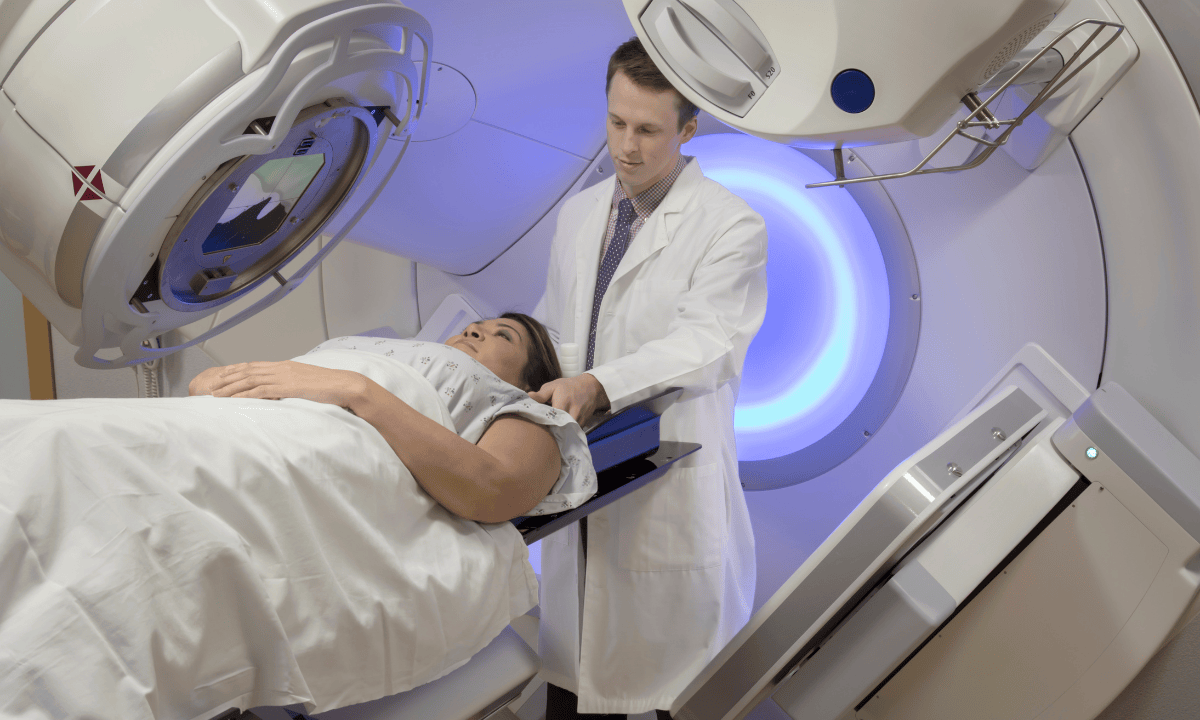
Before deciding the right treatment for you, your doctor will carefully consider several factors, such as the stage of your cancer, your age, your overall health, and whether you want to preserve your fertility. Once that’s done, they will create the most suitable plan based on your personal circumstances.
Here are the main treatment options:
Surgery
Surgery is usually the main treatment option for early-stage cervical cancer. It’s natural to feel anxious, but many surgical options today are minimally invasive with shorter recovery times. You'll experience less discomfort and can get back to your normal life faster than you might expect, sometimes in just a few weeks.
For very early or precancerous conditions (Stage IA1), your doctor may recommend:
Ablation:
Your doctor uses extreme cold or a focused laser beam to destroy abnormal tissue.
Cone biopsy (conisation or LEEP):
During this process, your doctor removes a cone-shaped piece of tissue from your cervix. If the cancer is small and contained within the removed tissue, this may be all the treatment you need.
Radical trachelectomy:
This surgery removes your cervix, some surrounding tissue, and the upper part of your vagina but leaves your uterus in place. This can be a good option if you want to have children in the future.
Hysterectomy (simple or radical):
A hysterectomy is a surgical procedure that involves removing your uterus and cervix. A simple hysterectomy removes just these organs, while a radical hysterectomy also removes surrounding tissues and nearby lymph nodes.
In some cases, your doctor may remove lymph nodes in your pelvic area to see if the cancer has spread. If you have advanced or recurring cancer, you may need a more extensive surgery called pelvic exenteration, but your doctor will only suggest this for a specific situation.
If you feel unsure which surgery may work best for your situation, schedule an appointment with Thomson Medical. Our specialist team will discuss your diagnosis, explain each approach, and help you find the best path forward for your unique situation.
Our cervical cancer specialist
Loading...
Radiation therapy
Radiation therapy (also called radiotherapy) uses high-energy rays to kill cancer cells. Your doctor will suggest this treatment if you’re at a more advanced stage.
There are two main types:
External beam radiation therapy (EBRT):
High-energy rays are directed at your cervix and nearby lymph nodes from outside of your body. Most of the time, you’ll get this treatment five days a week for several weeks. Each session lasts about 15 to 30 minutes.
Internal radiation therapy (brachytherapy):
A radiation source is placed inside your body, next to your cervix. This helps your doctor target cancer cells more precisely and protect nearby organs like the bladder and bowel.
If your cancer is further advanced, your doctor may use this alongside chemotherapy. This combination is a standard treatment approach that brings positive results for many women.
Chemotherapy
Chemotherapy uses drugs to kill cancer cells throughout your body. It’s especially helpful when the cancer has spread beyond your cervix, because the medicines can travel through your bloodstream to reach cancer cells wherever they are.
Sometimes, your doctor recommends chemotherapy before surgery to shrink the tumour or after surgery if they find cancer in your lymph nodes.
However, chemotherapy may cause some side effects, such as fatigue, nausea, and hair loss. To help you manage them, your doctor will monitor you closely and provide support along the way.
Targeted therapy
Targeted therapy uses drugs to specifically block the proteins or genes that help cancer cells grow and spread, while causing less harm to your healthy cells. These drugs are usually given through an IV (into your vein).
This treatment is an option for advanced or recurrent cervical cancer that has returned after other treatments.
Immunotherapy
Immunotherapy helps your own immune system recognise and fight cancer cells. Your doctor usually uses it if the cancer returns after treatment or it has spread to other parts of your body. It can be a second-line treatment when other therapies haven't worked as well as expected.
It’s completely natural to feel overwhelmed and uncertain about which treatment will be right for you. Many women feel the same way at this stage. It's important to remember that treatment isn’t a one-size-fits-all process, and a treatment that works for one person may not be as effective for another. Your doctor will help you understand your options and guide you every step of the way.
Supporting your body during treatment
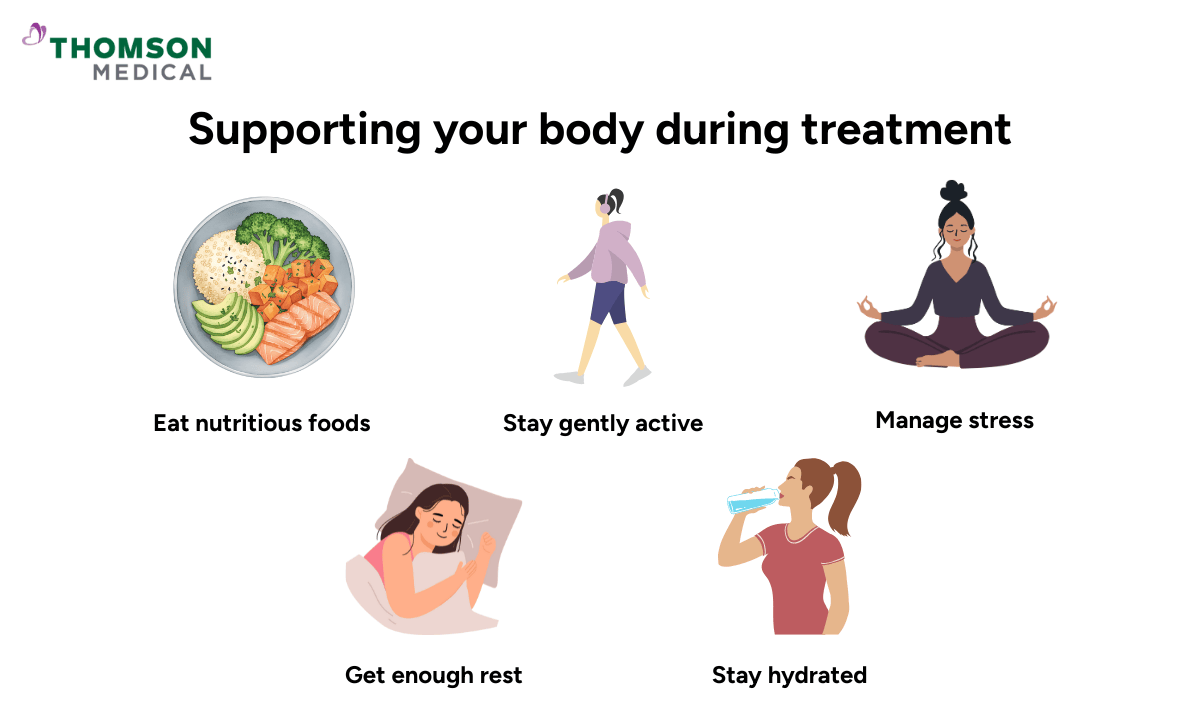
While medical treatment is important, your lifestyle also plays an important role in determining how well your body handles this stressful situation.
During treatment, your body will need a lot of energy, both physically and mentally. A healthy lifestyle can help support your body and potentially even improve your outcomes.
Here are a few things you can do:
Eat nutritious foods:
Eating a balanced diet rich in fruits, vegetables, and protein helps your body heal and stay strong during treatment.
Stay gently active:
Light physical activity like walking can boost your energy, reduce fatigue, and improve your mood. However, everyone’s energy level is different during treatment; your doctor will help you figure out what’s safe and comfortable for you.
Manage stress:
Meditation, yoga, or talking with a counsellor can help you feel calmer during this challenging time.
Get enough rest:
Getting enough sleep allows your body to recover and rebuild.
Stay hydrated:
Drinking plenty of water helps flush toxins and supports your body during treatment.
Although these lifestyle practices won't replace medical treatment, they can make a real difference in how you feel and how well your body responds to treatment.
Recovery after the treatment
Recovery after cervical cancer treatment looks different for everyone. The treatment you receive, your age, and your overall health will all affect how quickly you heal and feel better.
It can feel challenging for the first few weeks when your body heals. You might experience bleeding or discharge, fatigue, and discomfort in your pelvic area – these are all normal parts of recovery. Your doctor will help you manage these symptoms and ease the discomfort.
As the weeks pass, you’ll start to see your energy and your strength coming back. During this time, gentle activities and nourishing meals can support your healing. Regular check-ins with your doctor also help you stay on track and ensure everything is progressing well.
Recovery takes time, and everyone's journey is different. Many women get back to normal activities within a few weeks and fully recover within a few months, while others may need more time, and that’s okay. Remember that you don’t have to navigate this alone. If you're struggling, feeling uncertain, or simply need reassurance, your doctor is there to support you through this.
If you're looking for personalised cervical cancer care, schedule an appointment with Thomson Medical. Our experienced healthcare team will support you at every stage, from understanding your diagnosis to creating a treatment plan and monitoring your recovery.
FAQ
Can cervical cancer be cured?
Yes, cervical cancer can be cured, especially if it is found and treated early.
When detected at an early stage, treatments are usually effective, with over a 90% success rate.
In later stages, the treatment may become more challenging, but your doctor will work closely with you to control the disease and improve your quality of life.
Which treatment is right for me?
The right cervical cancer treatment depends on the cancer's stage, your overall health, and your desire for future pregnancy.
For early-stage cancers:
Your treatment plan may include surgeries like a radical trachelectomy or cone biopsy.
For more advanced cases:
You may be suggested a combination of chemotherapy and radiation or a hysterectomy.
Your doctor will explain all options, discuss side effects, and help you decide what’s best for your situation.
What can you do to reduce your risk of cervical cancer?
There are some practical steps you can take to protect yourself:
Getting the HPV vaccination:
The HPV vaccine is very effective at preventing the infection that causes most cervical cancers.
Having regular screening:
A Pap test and HPV test can catch problems early when they’re easiest to treat.
Practising safe sex:
Using condoms and limiting your number of partners can lower your risk.
Quitting smoking:
Giving up smoking helps your immune system get rid of HPV infections and reduces your chance of cervical cancer.
What are the survival rates for cervical cancer?
Cervical cancer survival rates depend on the stage at diagnosis.
The survival rate for very early-stage cancers (Stage IA) is high, nearly 100%. However, in later stages, this rate is about 20%.
These numbers only give you a general picture, and they can’t predict your outcome. Your age, overall health, and how your cancer responds to treatment all play a role.
What are the complications of cervical cancer?
Both the cancer itself and its treatments can lead to complications.
When the cancer spreads to other parts of your body (metastasis), it can affect your fertility or cause kidney problems, pain, and bleeding.
The treatments may cause changes in your bladder and bowels and impact your sexual health.
How long can cervical cancer go unnoticed?
Cervical cancer can go unnoticed for quite a long time, sometimes months or even years, because it often develops slowly and doesn’t cause any symptoms in its early stages.
In many cases, the progression from an HPV infection to precancerous cells and then to cancer can take 10 to 20 years.
The information provided is intended for general guidance only and should not be considered medical advice. For personalised recommendations and advice based on your unique situation, please consult a specialist at Thomson Medical. Request an appointment with Thomson Medical today.
For more information, contact us:
Thomson Specialists (Women's Health)
Thomson Women's Clinic (TWC)
- Novena:
6592 6686 (Call), 8611 8986 (WA) - Bukit Batok:
6569 0668 (Call), 8686 3525 (WA) - Choa Chu Kang:
6893 1227 (Call), 8282 1796 (WA) Jurong:
6262 8588 (Call), 6262 8588 (WA)- Katong (female doctor):
6970 2272 (Call), 8611 9020 (WA) - Punggol:
6243 6843 (Call), 8811 0328 (WA) - Sembawang: 6753 5228
- Sengkang: 6388 8125
- Serangoon (female doctor): 6382 3313
- Tampines: 6857 6266
- Tiong Bahru: 6276 1525