

If you have had a hysterectomy, it is natural to wonder whether cervical cancer is still something you need to be aware of. Many women assume that once the uterus is removed, the risk ends.
In most cases, the risk becomes very low – but it doesn’t disappear entirely. Knowing the type of surgery you had and understanding the role of HPV can help you feel more prepared and reassured about what to look out for.
Types of hysterectomies
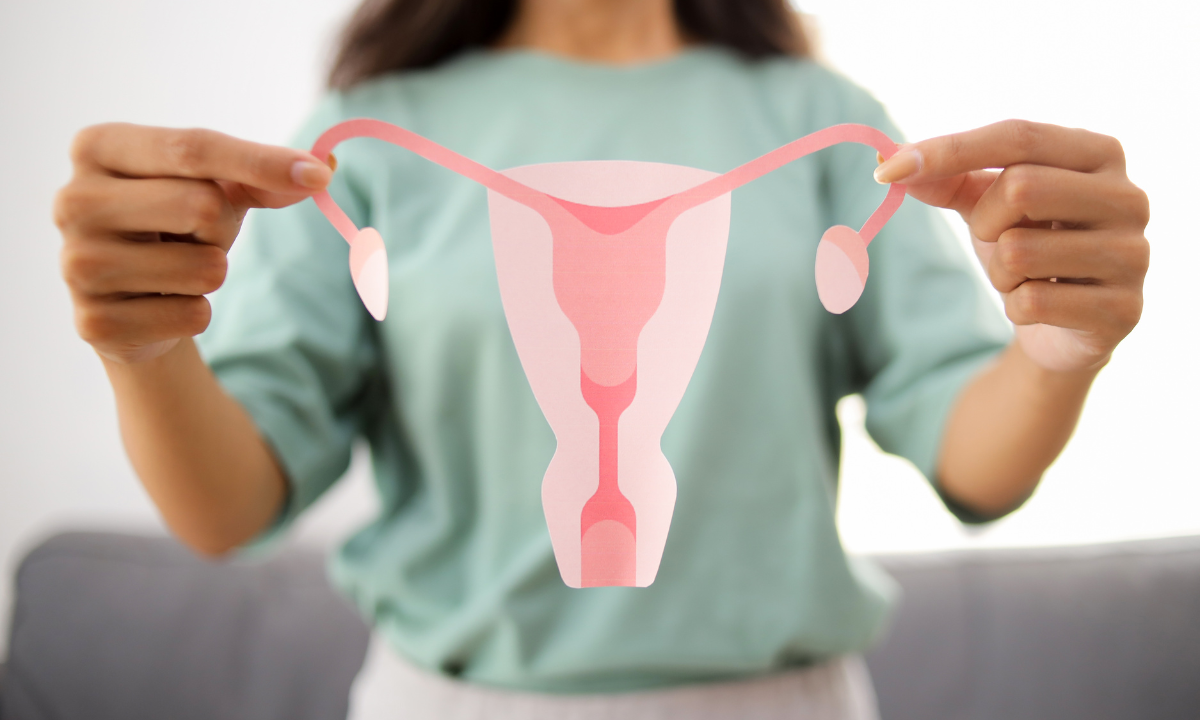
A hysterectomy is a surgical procedure to remove the uterus. After this surgery, you will no longer have menstrual periods, and you cannot become pregnant.
Although it is a major procedure, for many women, it helps relieve long-standing symptoms such as heavy bleeding, pelvic pain, or fibroids.
Not all hysterectomies are identical. The type of procedure you had directly influences whether you still have any cervical tissue and therefore whether cervical cancer is still possible.
It’s completely understandable if you’re unsure which type of hysterectomy you had. Here’s a simple breakdown to help you understand what it means for your long-term cervical health.
Type of hysterectomy | What is removed | Cervix removed? | What that means for your risk |
Total hysterectomy | Uterus and cervix | Yes
| Cervical cancer risk becomes very low, though changes can still occur in the top of the vagina |
Subtotal or supracervical hysterectomy | Uterus only
| No | Cervix remains, so your cervical cancer risk stays the same |
Radical hysterectomy | Uterus, cervix, part of vagina and surrounding tissues | Yes | Cervical cancer risk is almost eliminated, though rare recurrences can occur |
Hysterectomy with salpingo-oophorectomy | Uterus, cervix and fallopian tubes, sometimes ovaries | Depends | Risk depends on whether the cervix was removed |
If your cervix was not removed, you are still at risk of developing cervical cancer in the same way you were before surgery.
Even when the cervix has been entirely removed, HPV-related cell changes can sometimes develop in the upper part of the vagina. This is known as vaginal intraepithelial neoplasia, and although it is uncommon, doctors still monitor for it.
Is cervical cancer still possible after a hysterectomy?
Yes, although it is rare. Your personal risk can vary, and understanding these factors can offer clarity and reassurance:
Whether your cervix was removed:
If you had a subtotal hysterectomy, your cervix is still present. This means routine cervical screening is still important, as your risk remains similar to before surgery.
Any precancerous or cancerous cells before surgery:
If you previously had abnormal or precancerous cells that were not completely removed, there may be a small chance of these changes returning.
Persistent HPV infection:
High-risk HPV can stay quietly in the body for many years. Even without a cervix, it can still affect nearby tissues.
Small amounts of cervical tissue left behind:
Very rarely, tiny pieces of cervical tissue may remain after surgery. It does not always lead to danger, but if HPV is still present, these cells can sometimes change over time.
Type of hysterectomy you had:
A total or radical hysterectomy greatly lowers the risk of cervical cancer. Still, no surgery can offer complete protection if high-risk HPV is active.
If you’ve had a hysterectomy and are concerned about your ongoing risk, schedule an appointment with Thomson Medical. Our doctor can examine your medical history, clarify the necessary screening or monitoring, and offer tailored advice.
Signs of cervical cancer after hysterectomy
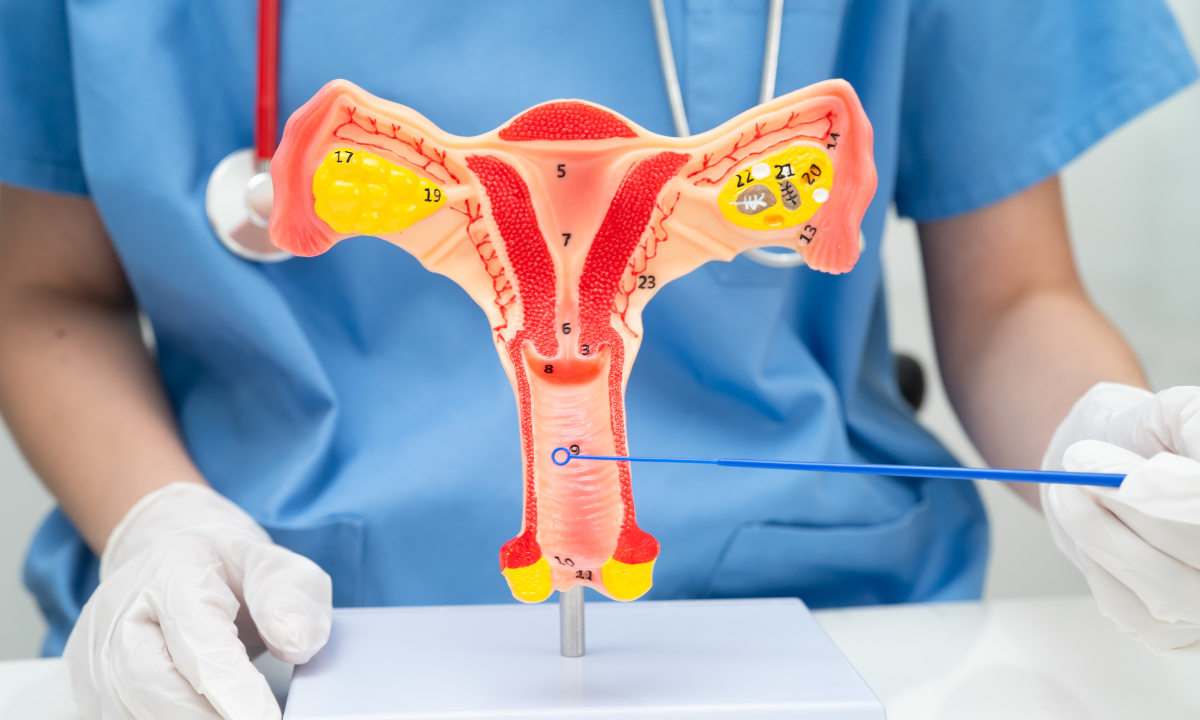
Cervical or vaginal cancer after a hysterectomy is uncommon, but when it does occur, the signs can be subtle at first. Early stages often cause no symptoms at all, which is why regular monitoring remains important for women with a cervix or a history of cervical disease.
When symptoms appear, they can include:
Abnormal vaginal bleeding
This is one of the most important symptoms to pay attention to after a hysterectomy. Vaginal bleeding can appear in different ways, and each deserves proper assessment. It may happen:
after sexual intercourse
between periods (if the ovaries are still producing hormones)
after many years of no bleeding at all
Any unexpected bleeding after a hysterectomy should be taken seriously.
Unusual vaginal discharge
Discharge can change for many benign reasons, but persistent or unusual changes may indicate an underlying problem. It may be:
watery
bloody
persistent
foul-smelling
Any discharge that feels “not normal for you” should be checked, especially if it continues for more than a couple of weeks.
Pain during sexual intercourse
Pain or discomfort during penetration may occur when the vaginal cuff (the top of the vagina where the cervix used to be) becomes inflamed, scarred, or affected by abnormal cell changes. This may feel like:
A sharp pain during deep penetration
A pulling or tearing sensation
Lingering soreness after intercourse
While many women experience some vaginal dryness or sensitivity after hysterectomy due to hormonal changes, new or worsening pain is a reason to see your doctor.
Pelvic pain or pressure
A sense of heaviness, pressure or dull aching in the lower pelvis may develop gradually. It may feel like:
A constant “dragging” sensation
Pressure deep inside the pelvis
Dull pain that comes and goes
Discomfort that worsens when sitting or lying down for long periods
Pelvic pressure can result from swelling, inflammation or tissue changes around the vaginal cuff, lymph nodes, or nearby organs.
Lower back, hip or thigh discomfort
As cervical or vaginal cuff cancer develops, it can irritate the nerves and tissues surrounding your pelvis. This may lead to:
Persistent lower back pain that doesn’t improve with rest
Aching in the hips or groin area
Shooting or burning pain down the thighs
These symptoms have many possible causes, and most are not cancer. But if the discomfort does not improve over time, it is important to follow up with your doctor.
Swelling in the legs
This is an uncommon but significant sign. Swelling in one or both legs can happen when the lymph nodes in the pelvis are affected, causing fluid to build up. You may notice:
Visible swelling in the lower leg or ankle
A heavy, tight, or achy feeling
Skin that feels firm or puffy to the touch
While these symptoms can feel worrying, they’re often caused by many non-cancerous conditions. Still, it’s always safest to have them checked.
If you have had a hysterectomy and noticed any new, persistent, or unexplained symptoms, schedule an appointment with Thomson Medical today. Early evaluation often brings reassurance and can help identify any problems while they're still easy to manage.
Cancer screening after a hysterectomy
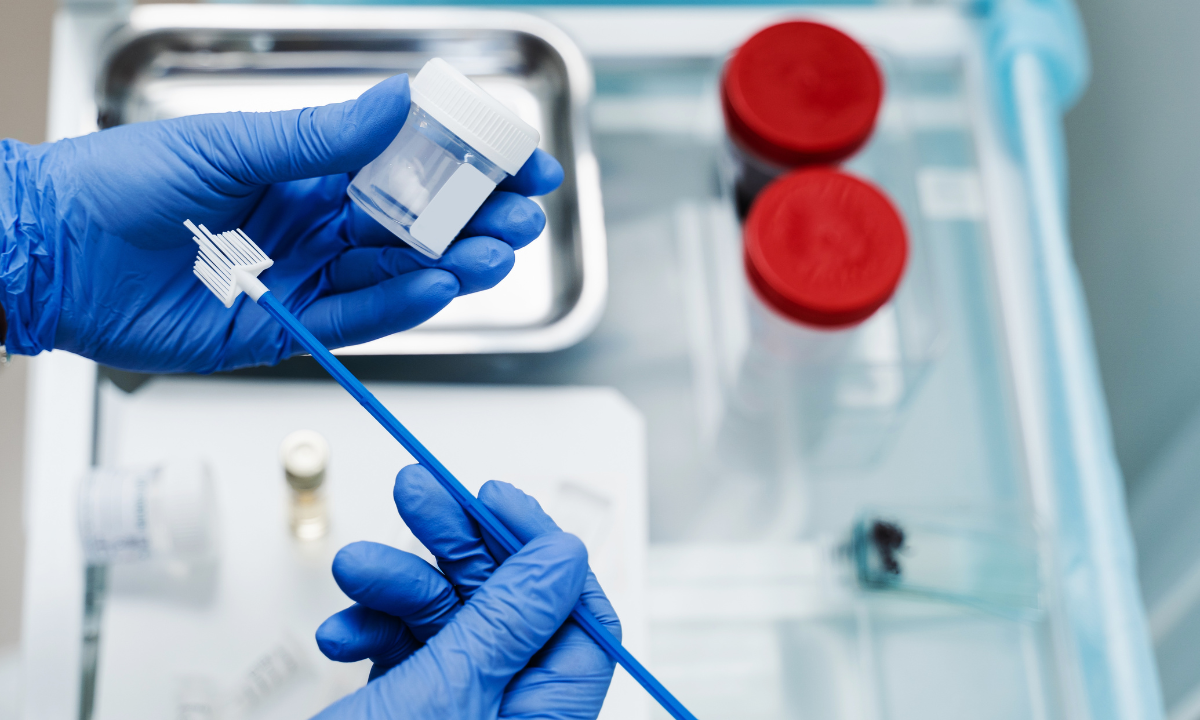
Whether you need continued cervical screening depends on:
why you had the hysterectomy
whether the cervix was removed
any past history of abnormal cervical cells or HPV
Here is a breakdown for each type:
Hysterectomy type | Reason for surgery | Screening needed? |
Total hysterectomy, cervix removed | Non-cancerous reasons (fibroids, endometriosis) | Usually no. If you never had abnormal cells, routine cervical screening is not required. |
Subtotal hysterectomy, cervix intact | Benign (non-cancerous) reasons | Yes. Continue regular Pap smears and HPV tests because the cervix is still present. |
Any hysterectomy for cancer or precancer | CIN2/3 (moderate to severe precancerous changes in cervical cells) or cervical cancer | Yes. Lifelong. Ongoing screening helps monitor for recurrence. |
Even after the cervix is removed, women who have had abnormal Pap tests or persistent high-risk HPV may still need vaginal vault smears, a simple test that collects cells from the top of the vagina to check for any abnormal changes. Vaginal vault smears are usually quick and painless – for many women, it can feel similar to a routine Pap smear.
Our cervical cancer specialist
Loading...
Do you need pap smears and HPV tests if you have had a hysterectomy?
You may still need screening if:
your cervix was not removed
you previously had cervical dysplasia (CIN2 or CIN3)
you had cervical cancer before the operation
you have a weakened immune system
your doctor wants to monitor healing or check for HPV-related cell changes
You likely do not need Pap smears if:
you had a total hysterectomy for a benign condition
you have no history of cervical abnormalities
your doctor confirms complete removal of the cervix and no prior disease
Because every woman’s medical history is unique, your gynaecologist will recommend the screening schedule that best fits your needs.
Monitoring cervical cancer after hysterectomy

Even after a hysterectomy, follow-up care remains important for some women. While the risk of cervical cancer is greatly reduced, especially if the cervix was removed, your healthcare team may still recommend monitoring to ensure any abnormal changes are detected early.
Post-hysterectomy monitoring typically involves:
Vaginal vault Pap smears:
These collect cells from the vaginal cuff and help detect abnormal changes early.
HPV DNA testing:
This identifies high-risk HPV strains linked to cancer. Knowing whether HPV is present helps doctors understand your long-term risk.
Pelvic examinations:
A physical exam allows your doctor to check for anything unusual, such as abnormal tissue, lumps, sores, or signs of infection or inflammation.
Colposcopy or biopsy:
These tests are performed if any abnormal results appear, allowing closer inspection and sample collection for accurate diagnosis.
These are performed if any abnormal test results appear. They allow closer inspection and sample collection for accurate diagnosis.
If you’ve had a hysterectomy and want guidance on follow-up care, schedule an appointment with Thomson Medical. Our doctors can help determine which tests are needed and ensure any changes are detected early for your peace of mind.
How often do you need monitoring?
The exact timing of follow-up depends on your individual history and risk factors. Your doctor will consider any previous abnormal Pap results, cervical dysplasia, cancer, or persistent high-risk HPV to determine the schedule that is safest for you. Regular monitoring helps catch any changes early and gives you peace of mind.
Every three years if you have consistently normal results and no history of cervical disease.
Every year if you have had cervical dysplasia, cervical cancer, or persistent high-risk HPV.
Long-term follow-up remains important because HPV-related cell changes can occur many years after hysterectomy.
FAQ
Why might someone still be at risk for cervical cancer after a hysterectomy?
Cervical cancer risk remains if your cervix is still present, as the abnormal cells originate in cervical tissue. Even without a cervix, HPV can persist in your body and affect nearby tissues, such as the vaginal cuff.
If HPV was present before surgery, it may remain dormant or reactivate later. In addition, small amounts of cervical cells may occasionally remain after surgery, although this is uncommon. These factors mean that a small risk can continue even after hysterectomy.
Is it possible to detect cervical cancer after a hysterectomy?
Yes. Detection is possible through pelvic examinations, vaginal cuff Pap tests and HPV testing. These tests evaluate the health of the vaginal tissues and any remaining cervical cells.
If abnormalities appear, colposcopy or biopsy can confirm whether any precancerous or cancerous changes exist. Early detection leads to significantly better outcomes, which is why your doctor may recommend ongoing follow-up in certain cases.
How often should you go to a gynaecologist after a hysterectomy?
Most women benefit from at least one visit a year, even if their uterus and cervix were removed. Annual check-ups help your doctor assess the healing process, look for signs of infection, review hormone-related changes and ensure that there are no suspicious findings in the vaginal cuff or surrounding tissues.
If you have a history of cervical abnormalities, more frequent monitoring may be advised.
How effective are Pap smears after a hysterectomy?
Pap smears remain effective when they are targeted correctly. Instead of collecting cells from the cervix, the swab collects cells from the upper part of the vagina. This allows doctors to identify early changes linked to HPV, inflammation or precancerous lesions.
For women with a history of cervical disease, these tests are a valuable tool for ongoing surveillance and reassurance.
Does HPV go away after a hysterectomy?
Not necessarily. A hysterectomy removes organs but does not remove viruses. HPV can remain inside the body, often in a dormant or inactive state.
The immune system clears or suppresses the virus in many women, which is positive, but reactivation is possible, especially during times of stress, illness or weakened immunity. This is why ongoing monitoring may still be recommended for certain women.
How do you check for HPV after a hysterectomy?
Your doctor can perform an HPV DNA test during a pelvic examination. A small swab is used to collect cells from the vaginal cuff. These cells are tested for high-risk HPV types that can cause abnormal changes in the future.
This process is simple, quick and generally no more uncomfortable than a routine Pap test.
The information provided is intended for general guidance only and should not be considered medical advice. For personalised recommendations and tailored advice based on your unique situations, please consult a specialist at Thomson Medical. Request an appointment with Thomson Medical today.
For more information, contact us:
Thomson Fertility
- Paragon: 6252 7766
- Novena: 6399 3758, 8811 0358 (WA)
Thomson Specialists (Women's Health)
Thomson Women's Clinic
- Novena:
6592 6686 (Call), 8611 8986 (WA) - Bukit Batok:
6569 0668 (Call), 8686 3525 (WA) - Choa Chu Kang:
6893 1227 (Call), 8282 1796 (WA) Jurong:
6262 8588 (Call), 6262 8588 (WA)- Katong (female doctor):
6970 2272 (Call), 8611 9020 (WA) - Punggol:
6243 6843 (Call), 8811 0328 (WA) - Sembawang: 6753 5228
- Sengkang: 6388 8125
- Serangoon (female doctor): 6382 3313
- Tampines: 6857 6266
- Tiong Bahru: 6276 1525