

When people hear about HPV, they often think about women and cervical cancer. But HPV doesn’t only affect women – men can get HPV too.
In fact, many men carry the virus without realising it because HPV often causes no symptoms.
The good news is that most HPV infections clear on their own without causing serious health problems. Still, understanding how HPV affects men can help you recognise possible symptoms, protect your health, and reduce the risk of passing the virus to your partner.
What is HPV?
Human papillomavirus (HPV) is a group of more than 200 related viruses that infect the skin and mucous membranes.
In men, HPV can affect areas such as:
The penis
The scrotum
The anus
The mouth and throat
The surrounding genital skin
HPV is extremely common, and most sexually active people will encounter the virus at some point in their lives.
How do men get HPV?
HPV spreads through close physical contact, and many people are exposed without realising it.
There are a few common ways you may be exposed to HPV:
Intimate genital contact:
HPV most often spreads through intimate contact involving the genital area with a partner who carries the virus.
Skin-to-skin contact in the genital area:
Even without penetrative intercourse, you can get HPV through genital rubbing, contact with genital warts (visible or microscopic), or sharing intimate devices.
Contact involving the mouth or anal area:
HPV can also spread through intimate contact involving the mouth, throat, or anal area.
It is natural to feel concerned, but learning how HPV spreads can help you take simple steps to protect both your health and your partner’s.
What health problems can HPV cause in men?
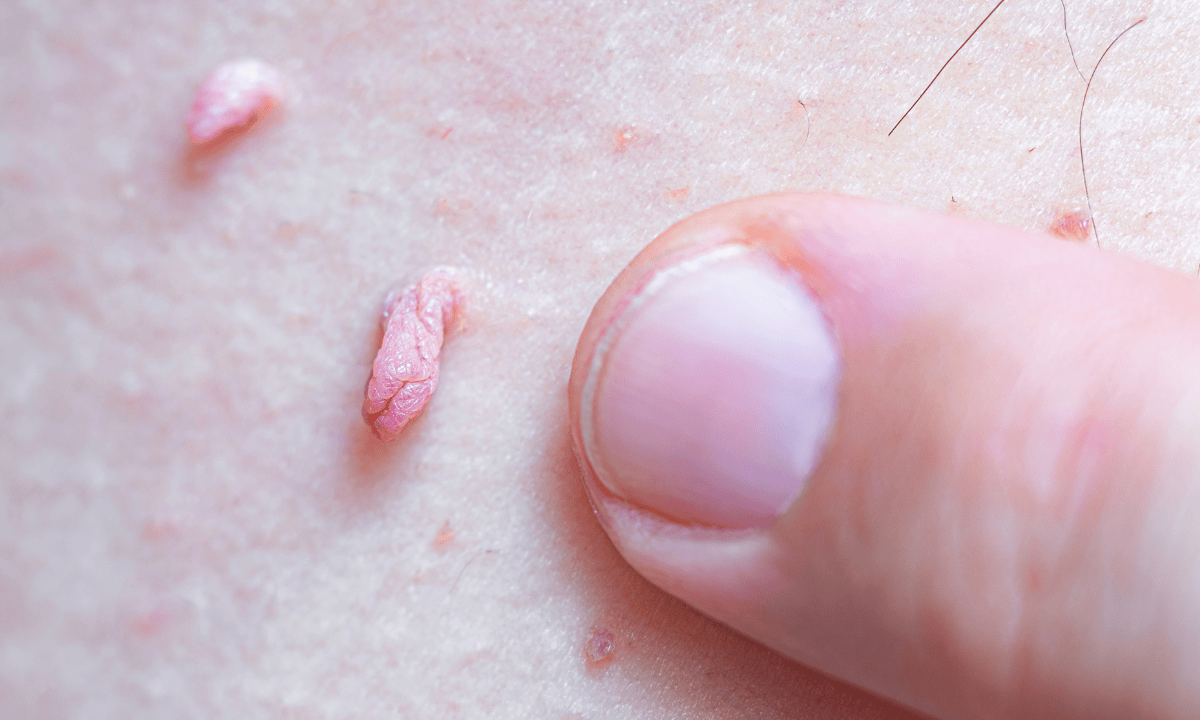
If you have recently learned about HPV, you might wonder what it could mean for your health. The first thing to know is that most HPV infections do not cause serious problems. In many cases, your immune system clears the virus naturally within a year or two without you even noticing.
HPV types are divided into "low-risk" and "high-risk" depending on how the virus may affect your body in the long term.
Low-risk HPV: genital warts
Low-risk HPV strains, such as HPV 6 and HPV 11, generally don’t cause cancer. Instead, they may lead to genital warts, which are small skin growths around the genital or anal area.
These warts are not dangerous, although they can feel uncomfortable or cause embarrassment for some people. In most cases, your doctor has several effective ways to remove them if needed.
High-risk HPV: long-term health risks
High-risk HPV strains, such as HPV 16 and HPV 18, may increase your risk of certain cancers over time.
In men, these cancers may include:
Anal cancer
Penile cancer
Oropharyngeal cancer (affecting the throat, tonsils, or base of the tongue)
It is important to remember that such serious cases usually occur only when a high-risk HPV infection persists for many years and gradually. If the HPV infection is identified early – before it causes changes in cells – treatment options are generally simpler and more straightforward.
Common symptoms of HPV infection in men
Many men with HPV experience no symptoms at all.
When symptoms do appear, they most often involve genital warts. You might notice:
Small bumps around the penis, scrotum, groin, or anus
Clusters of bumps that look a bit like cauliflower
Flat or slightly raised skin lesions
In rare cases, HPV-related cancers may cause symptoms such as:
Persistent sore throat
Difficulty swallowing
Unusual lumps or growths in the genital or anal area
Bleeding or pain that doesn’t improve
If you notice any unusual changes in your body that do not go away, it’s important to consult your doctor. Getting checked early can help you understand what is happening and give you peace of mind.
Concerned about symptoms or possible HPV exposure? Speaking with our doctors can help you understand your risks and the next steps for testing or treatment. Request an appointment with Thomson Medical.
Our HPV specialists
Loading...
How HPV is diagnosed in men
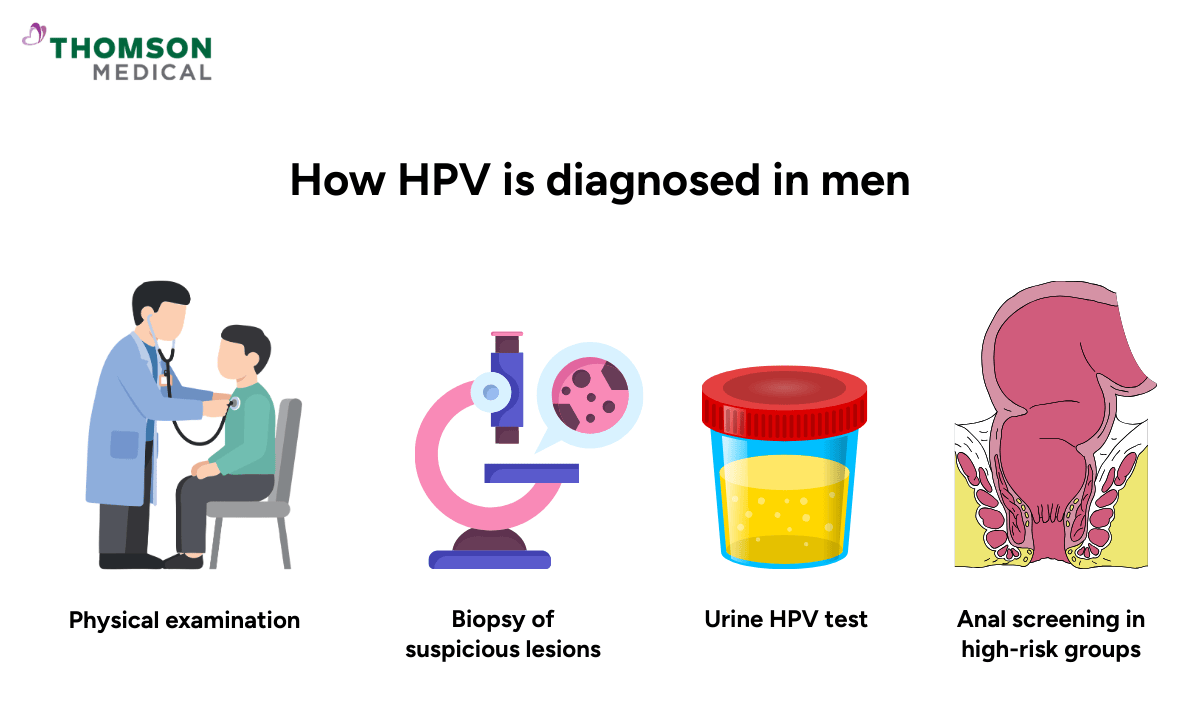
Unlike cervical cancer screening in women, there isn’t a routine HPV test recommended for most men.
Instead, your doctor usually diagnoses HPV based on:
Physical examination:
Your doctor may identify genital warts during a clinical exam.
Biopsy of suspicious lesions:
If a lesion appears unusual or persistent, your doctor usually takes a small tissue sample for testing.
Urine HPV test:
HPV urine testing is a non-invasive method used to detect high-risk HPV strains in men.
Anal screening:
For some people with higher risk, such as those who receive anal sexual intercourse or have a weakened immune system, your doctor may suggest anal screening or additional tests.
Your doctor will recommend the most appropriate tests based on your symptoms, medical history, and the type of intimate contact you may have had.
Treatment options for HPV in men
If you are diagnosed with HPV, it is natural to wonder what treatment might involve. It helps to know that many HPV infections don’t require specific treatment, especially if they are not causing symptoms. In many cases, your doctor monitors the situation while your body manages the virus.
When treatment is needed, the goal is usually to manage symptoms or address any visible changes, rather than to treat the virus itself.
Treatment for genital warts
If HPV causes genital warts, your doctor may recommend treatment to remove them.
Treatment options for genital warts may include:
Prescription creams or topical medications
Cryotherapy (freezing the warts)
Laser treatment
Minor surgical removal
These treatments can safely remove the visible warts and help improve comfort and appearance.
Monitoring or removing abnormal lesions
If your doctor notices an unusual or persistent lesion, they may suggest monitoring it closely or removing a small sample for further evaluation. This helps ensure that any changes are assessed early and managed appropriately.
Treatment for HPV-related cancers
In rare cases where HPV leads to cancer, treatment options may include surgery, radiotherapy, chemotherapy, or a combination of these approaches. Your doctor will guide you through the most suitable treatment plan based on your individual situation.
How to prevent HPV infection in men
Although HPV is very common, there are effective ways to reduce your risk of infection, such as:
HPV vaccination:
The HPV vaccine protects against the most common high-risk and wart-causing HPV types.
Barrier protection during intimate contact:
Using condoms or dental barriers can lower the risk of HPV transmission, although they can’t eliminate it completely.
Regular health checks:
Pay attention to changes in your body, and consult your doctor if you notice unusual growths, persistent sores, or unexplained symptoms.
Open communication with your partner:
Talking openly about sexual health and protection helps both you and your partner make informed decisions.
These simple steps can help you stay informed, lower your risk of HPV-related problems, and support the wellbeing of your partner.
If you have questions about HPV vaccination or screening, consider scheduling a consultation with Thomson Medical. Our doctors can assess your personal risk, discuss your health history, and recommend the most appropriate tests or preventive steps for you.
FAQ
Can men be tested for HPV?
There is no routine HPV test for most men. Your doctor usually diagnoses HPV based on physical examination or by evaluating suspicious lesions if symptoms appear.
How long does HPV last in men?
HPV infections often resolve within 1–2 years. In some cases, the virus may persist longer, especially with high-risk HPV types.
Can men transmit HPV even without symptoms?
Yes, HPV can be transmitted even when there are no visible symptoms or warts.
Is the HPV vaccine effective for adult men?
Yes, the HPV vaccine can still provide protection for adult men by preventing infection with the most common high-risk and wart-causing HPV types.
Do symptoms look different in men vs women?
Some symptoms are similar in men and women, such as genital warts. However, HPV may affect different areas depending on where the infection occurs:
In men, HPV commonly affects the penis, scrotum, anus, or throat
In women, it often affects the cervix, vagina, vulva, or throat
Can HPV cause infertility in men?
HPV isn’t considered a common cause of male infertility. Most men with HPV have normal fertility and are able to conceive without problems. However, in rare cases, HPV infection in semen may affect sperm quality, such as sperm motility or the ability of sperm to bind to the egg.
The information is intended for general guidance only and should not be considered medical advice. For personalised recommendations and advice based on your unique situation, please consult a specialist at Thomson Medical. Request an appointment with Thomson Medical today.
For more information, contact us:
Thomson Medical Concierge
- 8.30am - 5.30pm
- WhatsApp: 9147 2051
Need help finding the right specialist or booking for a group?
Our Medical Concierge is here to help you. Simply fill in our form, and we'll check and connect you with the right specialist promptly.
Notice:
The range of services may vary between Thomson clinic locations. Please contact your preferred branch directly to enquire about the current availability.
Get In Touch