

For many couples, IVF is the first thing that comes to mind when they start looking into fertility treatment. It’s the one that gets talked about the most and often the one peers have been through.
But it isn’t always where treatment begins. Depending on what’s behind the difficulty conceiving, your doctor may discuss other options first, from timed intercourse and ovulation induction to intrauterine insemination (IUI) or surgery. Here’s what each fertility treatment involves and when it’s typically considered.
What are fertility treatments?

Fertility treatments are medical approaches usually used when a couple is having difficulty conceiving due to fertility issues. As these challenges may stem from either partner or a combination of factors, your doctor will recommend a personalised treatment plan following a fertility evaluation.
Fertility issues that may affect men include:
Low or absent sperm production
Abnormal sperm function
Chromosome abnormalities
Hormone disorders
Varicoceles, which are enlarged veins in the scrotum around the testicle
Immune system problems, such as having antisperm antibodies, which may impair sperm function
Meanwhile, fertility issues that may impact women include:
Ovulation problems
Pelvic inflammatory disease
Anatomical issues, such as blocked fallopian tubes
Immune system problems, such as having antisperm antibodies
Endometriosis, a condition where tissue similar to the lining of the womb grows outside of it
When should you consider fertility treatment?
When you and your partner have been trying to conceive naturally for a while without positive results. It is understandable if both of you start to question when to consider fertility treatment options.
You may consider fertility care if:
You and your partner are under 35 and have not conceived after 12 months of regular and unprotected intercourse.
You and your partner are 35 or older and have not conceived after 6 months of trying.
You or your partner have a known or suspected fertility-related issue.
When you and your partner are considering getting fertility care, your doctor may review your medical and reproductive history and arrange tests based on your circumstances. These tests may include:
A review of medical and reproductive history
Tests to check ovulation
Blood tests or scans to assess the ovaries, womb, and fallopian tubes
If you have concerns about your fertility conditions or are unsure whether you should seek an assessment, a fertility specialist could review your medical history and advise you on the next steps to take. Schedule an appointment at Thomson Fertility Singapore.
Our fertility doctors in Singapore
Loading...
What treatment options are available?
After a fertility assessment, your doctor may discuss options based on the fertility assessment findings and your treatment goals. The fertility options that your doctor may recommend based on your conditions include:
In vitro fertilisation (IVF)
IVF is a type of assisted reproductive technology (ART) that helps you conceive when natural fertilisation is not possible. The process begins with hormonal injections that stimulate your ovaries to produce multiple eggs. Right before ovulation, your doctor will retrieve these eggs and fertilise them with sperm in a laboratory.
After developing for 3 to 6 days, one or more resulting embryos are transferred into your womb so they implant in the uterine lining. If an embryo implants successfully, the pregnancy develops in the same way as a natural pregnancy. A complete IVF cycle usually takes 4 to 6 weeks but may be longer if necessary.
Your doctor may recommend IVF treatment if they find:
Blocked fallopian tubes
Previous tubal ligation surgery
Ovulation disorders
Endometriosis
Unexplained infertility
Age-related decline in fertility
Additionally, IVF treatment may be recommended when a man has these conditions:
Oligospermia: a condition where there is a low sperm count.
Azoospermia: a situation where no sperm are found in the ejaculate.
Teratozoospermia: an issue where a high proportion of sperm have an abnormal shape.
Asthenozoospermia: a condition where sperm have reduced movement or poor motility.
Your doctor may discuss IVF based on the fertility assessment test results or if previous attempts with other fertility treatments have not resulted in pregnancy. Although IVF is one of several approaches a doctor may discuss, it is not always the first treatment option for everyone.
Intrauterine insemination (IUI)
IUI is a fertility treatment where prepared sperm is placed directly into the womb around the time of ovulation. The aim is to increase the number of sperm that reach the fallopian tubes, where fertilisation usually takes place.
This treatment is usually the first recommended before going into IVF. Your doctor may recommend IVF after several attempts of IUI have not resulted in pregnancy.
Before the IUI treatment begins, your doctor may perform several procedures, such as:
Tracking ovulation with urine tests, blood tests, or ultrasound scans
Using medications to stimulate follicle development (small fluid-filled sacs in the ovaries that contain eggs) and ovulation
Giving hormone injections, such as human chorionic gonadotrophin (hCG) when appropriate
IUI may be considered for couples who face unexplained infertility, mild sperm-related fertility factors, or ovulatory dysfunction. It may not be suitable when both fallopian tubes are blocked or the sperm-related factors are severe.
Timed intercourse and ovulation tracking
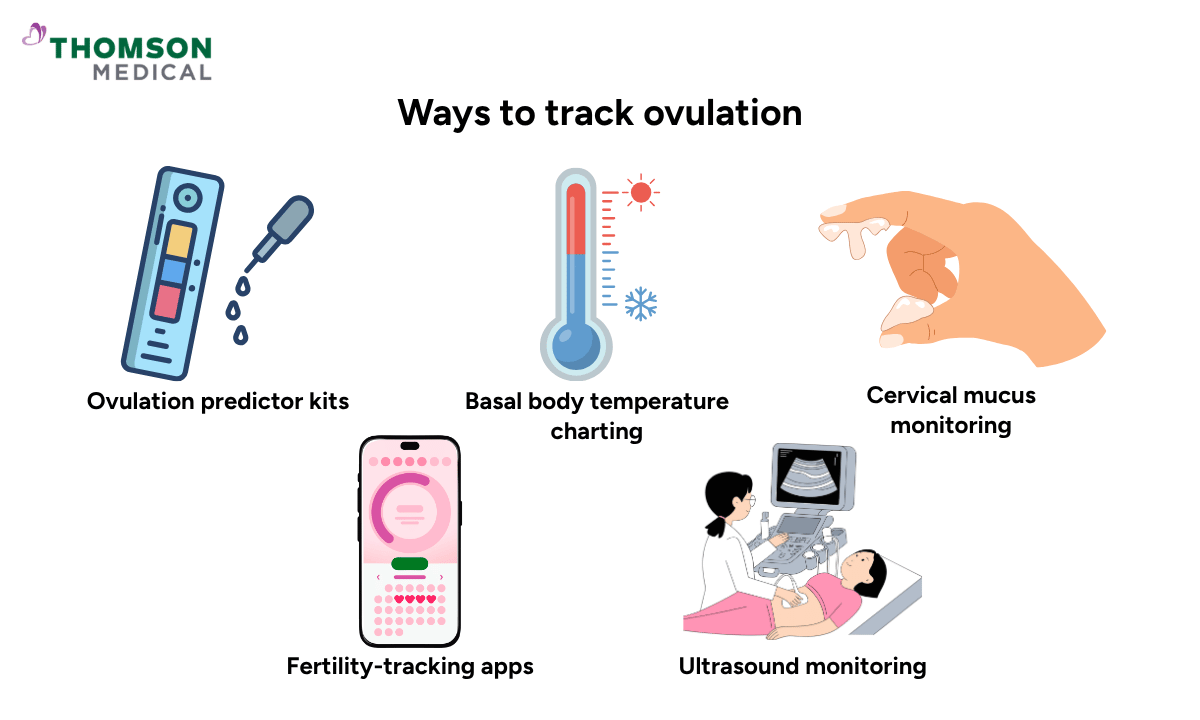
Timed intercourse involves planning sexual intercourse around your fertile window – the days leading up to ovulation, the ovulation day, and when an egg is released from the ovary. This non-invasive approach may help you identify the time in your menstrual cycle when pregnancy is more likely to occur.
Ovulation may be tracked using one or more of the following methods:
Ovulation predictor kits:
Use home urine tests to detect a rise in luteinising hormone (LH), which is a hormone that helps trigger ovulation.
A rise in LH may suggest that ovulation is likely to occur soon, although the test cannot confirm that an egg has been released.
Basal body temperature (BBT) charting:
Take your temperature immediately after waking each day, before getting out of bed.
If your temperature rises and stays high for several days, this may suggest that ovulation has already occurred.
Cervical mucus monitoring:
Monitor changes in your cervical mucus throughout your cycle. Clear, wet, and slippery mucus may suggest that ovulation is approaching.
Fertility-tracking apps:
You may use an app to record your cycle dates, symptoms, temperatures, and ovulation test results.
However, app-based ovulation predictions may be less reliable if your cycles are irregular.
Ultrasound monitoring:
Visit a fertility clinic or hospital for ultrasound scans that track follicle growth. This may help estimate when ovulation is likely to occur.
Timed intercourse and ovulation tracking may be considered by your doctor if you:
Have regular menstrual cycles
Do not have a known fertility-related condition
Prefer a non-invasive and lower-cost approach before considering other treatment
This method may be less suitable as a standalone approach for women with irregular or absent periods or with known fallopian tube blockage and for men with sperm-related fertility issues. In these cases, your doctor may advise on whether further assessment or an alternative approach is appropriate.
Fertility medications
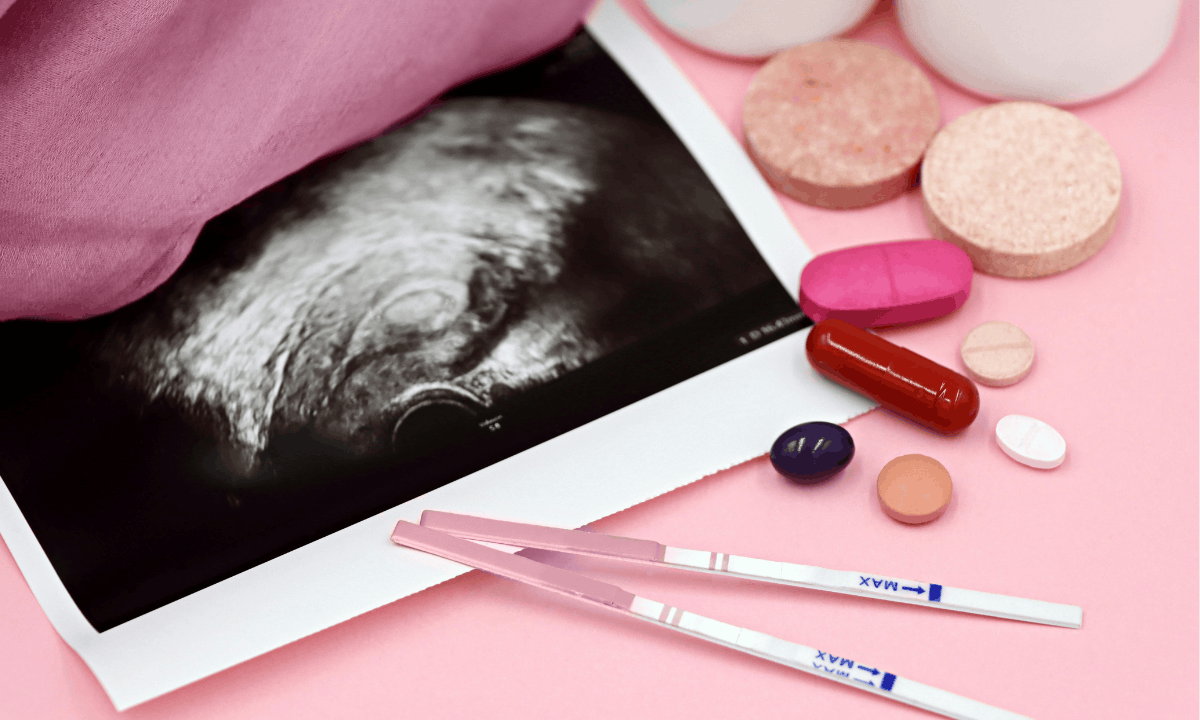
Fertility medications may be recommended if you do not ovulate regularly. Your doctor may also suggest fertility medications before timed intercourse or intrauterine insemination (IUI).
The aim of these medications is to help follicle development or help time your ovulation. Your doctor may prescribe the medications in tablet form or as hormone injections.
After you take the medications, your doctor may perform ultrasound scans or blood tests to monitor how your ovaries respond to the treatment. These procedures help your doctor tailor the treatment plan and manage the risk of multiple pregnancy, ovarian hyperstimulation syndrome (OHSS), and an excessive response to fertility medication.
Fertility medications may also be a part of IVF treatment, although the medications used in IVF usually aim to stimulate the egg development for retrieval.
Intracytoplasmic sperm injection (ICSI)
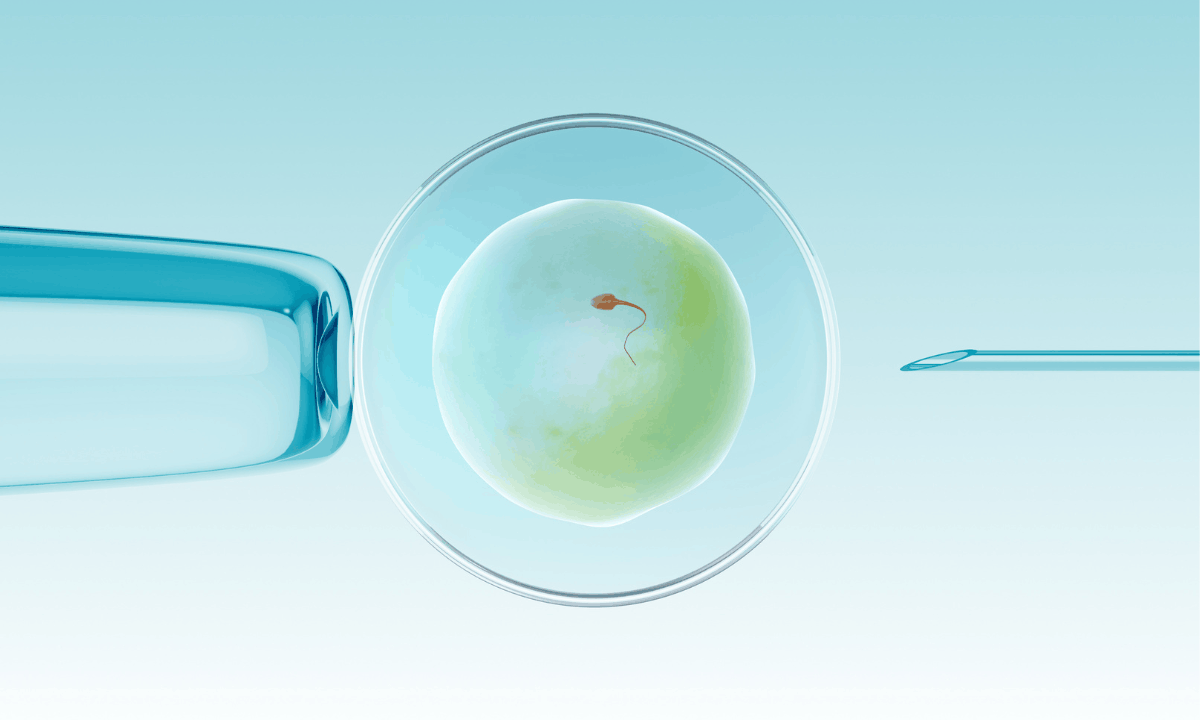
ICSI is a technique used as part of an IVF cycle where an embryologist injects one selected sperm directly into each mature egg to help the fertilisation process.
The early stages of ICSI are similar to IVF, where the ovaries are stimulated, eggs are collected, and sperm are prepared. The difference between these procedures lies in how fertilisation is attempted.
In conventional IVF, eggs and sperm are placed together in a laboratory dish, allowing sperm to fertilise the egg on its own. Meanwhile, during ICSI, an embryologist selects a sperm and injects it directly into the egg.
ICSI may be considered when there is a significant sperm-related fertility factor or when a conventional IVF may not result in fertilisation. Examples of such issues include:
Oligospermia, azoospermia, teratozoospermia, or asthenozoospermia
Sperm that need to be retrieved from the testicles or epididymis because of a blockage, vasectomy, injury, disease, or certain genetic disorders
If previous IVF resulted in none or very few eggs fertilised
Selected situations involving sperm antibodies
Fertility preservation
Fertility preservation refers to medical options that collect and store eggs, sperm, embryos, or reproductive tissue for possible use in the future.
A doctor may discuss fertility preservation if you or your partner have:
Medical treatment that could affect fertility, such as chemotherapy, radiotherapy, or surgery involving the ovaries, testes, womb, or other reproductive organs.
Medical conditions that may significantly affect fertility.
Genetic condition or family history that may be associated with early loss of ovarian function.
There are several fertility preservation options for both men and women. The fertility-preservation options for women include:
| Procedure | What it involves |
|---|---|
Your doctor collects mature, unfertilised eggs and freezes them for possible future use. | |
Eggs are fertilised with sperm through IVF, and the laboratory then freezes suitable embryos for possible future use. | |
Ovarian tissue freezing | Your doctor could remove parts of an ovary or the whole ovary or the ovarian tissue before treatment that may affect fertility. |
Ovarian transposition | Your doctor repositions your ovaries away from the planned pelvic radiotherapy area to minimise their exposure to radiation. |
Meanwhile, the fertility-preservation options for men include:
| Procedure | What it involves |
|---|---|
Sperm freezing | A semen sample is collected, frozen, and stored for possible future use in fertility treatment. |
Surgical sperm retrieval | Your doctor retrieves sperm directly from the testicle or epididymis through a surgical procedure when a semen sample does not contain sperm. |
Surgical treatment for fertility

Surgery may be considered when a fertility assessment identifies a physical problem that could be contributing to difficulty conceiving.
| Options for | When surgery may be considered | Procedure and what it involves |
|---|---|---|
Women |
| Laparoscopy: your doctor makes small incisions in the abdomen and inserts a thin camera to examine or treat conditions affecting the ovaries, fallopian tubes, or pelvis. |
Women |
| Hysteroscopy: your doctor passes a thin camera through the vagina and cervix into the womb. It allows them to examine and, where appropriate, treat conditions inside the uterine cavity. |
Men |
| Varicocelectomy: your doctor makes a small cut in the groin or uses keyhole surgery to reach the enlarged veins around the testicle. Afterwards, they tie, clip, or seal the affected veins to redirect blood flow through healthy veins. |
Men |
| Surgical sperm retrieval: your doctor retrieves sperm directly from the epididymis or testicle. The sperm may then be used in assisted reproductive treatment, usually intracytoplasmic sperm injection (ICSI). |
To help you decide on the suitable fertility treatment, consider a consultation with a fertility specialist to assess you and your partner. Schedule an appointment at Thomson Fertility Singapore.
What factors do you need to consider before choosing a treatment?
Beyond the fertility assessment results, choosing the suitable fertility treatment may require other factors to consider, such as:
Pregnancy rates: ask your doctor about the estimated likelihood of pregnancy with each option, based on your age, diagnosis, and treatment history.
Possible risks: discuss risks that may apply to you for each treatment.
Time considerations: consider whether it is reasonable to try a less intensive option first or if another factor makes earlier IVF more appropriate.
Cost and affordability: ask your doctor for the full expected cost of the treatments.
Additionally, you may also consider your personal preferences, such as how you feel about the medications, injections, procedures, and emotional impact.
What are the risks of fertility treatments?
Though fertility treatment is carefully monitored by doctors, it may involve risks from the medications, procedures, and the pregnancy that occurs. The risks of fertility treatments include:
Multiple pregnancy:
Stimulation medications may result in more than one released egg, and transferring more than one embryo may result in multiple pregnancies when there is more than one baby in the womb.
Multiple pregnancies may also have higher risks of miscarriage, high blood pressure, gestational diabetes, and premature birth.
Ovarian hyperstimulation syndrome (OHSS):
OHSS is an excessive response to ovarian stimulation medications. When it occurs, the ovaries may become enlarged and painful, and fluid could shift into the abdomen.
Side effects from medications:
Hormonal medications may cause temporary effects such as headaches, mood changes, bloating, abdominal discomfort, or hot flushes.
Procedure-related complications:
Egg collection and some fertility procedures may carry small risks of bleeding, infection, or injury to nearby organs.
Ectopic pregnancy:
An ectopic pregnancy occurs when a pregnancy implants outside the womb, usually in a fallopian tube.
Fertility treatment may also be emotionally taxing, given that it involves uncertainty, frequent appointments, and physical demands.
What could you do to support your fertility treatment
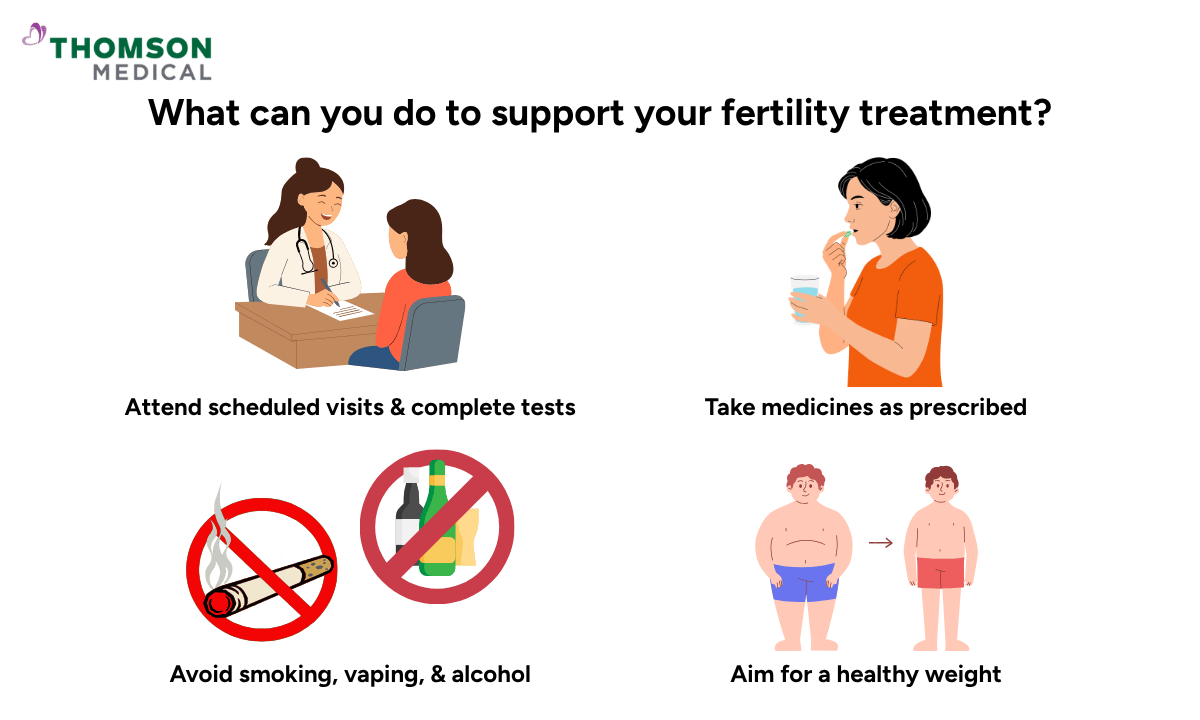
When you and your partner decide to have a fertility treatment, there are some practical steps to support your general health and help you prepare for the upcoming appointments:
Attend your scheduled visits and complete the recommended tests
Take medicines as prescribed by your doctor
Avoid smoking, vaping, and alcohol
Aim for a healthy weight
Eat a balanced diet and stay physically active
Take a folic acid supplement as recommended by your doctor
Discuss all medicines, supplements, and herbal products that you take with your doctor
Manage long-term health conditions, such as diabetes, thyroid disease, high blood pressure, or mental-health conditions
Your emotional wellbeing throughout the treatment is also a crucial factor to look after. If you experience stress or anxiety, you could seek support from your partner, family, friends, or a counsellor.
If you and your partner are still unsure which fertility treatment is suitable, visit a fertility specialist to help you decide on the appropriate treatment. Schedule an appointment at Thomson Fertility Singapore.
FAQ
Can lifestyle changes improve fertility without treatment?
Healthy lifestyle changes may support fertility by helping to regulate hormones, the menstrual cycle, and sperm production, as well as improving general health. However, lifestyle changes cannot treat every cause of infertility or guarantee pregnancy.
Can you switch fertility treatments if one doesn’t work?
Switching fertility treatments when one has not resulted in pregnancy is possible. Your doctor can review your response to treatment and discuss whether to repeat it, adjust the plan, consider another option, or take a break.
Can different fertility treatments be combined?
Different fertility treatments can be combined, and your doctor may suggest it according to your fertility diagnosis and treatment plan. For example, ovulation medicines may be used with timed intercourse or IUI, while ICSI is a technique that can be used as part of IVF.
How many cycles of IUI should be tried before IVF?
There is no set number of IUI cycles that applies for everyone. Depending on the cause of infertility and individual circumstances, your doctor may recommend trying a small number of IUI cycles before considering IVF.
For some people with unexplained infertility, doctors may consider up to 4 cycles of IUI with ovarian stimulation before trying IVF. However, IVF may be discussed earlier if IUI is unlikely to be suitable, such as when the fallopian tubes are blocked or sperm-related fertility factors are significant.
The information provided is intended for general guidance only and should not be considered medical advice. For personalised advice based on your conditions, schedule a consultation with Thomson Medical.
For more information, contact us:
Thomson Fertility Centre
- Paragon: 6252 7766
- Novena: 6399 3758, 8811 0358 (WA)